Explore Koh Lanta
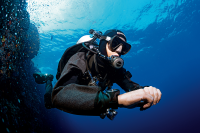
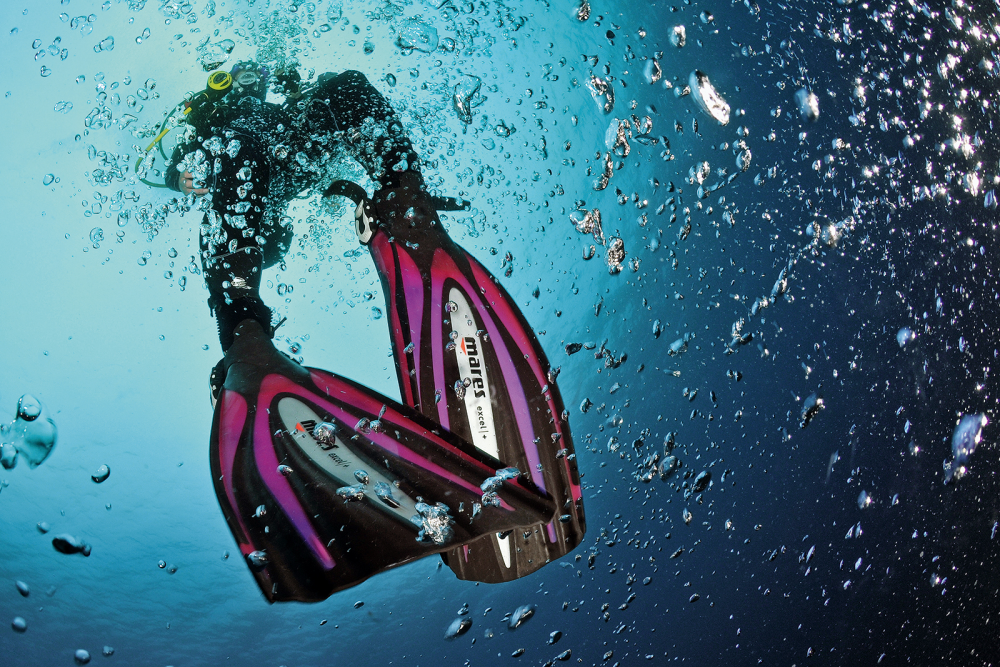
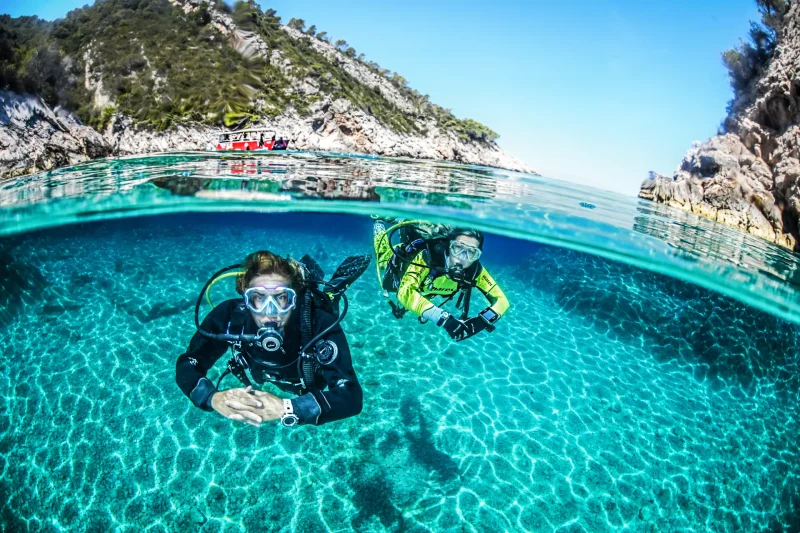
Koh Lanta offers a unique and enchanting diving experience, making it a standout destination in Thailand. The island is a gateway to some of the country's most stunning dive sites, including Koh Haa, where vibrant reefs and intriguing caves attract divers of all skill levels. The area's underwater landscapes are nothing short of spectacular, with dazzling coral gardens and a plethora of colorful reef fish. Dive environments range from calm, clear waters perfect for beginners to deeper, more challenging sites that appeal to advanced divers. The Cathedral's interconnected chambers and The Chimney's intricate tunnels provide thrilling underwater adventures. Diving in and around Koh Lanta is primarily conducted by boat, with options ranging from speedboats to larger, leisurely vessels. This allows easy access to nearby attractions like the Phi Phi Islands, Hin Daeng, and Hin Muang, known for their exceptional diving conditions. The King Cruiser Wreck and Anemone Reef add to the diversity of experiences, offering unique opportunities to explore artificial reefs teeming with marine life. Liveaboard trips further enhance the adventure, allowing divers to explore remote sites with ease. Whether you're taking a course or embarking on a liveaboard journey, Koh Lanta promises unforgettable diving in a serene and picturesque setting.
Courses and Events

Dive Activity

Diving in Koh Lanta

Koh Lanta offers all kinds of diving adventures for all skill levels. The beautiful, shallow reef and lagoon dives around Koh Lanta, Koh Haa and the Phi Phi Islands will mesmerize even seasoned divers.

Underwater pinnacles like Hin Daeng and Muang attract pelagics like manta rays and whale sharks, while sites around Lanta, Koh Haa, Koh Rok, and the Phi Phi Islands boast plunging walls and drop-offs covered in life.

There are also some exciting cave diving opportunities for experienced divers, such as those at Koh Haa, in particular, The Cathedral dive site, which is unmissable.

Many dive sites in this region are relatively shallow, though there are some deep diving possibilities, particularly at deeper open ocean sites.

Wreck diving is also possible at the Kled Gaeow shipwreck, which was a Royal Thai Navy vessel that was sunk purposely in 2014 to serve as a diving attraction. Plus, there’s the world-famous King Cruiser Wreck, which was a passenger ferry that sank in 1997 and is now home to a wealth of critters.

Top Wildlife Sightings in Koh Lanta

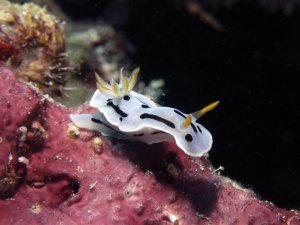
“What can’t be seen here” is a more accurate question. An array of Indo-Pacific species thrive in and around Koh Lanta, and please everyone from macro-lovers, to fanatics of big fish. Macro critters to be seen include various nudibranchs, shrimp, crabs and juvenile fish.

Barracuda stalk the reefs, where tons of hard and soft corals, anemones and sea fans decorate dive sites. Schools of fish like trevally and great barracuda form silver walls that shimmer in the sunlight, and schools of snapper create huge clouds that block out the sun.

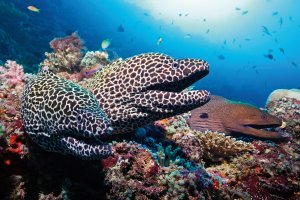
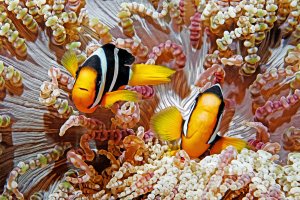
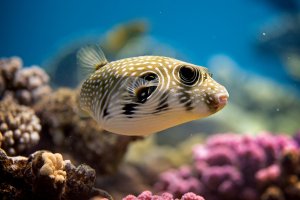
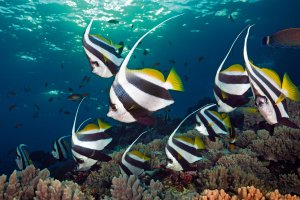
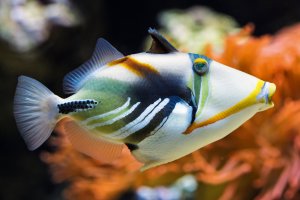
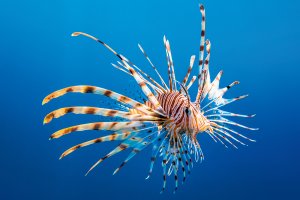
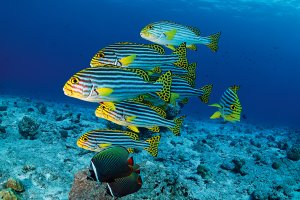
Seemingly endless reef fish thrive too, including colorful anemonefish, lionfish, batfish, damselfish, butterflyfish, parrotfish, triggerfish and countless more. Camouflage experts like octopus, cuttlefish, scorpionfish and stonefish can be seen by observant eyes, and curious critters like eels and sea snakes can be found almost everywhere. Crustaceans of impressive sites, like lobster, shrimp and crabs like to hide in rocky cracks.

Green and hawksbill turtles can be spotted, while reef sharks like black tips pass by. Leopard sharks and stingrays can be found in sandy areas, and lucky divers might see a resting nurse shark. Eagle rays may be spotted passing by in the blue, and in certain places, like at Hin Daeng and Hin Muang, mantas can be seen feeding and being cleaned of parasites. The star of the show is of course the whale shark, which again, can be encountered at Hin Daeng and Muang, though very lucky divers might see one pretty much anywhere in the region.

Wildlife Sightings are Based on User Generated Content

The image shown is a representative illustration and does not depict every individual animal in this category.

Total number of species: 200

Moray Eel

4 Sightings
J
0
F
0
M
1
A
3
M
0
J
0
J
0
A
0
S
0
O
0
N
0
D
0

The image shown is a representative illustration and does not depict every individual animal in this category.

Total number of species: 3

Sand Tiger Shark

2 Sightings
J
0
F
0
M
0
A
0
M
0
J
0
J
0
A
2
S
0
O
0
N
0
D
0

Green Turtle

1 Sightings
J
0
F
0
M
1
A
0
M
0
J
0
J
0
A
0
S
0
O
0
N
0
D
0

Hawksbill Turtle

1 Sightings
J
0
F
0
M
1
A
0
M
0
J
0
J
0
A
0
S
0
O
0
N
0
D
0

The image shown is a representative illustration and does not depict every individual animal in this category.

Total number of species: 600

Wrasse

1 Sightings
J
0
F
0
M
1
A
0
M
0
J
0
J
0
A
0
S
0
O
0
N
0
D
0

The image shown is a representative illustration and does not depict every individual animal in this category.

Total number of species: 3000

Nudibranch

5 Sightings
J
0
F
0
M
0
A
5
M
0
J
0
J
0
A
0
S
0
O
0
N
0
D
0

The image shown is a representative illustration and does not depict every individual animal in this category.

Total number of species: 130

Pufferfish

3 Sightings
J
0
F
2
M
1
A
0
M
0
J
0
J
0
A
0
S
0
O
0
N
0
D
0

Lemon Shark

2 Sightings
J
0
F
0
M
0
A
0
M
0
J
0
J
0
A
2
S
0
O
0
N
0
D
0

The image shown is a representative illustration and does not depict every individual animal in this category.

Total number of species: 100

Parrotfish

2 Sightings
J
0
F
0
M
1
A
0
M
0
J
0
J
0
A
1
S
0
O
0
N
0
D
0

Grey Reef Shark

1 Sightings
J
0
F
0
M
0
A
0
M
0
J
0
J
1
A
0
S
0
O
0
N
0
D
0

The image shown is a representative illustration and does not depict every individual animal in this category.

Total number of species: 80

Stingrays

1 Sightings
J
0
F
0
M
0
A
0
M
0
J
0
J
0
A
1
S
0
O
0
N
0
D
0

The image shown is a representative illustration and does not depict every individual animal in this category.

Total number of species: 250

The image shown is a representative illustration and does not depict every individual animal in this category.

Total number of species: 30

Sand Eel

1 Sightings
J
0
F
0
M
1
A
0
M
0
J
0
J
0
A
0
S
0
O
0
N
0
D
0

The image shown is a representative illustration and does not depict every individual animal in this category.

Total number of species: 90

Angelfish

1 Sightings
J
0
F
0
M
1
A
0
M
0
J
0
J
0
A
0
S
0
O
0
N
0
D
0

The image shown is a representative illustration and does not depict every individual animal in this category.

Total number of species: 130

Butterfly Fish

1 Sightings
J
0
F
0
M
1
A
0
M
0
J
0
J
0
A
0
S
0
O
0
N
0
D
0

The image shown is a representative illustration and does not depict every individual animal in this category.

Total number of species: 28

Clownfish

1 Sightings
J
0
F
0
M
1
A
0
M
0
J
0
J
0
A
0
S
0
O
0
N
0
D
0

The image shown is a representative illustration and does not depict every individual animal in this category.

Total number of species: 40

Jackfish

1 Sightings
J
0
F
0
M
1
A
0
M
0
J
0
J
0
A
0
S
0
O
0
N
0
D
0

The image shown is a representative illustration and does not depict every individual animal in this category.

Total number of species: 250

Scorpionfish

1 Sightings
J
0
F
0
M
1
A
0
M
0
J
0
J
0
A
0
S
0
O
0
N
0
D
0

The image shown is a representative illustration and does not depict every individual animal in this category.

Total number of species: 12

Lionfish

1 Sightings
J
0
F
0
M
1
A
0
M
0
J
0
J
0
A
0
S
0
O
0
N
0
D
0

The image shown is a representative illustration and does not depict every individual animal in this category.

Total number of species: 50

Frogfish

1 Sightings
J
0
F
0
M
1
A
0
M
0
J
0
J
0
A
0
S
0
O
0
N
0
D
0

The image shown is a representative illustration and does not depict every individual animal in this category.

Total number of species: 85

Surgeonfish

1 Sightings
J
0
F
0
M
1
A
0
M
0
J
0
J
0
A
0
S
0
O
0
N
0
D
0

The image shown is a representative illustration and does not depict every individual animal in this category.

Total number of species: 150

Sweetlips and Grunts

1 Sightings
J
0
F
0
M
0
A
0
M
0
J
0
J
0
A
1
S
0
O
0
N
0
D
0

The image shown is a representative illustration and does not depict every individual animal in this category.

Total number of species: 40

Triggerfish

1 Sightings
J
0
F
0
M
1
A
0
M
0
J
0
J
0
A
0
S
0
O
0
N
0
D
0

The image shown is a representative illustration and does not depict every individual animal in this category.

Total number of species: 90

Goatfish

1 Sightings
J
0
F
0
M
1
A
0
M
0
J
0
J
0
A
0
S
0
O
0
N
0
D
0

The image shown is a representative illustration and does not depict every individual animal in this category.

Total number of species: 15

Tuna

1 Sightings
J
0
F
0
M
1
A
0
M
0
J
0
J
0
A
0
S
0
O
0
N
0
D
0

The image shown is a representative illustration and does not depict every individual animal in this category.

Total number of species: 3

Cornetfish

1 Sightings
J
0
F
0
M
1
A
0
M
0
J
0
J
0
A
0
S
0
O
0
N
0
D
0

The image shown is a representative illustration and does not depict every individual animal in this category.

Total number of species: 3

Trumpetfish

1 Sightings
J
0
F
0
M
1
A
0
M
0
J
0
J
0
A
0
S
0
O
0
N
0
D
0

Leaf Scorpionfish

1 Sightings
J
0
F
0
M
1
A
0
M
0
J
0
J
0
A
0
S
0
O
0
N
0
D
0

The best Months to dive in Koh Lanta

Koh Lanta boasts fantastic diving year-round, thanks to its welcoming tropical climate, with water temperatures averaging between 28-30C. November to April is the high season and the best time to dive, as the weather is usually dry and sunny, and sea conditions are the most favourable. In this season, the ocean is normally calm and visibility at its highest, although dive sites can be more crowded. Furthermore, this is the only time to dive at Hin Daeng and Hin Muang, due to favourable surface conditions.

From around May to the end of September, it’s the rainy season, although downpours are typically short and refreshing. Clear days still occur, and diving is still possible at sites that aren’t exposed to wind. Dive sites are way less crowded, and you’ll likely find deals on accommodation and diving in the low season.

In any season, the best time to dive is always just after the half moon period, when minimal tidal variation results in better visibility and next to zero current.

Dive Centers

Dive Sites