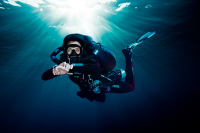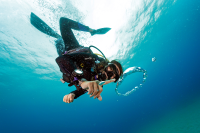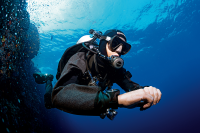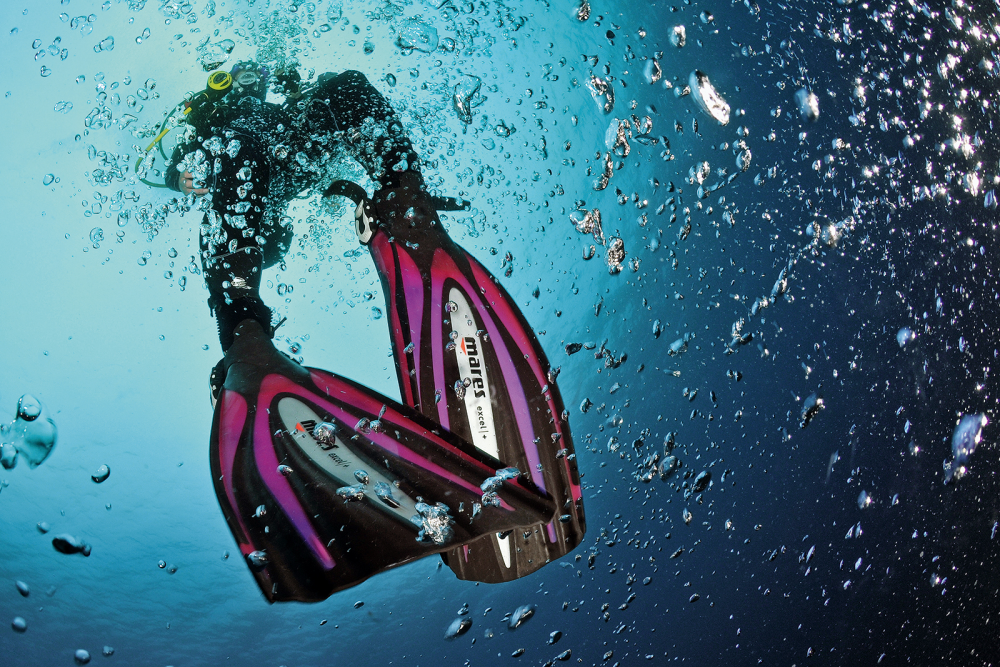
Diving in Koh Phangan
Koh Phangan is typical of the diving
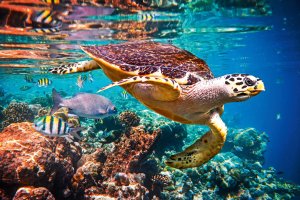
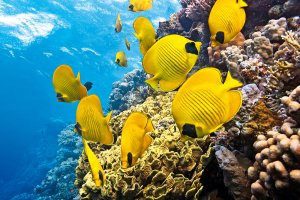
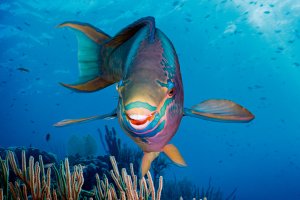
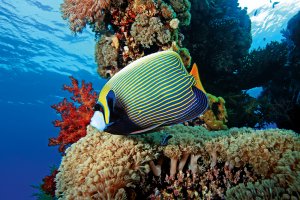
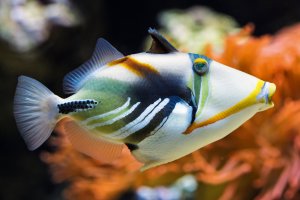
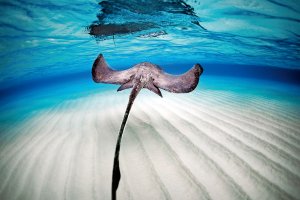
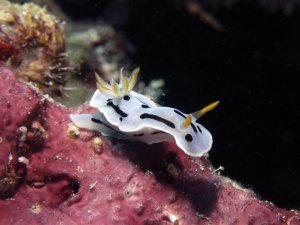
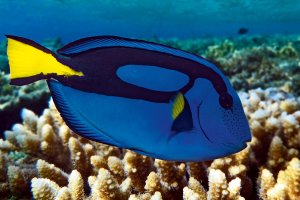
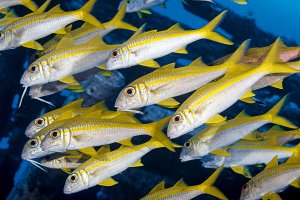
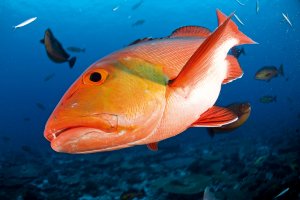
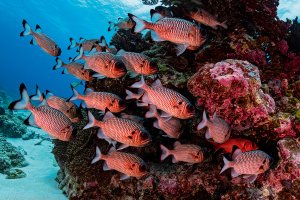
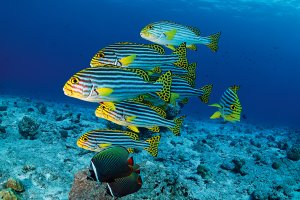
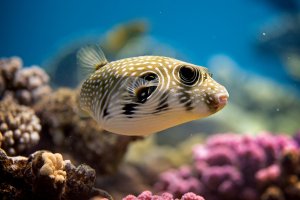
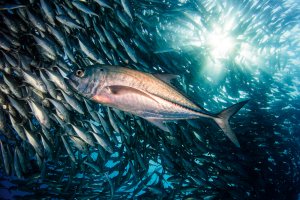
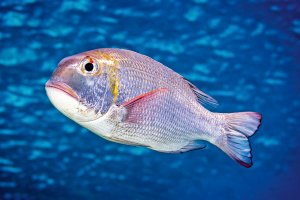
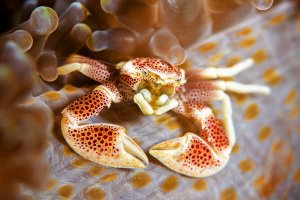
you’ll experience in all of the Gulf of Thailand - insanely colorful reefs and
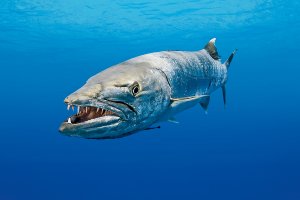
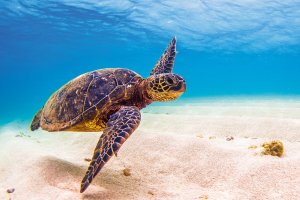
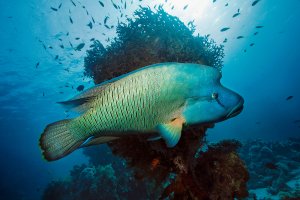
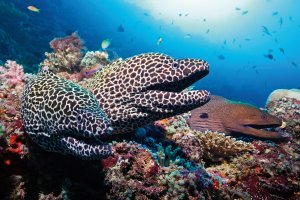
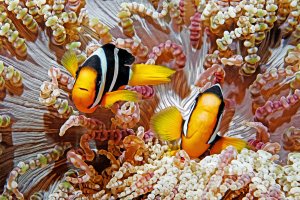
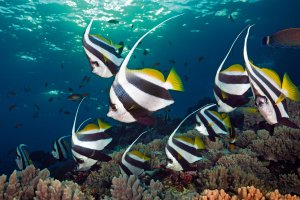
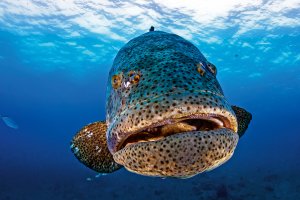
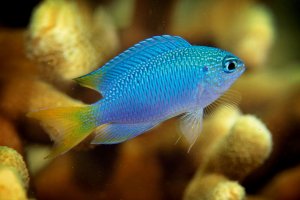
exhilarating underwater seascape all teeming with tropical, colorful marine
species. As dive operators often visit nearby islands, there’s plenty of varied
dive sites to experience.
Most of the diving is beautiful reef
diving where tons of vibrant fish and critters thrive among colorful hard and
soft corals. Thanks to the interesting topography in the area, including
pinnacles and drop-offs, many sites are wall dives, while other feature fun
swim-throughs and tunnels. Some wreck diving is also possible, particularly on
the HTMS Sattakut, which is one of the premier wreck dive sites in the region.
It’s nearer to Koh Tao, but many dive boats venture to the vessel from Koh
Phangan, therefore it is easy to access.
Overall,
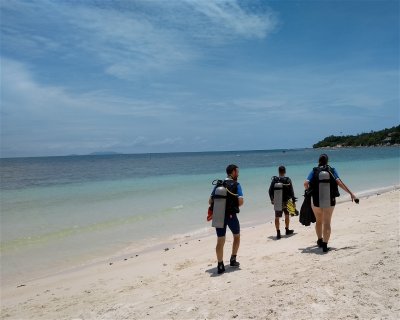
scuba diving in Koh Phangan is typically done by boat, although there is some
shore diving is possible on Koh Ma which is a smaller island near the mainland.
The best Months to dive in Koh Phangan
Diving is possible all year round on Koh
Phangan, as it is all around the Gulf of Thailand, thanks to its tropical
climate and warm ocean temperatures no matter the season. The island usually
experiences a dry season and a very wet season, though there are three notable
seasons; the dry, cooler peak season that lasts from December until March, the
wet low season, running from September to the end of November, and finally the
hot season, which is in the middle in terms of tourist numbers and typically starts
in April and ends in June.
Sea temperatures are comfortable all year
round, normally lingering around 28°C-30°C (82°F-86°F). Air temperatures
similarly rest around the same for most of the year, with the exception of the
hot season, during which temperatures can sometimes soar into the 40s Celsius
(low 100s Fahrenheit).
Though
diving is excellent throughout the year, the best time is said to be in the
dry, cooler season, due to greater visibility underwater and comfortable water
and air temperatures. Rainfall is also much lower, so diving trips are less
likely to be interrupted by bad weather. In terms of marine life, it remains
mostly unchanged throughout the seasons.