Explore La Paz

Cosmopolitan La Paz, the capital city of Baja California Sur, is a cool town and a dive mecca. Halfway between Cabo San Lucas and Loreto, the Bay of La Paz and its offshore islands are perfectly positioned for scuba diving with the most charismatic marine life in the Sea of Cortez. La Paz diving offers up hammerhead sharks, manta rays, whale sharks, sea lions, mobula ray schools and more, in good visibility of 15 to 30 meters. People from all over the world come here to dive, snorkel or invest in their dive training at the many dive centers. People also come to La Paz to live and study, with some major universities in town focusing on the marine environment.

Liveaboards in the Sea of Cortez often stop in La Paz for its famous hammerheads and whale sharks. Land-based divers also have plenty of options. They can organize their accommodation and dive activities separately or book a package with a linked resort and dive center.

Courses and Events

Dive Activity

Diving in La Paz

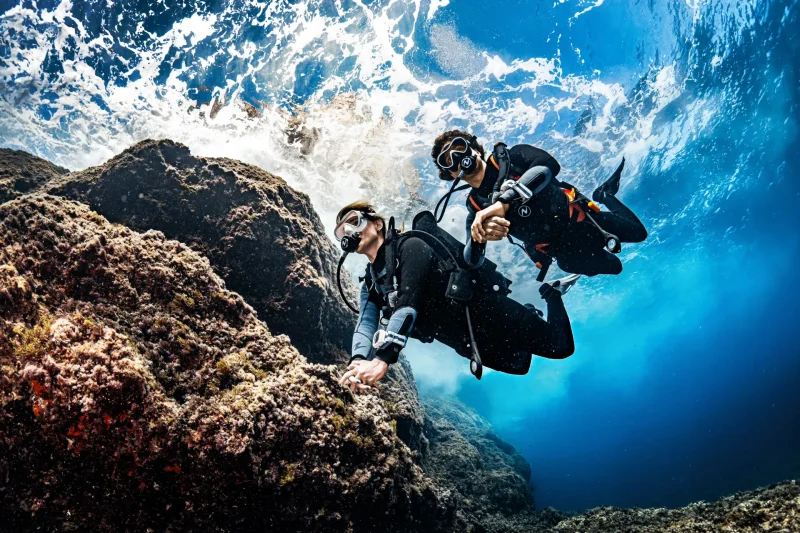
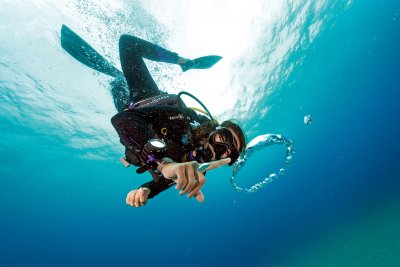
Scuba diving in La Paz comes with lots of different options. There are dive sites with walls, pinnacles, a wreck, currents for drift diving and calm waters for photographers and beginners. All levels of courses are available, from absolute beginner through tec diver. La Paz tour operators also offer freediving instruction, whale-watching and snorkeling with sea lions. Liveaboards don’t use La Paz as a departure point, but most Sea of Cortez liveaboards will visit La Paz to see hammerheads, manta rays, and whale sharks.

Top Wildlife Sightings in La Paz

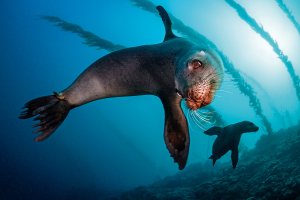
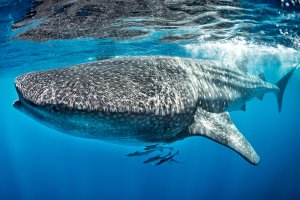
La Paz diving is known for big animals. First of all, La Paz is among the top destinations worldwide to snorkel reliably with whale sharks. These giants of the ocean are the largest fish in the world, and they arrive in La Paz every year to gorge on tiny plankton. Another species of shark, the hammerhead, is also a La Paz specialty. Hammerheads in La Paz are not as plentiful as they once were, unfortunately, but La Paz is still the best place to see them in Baja California Sur. La Paz is also one of the best Baja Sur destinations to snorkel and dive with interactive, playful sea lions. Its colony at Los Islotes is hundreds strong, and is renowned for the curiosity of its pups.

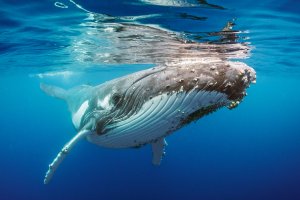
The largest marine animals in La Paz are whales. In and around the Bay of La Paz, humpback, sperm, minke, orca, pilot and finback whales enjoy the protected Sea of Cortez, either as temporary or permanent residents. In the Pacific ocean across the peninsula, friendly and inquisitive gray whales gather in aggregations of more than 50 at a time.

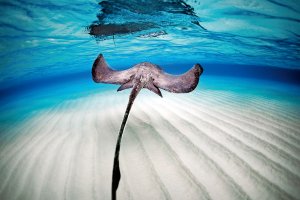
Large rays are also a La Paz diving specialty. For years, people thought that manta rays had disappeared from the area, but they have now reformed a reliable presence at the dive site La Reina. Even more reliably, huge schools of mobula rays migrate in the hundreds through La Paz every year, and may be witnessed while diving or snorkeling.

Wildlife Sightings are Based on User Generated Content

The image shown is a representative illustration and does not depict every individual animal in this category.

Total number of species: 7

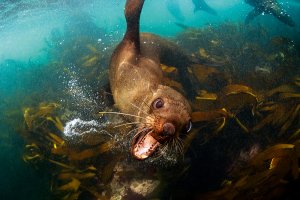
Sea Lion

127 Sightings
J
7
F
4
M
3
A
6
M
10
J
2
J
6
A
7
S
14
O
20
N
24
D
24

The image shown is a representative illustration and does not depict every individual animal in this category.

Total number of species: 200

Moray Eel

34 Sightings
J
2
F
1
M
0
A
2
M
0
J
1
J
3
A
3
S
0
O
8
N
14
D
0

Green Turtle

19 Sightings
J
0
F
3
M
0
A
0
M
0
J
1
J
1
A
3
S
0
O
0
N
7
D
4

Whale Shark

11 Sightings
J
0
F
0
M
0
A
0
M
0
J
0
J
0
A
0
S
4
O
0
N
0
D
7

The image shown is a representative illustration and does not depict every individual animal in this category.

Total number of species: 600

Wrasse

8 Sightings
J
0
F
1
M
0
A
0
M
0
J
0
J
0
A
0
S
0
O
0
N
7
D
0

The image shown is a representative illustration and does not depict every individual animal in this category.

Total number of species: 90

Angelfish

38 Sightings
J
3
F
0
M
0
A
0
M
2
J
1
J
2
A
0
S
0
O
10
N
20
D
0

The image shown is a representative illustration and does not depict every individual animal in this category.

Total number of species: 100

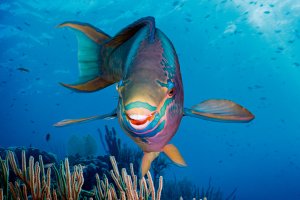
Parrotfish

38 Sightings
J
2
F
0
M
0
A
2
M
1
J
1
J
3
A
0
S
0
O
7
N
17
D
5

The image shown is a representative illustration and does not depict every individual animal in this category.

Total number of species: 130

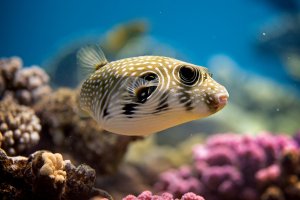
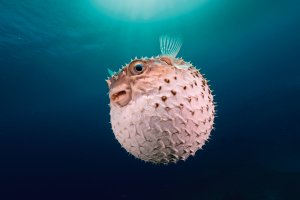
Pufferfish

36 Sightings
J
0
F
1
M
0
A
0
M
4
J
2
J
3
A
0
S
0
O
7
N
19
D
0

The image shown is a representative illustration and does not depict every individual animal in this category.

Total number of species: 130

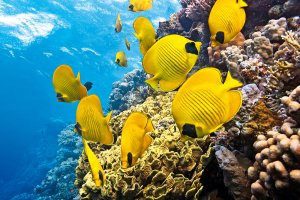
Butterfly Fish

20 Sightings
J
2
F
1
M
0
A
0
M
3
J
0
J
1
A
0
S
0
O
0
N
13
D
0

The image shown is a representative illustration and does not depict every individual animal in this category.

Total number of species: 85

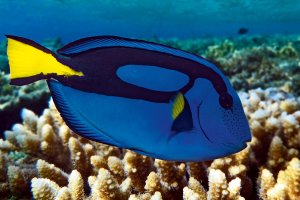
Surgeonfish

14 Sightings
J
0
F
1
M
0
A
0
M
3
J
0
J
1
A
0
S
0
O
0
N
9
D
0

The image shown is a representative illustration and does not depict every individual animal in this category.

Total number of species: 150

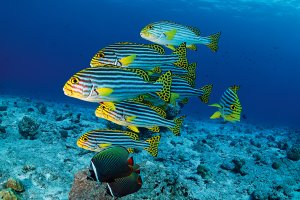
Sweetlips and Grunts

13 Sightings
J
0
F
0
M
0
A
0
M
1
J
1
J
0
A
0
S
0
O
0
N
11
D
0

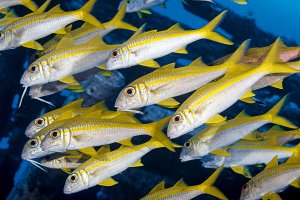
The image shown is a representative illustration and does not depict every individual animal in this category.

Total number of species: 20

Porcupinefish

13 Sightings
J
2
F
0
M
0
A
0
M
3
J
0
J
1
A
0
S
0
O
7
N
0
D
0

The image shown is a representative illustration and does not depict every individual animal in this category.

Total number of species: 3

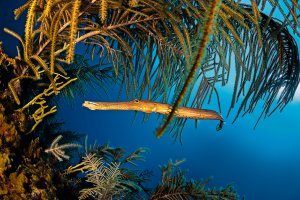
Trumpetfish

13 Sightings
J
2
F
0
M
0
A
0
M
0
J
0
J
0
A
0
S
0
O
0
N
11
D
0

The image shown is a representative illustration and does not depict every individual animal in this category.

Total number of species: 9

Fur Seal

11 Sightings
J
2
F
0
M
0
A
0
M
0
J
1
J
0
A
0
S
0
O
0
N
8
D
0

The image shown is a representative illustration and does not depict every individual animal in this category.

Total number of species: 25

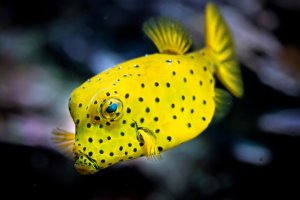
Boxfish

11 Sightings
J
0
F
0
M
0
A
0
M
1
J
1
J
0
A
0
S
0
O
0
N
9
D
0

The image shown is a representative illustration and does not depict every individual animal in this category.

Total number of species: 60

Soldierfish

10 Sightings
J
2
F
0
M
0
A
0
M
1
J
0
J
0
A
0
S
0
O
0
N
7
D
0

The image shown is a representative illustration and does not depict every individual animal in this category.

Total number of species: 350

Damselfish

10 Sightings
J
0
F
1
M
0
A
0
M
1
J
0
J
0
A
0
S
0
O
0
N
8
D
0

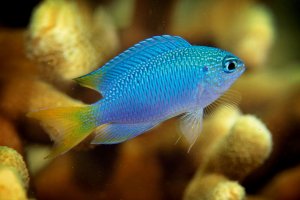
The image shown is a representative illustration and does not depict every individual animal in this category.

Total number of species: 250

The image shown is a representative illustration and does not depict every individual animal in this category.

Total number of species: 250

Scorpionfish

9 Sightings
J
0
F
1
M
0
A
0
M
0
J
1
J
0
A
0
S
0
O
0
N
7
D
0

The image shown is a representative illustration and does not depict every individual animal in this category.

Total number of species: 40

Triggerfish

9 Sightings
J
0
F
0
M
0
A
0
M
0
J
0
J
1
A
0
S
0
O
0
N
8
D
0

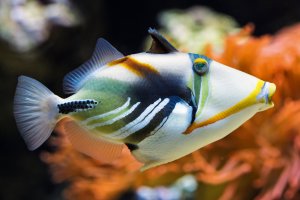
The image shown is a representative illustration and does not depict every individual animal in this category.

Total number of species: 90

Goatfish

9 Sightings
J
0
F
0
M
0
A
0
M
0
J
1
J
0
A
0
S
0
O
0
N
8
D
0

The image shown is a representative illustration and does not depict every individual animal in this category.

Total number of species: 40

Jackfish

8 Sightings
J
0
F
0
M
0
A
0
M
1
J
0
J
0
A
0
S
0
O
0
N
7
D
0

The image shown is a representative illustration and does not depict every individual animal in this category.

Total number of species: 60

Squirrelfish

7 Sightings
J
0
F
0
M
0
A
0
M
0
J
0
J
0
A
0
S
0
O
0
N
7
D
0

The best Months to dive in La Paz

La Paz scuba diving can be enjoyed year-round, though the conditions and marine life vary throughout the year. The water temperature ranges from 20°C/68°F in winter to 29°C/84°F in summer. July through December offers the clearest visibility, and it can get windy between December and April.

Winter brings incredible marine life to La Paz. In December, humpback whales start arriving in the Sea of Cortez from their Arctic feeding grounds, ready to calve and nurse their young. The humpback season runs from December to April. Elusive blue whales reside in the area between January and March. On the Pacific coast across from La Paz (still accessible through a combined land trip and sea tour), gray whales calve in the protection of sheltered bays, also from January through March. Hammerheads are another species that likes the winter months in La Paz; these incredible sharks are most abundant from November to January. Whale sharks have a longer season, from October through April (with juveniles present in October and November). Manta rays frequent La Paz from June to November. Enormous schools of mobula rays migrate through the area between late April and July.

Dive Centers

Dive Sites