DivePoint Vadoo
Silinco Neelofaru Magu, South Male Atoll - VADOO, Maldives
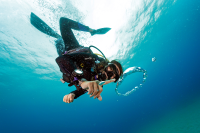
 © Aqualung
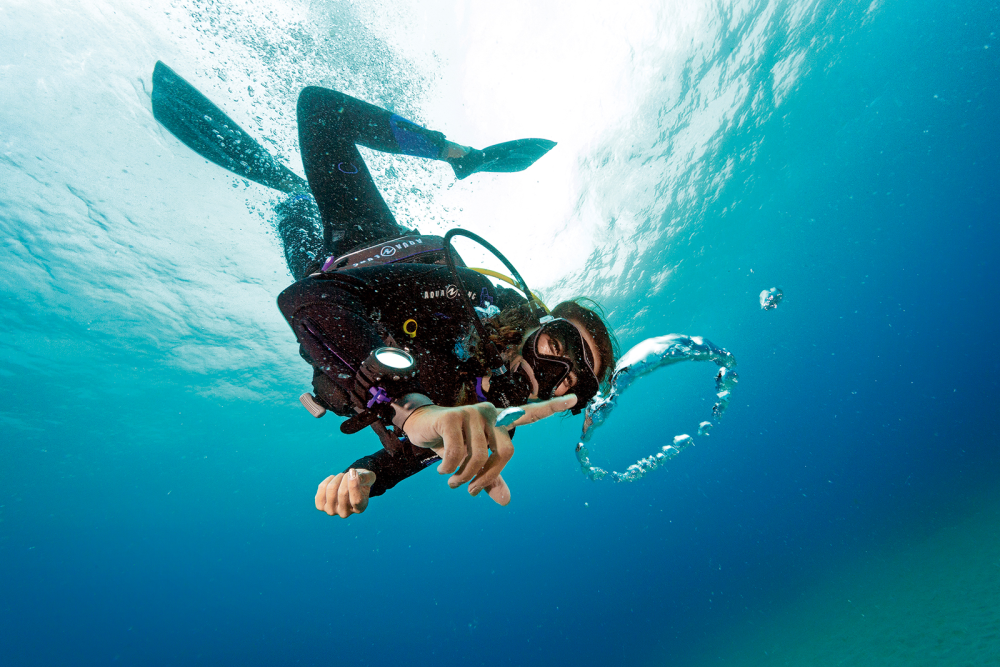
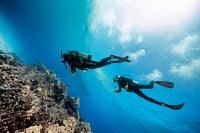
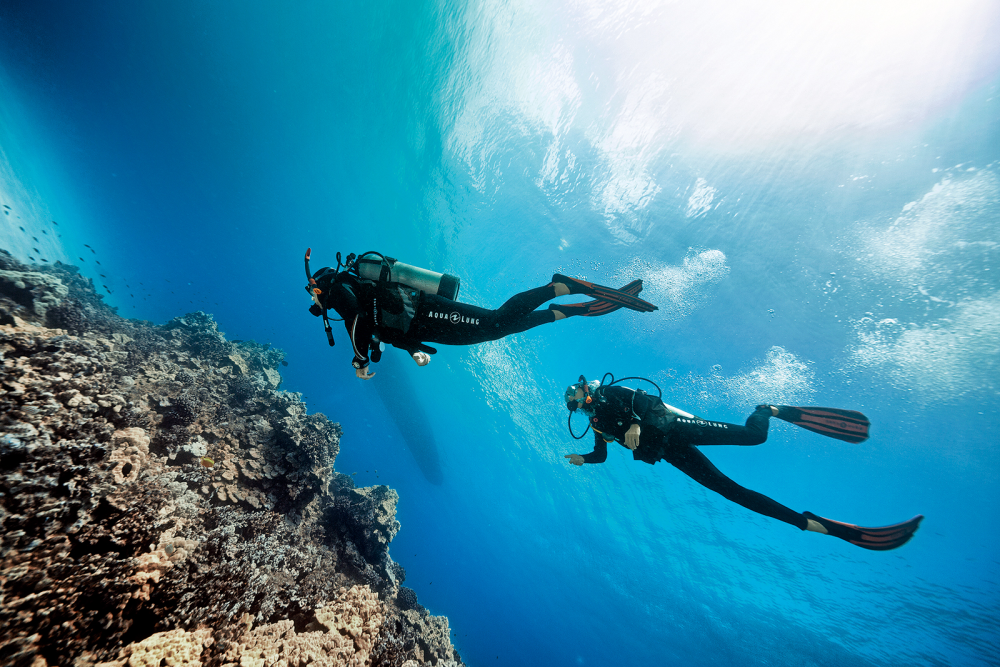
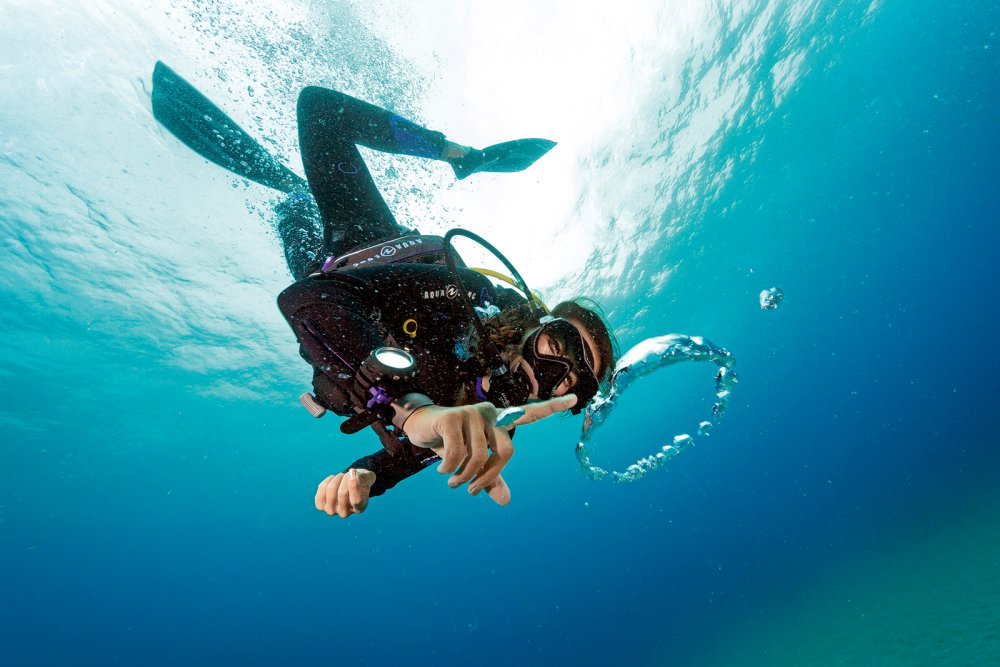
Nestled in the heart of the Maldives, Laamu Atoll offers a captivating diving experience marked by its tranquil beauty and diverse marine life. As the southernmost of the Central Atolls, Laamu is a haven for divers seeking both adventure and serenity, away from bustling crowds. With only one resort and several dive centers, visitors are encouraged to explore the atoll's pristine waters, either through local dive sites or on a liveaboard for an immersive experience.
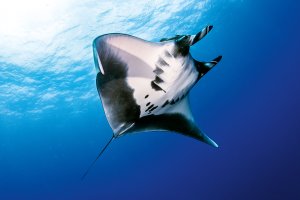
Laamu Atoll boasts a variety of diving environments suitable for all skill levels. Novices can enjoy sloping interior reefs with gentle currents and excellent visibility, providing a perfect introduction to the underwater world. Advanced divers, on the other hand, can indulge in strong drift dives, where thrilling encounters with year-round manta rays await. The Fushi Kandi site, with its 250 meters/820 feet drift, is an extraordinary highlight, offering sightings of majestic Mobula rays and schools of barracudas. Unlike its southern neighbors, Laamu is known for its calmer waters, making it a preferred choice for novice divers looking to explore the Southern Atolls region.
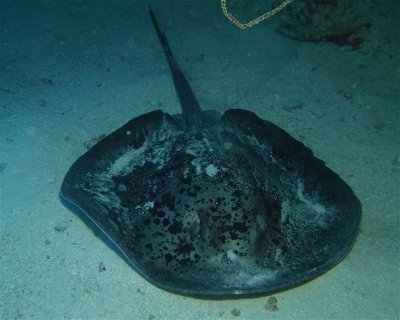
The diving in Laamu Atoll is some of the best in the Maldives for beginners. The shape of the atoll protects the gently sloping interior reefs from the currents which sometimes batter the external reefs. It also has fewer channels, which are known for their strong currents. For the more advanced divers, exposed pinnacles offer overhangs and caves in which you can shelter from the current and which can yield sharks and mobula manta rays.
There is only 1 resort in Laamu and it is at the luxury end of any divers budget. The island of Gan (the largest in the Maldives!) has several guesthouses and dive centres available which also offer dive courses. This route presents more budget flexibility. Liveaboards, as always, might be the most efficient way to dive a lot. Most of them leave from Male and there are over 20 to choose from, to suit a variety of budgets. Be sure to check with your specific liveaboard as some require a minimum certification level or a minimum number of dives.
Laamu Atoll diving is idyllic all year round. Though it is subject to seasons, the water and air temperatures stay consistently in the high 20s°C/80s°F. The dry season runs from December to April and provides textbook diving conditions. The wind is almost nonexistent, the rain is minimal, and it feels as though the sun shines constantly. All of these things mean that the sea is calm and the visibility is gin-clear.
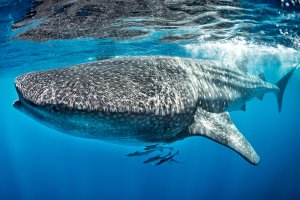
The rainy season is from May to November. There is still more than enough sunshine for a beach holiday; there are just more frequent rain showers. The winds also pick up, which can make the seas choppier, reducing visibility. Some dive centers may suspend operations in June due to the weather, so be sure to check if you are traveling at this time. Benefits of traveling in this season are that the rates of many resorts come down, and the plankton blooms bring in more manta rays and whale sharks.
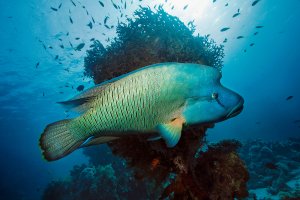
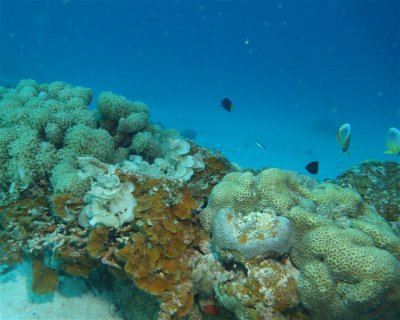
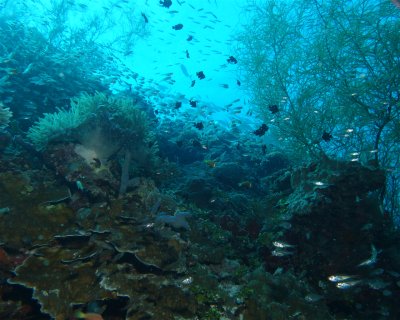
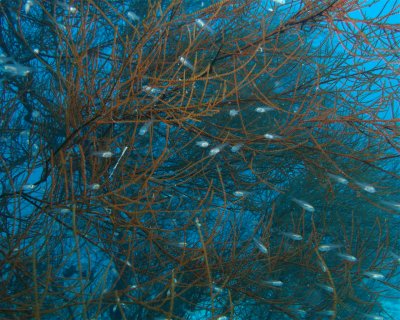
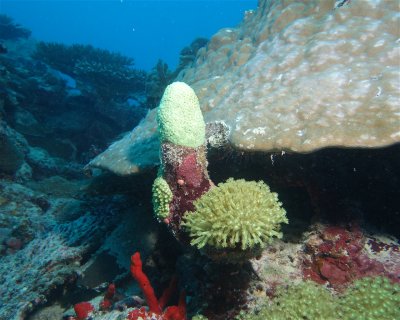
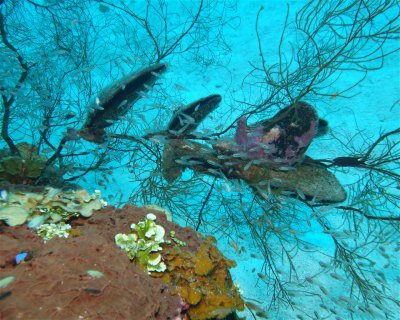
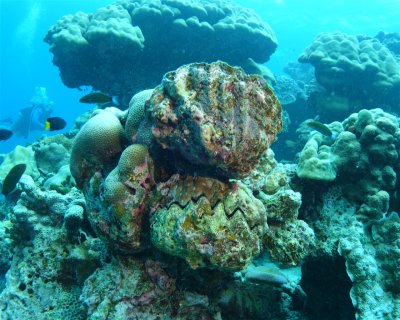
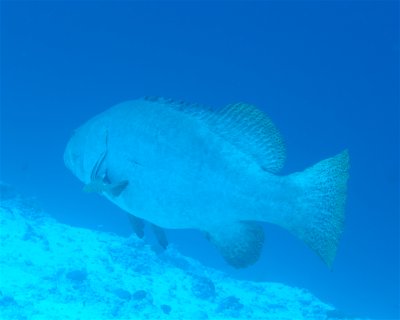
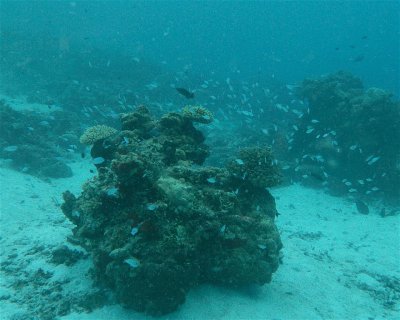
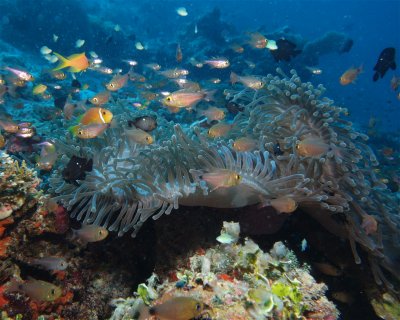
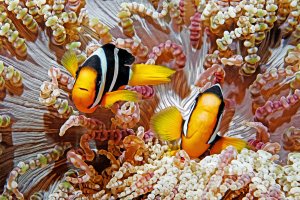
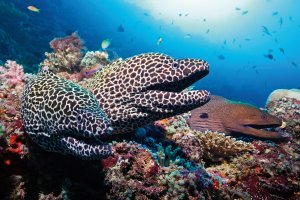
The healthy reefs in Laamu Atoll maybe not be as colourful as in other atolls but they are certainly packed with as much life. Looking into the cracks of rocks will yield honeycomb moray eels and cleaner shrimp. The corals play host to colourful nudibranch, anemonefish and kings of camouflage like leaf fish, frogfish and scorpionfish. This atoll boasts the ability to see manta rays all year round, unlike some others. They are still more common during the monsoons however, as food is more plentiful. Whale sharks have been sighted off Laamu but it does require a long boat journey of around an hour.
Wildlife Sightings are Based on User Generated Content
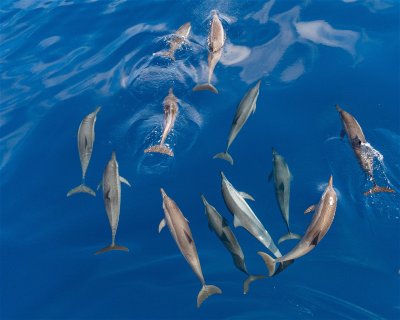
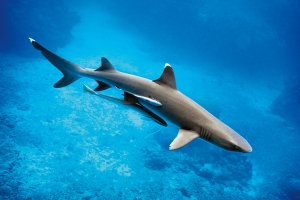
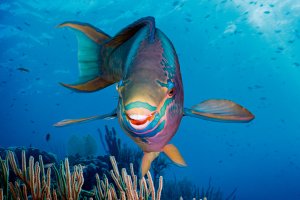
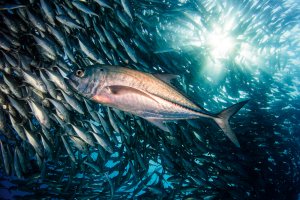
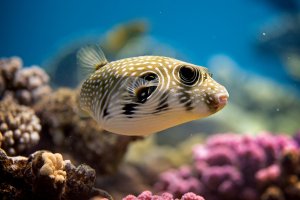
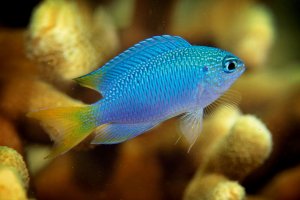
The image shown is a representative illustration and does not depict every individual animal in this category.
Total number of species approx.: 25
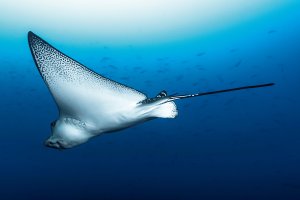
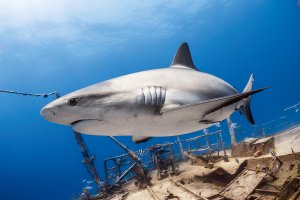
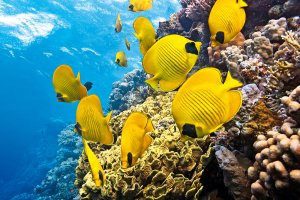
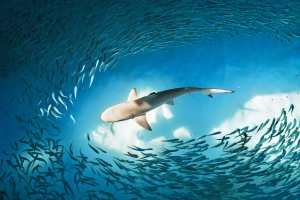
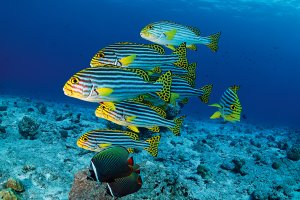
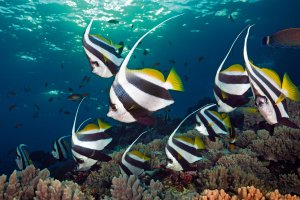
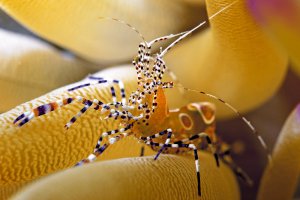
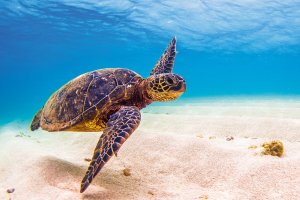
The image shown is a representative illustration and does not depict every individual animal in this category.
Total number of species approx.: 27
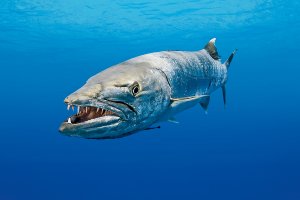
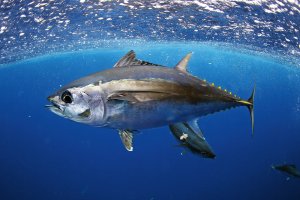
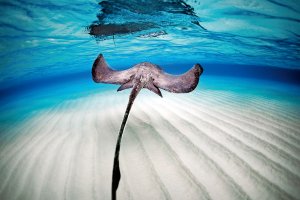
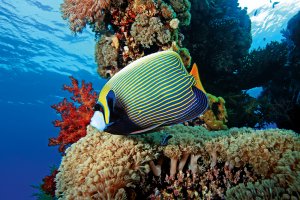
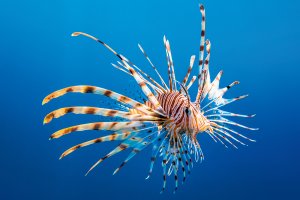
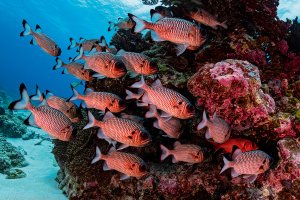
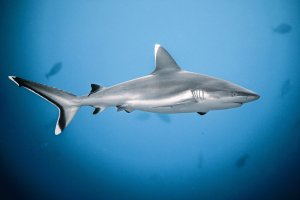
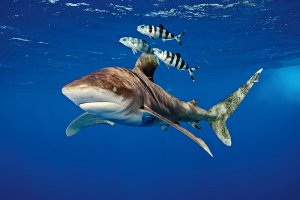
The image shown is a representative illustration and does not depict every individual animal in this category.
Total number of species approx.: 200
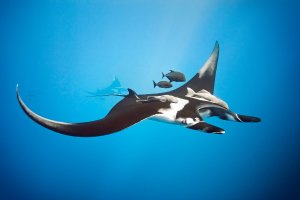
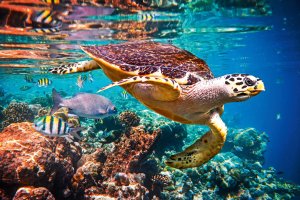
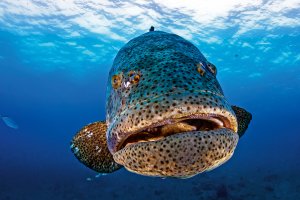
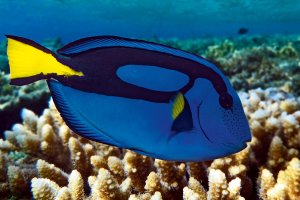
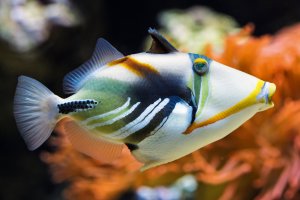
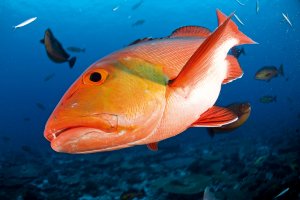
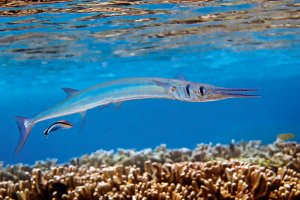
The image shown is a representative illustration and does not depict every individual animal in this category.
Total number of species approx.: 600