Addu Atoll
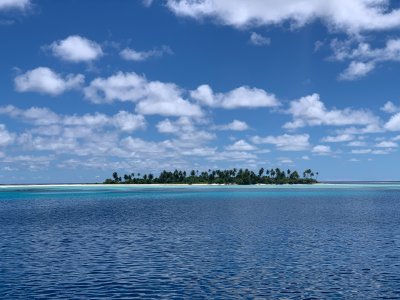
This southernmost Maldives atoll actually takes the country past the equator and into the Southern Hemisphere.
 © iStock/Ingalvanova
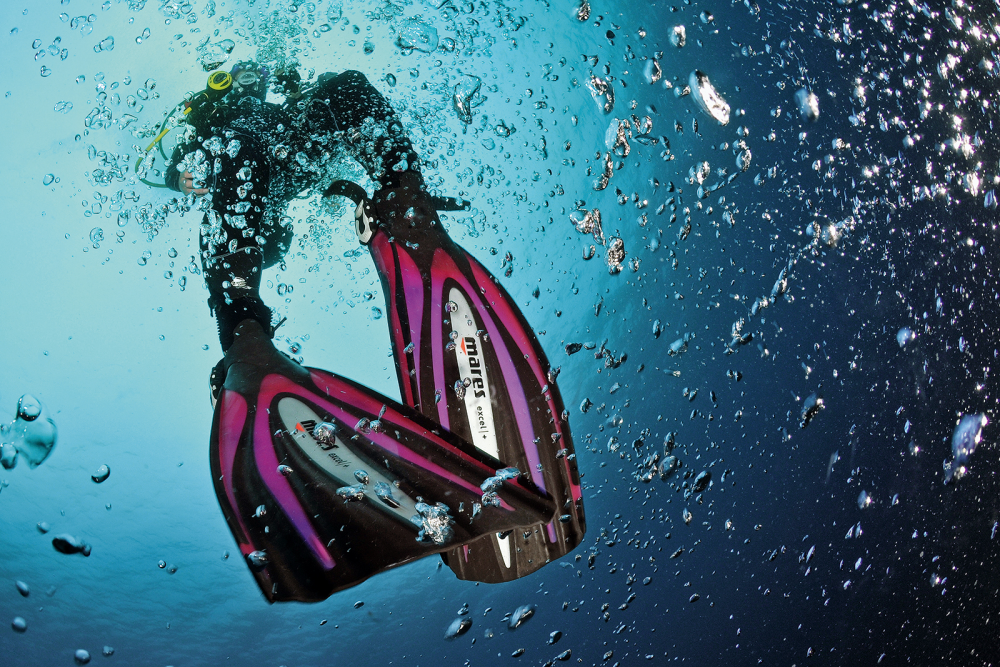
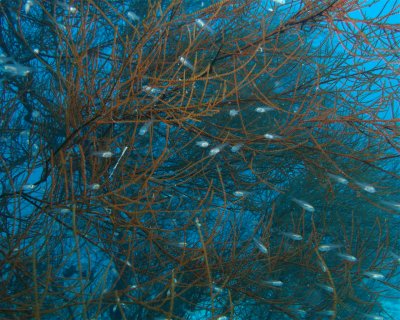
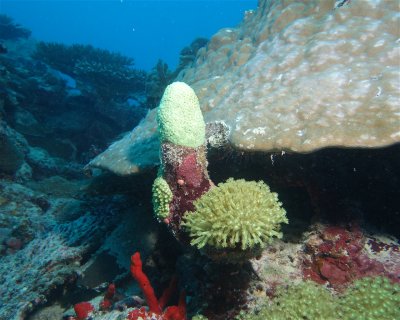
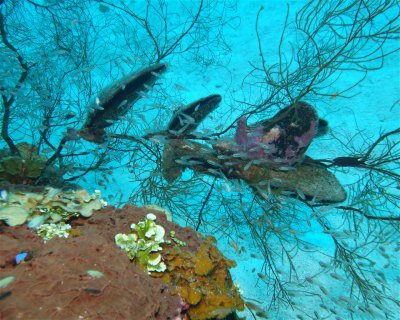
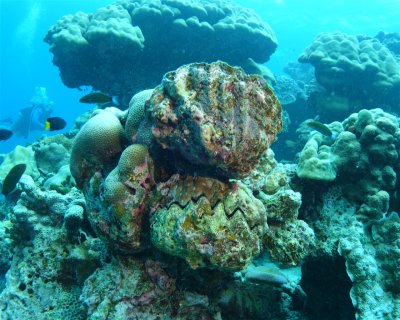
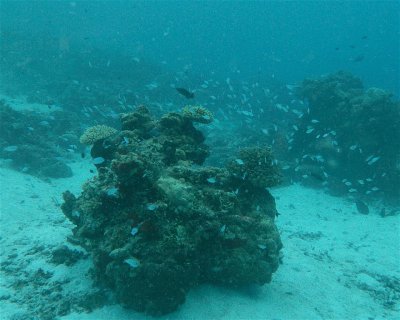
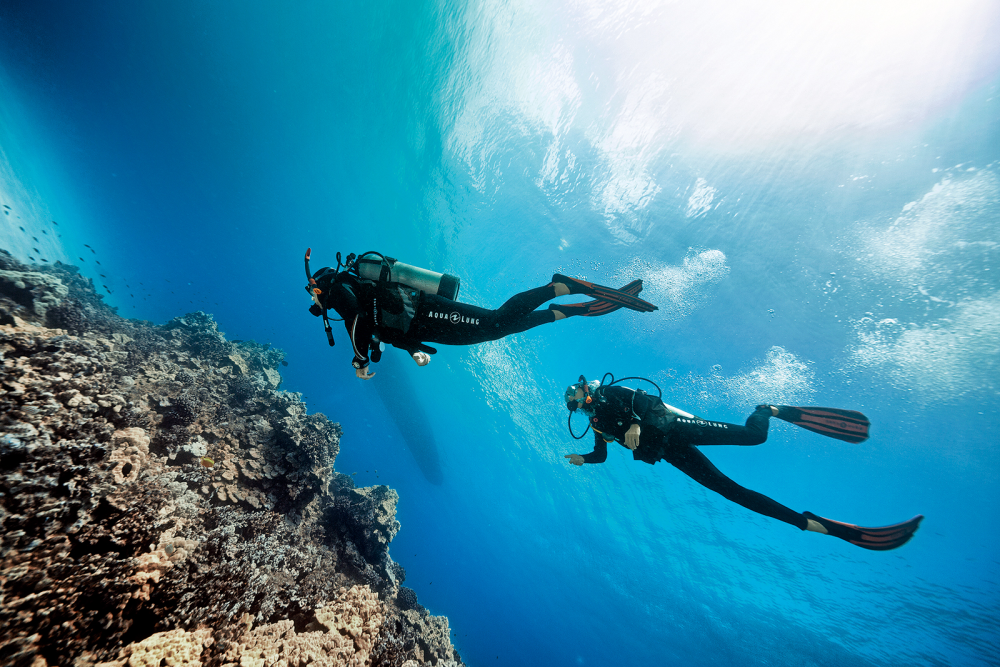
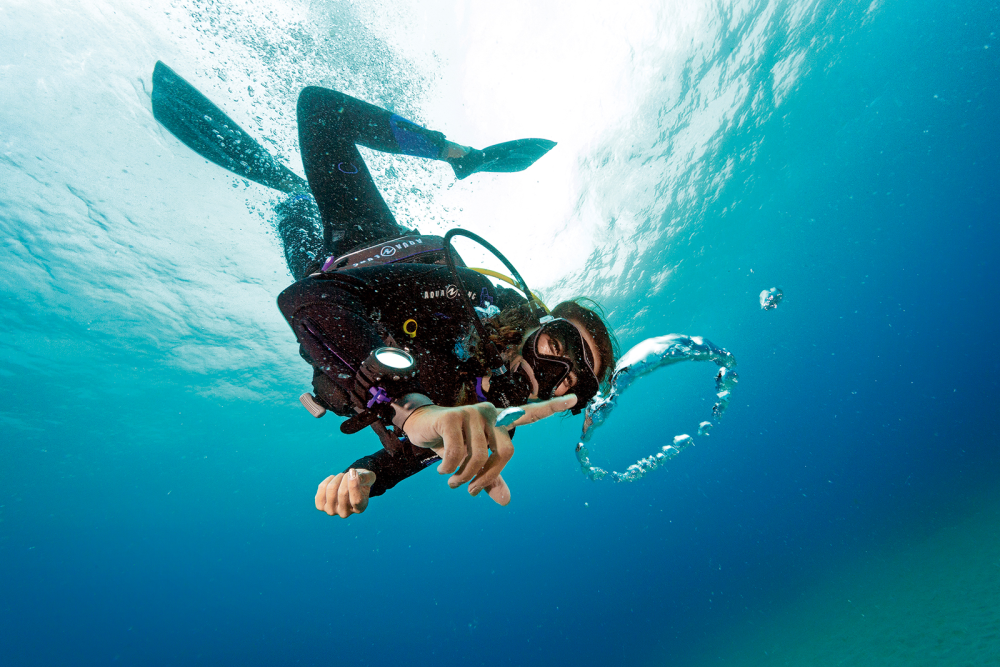
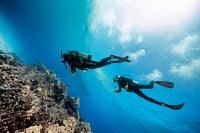
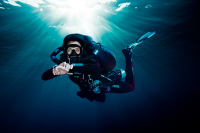
Diving in the Southern Atolls of the Maldives is a unique adventure, offering a blend of uncharted territory and thrilling encounters with marine life. Unlike the more frequented Central Atolls, the Southern Atolls promise solitude and the chance to explore unmapped sites. The region, exposed to the deep ocean, brings divers face-to-face with vibrant coral reefs, dramatic walls, and the occasional wreck. These atolls are a haven for experienced divers, with challenging conditions shaped by strong currents and deeper lagoons.
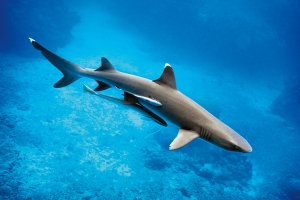
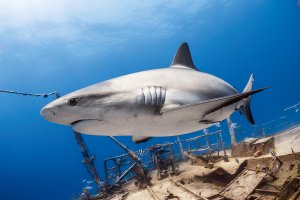
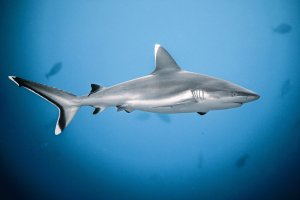
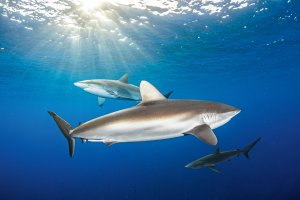
From December to April, divers can experience the best of the Southern Atolls, as this period offers calm seas and clear waters. This optimal season is perfect for encountering the region's star attraction: a diverse array of sharks, including hammerheads and reef sharks. The less developed nature of the Southern Atolls means fewer dive resorts and centers, but several liveaboards operate here, catering to those ready for this thrilling dive experience. Each dive promises the excitement of discovery, as divers often find themselves the only ones exploring these pristine waters, making every dive a memorable and exclusive journey.
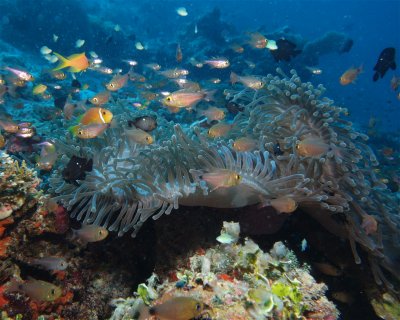
The Southern Atolls of the Maldives offer some of the most exhilarating dive sites worldwide, renowned for their vibrant underwater ecosystems and thrilling dives. Notable among these is the "British Loyalty" wreck, a fascinating site for wreck diving enthusiasts, where divers can explore the sunken remains of a WWII oil tanker. The atolls are also famous for their unique marine life, including the mesmerizing night dives where glowing plankton create a magical underwater light show. For those preferring shore dives, the Southern Atolls present several accessible sites adorned with colorful corals and abundant marine species. The balance between shore and liveaboard diving options caters to both casual and seasoned divers, allowing for varied diving experiences. Whether witnessing the graceful manta rays or the elusive thresher sharks, the Southern Atolls promise unforgettable adventures for dive travelers.
Diving in the Southern Atolls is possible year-round, thanks to consistently warm water temperatures ranging from 27°C–29°C/81°F–84°F. This tropical region offers excellent diving conditions with visibility often reaching 20–30 meters/66–98 feet, providing divers with stunning underwater vistas.
While diving conditions are generally favorable throughout the year, the northeast monsoon from December to April brings calmer seas and optimal visibility. Conversely, the southwest monsoon from May to November may introduce stronger currents and occasional rain, which can slightly affect diving conditions. However, diving remains possible during this period, offering a different but equally rewarding experience.
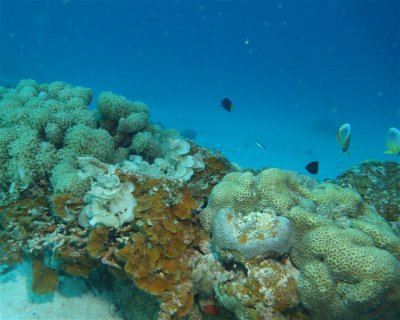
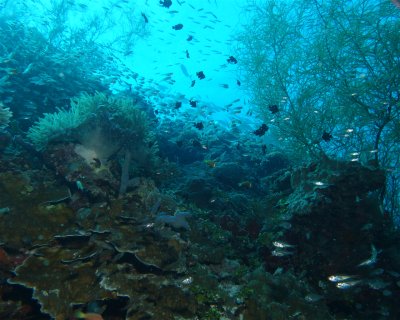
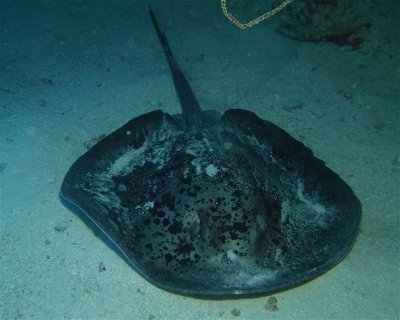
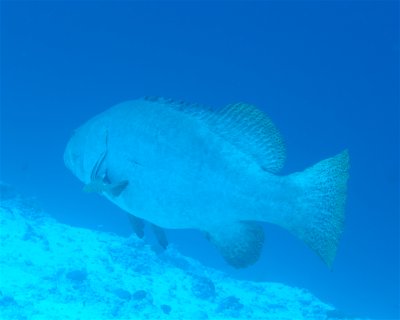
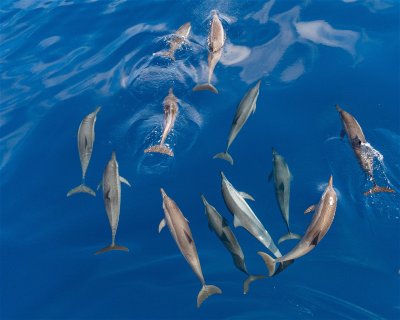
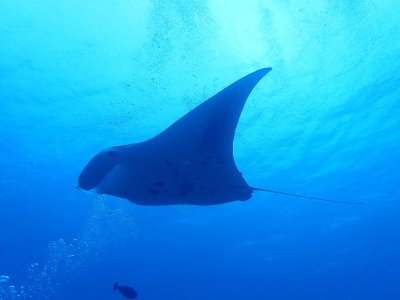
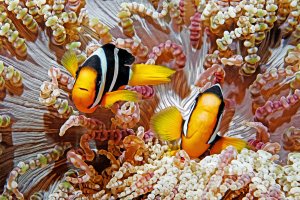
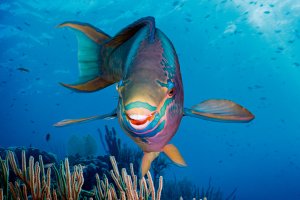
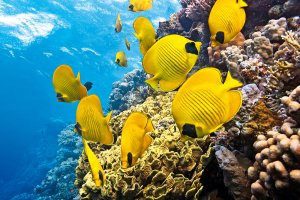
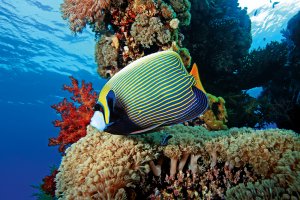
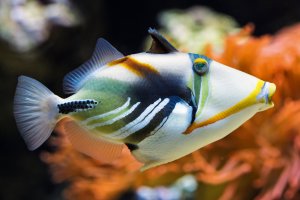
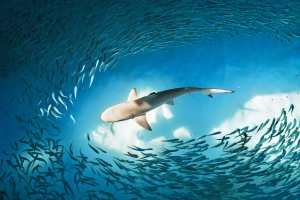
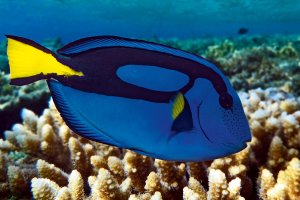
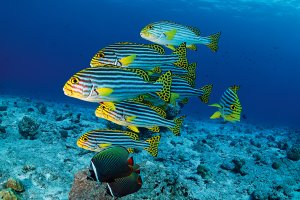
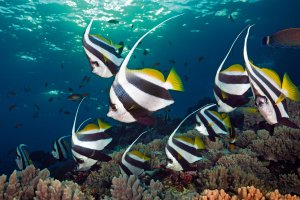
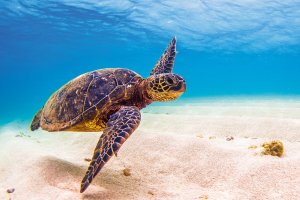
The Southern Atolls are a vibrant marine ecosystem, home to a stunning array of sea life. Divers can expect to spot common reef fish such as parrotfish, butterflyfish, and angelfish throughout the year. These colorful species are abundant and easily encountered in the coral-rich areas. Seasonal highlights include sightings of majestic manta rays and various species of sharks, such as reef and hammerhead sharks, typically more prevalent from December to March. Sea turtles, including green and hawksbill turtles, are frequent visitors to these atolls, most commonly seen during their nesting season, which varies depending on the specific atoll location. Encounters with these notable species can vary, but exploring diverse dive sites in the Southern Atolls increases the likelihood of witnessing these marine wonders.
Wildlife Sightings are Based on User Generated Content
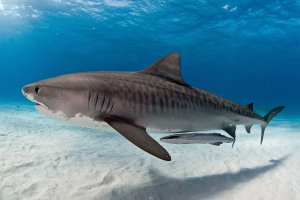
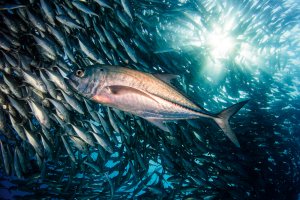
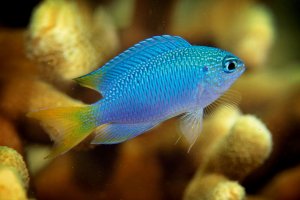
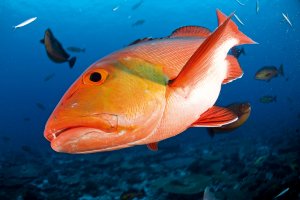
The image shown is a representative illustration and does not depict every individual animal in this category.
Total number of species approx.: 25
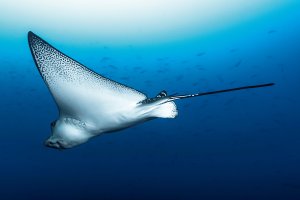
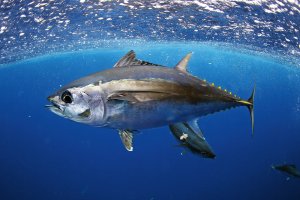
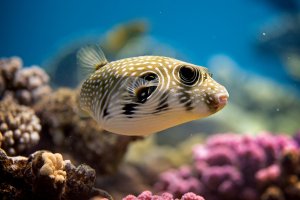
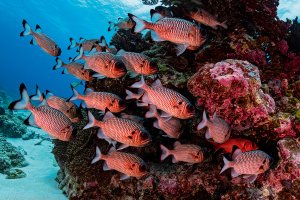
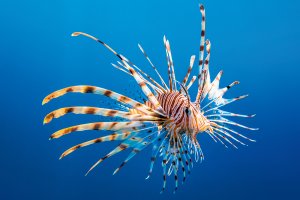
The image shown is a representative illustration and does not depict every individual animal in this category.
Total number of species approx.: 200
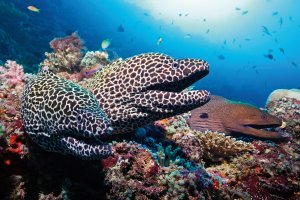
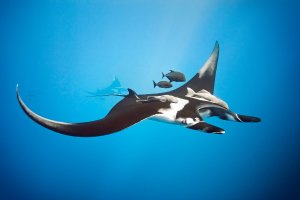
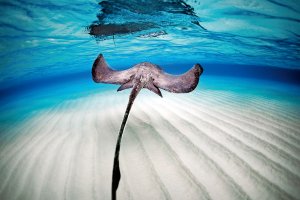
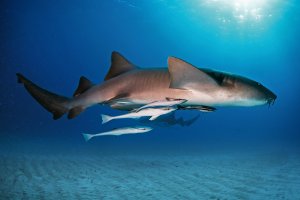
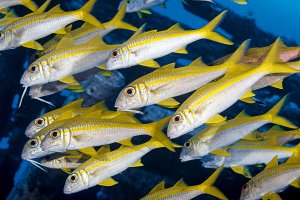
The image shown is a representative illustration and does not depict every individual animal in this category.
Total number of species approx.: 27
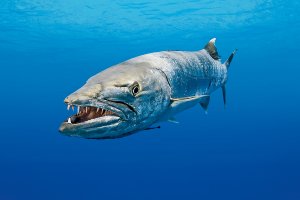
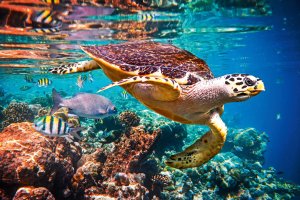
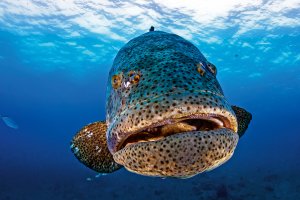
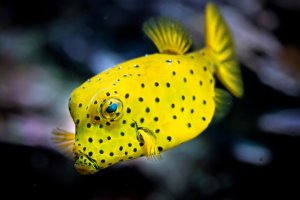
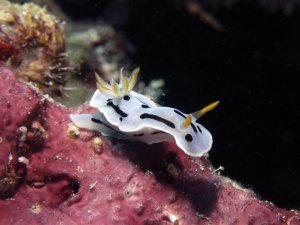
The image shown is a representative illustration and does not depict every individual animal in this category.
Total number of species approx.: 600
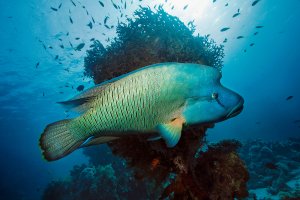
The image shown is a representative illustration and does not depict every individual animal in this category.
Total number of species approx.: 3
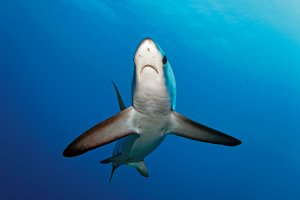
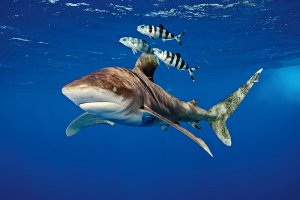
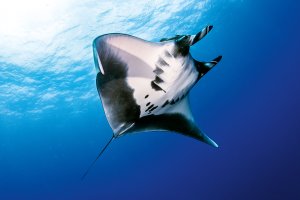
The image shown is a representative illustration and does not depict every individual animal in this category.
Total number of species approx.: 300
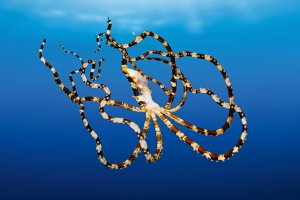
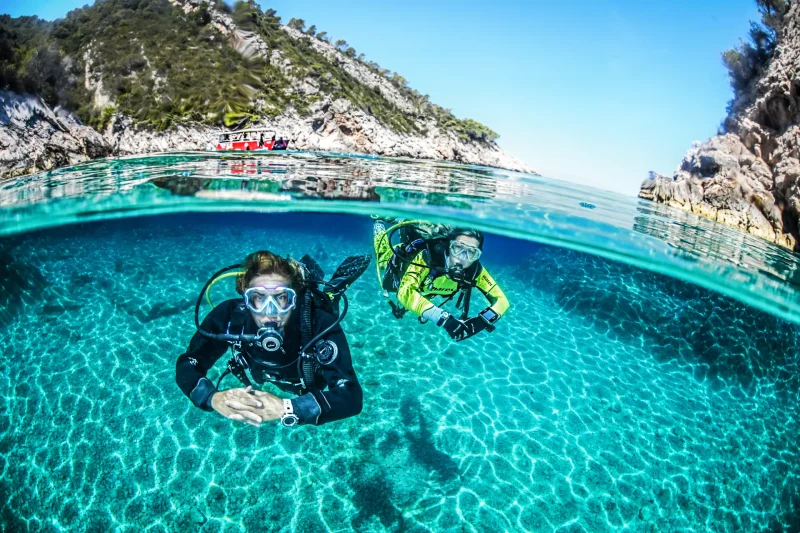
Curated by Interest
Mares
Aqualung
Shutterstock-Zi Magine
Mares-Predrag Vuckovic
Scubapro
Shutterstock-Ethan Daniels
Mares-Predrag Vuckovic
Mares-Bjoern Dorstewit

Our 3-Day Diving Package is designed for divers seeking thrilling encounters with tiger sharks, abundant pelagic life, and the unique underwater ecosystem that makes Fuvahmulah ...
Show Offer
IncludedDaily Shuttle: transfers per day between guest house and dive boatDive Boat TripNot IncludedDive equipment rental (per day 25$ and 5$ per dive per item)Additional dives ...
Show Offer
After more than ten years traveling around the world to enjoy unique experiences with groups of friends and family, we’ve become an adventure travel agency. All of our trips a...
Show Offer
Our 3-Day Diving Package is designed for divers seeking thrilling encounters with tiger sharks, abundant pelagic life, and the unique underwater ecosystem that makes Fuvahmulah ...
Show Offer
IncludedDaily Shuttle: transfers per day between guest house and dive boatDive Boat TripNot IncludedDive equipment rental (per day 25$ and 5$ per dive per item)Additional dives ...
Show Offer
IncludedDaily Shuttle: transfers per day between guest house and dive boatDive Boat TripNot IncludedDive equipment rental (per day 25$ and 5$ per dive per item)Additional dives ...
Show Offer
IncludedDaily Shuttle: transfers per day between guest house and dive boatDive Boat TripNot IncludedDive equipment rental (per day 25$ and 5$ per dive per item)Additional dives ...
Show Offer
IncludedDaily Shuttle: transfers per day between guest house and dive boatDive Boat TripNot IncludedDive equipment rental (per day 25$ and 5$ per dive per item)Additional dives ...
Show Offer
IncludedDaily Shuttle: transfers per day between guest house and dive boatDive Boat TripNot IncludedDive equipment rental (per day 25$ and 5$ per dive per item)Additional dives ...
Show Offer
Our 3-Day Diving Package is designed for divers seeking thrilling encounters with tiger sharks, abundant pelagic life, and the unique underwater ecosystem that makes Fuvahmulah ...
Show Offer
After more than ten years traveling around the world to enjoy unique experiences with groups of friends and family, we’ve become an adventure travel agency. All of our trips a...
Show Offer
Our 3-Day Diving Package is designed for divers seeking thrilling encounters with tiger sharks, abundant pelagic life, and the unique underwater ecosystem that makes Fuvahmulah ...
Show Offer
After more than ten years traveling around the world to enjoy unique experiences with groups of friends and family, we’ve become an adventure travel agency. All of our trips a...
Show Offer
Our 3-Day Diving Package is designed for divers seeking thrilling encounters with tiger sharks, abundant pelagic life, and the unique underwater ecosystem that makes Fuvahmulah ...
Show Offer
IncludedDaily Shuttle: transfers per day between guest house and dive boatDive Boat TripNot IncludedDive equipment rental (per day 25$ and 5$ per dive per item)Additional dives ...
Show Offer
IncludedDaily Shuttle: transfers per day between guest house and dive boatDive Boat TripNot IncludedDive equipment rental (per day 25$ and 5$ per dive per item)Additional dives ...
Show Offer
IncludedDaily Shuttle: transfers per day between guest house and dive boatDive Boat TripNot IncludedDive equipment rental (per day 25$ and 5$ per dive per item)Additional dives ...
Show Offer
IncludedDaily Shuttle: transfers per day between guest house and dive boatDive Boat TripNot IncludedDive equipment rental (per day 25$ and 5$ per dive per item)Additional dives ...
Show Offer
IncludedDaily Shuttle: transfers per day between guest house and dive boatDive Boat TripNot IncludedDive equipment rental (per day 25$ and 5$ per dive per item)Additional dives ...
Show Offer
After more than ten years traveling around the world to enjoy unique experiences with groups of friends and family, we’ve become an adventure travel agency. All of our trips a...
Show Offer
Our 3-Day Diving Package is designed for divers seeking thrilling encounters with tiger sharks, abundant pelagic life, and the unique underwater ecosystem that makes Fuvahmulah ...
Show Offer
IncludedDaily Shuttle: transfers per day between guest house and dive boatDive Boat TripNot IncludedDive equipment rental (per day 25$ and 5$ per dive per item)Additional dives ...
Show Offer
IncludedDaily Shuttle: transfers per day between guest house and dive boatDive Boat TripNot IncludedDive equipment rental (per day 25$ and 5$ per dive per item)Additional dives ...
Show Offer
IncludedDaily Shuttle: transfers per day between guest house and dive boatDive Boat TripNot IncludedDive equipment rental (per day 25$ and 5$ per dive per item)Additional dives ...
Show Offer
IncludedDaily Shuttle: transfers per day between guest house and dive boatDive Boat TripNot IncludedDive equipment rental (per day 25$ and 5$ per dive per item)Additional dives ...
Show Offer