East End
Dive in the waters of the Caribbean’s best-kept secret: the East End of Roatan
 © iStock/Jolie-G
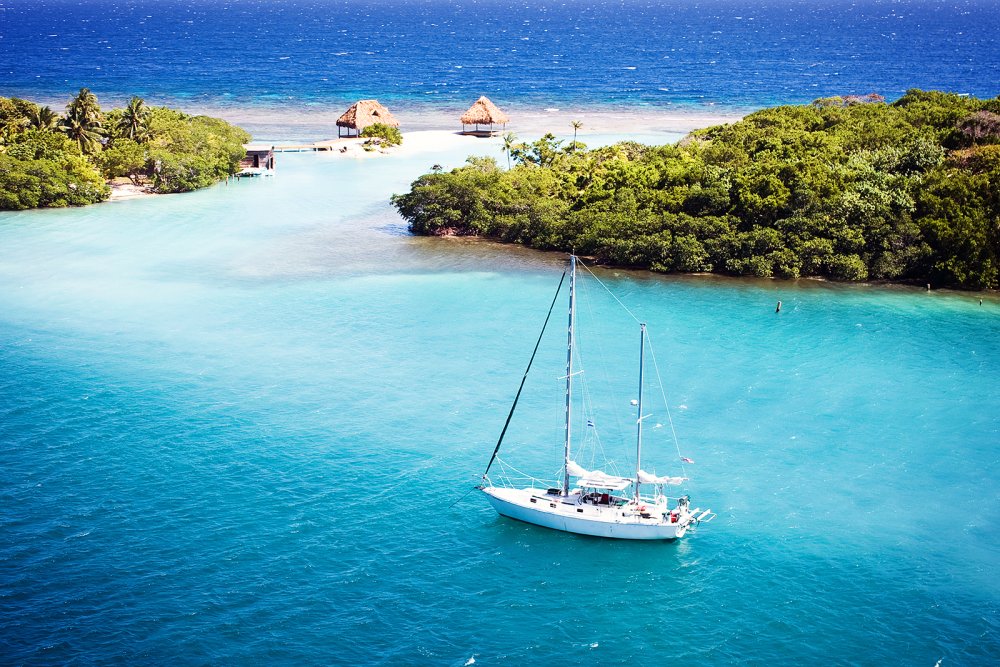
Only 30 miles/48 kilometers from mainland Honduras, scuba diving in Roatan is said by many to be among the best that the Caribbean and the Americas have to offer. Its ideal location, with hundreds of dive sites along with protected marine parks, has allowed seemingly infinite colorful corals and tropical species to thrive in excess.
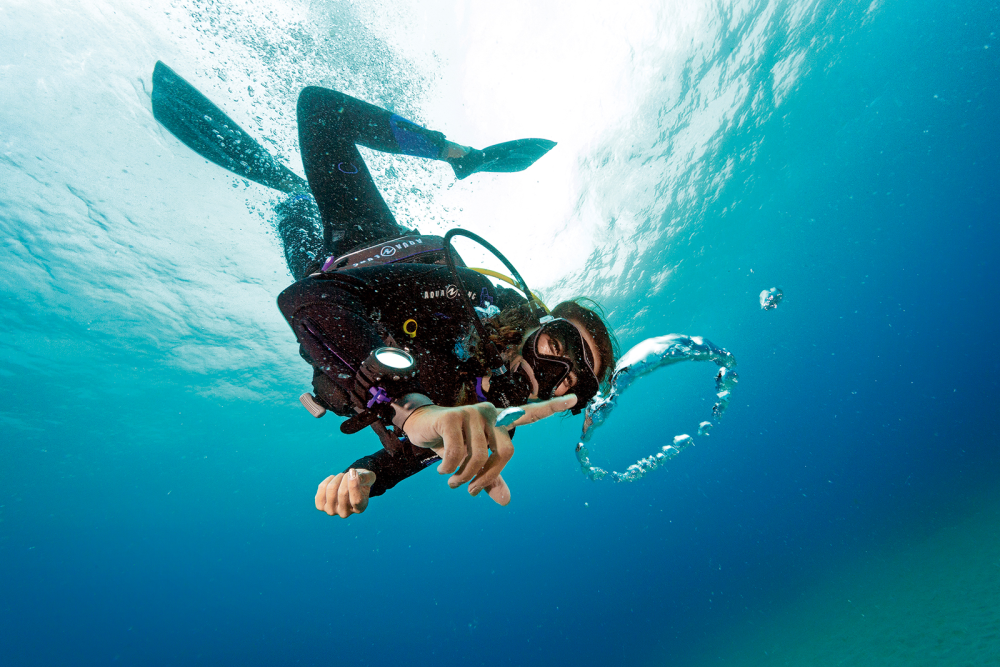
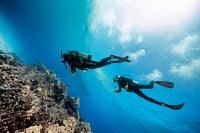
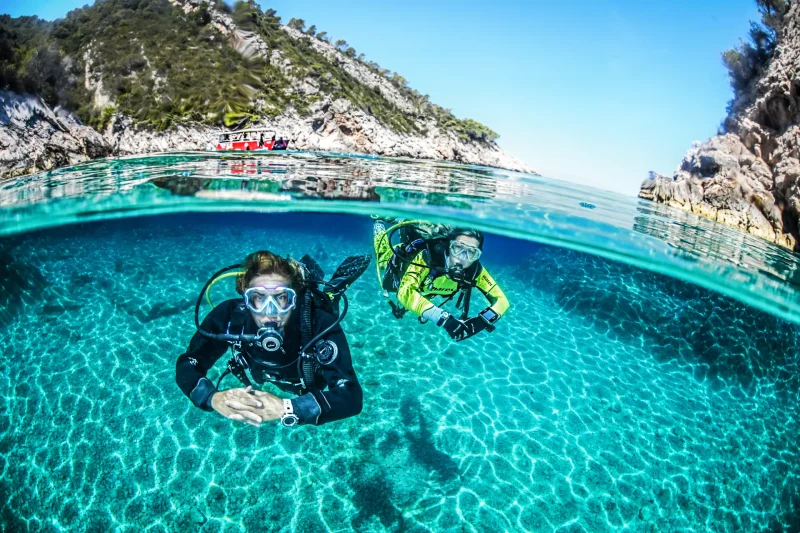
You’ll enjoy a wild yet relaxing experience underwater, where cruising over coral formations, diving on deep walls, gliding along with exhilarating currents, and exploring encrusted shipwrecks is just the beginning. In the West End area, there are over 50 dive sites alone, and on the South Shore, you can dive with curious reef sharks.
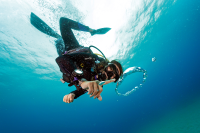
Divers are spoiled for choice by the sheer number of dive centers and dive resorts that cater to all budgets, and with diving suited to all skill levels, it’s a fantastic place to undertake dive courses, from entry level all the way up to professional level. If you opt for a liveaboard, you’ll also enjoy a memorable trip, where you’ll be taken to the best diving spots all around the Bay Islands and Cayos Cochinos.
There are plenty of diving locations all over Roatan. Sandy Bay offers uncrowded reefs away from the main tourist areas on the western tip of the island, while Palmetto Bay, West Bay, and West End promise a boatload of diving opportunities. Pristine Bay is also a great spot, and Coxen Hole, which offers great shark diving, is one of Roatan’s most popular diving destinations along with West End. At the East End, the scenic town of Punta Gorda similarly has impressive beaches and epic diving.
Roatan is typically characterized by vibrant, healthy coral reef diving, especially since the Mesoamerican Reef is within easy access. This reef spans more than 600 miles and can proudly be named the largest barrier reef in the Western Hemisphere, second only to Australia’s Great Barrier Reef.
Plus, with its sensational topography that allows for some exciting wall and drift diving opportunities, the island is surrounded by a fringing coral reef wall that slopes gently in some spots and drops vertically into the blue depths in others.
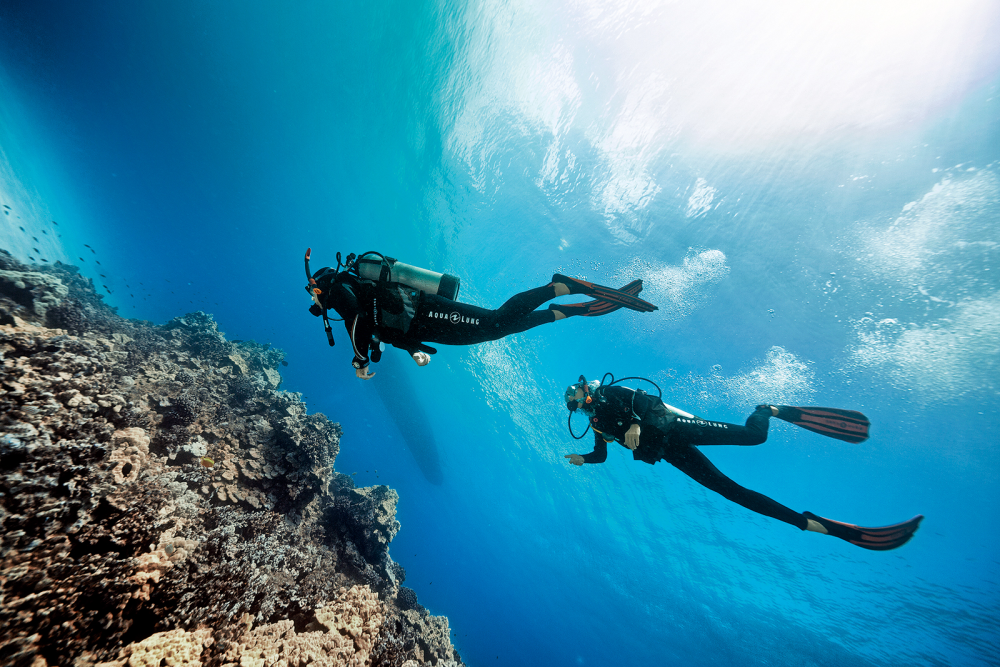
The great thing is that wall diving here is perfect for beginners and seasoned divers alike. At many sites, you can float along the reef edge and fly off the drop-offs, in addition to critter hunting in the wall’s nooks and crannies. Bucket list-worthy wall and drift sites include Texas, Pablo's Place, and West End Wall, which are conveniently situated on the western point of Roatan—one of the top diving spots on the island. On the West End, Half Moon Bay Wall is another exceptional wall site.
Roatan’s interesting seascapes have formed exciting tunnels, swim-throughs, and caves, making for some amazing cave diving experiences. At the West End, there are numerous canyons often filled with silver sides and other small baitfish. Blue Channel, Hole in the Wall, and Bear’s Den are excellent cave sites to put on your diving map.
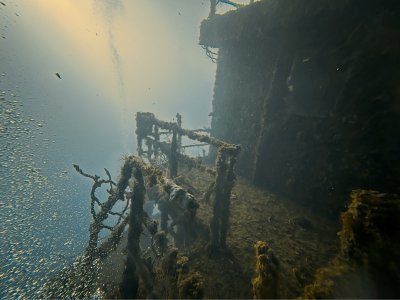
The several wreck dive sites on Roatan allow for wreck specialty training and attract shipwreck fanatics from all walks of life. The aging shipwrecks serve as artificial reefs, where encrusted corals coat their entirety and plenty of diverse species thrive. The El Aguila and The Odyssey are two of the most popular shipwrecks—you won’t regret a visit.
Warm temperatures ranging between 27°C–30°C/81°F–86°F allow for great diving year-round. The best time is usually April and May, when the dry season causes warm, sunny weather and the best sea conditions.
The rainy season runs from around July to January, though the wettest months are between October and January. Tropical rains usually pass quickly though, and sunny days occur frequently.
For whale shark encounters, any time of the year is possible, but February and April promise the highest chance.
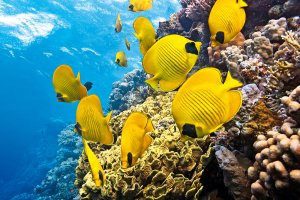
You’ll see every color of the rainbow on Roatan’s healthy reefs, where a variety of hard and soft coral species live in abundance. Flower, pillar coral, elkhorn and staghorn coral can be seen, along with massive sea fans and plenty of swaying anemones.
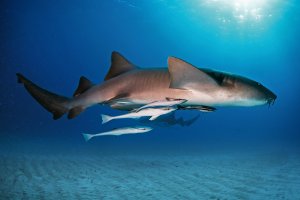
Whale sharks and mantas pass by Roatan occasionally, and hammerheads, and nurse sharks can be seen at some of the popular dive sites. Lucky divers might even encounter playful dolphins.
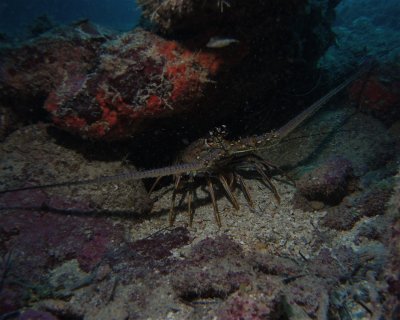
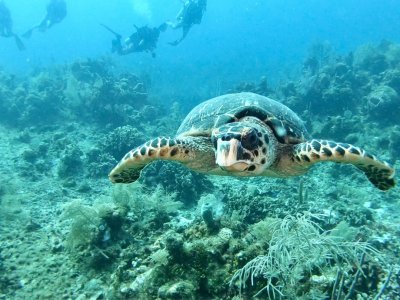
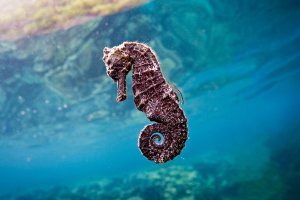
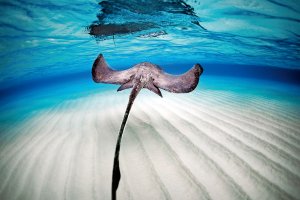
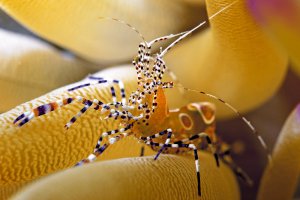
Caribbean reef sharks, rays, turtles, and moray eels thrive, and macro life includes seahorses, nudibranchs and many more.
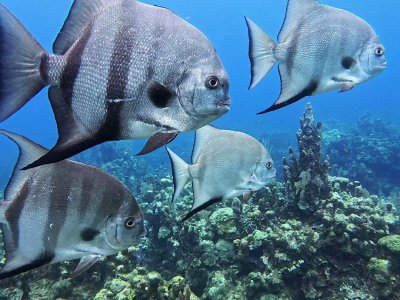
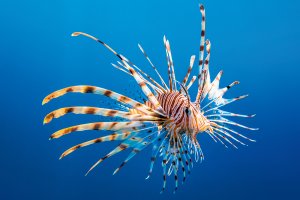
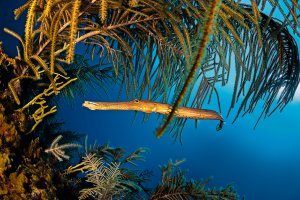
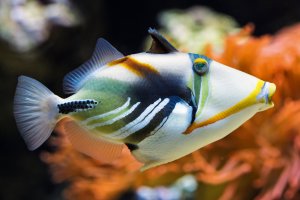
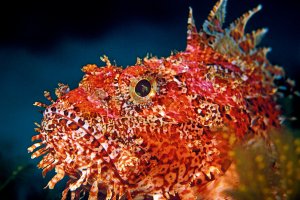
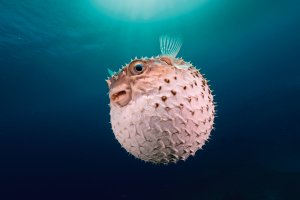
Other Caribbean reef species to encounter are groupers, trumpetfish, octopus, squid, grunts, wrasse, tang, pufferfish, wrasse and so many more. Barracuda and snapper and other schools of tropical fish are also present.
Wildlife Sightings are Based on User Generated Content
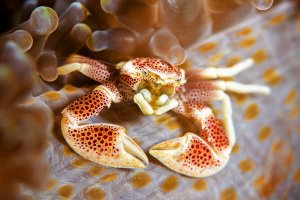
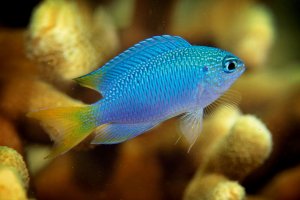
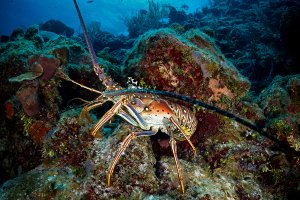
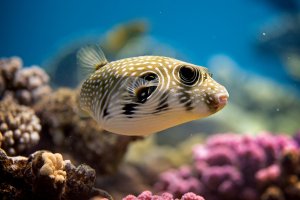
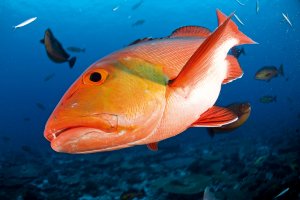
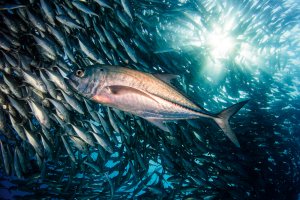
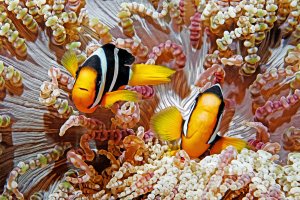
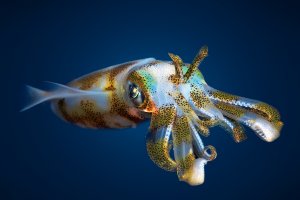
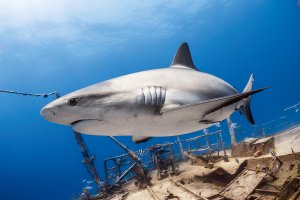
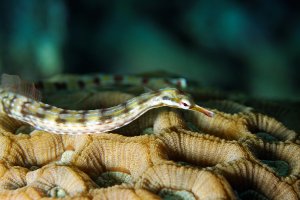
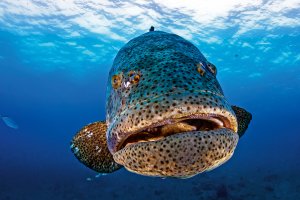
The image shown is a representative illustration and does not depict every individual animal in this category.
Total number of species approx.: 200
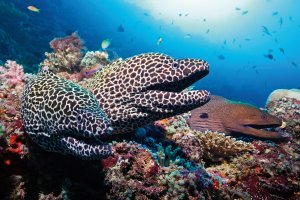
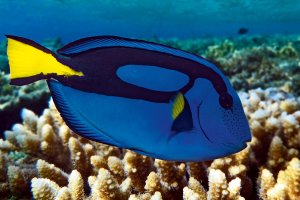
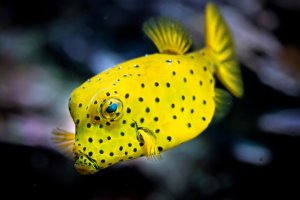
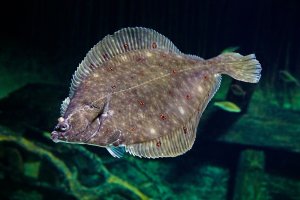
The image shown is a representative illustration and does not depict every individual animal in this category.
Total number of species approx.: 27
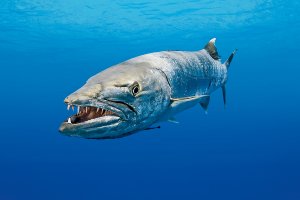
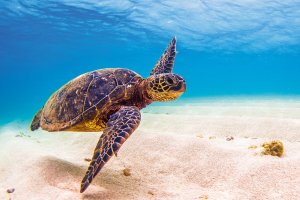
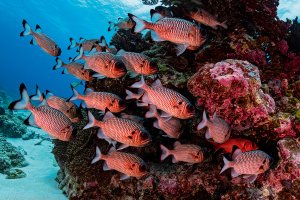
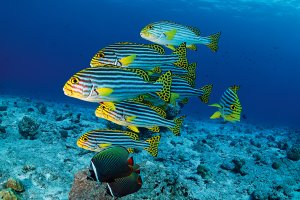
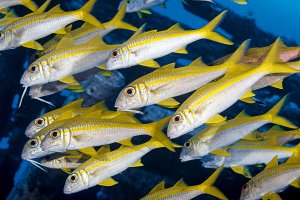
The image shown is a representative illustration and does not depict every individual animal in this category.
Total number of species approx.: 25
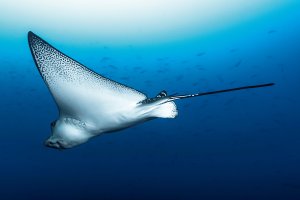
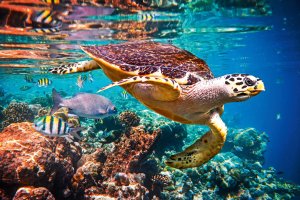
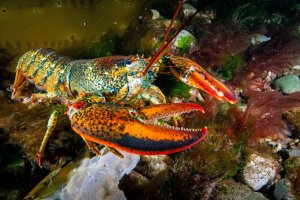
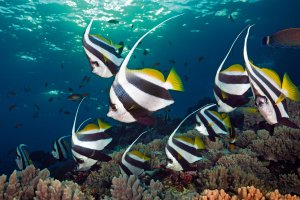
The image shown is a representative illustration and does not depict every individual animal in this category.
Total number of species approx.: 600
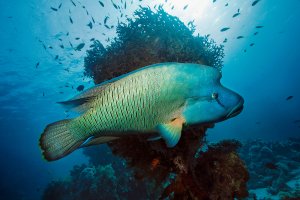
The image shown is a representative illustration and does not depict every individual animal in this category.
Total number of species approx.: 300
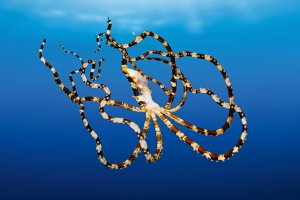
The image shown is a representative illustration and does not depict every individual animal in this category.
Total number of species approx.: 100
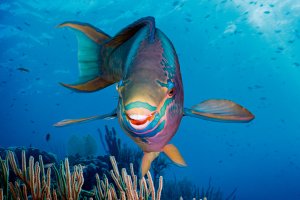
The image shown is a representative illustration and does not depict every individual animal in this category.
Total number of species approx.: 90
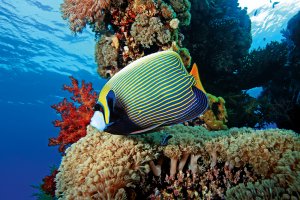
The image shown is a representative illustration and does not depict every individual animal in this category.
Total number of species approx.: 250
Curated by Interest
Mares
Aqualung
Shutterstock-Zi Magine
Mares-Predrag Vuckovic
Scubapro
Shutterstock-Ethan Daniels
Mares-Predrag Vuckovic
Mares-Bjoern Dorstewit

Airport transfers, 7 Nights of accommodations, welcome cocktail, 3 full meals daily, including dinner on arrival day and breakfast on departure day (normal hour),* daily breakfa...
Show Offer
Join Aquatic Sports in diving for our 10th+ year back at Cocoview Dive Resort in Roatan, Honduras! October 17th - 24th 2026. Call Aquatic Sports for more information! All dive l...
Show Offer
Situated on Roatan's south shore, Coco View Resort is perched on the edge of the world's second largest coral reef. Coco View has spectacular and convenient diving right at its'...
Show Offer
Airport transfers, 7 Nights of accommodations, welcome cocktail, 3 full meals daily, including dinner on arrival day and breakfast on departure day (normal hour),* daily breakfa...
Show Offer
Travel Dates: 5/8/27 - 5/15/27All-Inclusive Meals, Non-Alcoholic Beverages, Alcoholic Beverages5 Days of Diving. 16 Dives Total, Including 1 Night DiveFlights too and from...
Show Offer
Travel Dates: 5/8/27 - 5/15/27All-Inclusive Meals, Non-Alcoholic Beverages, Alcoholic Beverages5 Days of Diving. 16 Dives Total, Including 1 Night DiveFlights too and from...
Show Offer
Join Aquatic Sports in diving for our 10th+ year back at Cocoview Dive Resort in Roatan, Honduras! October 17th - 24th 2026. Call Aquatic Sports for more information! All dive l...
Show Offer
Situated on Roatan's south shore, Coco View Resort is perched on the edge of the world's second largest coral reef. Coco View has spectacular and convenient diving right at its'...
Show Offer
Airport transfers, 7 Nights of accommodations, welcome cocktail, 3 full meals daily, including dinner on arrival day and breakfast on departure day (normal hour),* daily breakfa...
Show Offer
Travel Dates: 5/8/27 - 5/15/27All-Inclusive Meals, Non-Alcoholic Beverages, Alcoholic Beverages5 Days of Diving. 16 Dives Total, Including 1 Night DiveFlights too and from...
Show Offer
Join Aquatic Sports in diving for our 10th+ year back at Cocoview Dive Resort in Roatan, Honduras! October 17th - 24th 2026. Call Aquatic Sports for more information! All dive l...
Show Offer