Explore the Great Lakes

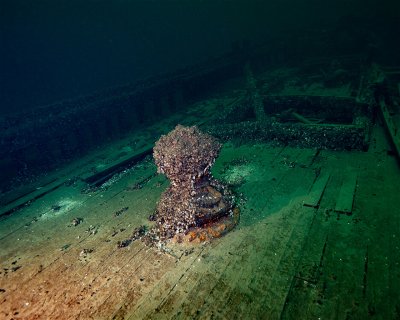
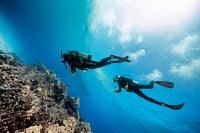
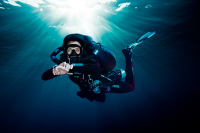
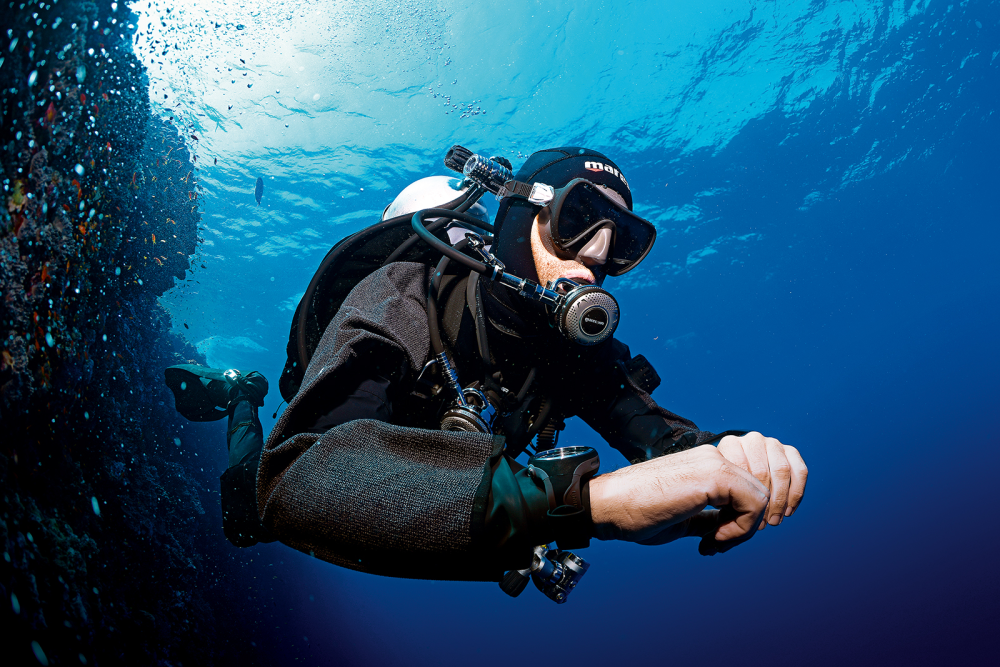
Diving in The Great Lakes presents a unique and adventurous experience for divers looking to explore beyond tropical waters. These five immense lakes—Lake Michigan, Lake Huron, Lake Superior, Lake Erie, and Lake Ontario—are renowned for their crystal-clear waters and an impressive collection of preserved shipwrecks. Unlike the typical saltwater dives, the freshwater environment of The Great Lakes offers a fascinating journey into maritime history. Divers can explore wrecks dating back to the 1800s, including wooden schooners and steel freighters, preserved by the cold, fresh waters. Lake Michigan and Lake Huron are particularly notable for their wreck diving opportunities, with many sites accessible within recreational diving depths, though a Deep Diver certification is recommended for deeper exploration. The cold water necessitates the use of a drysuit, but the reward is exceptional visibility and a chance to encounter unique freshwater species. The Great Lakes offer divers a distinctive blend of history, adventure, and natural beauty, providing a freshwater diving experience unlike any other.

Courses and Events

Dive Activity

Diving in The Great Lakes

The Great Lakes, a haven for diving enthusiasts, boast numerous dive sites rich in history and natural beauty. Lake Superior is home to the famous wreck of the Edmund Fitzgerald, drawing divers interested in maritime history. Meanwhile, Lake Huron's Thunder Bay National Marine Sanctuary offers a plethora of shipwrecks with exceptional visibility, providing a captivating glimpse into the past.

Shore diving is prevalent along the coastlines of Lakes Michigan and Erie, where divers can explore diverse underwater landscapes, from rocky formations to sandy habitats. Night dives in these lakes reveal the fascinating behaviors of nocturnal aquatic life, adding a touch of adventure. With options for both shore and liveaboard diving, the Great Lakes cater to divers of all experience levels, promising a varied and enriching experience.

Top Wildlife Sightings in The Great Lakes

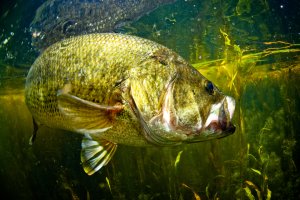
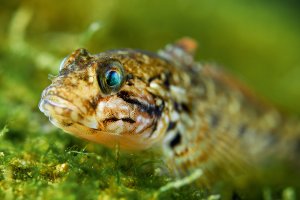
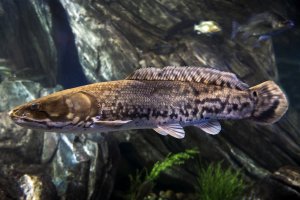
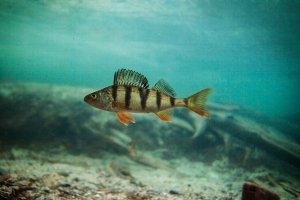
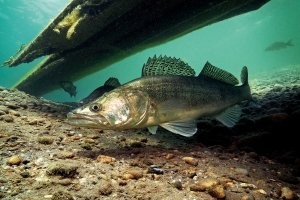
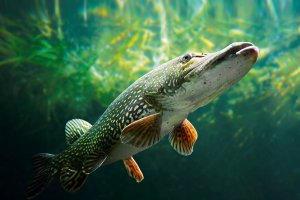
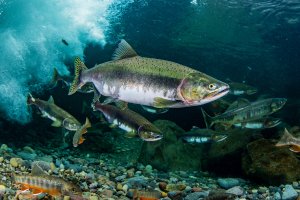
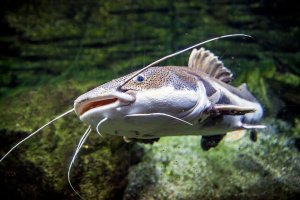
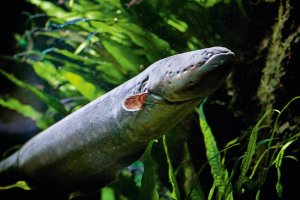
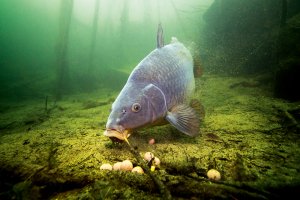
Divers exploring the Great Lakes can encounter a diverse array of freshwater wildlife. Common fish species include perch, walleye, and smallmouth bass. Special sightings may include the iconic lake sturgeon and large catfish, particularly in deeper waters where these species often reside. Seasonal spawning activities of fish like salmon can enhance the dive experience, offering unique opportunities to observe these events up close.

Visibility in the Great Lakes varies, generally improving during colder months when algae blooms subside. Depth also plays a role; deeper dives often yield encounters with less commonly seen species like sturgeon and larger catfish. Spring and fall offer prime opportunities for observing spawning behaviors, making these seasons particularly interesting for wildlife enthusiasts. Proper planning, considering these factors, can significantly enhance the diving experience.

Wildlife Sightings are Based on User Generated Content

The image shown is a representative illustration and does not depict every individual animal in this category.

Total number of species: 19

Bass

37 Sightings
J
0
F
0
M
0
A
0
M
0
J
1
J
8
A
14
S
8
O
5
N
1
D
0

Burbot

16 Sightings
J
0
F
0
M
0
A
0
M
0
J
3
J
6
A
2
S
4
O
1
N
0
D
0

The image shown is a representative illustration and does not depict every individual animal in this category.

Total number of species: 2000

Loach Goby

13 Sightings
J
0
F
0
M
0
A
0
M
0
J
0
J
3
A
3
S
3
O
3
N
1
D
0

The image shown is a representative illustration and does not depict every individual animal in this category.

Total number of species: 5

Pike

6 Sightings
J
0
F
0
M
0
A
0
M
0
J
1
J
0
A
3
S
1
O
1
N
0
D
0

The image shown is a representative illustration and does not depict every individual animal in this category.

Total number of species: 5

Walleye

5 Sightings
J
0
F
0
M
0
A
0
M
0
J
0
J
1
A
4
S
0
O
0
N
0
D
0

The image shown is a representative illustration and does not depict every individual animal in this category.

Total number of species: 3000

Catfish

5 Sightings
J
0
F
0
M
0
A
0
M
0
J
0
J
1
A
4
S
0
O
0
N
0
D
0

The image shown is a representative illustration and does not depict every individual animal in this category.

Total number of species: 16

Eel

4 Sightings
J
0
F
0
M
0
A
0
M
2
J
0
J
0
A
0
S
0
O
1
N
1
D
0

The image shown is a representative illustration and does not depict every individual animal in this category.

Total number of species: 3

Perch

3 Sightings
J
0
F
0
M
0
A
0
M
0
J
0
J
1
A
1
S
1
O
0
N
0
D
0

The image shown is a representative illustration and does not depict every individual animal in this category.

Total number of species: 7

Salmon

3 Sightings
J
0
F
0
M
0
A
0
M
0
J
0
J
0
A
0
S
2
O
0
N
1
D
0

The image shown is a representative illustration and does not depict every individual animal in this category.

Total number of species: 35

Trout

2 Sightings
J
0
F
0
M
0
A
0
M
0
J
0
J
0
A
0
S
0
O
2
N
0
D
0

The image shown is a representative illustration and does not depict every individual animal in this category.

Total number of species: 30

Carp

2 Sightings
J
0
F
0
M
0
A
0
M
0
J
0
J
0
A
1
S
0
O
1
N
0
D
0

The image shown is a representative illustration and does not depict every individual animal in this category.

Total number of species: 600

Crayfish

2 Sightings
J
0
F
0
M
0
A
0
M
0
J
0
J
2
A
0
S
0
O
0
N
0
D
0

The Top Months to dive in The Great Lakes

Diving in the Great Lakes offers unique experiences throughout the year. In summer, water temperatures range from 15°C–25°C/59°F–77°F, providing comfortable diving conditions. Visibility is generally good, often reaching up to 30 meters/98 feet, especially in Lake Superior and Lake Huron. The best months for diving are late spring to early fall, when water conditions are most stable.

In winter, temperatures drop significantly, leading to ice cover and reduced accessibility. Water temperatures can plummet to 0°C–4°C/32°F–39°F, and visibility may be hindered by sediment movement and ice. During colder months, diving may be restricted due to ice cover, making it essential to plan visits between May and September for optimal conditions.

Dive Centers

Dive Sites