Rasdhoo Atoll
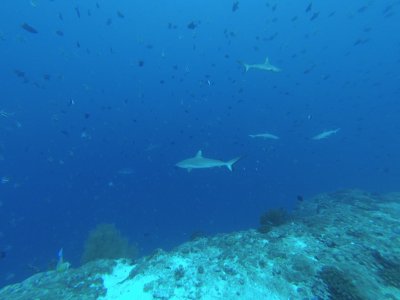
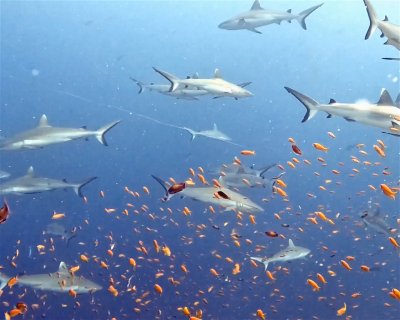
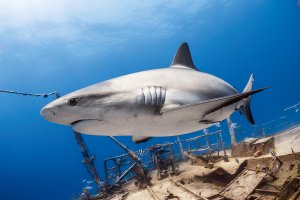
Rasdhoo offers the most beautiful beaches in the Maldives and you have the unique chance to swim with hammerhead sharks.
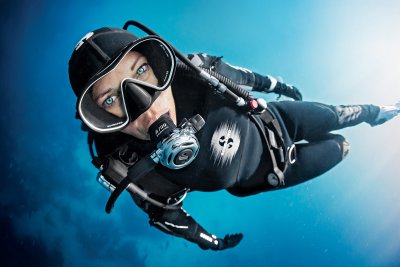
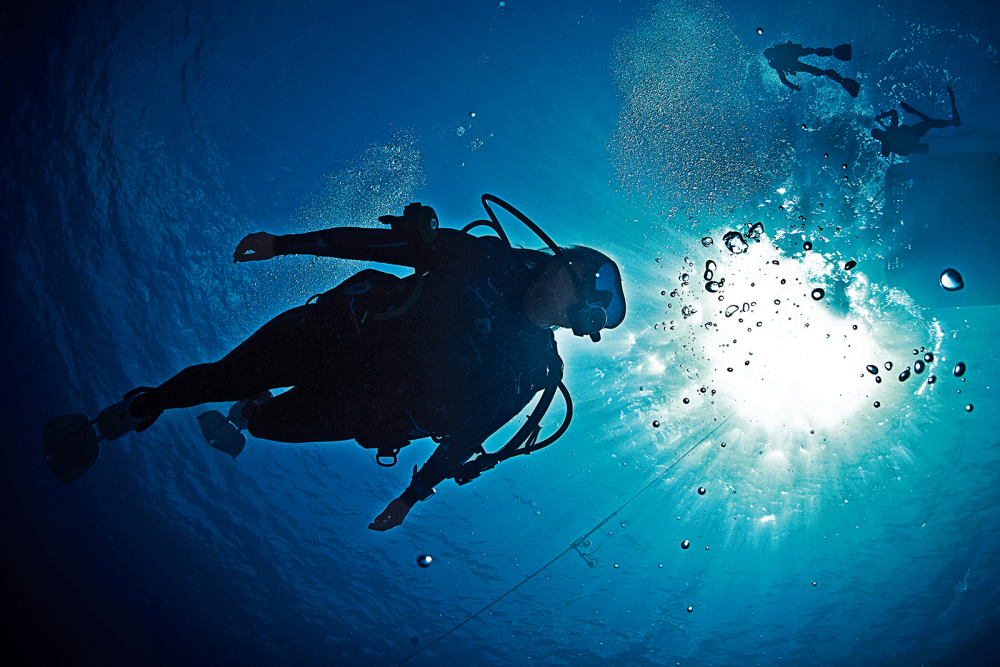
Diving in Alif Alif Atoll (North Ari Atoll) is diverse and possible for all levels. Located in the southern Central Maldives, it enjoys year round diving and an exciting opportunity to dive with pelagic giants like manta rays and whale sharks all year round. It is the most open to tourism and is considered the best diving in the Maldives by many. As there is a lot of choice, no matter if you prefer a liveaboard, dive resort or dive centre, there will be something to suit your needs here. It also includes the small Rasdhoo Atoll to the north, which is famous for its schooling hammerhead encounters.
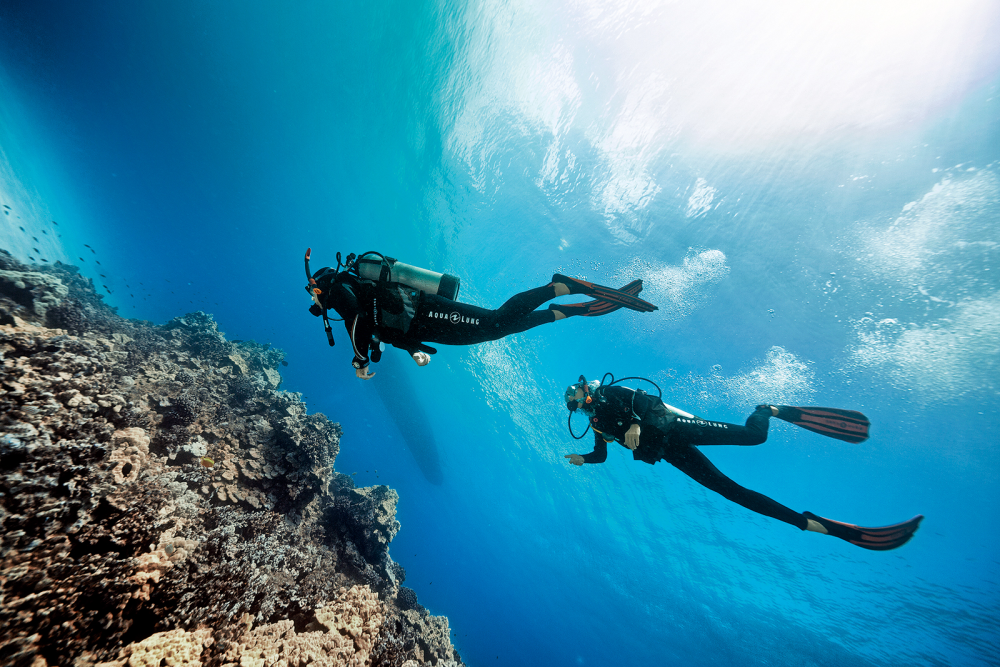
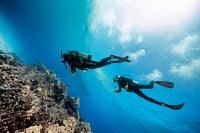
Diving in Alif Alif Atoll can be challenging at times but there is something on offer for all divers. The drift dives along reefs and thilas tend to be gentle and suitable for those who have little experience with drift diving. Overhangs and caves, usually found deeper on the reefs provide a playground for the more advanced diver. For the truly adventurous, and suitably experienced, the kandu drift dives can provide very strong currents. These currents yield large pelagic life which follow the smaller fish into the channels.
There are over 10 resort islands to choose from, most of which have a dive centre. There are also dive centres on some of the other, larger inhabited islands Ukulhas and Mathiveri. Dive courses are possible at any of these, some advanced courses may even be doable from a liveaboard. Liveaboards might be the best way to see all the dive sites and is also often the most economical way of diving. Some may have minimum requirements though, so check before you book.
Diving in Alif Alif Atoll can be challenging at times but there is something on offer for all divers. The drift dives along reefs and thilas tend to be gentle and suitable for those who have little experience with drift diving. Overhangs and caves, usually found deeper on the reefs provide a playground for the more advanced diver. For the truly adventurous, and suitably experienced, the kandu drift dives can provide very strong currents. These currents yield large pelagic life which follow the smaller fish into the channels.
There are over 10 resort islands to choose from, most of which have a dive centre. There are also dive centres on some of the other, larger inhabited islands Ukulhas and Mathiveri. Dive courses are possible at any of these, some advanced courses may even be doable from a liveaboard. Liveaboards might be the best way to see all the dive sites and is also often the most economical way of diving. Some may have minimum requirements though, so check before you book.
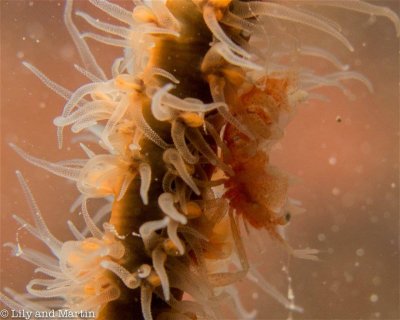
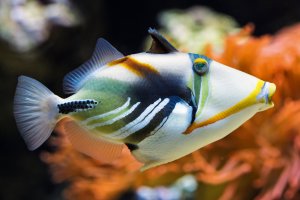
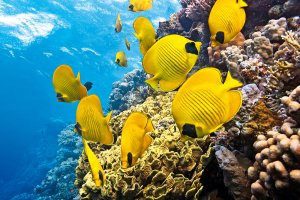
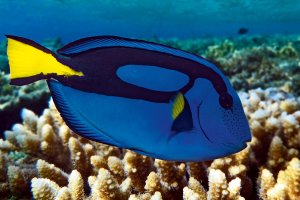
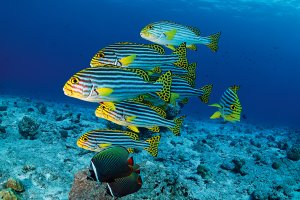
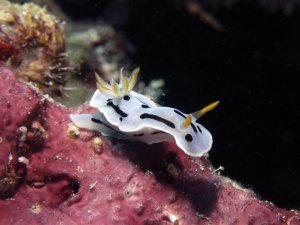
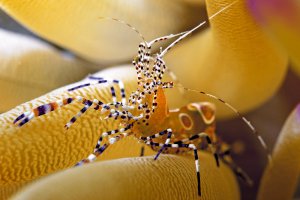
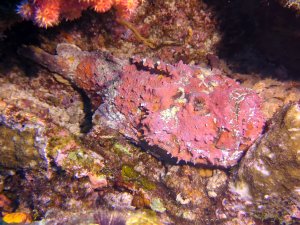
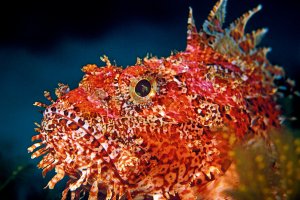
Compared to the reefs of other atolls, Alif Alif Atoll is not famed for its bright corals. Despite this, there is still lots to see on the reefs. Macro hunters will find nudibranch and shrimp galore amongst the rocks and corals. The masters of disguise frogfish, leaf fish and stone fish are present in abundance.
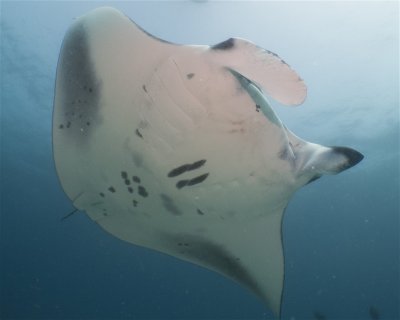
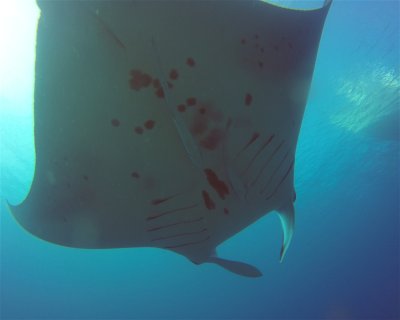
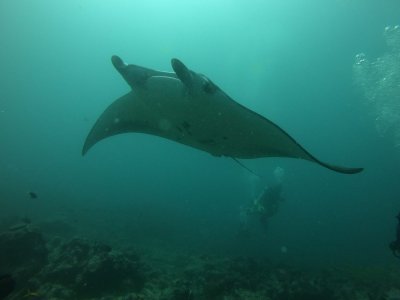
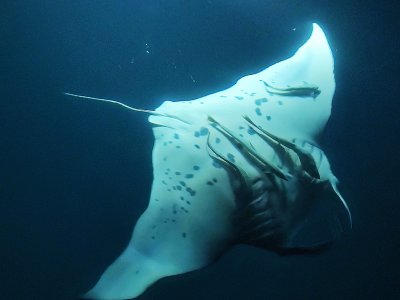
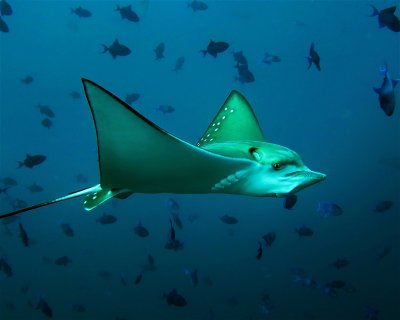
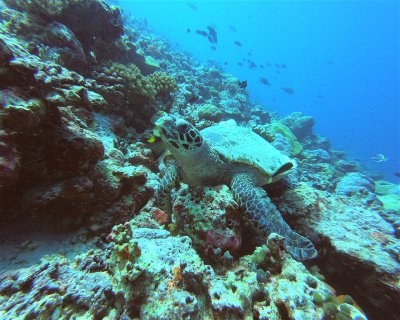
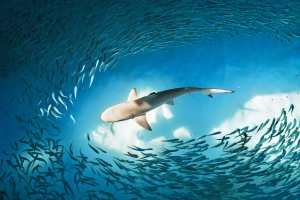
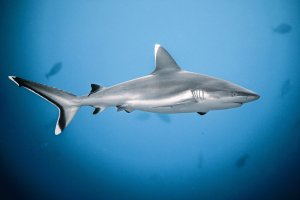
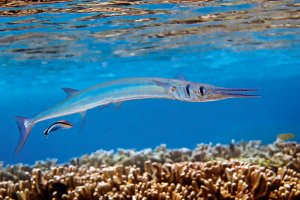
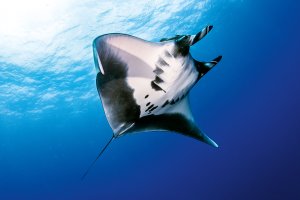
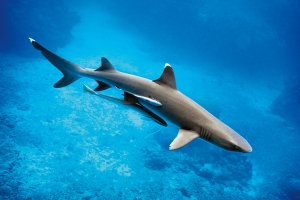
The real treats to see though, are the giant pelagic creatures. It is one of the only places in the Maldives with sightings of Whale Sharks and Manta Rays all year round, though they are more common during the monsoon months. Sightings of eagle rays, grey reef sharks, turtles and guitar sharks are all common too. Due to its proximity with Rasdhoo Atoll, hammerheads are frequent visitors, sometimes in huge, impressive schools.
Wildlife Sightings are Based on User Generated Content
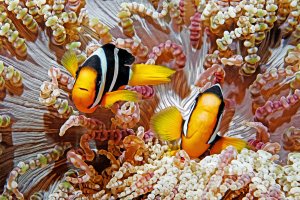
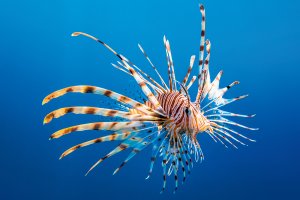
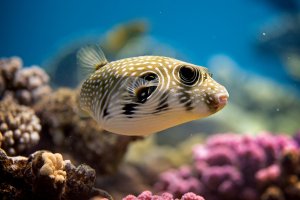
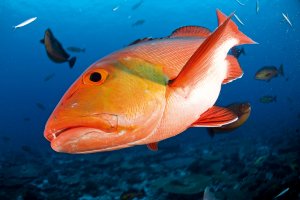
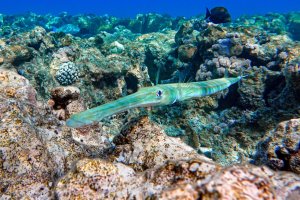
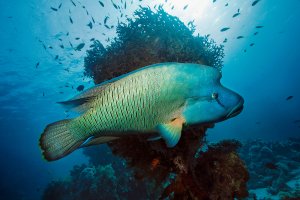
The image shown is a representative illustration and does not depict every individual animal in this category.
Total number of species approx.: 200
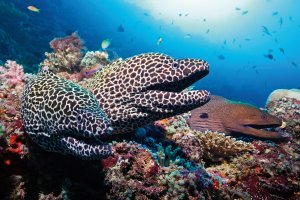
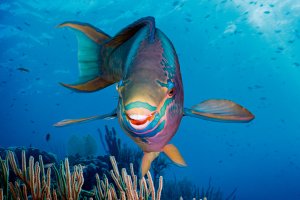
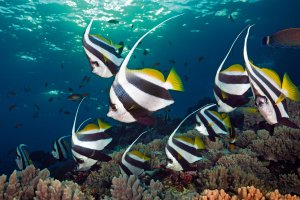
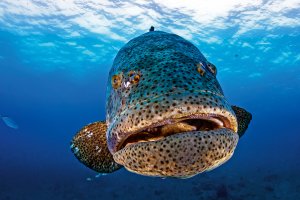
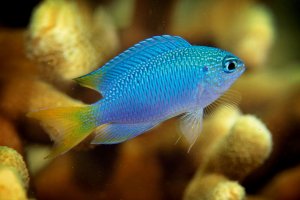
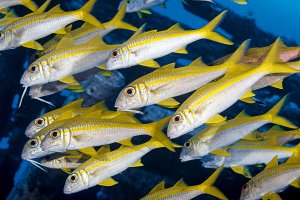
The image shown is a representative illustration and does not depict every individual animal in this category.
Total number of species approx.: 25
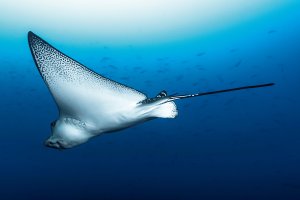
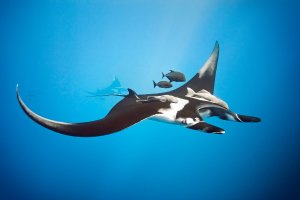
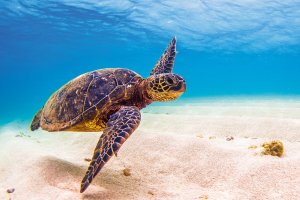
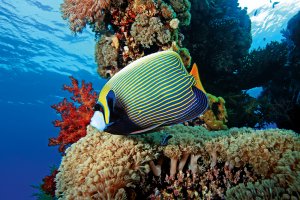
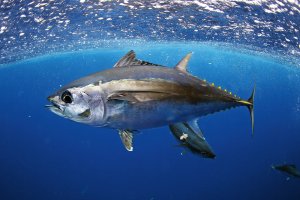
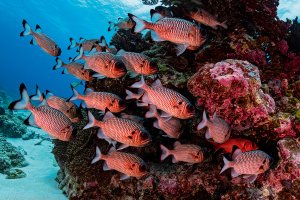
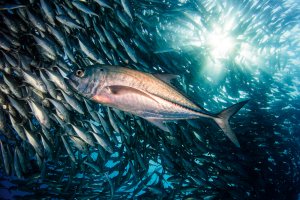
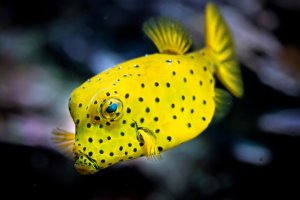
The image shown is a representative illustration and does not depict every individual animal in this category.
Total number of species approx.: 600
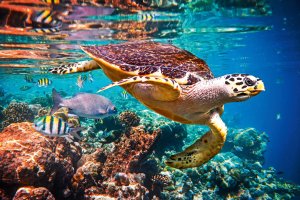
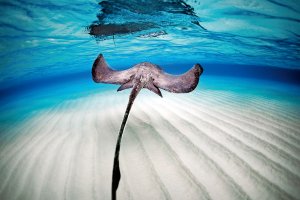
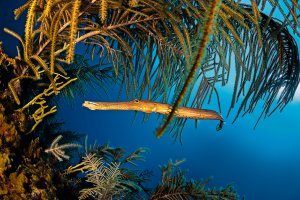
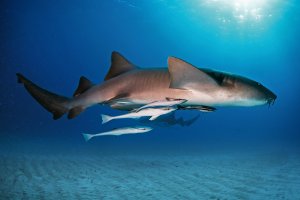
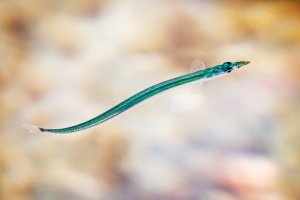
The image shown is a representative illustration and does not depict every individual animal in this category.
Total number of species approx.: 27
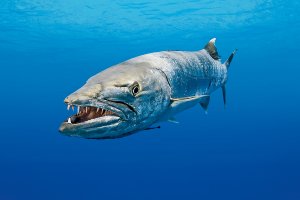
The image shown is a representative illustration and does not depict every individual animal in this category.
Total number of species approx.: 300
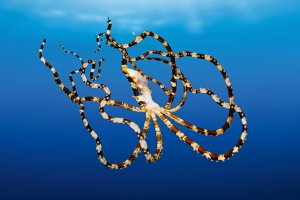
Curated by Interest
Mares
Aqualung
Shutterstock-Zi Magine
Mares-Predrag Vuckovic
Scubapro
Shutterstock-Ethan Daniels
Mares-Predrag Vuckovic
Mares-Bjoern Dorstewit

SSI Open Water Diver Course – Learn to Dive in the MaldivesBecome a certified scuba diver in one of the world’s most beautiful destinations with the SSI Open Water Diver Cou...
Show Offer
SSI Open Water Diver Course – Learn to Dive in the MaldivesBecome a certified scuba diver in one of the world’s most beautiful destinations with the SSI Open Water Diver Cou...
Show Offer