Pattaya
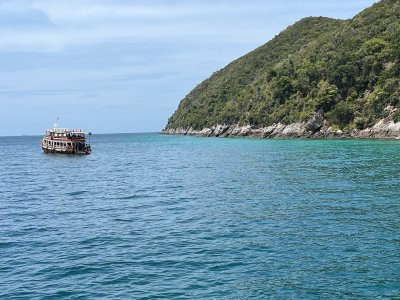
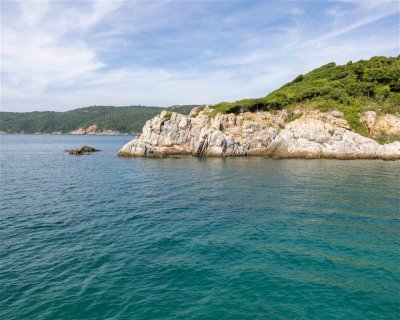
For the best Pattaya dive sites, you should head to the islands that are furthest from the shore.
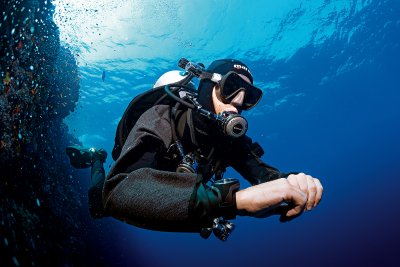
The eastern province of Chonburi in Thailand is one of the busiest beach destinations in the area, where the popular paradise getaway of Pattaya is situated. Thanks to its close proximity to Bangkok, it’s the perfect spot for city dwellers to escape to the coast, and great for those short on time to enjoy a quick trip to the heart of Thailand’s tropical scene. Boasting exciting nightlife, restaurants, shopping, and epic outdoor activities like water sports and diving, particularly around Jomtien and Naklua beaches, Chonburi promises a memorable stay.
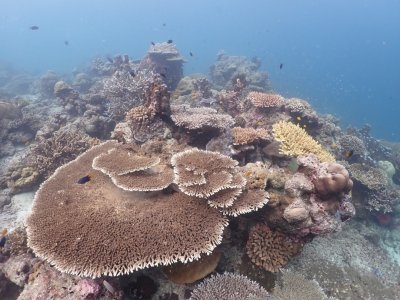
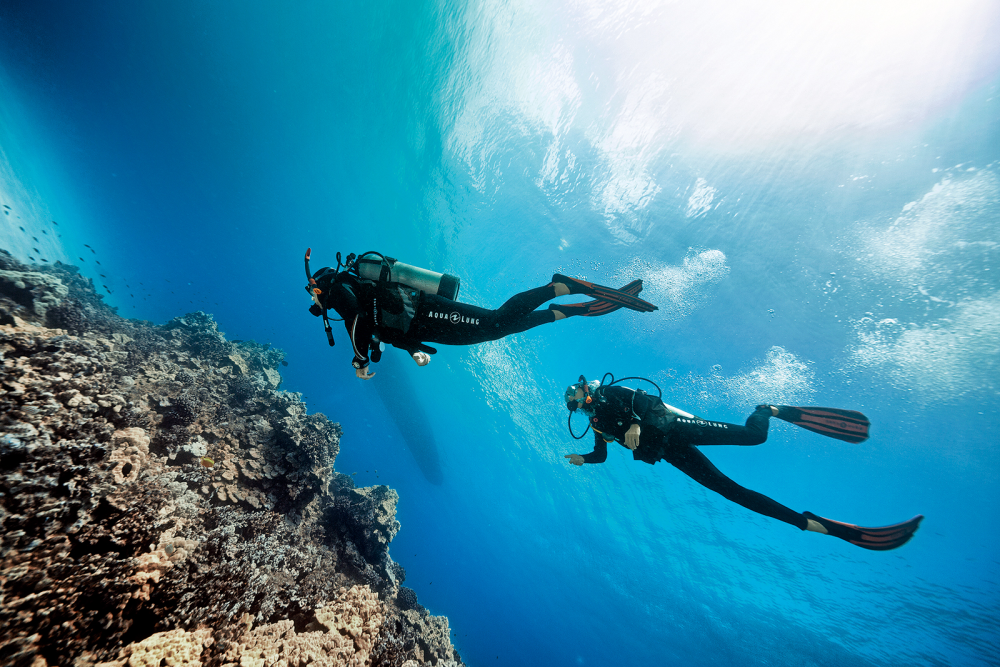
With the Gulf of Thailand bathing its pristine white sandy shores, Chonburi offers divers plenty of underwater adventures, including coral reefs, drop-offs, walls, deep pinnacles and shipwrecks. Pattaya is known as the wreck diving capital of Thailand, with as many as five famous shipwrecks to explore. The Pattaya Near and Far Islands have some of these wrecks, and also consist of vibrant coral reefs teeming with colorful critters. The Samae San Islands similarly feature unforgettable sites in their surrounding turquoise waters. Though they’re further away, they’re worth the journey, as it’s common knowledge that the reefs here pristine and thriving. There’s really no bad diving in these areas.
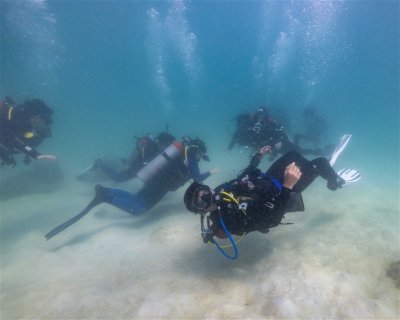
Dive centers and resorts are in abundance, catering to all budgets. Beginners will enjoy taking entry-level dive courses, while experienced divers can be treated to advanced training, like wreck, deep and drift. Many operators visit further afield destinations in the Andaman Sea, like the Phi Phi Islands, though these are usually done via two or three-tank day trips due to longer distances. Liveaboard cruises are also a great choice, and are a good way to dive multiple locations.
Scuba diving is possible all year in Chonburi, even during the monsoon season, thanks to warm ocean temperatures that average around 28°C–30°C/82°F–86°F. Visibility is normally good all year, ranging between 10–20 meters/33–66 feet. The dry season, running from November to April, involves the best diving conditions, like visibility that’s as clear as the sky, and mostly calm seas.
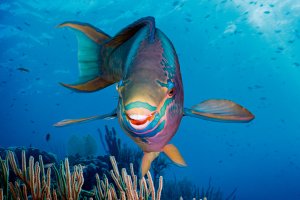
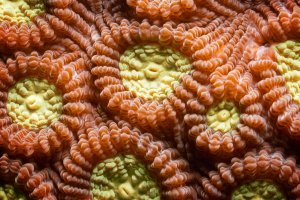
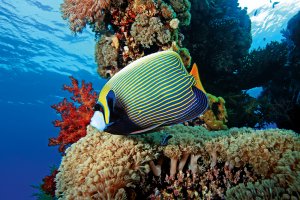
Chonburi, located along Thailand's eastern seaboard, offers a vibrant marine ecosystem typical of the Indo-Pacific region. Divers can expect to encounter a rich diversity of hard and soft corals, forming a colorful backdrop for the abundant reef fish. Common residents include butterflyfish, angelfish, and parrotfish, which thrive in these waters year-round.
Turtles are frequently sighted in Chonburi, making them a highlight for many visitors. Additionally, several species of reef sharks, such as the blacktip and whitetip, are present though sightings can vary. The season occasionally brings larger visitors, with the majestic whaleshark being a rare but thrilling encounter for the lucky ones. Rays, including blue-spotted and eagle rays, can also be seen gliding gracefully over the sandy seabed.
Wildlife Sightings are Based on User Generated Content
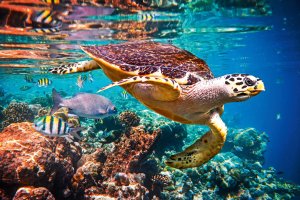
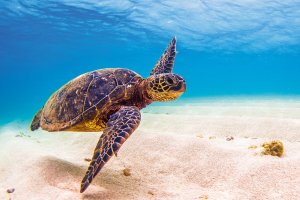
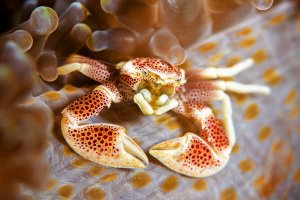
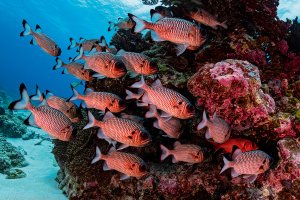
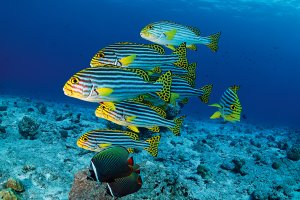
The image shown is a representative illustration and does not depict every individual animal in this category.
Total number of species approx.: 200
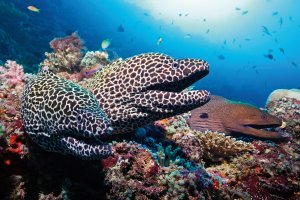
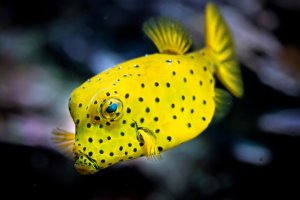
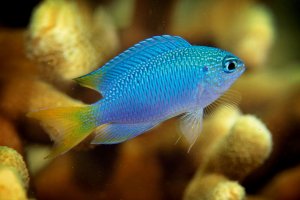
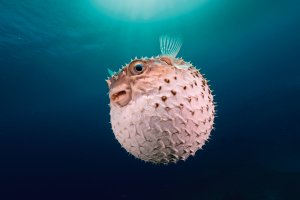
The image shown is a representative illustration and does not depict every individual animal in this category.
Total number of species approx.: 27
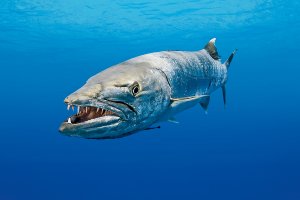
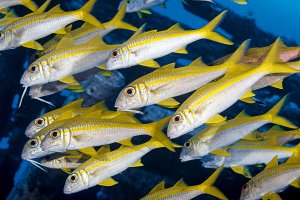
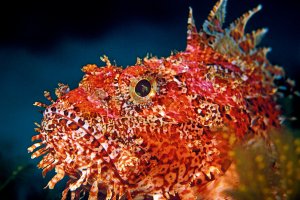
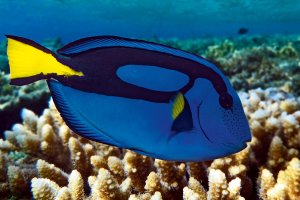
The image shown is a representative illustration and does not depict every individual animal in this category.
Total number of species approx.: 80
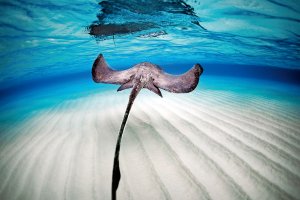
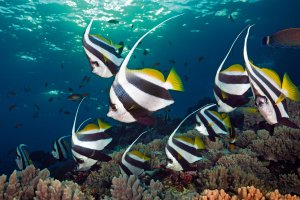
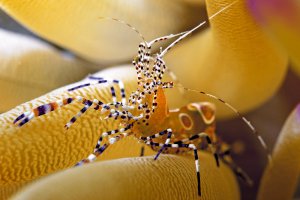
The image shown is a representative illustration and does not depict every individual animal in this category.
Total number of species approx.: 130
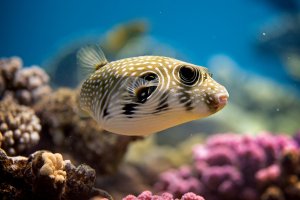
The image shown is a representative illustration and does not depict every individual animal in this category.
Total number of species approx.: 3000
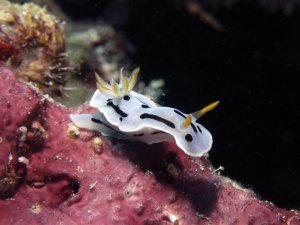
The image shown is a representative illustration and does not depict every individual animal in this category.
Total number of species approx.: 130
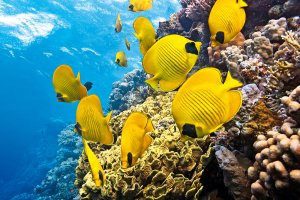
The image shown is a representative illustration and does not depict every individual animal in this category.
Total number of species approx.: 28
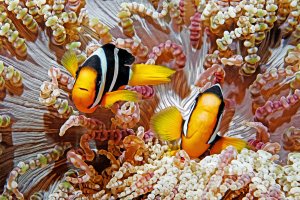
The image shown is a representative illustration and does not depict every individual animal in this category.
Total number of species approx.: 90
Curated by Interest
Mares
Aqualung
Shutterstock-Zi Magine
Mares-Predrag Vuckovic
Scubapro
Shutterstock-Ethan Daniels
Mares-Predrag Vuckovic
Mares-Bjoern Dorstewit
This globally recognized certification program is the best way to begin your lifelong adventures as a certified scuba diver. Personalized training is combined with in-water prac...
Show Offer
A trash-collecting trip to do good deeds during a special holiday
Show OfferThis globally recognized certification program is the best way to begin your lifelong adventures as a certified scuba diver. Personalized training is combined with in-water prac...
Show OfferThis globally recognized certification program is the best way to begin your lifelong adventures as a certified scuba diver. Personalized training is combined with in-water prac...
Show Offer
A trash-collecting trip to do good deeds during a special holiday
Show Offer
A trash-collecting trip to do good deeds during a special holiday
Show Offer


![Live aboard Losin [Thailand]](https://my.divessi.com/data/facility_pics/766634/events/22215/28369_91c0f048f35cb415_0_scaled_250.jpeg)