Leyte
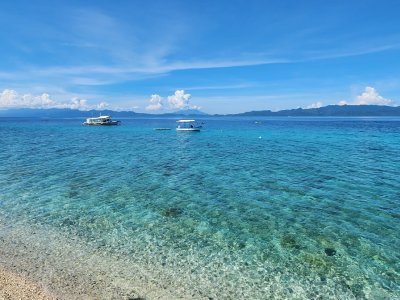
Leyte is an island located in the Eastern Visayas region of the Philippines. It can be tricky to get
 © iStock/Marc_Osborne
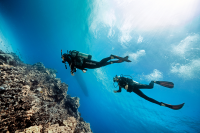
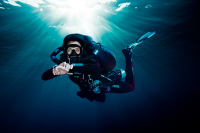
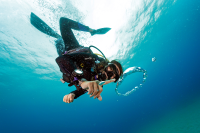
Diving in Eastern Visayas, a captivating region of the Philippines, offers an unparalleled underwater experience. Encompassing the islands of Leyte and Samar, this area is renowned for its crystal-clear waters that teem with vibrant marine life. Divers can explore thriving coral reefs, dramatic deep walls, and even encounter fascinating macro species. The region is a well-kept secret among diving enthusiasts, promising adventures away from the crowded spots, with its rich biodiversity and tranquil surroundings.
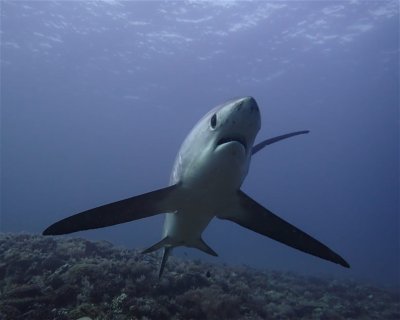
The region's waters are a sanctuary for pelagics, including the majestic whale sharks that grace the area, especially around Padre Burgos and Sogod Bay. Drift diving here is a thrilling experience due to the strong currents that sweep along the vibrant underwater landscapes. For those interested in diving styles, both shore and boat dives are available, catering to all levels from beginners to seasoned divers. With its diverse diving options, Eastern Visayas ensures a memorable dive adventure in a truly unique setting.
Accessing this diving haven is straightforward, with ferries from northern Cebu and transport links from Tacloban's airport providing seamless connections. Whether staying in luxury dive resorts or budget accommodations, divers will find hospitality that complements the awe-inspiring underwater sights. This region, with its seasonal highlights and secret spots, not only offers incredible diving experiences but also a glimpse into the beautiful natural world hidden beneath the Philippine seas.
Eastern Visayas offers some of the Philippines' most captivating dive sites. The waters around Leyte and Samar are renowned for their diverse underwater experiences. In Leyte, the Napantao Marine Sanctuary is a top shore dive, celebrated for its vibrant coral gardens and the chance to see rare marine species, including the elusive pygmy seahorse. For wreck dive enthusiasts, the waters near San Juan boast the historic remains of World War II ships, providing an adventurous exploration opportunity.
Liveaboard diving is popular, allowing access to remote sites like the stunning Limasawa Island, where divers can experience unique night dives with bioluminescent plankton. The balance between shore and liveaboard options ensures divers of all preferences have ample choice. From colorful reef dives to intriguing wreck explorations, Eastern Visayas promises unforgettable underwater adventures for both novice and experienced divers.
Diving in Eastern Visayas is favorable year-round, with water temperatures ranging from 26°C–29°C/79°F–84°F, ensuring comfortable dives. Visibility is typically good, ranging from 15–30 meters/49–98 feet, though it can be reduced during the rainy season. This region experiences the northeast monsoon from November to April, bringing cooler air and occasional rough seas which can affect diving conditions. The best diving conditions are generally from March to May, when the seas are calm and visibility is highest. However, diving is possible throughout the year, albeit with some caution during typhoon season, which peaks from June to November. Divers should stay informed of weather forecasts, as strong currents and winds can impact safety and enjoyment.
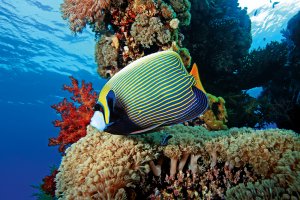
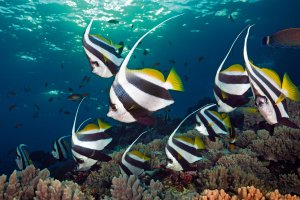
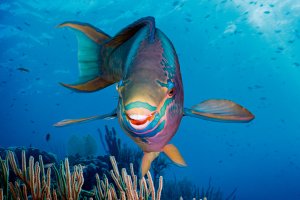
Eastern Visayas, a region in the Philippines, offers a diverse array of marine life, attracting divers from around the world. The coral reefs are teeming with common reef fish like parrotfish, clownfish, and butterflyfish. Additionally, divers can regularly encounter schools of jacks and snappers, especially around the vibrant coral formations. Seasonal highlights include sightings of whale sharks and manta rays, primarily from December to May. Sea turtles are also a frequent sight in these waters, with chances of encounters increasing near nesting sites from March to June. Some dive spots, like Sogod Bay, are particularly renowned for these majestic creatures, providing divers with thrilling experiences year-round.
Wildlife Sightings are Based on User Generated Content
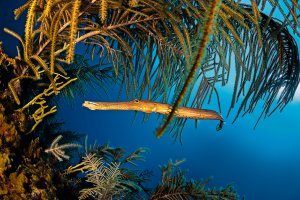
The image shown is a representative illustration and does not depict every individual animal in this category.
Total number of species approx.: 3
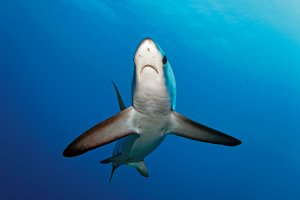
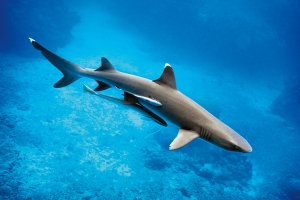
The image shown is a representative illustration and does not depict every individual animal in this category.
Total number of species approx.: 300
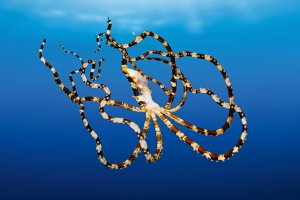
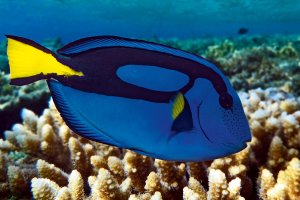
The image shown is a representative illustration and does not depict every individual animal in this category.
Total number of species approx.: 200
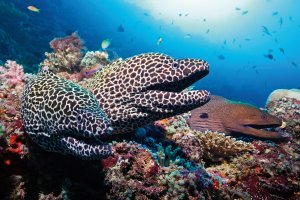
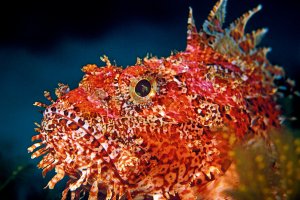
The image shown is a representative illustration and does not depict every individual animal in this category.
Total number of species approx.: 27
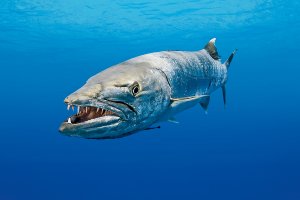
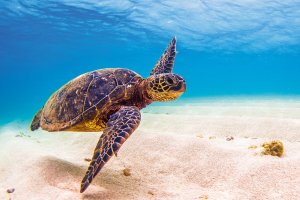
The image shown is a representative illustration and does not depict every individual animal in this category.
Total number of species approx.: 28
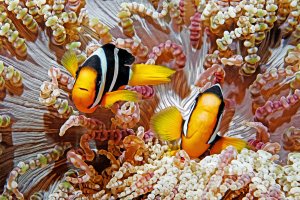
The image shown is a representative illustration and does not depict every individual animal in this category.
Total number of species approx.: 130
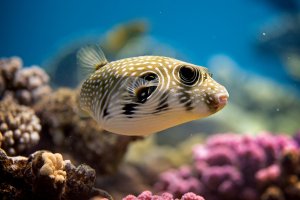
The image shown is a representative illustration and does not depict every individual animal in this category.
Total number of species approx.: 12
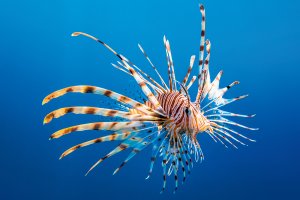
The image shown is a representative illustration and does not depict every individual animal in this category.
Total number of species approx.: 130
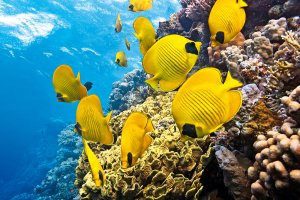
The image shown is a representative illustration and does not depict every individual animal in this category.
Total number of species approx.: 90