Explore Leyte

Leyte is an island located in the Eastern Visayas region of the Philippines. It can be tricky to get to, but there are direct flights from Manila to the airport in Tacloban, or you can take the ferry from Cebu. it is made up of Northern Leyte, Southern Leyte as well as the islands of Panaon to the south and Biliran to the north, which is connected to Leyte with a bridge.

The diving here is renowned as some of the best in the Philippines. It combines some of the best macro and muck diving in the world with some spectacular encounters with large pelagic life such as whale sharks, which migrate through the Sogod Bay area annually. Padre Burgos also offers one of the most diverse dive sites in the world with a staggering amount of life. 

Courses and Events

Dive Activity

Diving in Leyte

There is a bit of everything to see in Leyte’s diving scene. There are walls covered in corals, schooling fish, muck diving, macro life and huge pelagics. There can be strong drift dives but at other times the sea will be still and calm.

There are not so many dive centers in this area, though of course most dive courses are still possible. A couple of dive resorts operate, ranging in prices. A few liveaboards frequent the area too, but it is generally a very quiet area for diving.

Top Wildlife Sightings in Leyte

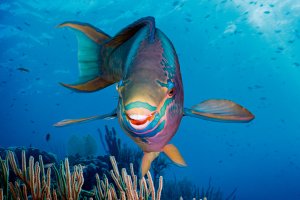
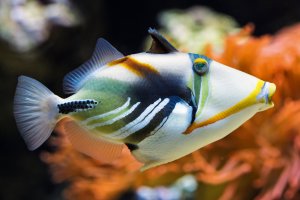
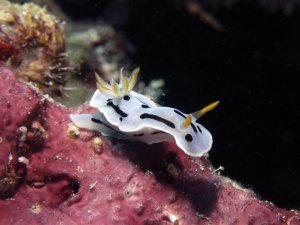
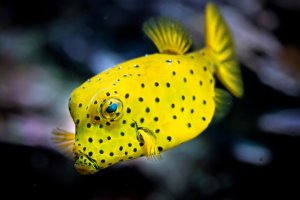
The superb muck diving along beautiful coral reefs here is the main draw for many. The huge array of nudibranch, pygmy seahorse and pipefish are perfect for photographers. Bigger species include turtles, napoleon wrasse, frogfish and other reef fish, which swim in between giant sea fans and other corals.

For pelagic lovers, this island offers divers a chance for a completely natural encounter with the world’s biggest fish - whale sharks. They migrate annually through the waters of Sogod Bay and though diving with them is regulated, you might be lucky enough to see one passing in the blue on some dive sites.

Wildlife Sightings are Based on User Generated Content

The image shown is a representative illustration and does not depict every individual animal in this category.

Total number of species: 3

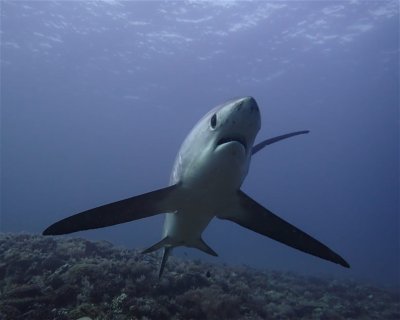
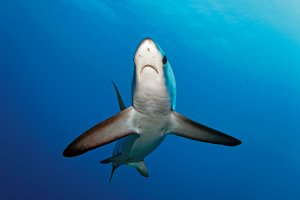
Thresher Shark

13k Sightings
J
1.8k
F
1.5k
M
1.6k
A
1.4k
M
1.1k
J
677
J
457
A
638
S
465
O
661
N
1.3k
D
1.4k

The image shown is a representative illustration and does not depict every individual animal in this category.

Total number of species: 300

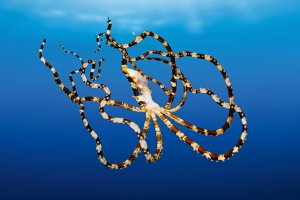
Octopus

1.1k Sightings
J
135
F
148
M
119
A
181
M
104
J
57
J
52
A
49
S
30
O
63
N
102
D
108

The image shown is a representative illustration and does not depict every individual animal in this category.

Total number of species: 27

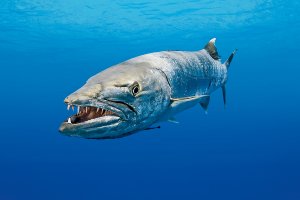
Barracuda

849 Sightings
J
90
F
67
M
86
A
91
M
51
J
48
J
30
A
107
S
46
O
71
N
85
D
77

The image shown is a representative illustration and does not depict every individual animal in this category.

Total number of species: 200

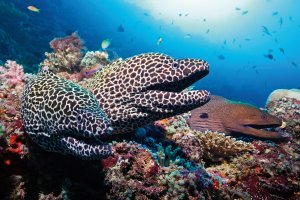
Moray Eel

777 Sightings
J
121
F
76
M
68
A
67
M
33
J
31
J
28
A
93
S
39
O
44
N
86
D
91

The image shown is a representative illustration and does not depict every individual animal in this category.

Total number of species: 28

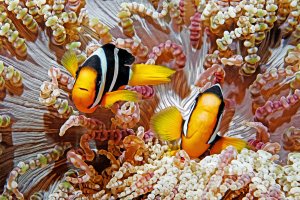
Clownfish

1.2k Sightings
J
137
F
155
M
82
A
123
M
46
J
67
J
35
A
85
S
66
O
92
N
143
D
149

The image shown is a representative illustration and does not depict every individual animal in this category.

Total number of species: 130

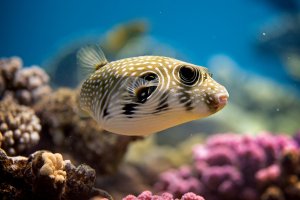
Pufferfish

1k Sightings
J
113
F
124
M
86
A
127
M
47
J
57
J
31
A
62
S
50
O
65
N
135
D
113

The image shown is a representative illustration and does not depict every individual animal in this category.

Total number of species: 12

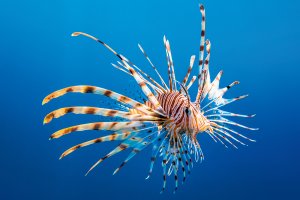
Lionfish

786 Sightings
J
98
F
95
M
45
A
64
M
42
J
38
J
27
A
94
S
55
O
42
N
96
D
90

The image shown is a representative illustration and does not depict every individual animal in this category.

Total number of species: 90

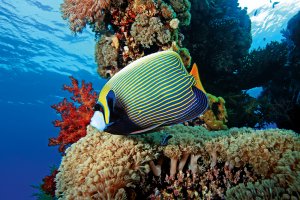
Angelfish

679 Sightings
J
100
F
74
M
31
A
56
M
18
J
31
J
13
A
87
S
36
O
57
N
77
D
99

The image shown is a representative illustration and does not depict every individual animal in this category.

Total number of species: 130

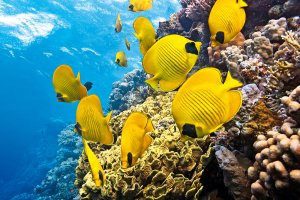
Butterfly Fish

674 Sightings
J
82
F
78
M
54
A
63
M
19
J
32
J
10
A
39
S
52
O
66
N
84
D
95

The best Months to dive in Leyte

Diving in Leyte is possible year round. The months between November and May are best for diving due to calm seas and low rainfall. This is also the best time to see whale sharks. Though the weather can be unpredictable for the rest of the year, with potential for typhoons in September/October, diving is still usually possible.

Dive Centers

Dive Sites