Explore Kaikoura

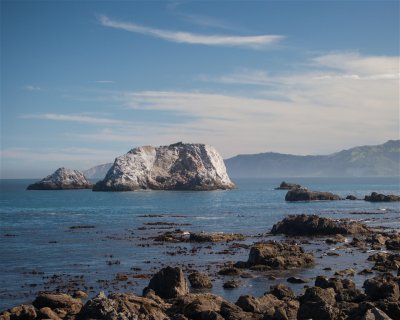
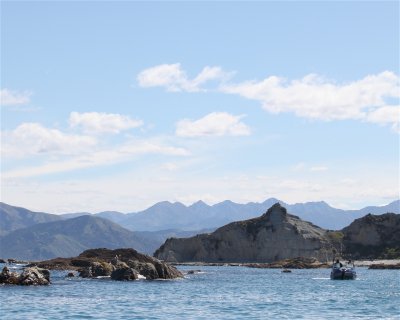
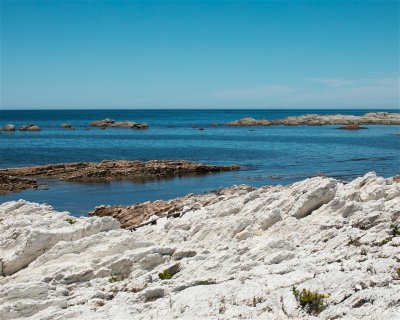
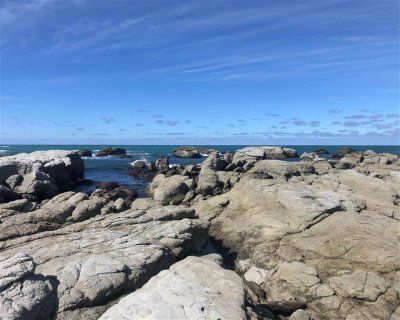
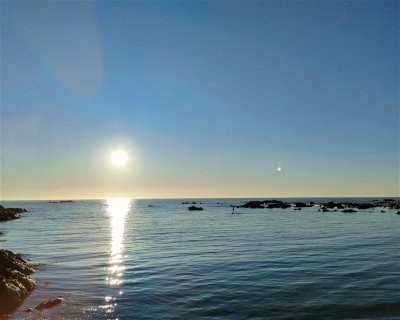
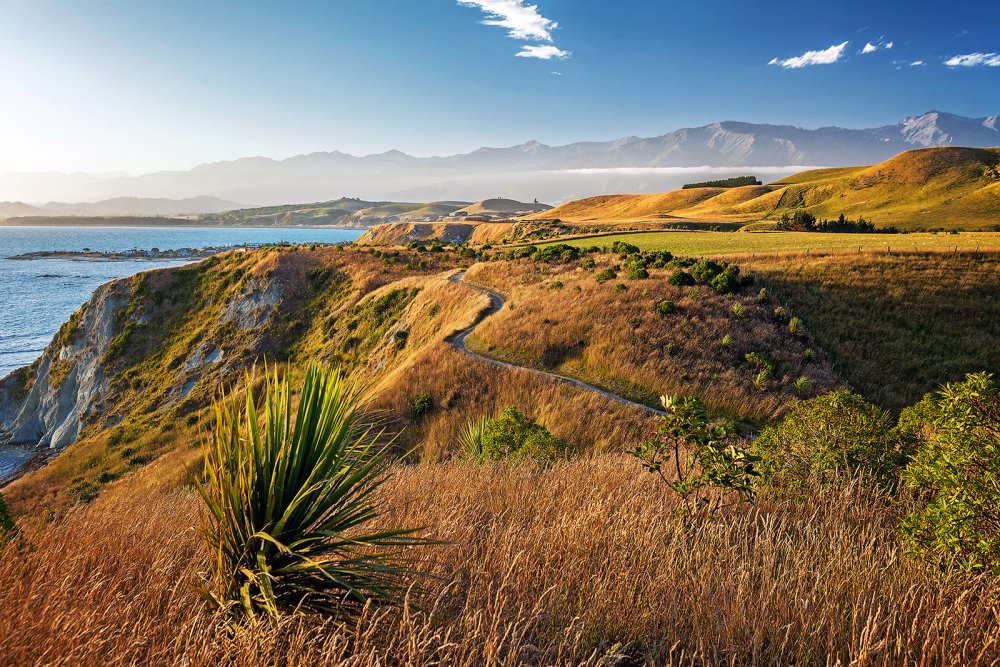
Found on the east coast of New Zealand’s South Island, is Kaikoura. Midway between Christchurch and Wellington, one of the most famous things about Kaikoura is its outstanding natural beauty. Looking out at the stunning South Pacific, it is a popular place for whale and dolphin watching.

Diving centres and diving resorts are thin on the ground in Kaikoura, though you won’t struggle to find someone to take you out for a dive. Diving courses are possible here but it is more common to undertake specialties such as drysuit diving, rather than introduction dives. 

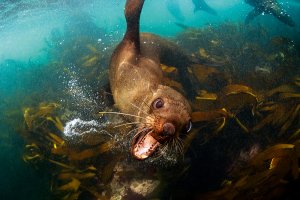
Highlights of diving in Kaikoura include the chance to dive with the curious and rambunctious fur seals, as well as exploring the undulating kelp forests.

Courses and Events

Dive Activity

Diving in Kaikoura

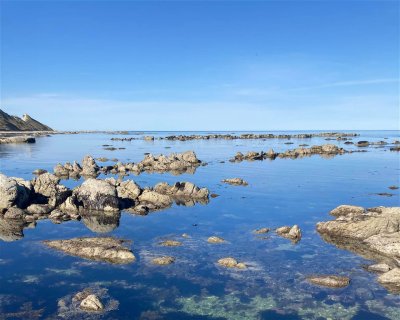
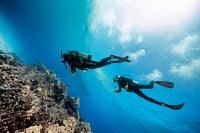
Kaikoura coastline is varied and stunning, creating many different dive sites to explore. One of the most famous landscapes is the impressive and eerie kelp forests, with their swaying green fronds, reaching up towards the light. Limestone reefs form the base for many sites which are home to various other corals, sponges and anemones. 

Most diving around Kaikoura is shore diving, though there are some options to go out on the boat too. It is possible to undertake beginner diving courses here but it is more frequently dived by experienced divers. One of the most popular courses, perhaps unsurprisingly, is the drysuit specialty which makes diving in these frigid waters a little more comfortable. 

Top Wildlife Sightings in Kaikoura

The most famous inhabitants of Kaikoura are the friendly fur seals. It is possible to swim with them on the surface and they are very playful with humans. Unsurprisingly, they are nicknamed the puppies of the sea due to their playful natures. 

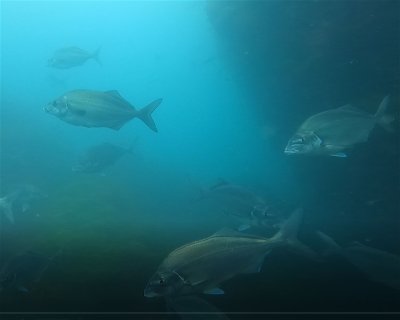
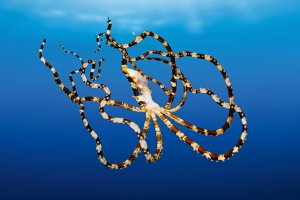
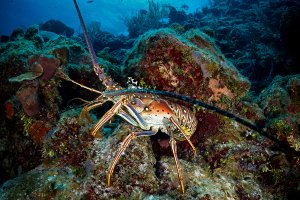
Meanwhile, on the rocky reefs, there are plenty of temperate species to keep divers happy. Cephalopods like octopus and cuttlefish camouflage into nooks while enormous crayfish peek out fearlessly at passing divers. Kelp forests hide a multitude of fish and other creatures, occasionally including sea dragons. Big schools of fish like blue cod and kingfish can be seen further out in the blue and the area is popular with spearfishing. 

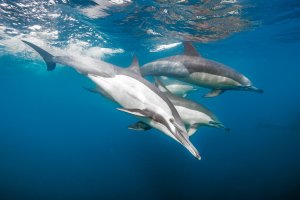
Bigger sea mammals are frequent sights in Kaikoura, an area popular for dolphin and whale watching. Sperm whales and large pods of dolphins are seen often, though not usually by scuba divers. 

Wildlife Sightings are Based on User Generated Content

The image shown is a representative illustration and does not depict every individual animal in this category.

Total number of species: 300

Octopus

100 Sightings
J
17
F
4
M
6
A
2
M
0
J
2
J
0
A
0
S
4
O
6
N
31
D
28

The image shown is a representative illustration and does not depict every individual animal in this category.

Total number of species: 600

Wrasse

38 Sightings
J
7
F
3
M
1
A
5
M
0
J
0
J
3
A
0
S
3
O
0
N
3
D
13

Common Dolphin

22 Sightings
J
3
F
2
M
3
A
6
M
0
J
0
J
0
A
0
S
1
O
0
N
2
D
5

The image shown is a representative illustration and does not depict every individual animal in this category.

Total number of species: 60

Spiny Lobster

88 Sightings
J
16
F
10
M
9
A
2
M
5
J
1
J
0
A
0
S
6
O
2
N
13
D
24

The image shown is a representative illustration and does not depict every individual animal in this category.

Total number of species: 3000

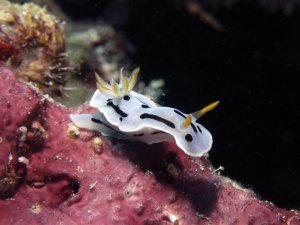
Nudibranch

61 Sightings
J
4
F
9
M
4
A
10
M
0
J
3
J
2
A
0
S
3
O
1
N
7
D
18

The image shown is a representative illustration and does not depict every individual animal in this category.

Total number of species: 9

Fur Seal

54 Sightings
J
7
F
5
M
6
A
4
M
1
J
0
J
0
A
0
S
3
O
1
N
12
D
15

The image shown is a representative illustration and does not depict every individual animal in this category.

Total number of species: 22

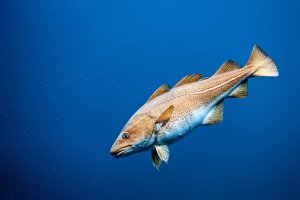
Cod

43 Sightings
J
7
F
2
M
0
A
7
M
2
J
0
J
0
A
0
S
4
O
2
N
3
D
16

The image shown is a representative illustration and does not depict every individual animal in this category.

Total number of species: 7000

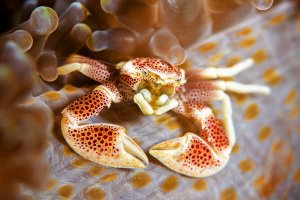
Crab

25 Sightings
J
5
F
1
M
0
A
0
M
3
J
0
J
0
A
0
S
3
O
1
N
1
D
11

The image shown is a representative illustration and does not depict every individual animal in this category.

Total number of species: 80

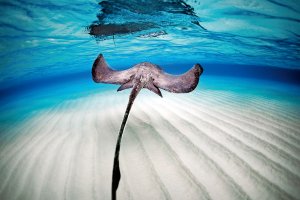
Stingrays

7 Sightings
J
2
F
1
M
0
A
0
M
3
J
0
J
0
A
0
S
1
O
0
N
0
D
0

The image shown is a representative illustration and does not depict every individual animal in this category.

Total number of species: 55

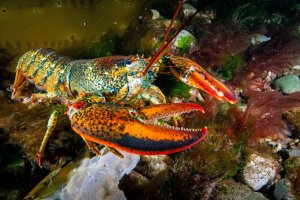
Lobster

6 Sightings
J
0
F
0
M
0
A
0
M
2
J
0
J
0
A
0
S
3
O
0
N
0
D
1

The image shown is a representative illustration and does not depict every individual animal in this category.

Total number of species: 250

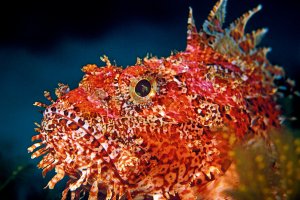
Scorpionfish

5 Sightings
J
1
F
0
M
0
A
0
M
2
J
0
J
0
A
0
S
0
O
1
N
0
D
1

The image shown is a representative illustration and does not depict every individual animal in this category.

Total number of species: 250

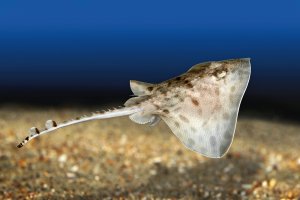
Skate Fish

5 Sightings
J
0
F
0
M
0
A
0
M
0
J
0
J
0
A
0
S
1
O
0
N
0
D
4

The best Months to Dive in Kaikoura

Diving in Kaikoura is possible year round. Though the waters are cold, they are cold all year round so the only difference winter makes is the temperature of the air when you surface. Air temperatures peak at around 19°C/66°F in December and January and plummet to about 6°C/43°F in August. The water temperatures vary between 10°C–16°C/50°F–61°F yearly, so diving with a thick wetsuit or drysuit is essential at all times. Rain is frequent in Kaikoura but it doesn’t affect the diving. The summer months when the air temperatures are at their warmest are the most pleasant times to dive.

Dive Centers

Dive Sites