Losinj
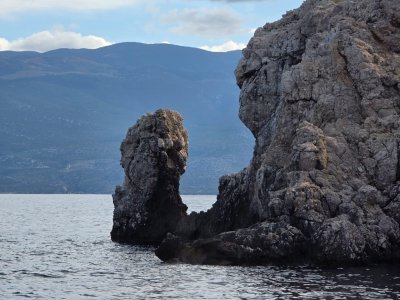
Lošinj is an island of Croatia, which lies in the North Adriatic Sea. It is well known due to its l
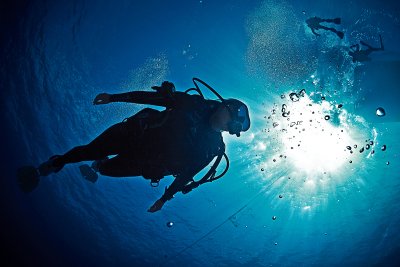
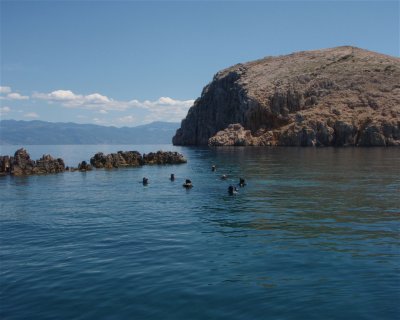
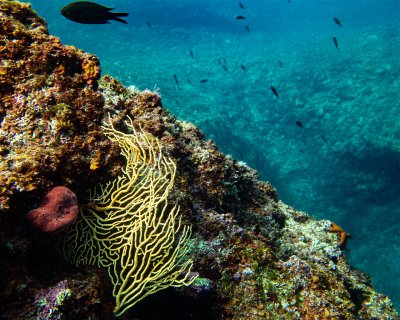
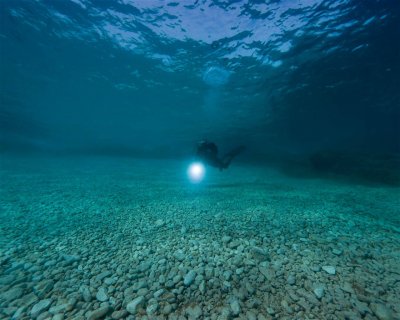
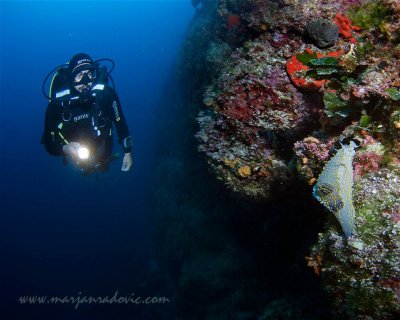
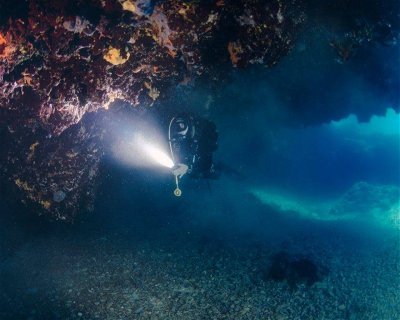
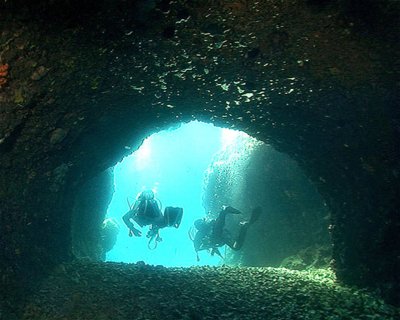
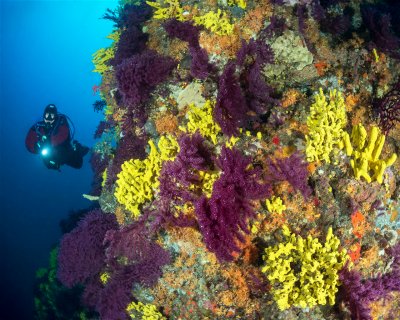
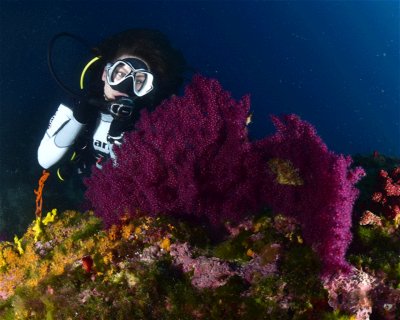
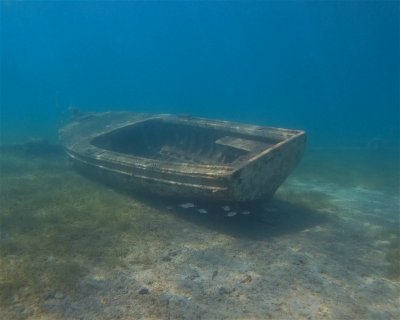
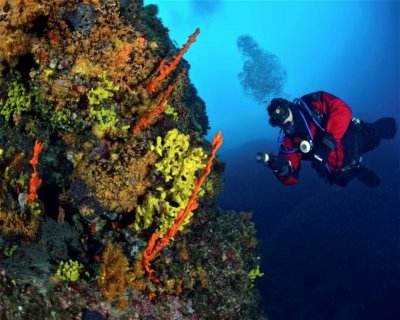
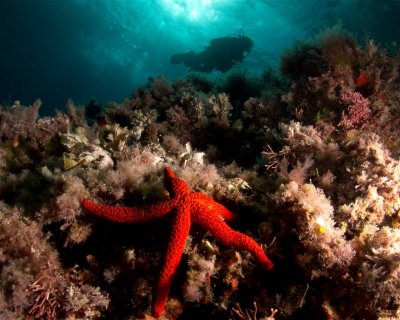
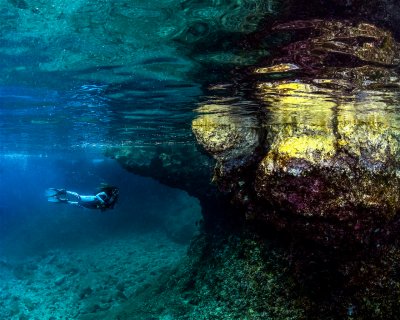
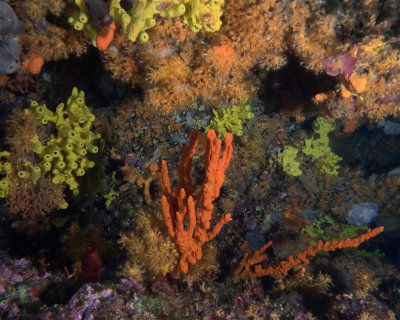
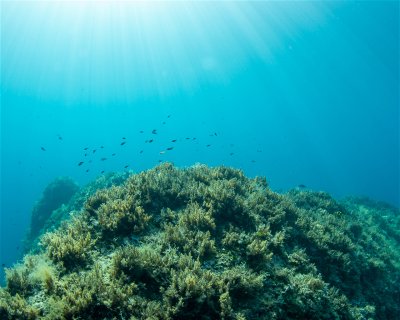
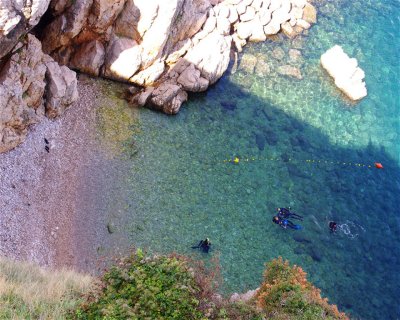
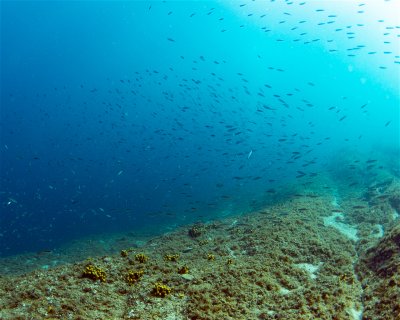
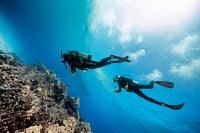
Kvarner Bay is located on the south coast of Croatia, in the North Adriatic Sea, and harbours many islands surrounded by clear, turquoise waters, teeming with life, for divers to plunge into and enjoy. There are many locations that divers can visit to go diving here with some of the top destinations being Krk Island, Cres Island, Kostrena municipality, Losinj Island and Rab Island. Rjeka is a port ton in Kvarner Bay and is known to be the gateway to all of these islands for diving. Two other coastal towns which are worth a visit in this region are Selce and Crikvenica. What attracts many divers here are the following factors; good visibility and calm waters which are protected by the bay, a selection of different rocky formations and topography, a handful of shipwrecks and a multitude of marine life which is almost guaranteed to be the highlight of almost every dive.
The weather here is very seasonal. Croatia has a Mediterranean climate which means hot summer winters with a lot of rain. The air temperatures here range between a cold 8°C in the midst of winter and reaches up to 26°C in the summer. The peak diving season lies between May and September. The water temperature here ranges between 12°C and 24°C and the visibility is on average good throughout the year and ranges between 10 metres and 35 metres on the best days.
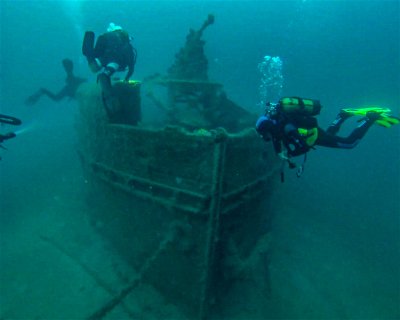
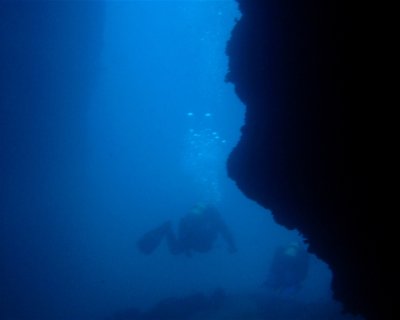
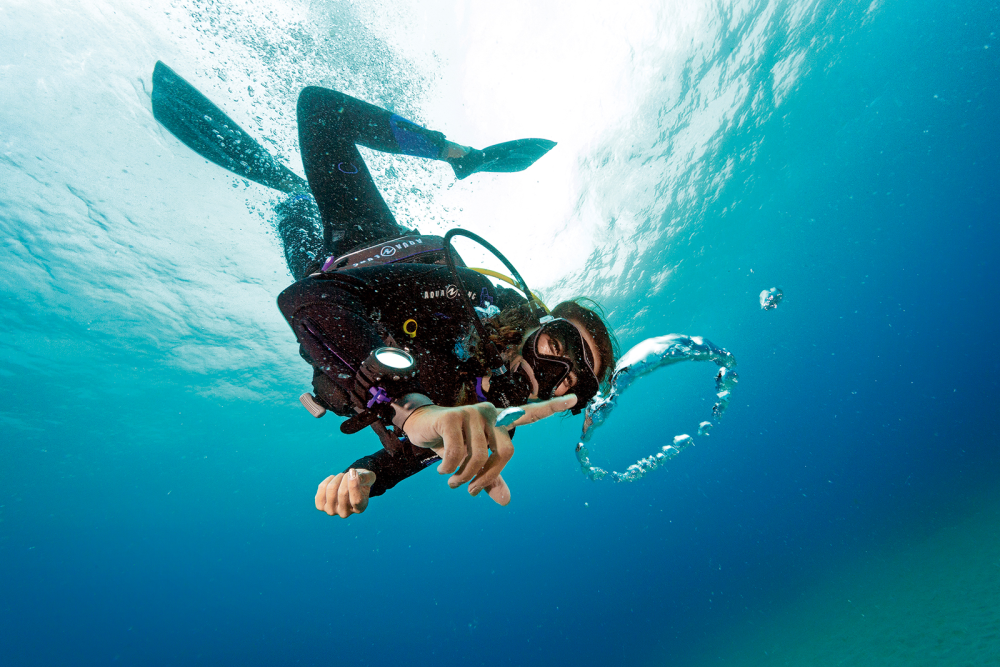
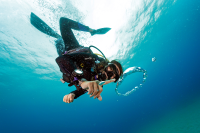
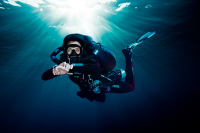
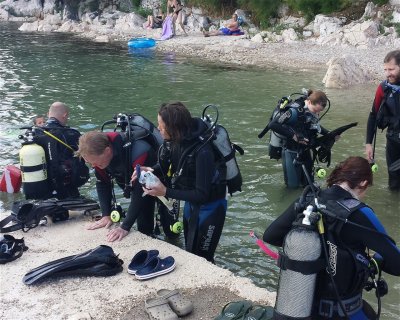
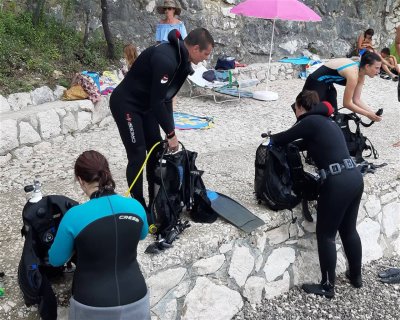
When it comes to the types of diving to be done here, there are stunning shallow dive sites for the more novice divers, or deep shipwrecks for technical divers. Each of the islands and towns mentioned above each have their own expert dive centres in the region who can guide divers to the best of the best diving spots.
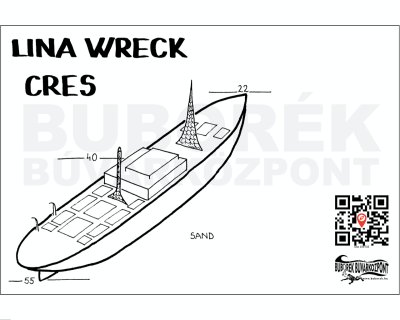
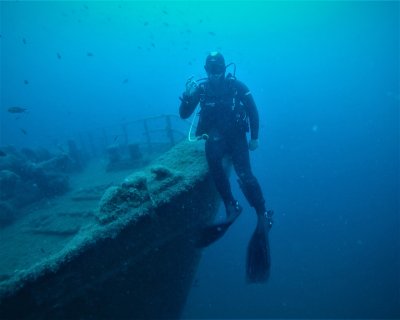
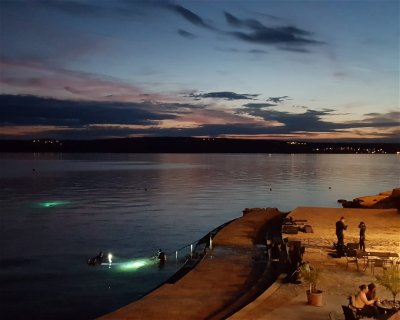
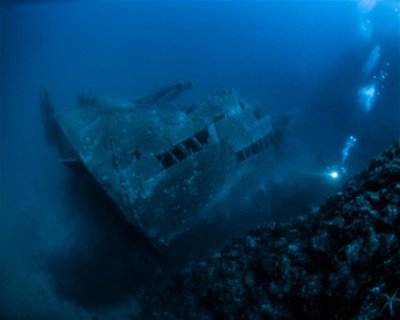
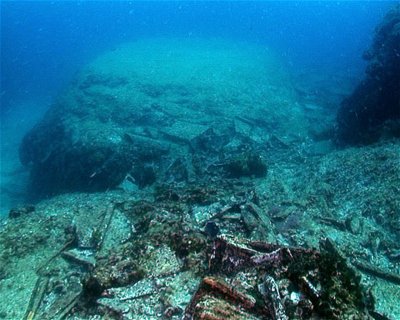
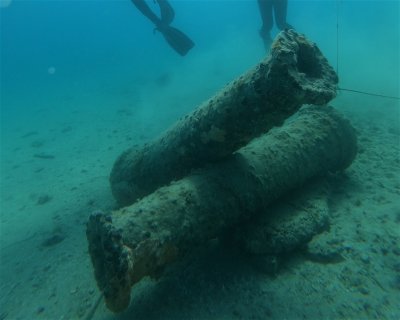
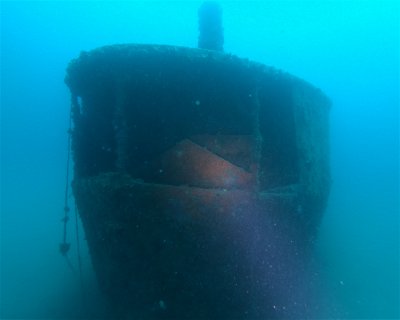
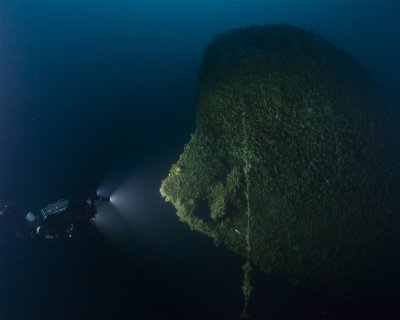
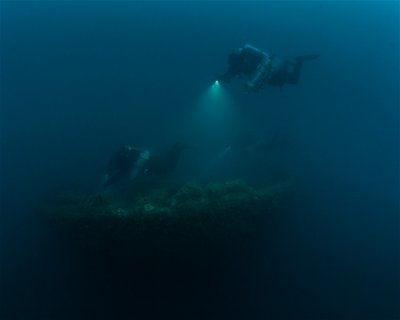
Kvarner, a captivating dive destination in Croatia, offers divers a myriad of underwater experiences. One of the standout sites is the "Peltastis" wreck, often referred to as "The Greek." This shipwreck, lying at a depth of 20-32 meters, provides an exhilarating dive with its rich marine life and fascinating history. For those seeking shore dives, "Lina" is a popular spot, featuring a well-preserved wreck that lies closer to shore, making it accessible for divers of various experience levels.
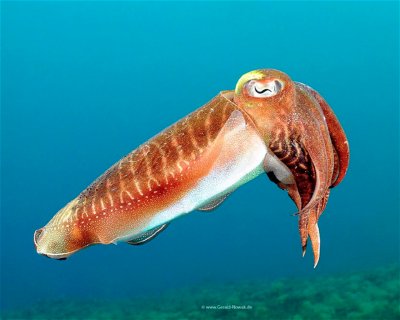
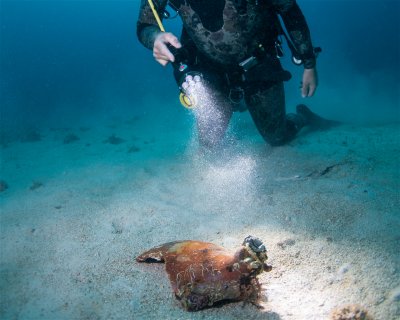
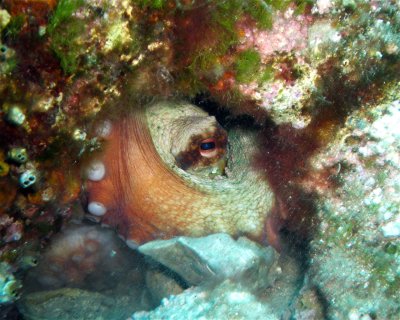
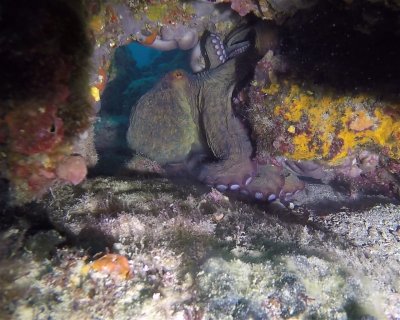
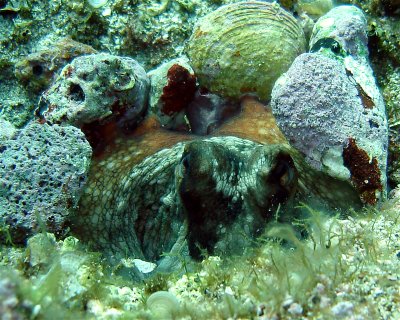
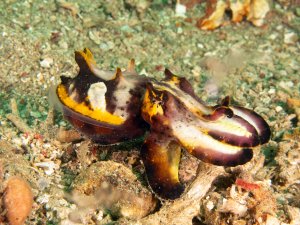
Night dives in Kvarner are particularly enchanting, revealing the nocturnal behaviors of octopuses and cuttlefish. The region balances both shore and liveaboard diving options, catering to diverse preferences. Shore dives offer easy access and flexibility, while liveaboard excursions provide the thrill of exploring remote dive sites. This versatility ensures an unforgettable diving adventure for all enthusiasts visiting Kvarner.
Kvarner offers year-round diving opportunities, with conditions varying by season. During the summer months, water temperatures range from 22°C to 26°C, providing pleasant conditions for divers. In contrast, winter temperatures drop to around 10°C to 14°C, requiring appropriate thermal protection. Visibility in Kvarner generally ranges from 10 to 30 meters, with the clearest waters typically found in the summer.
Weather factors such as the bora wind can affect diving conditions, especially in the winter and early spring. This strong northeast wind can churn up the water, reducing visibility and creating challenging currents. While diving is possible throughout the year, the most favorable conditions are from May to October. Divers may find it less ideal during the colder months due to lower temperatures and increased wind activity.
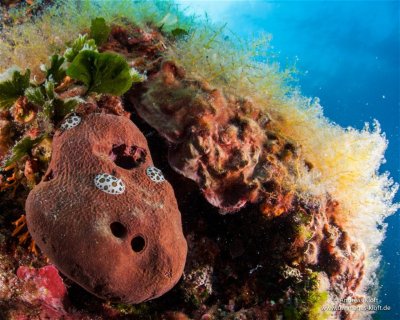
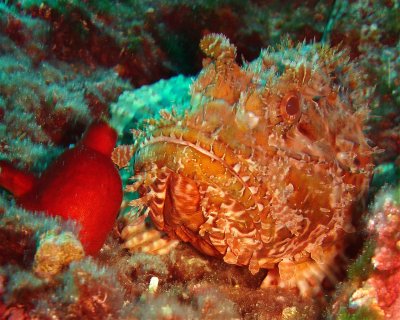
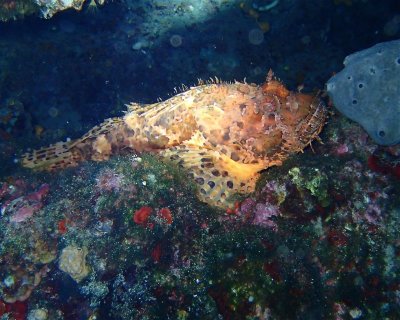
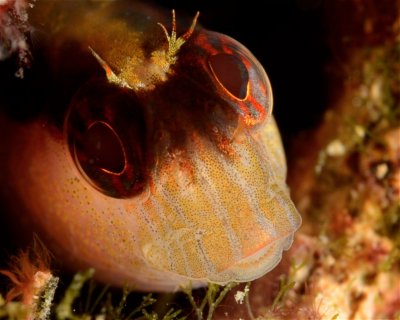
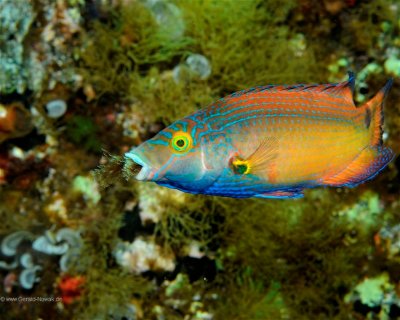
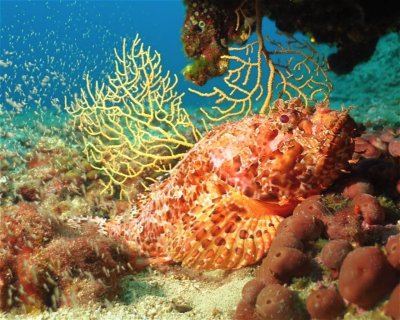
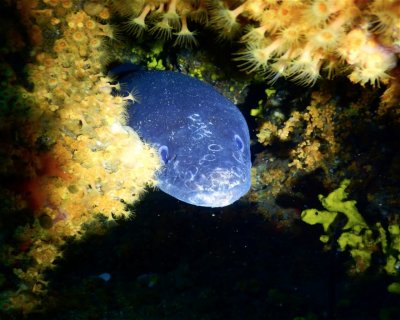
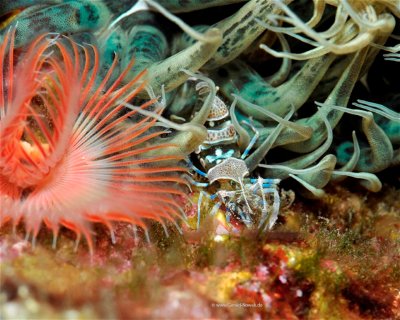
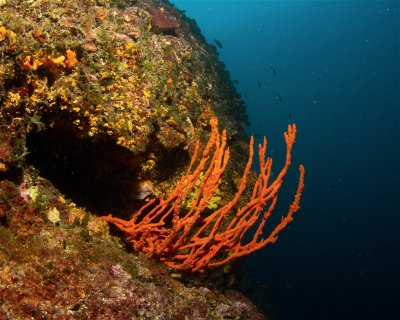
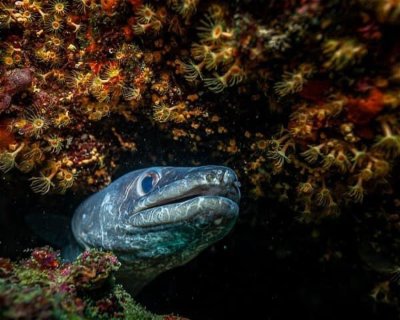
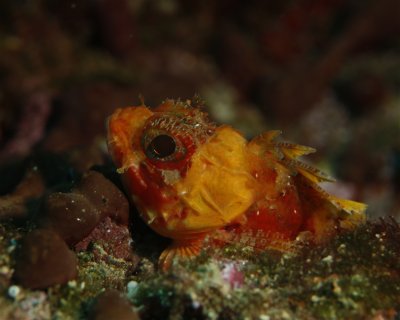
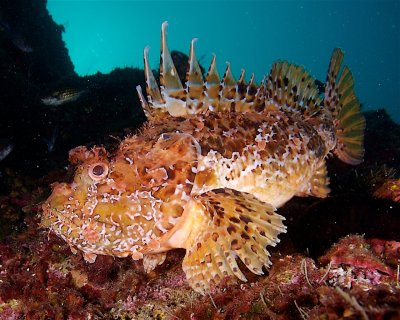
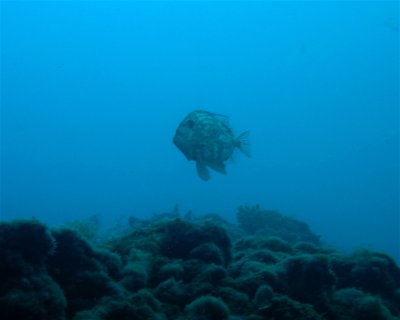
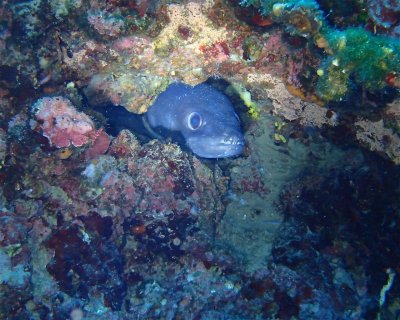
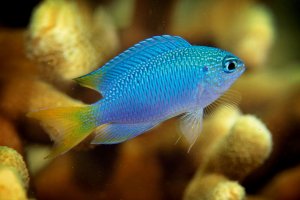
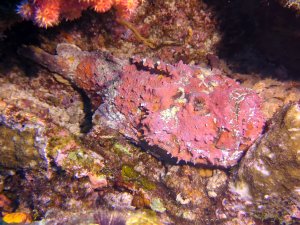
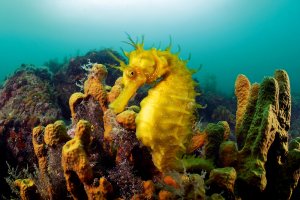
The Kvarner region, nestled in the northern Adriatic Sea, offers a diverse range of marine life that attracts divers year-round. Among the common reef fish are the vibrant damselfish, scorpionfish, and wrasses, often spotted weaving through the underwater rocky landscapes. During the spring and summer months, divers may encounter the occasional loggerhead turtle or devil rays gliding gracefully through the waters, creating memorable highlights for marine enthusiasts.
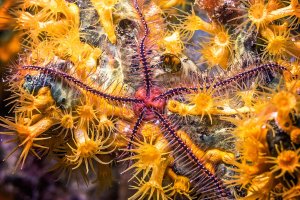
Shark sightings, while rare, can occur, with the blue shark being the most likely visitor, usually spotted in deeper waters. Other notable species include the endangered monk seal, though sightings are infrequent. The abundance of life, from small invertebrates to larger pelagic species, makes Kvarner an appealing destination for divers seeking to explore the Adriatic's underwater biodiversity.
Wildlife Sightings are Based on User Generated Content
The image shown is a representative illustration and does not depict every individual animal in this category.
Total number of species approx.: 300
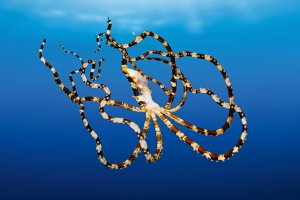
The image shown is a representative illustration and does not depict every individual animal in this category.
Total number of species approx.: 600
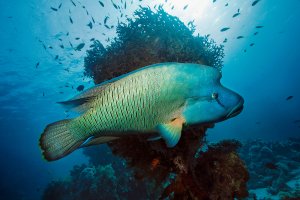
The image shown is a representative illustration and does not depict every individual animal in this category.
Total number of species approx.: 250
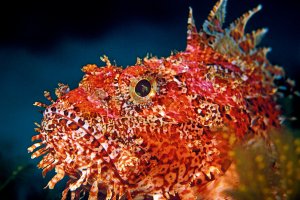
The image shown is a representative illustration and does not depict every individual animal in this category.
Total number of species approx.: 3000
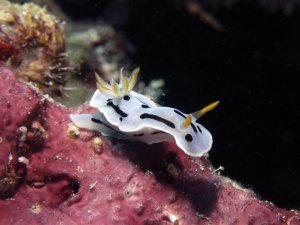
The image shown is a representative illustration and does not depict every individual animal in this category.
Total number of species approx.: 7000
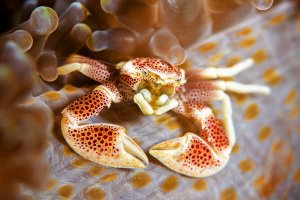
The image shown is a representative illustration and does not depict every individual animal in this category.
Total number of species approx.: 190
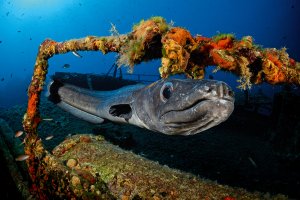
The image shown is a representative illustration and does not depict every individual animal in this category.
Total number of species approx.: 125
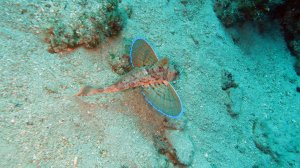
The image shown is a representative illustration and does not depict every individual animal in this category.
Total number of species approx.: 90
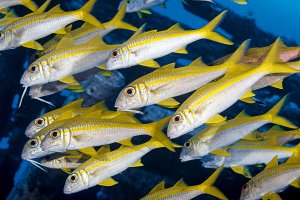
The image shown is a representative illustration and does not depict every individual animal in this category.
Total number of species approx.: 250
Curated by Interest
Mares
Aqualung
Shutterstock-Zi Magine
Mares-Predrag Vuckovic
Scubapro
Shutterstock-Ethan Daniels
Mares-Predrag Vuckovic
Mares-Bjoern Dorstewit

Discover the underwater world at new depthsWant to push your limits and dive deeper safely? At the MC-DIVERS DIVE CENTER, you’ll learn how to safely plan and execute deep dive...
Show Offer
Discover the underwater world at new depthsWant to push your limits and dive deeper safely? At the MC-DIVERS DIVE CENTER, you’ll learn how to safely plan and execute deep dive...
Show Offer
Discover the underwater world at new depthsWant to push your limits and dive deeper safely? At the MC-DIVERS DIVE CENTER, you’ll learn how to safely plan and execute deep dive...
Show Offer