Istria County
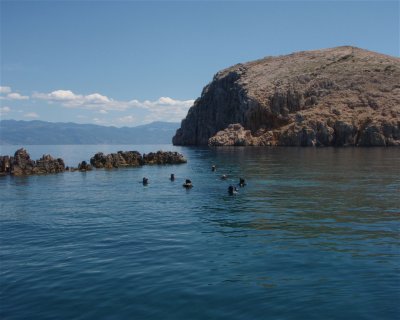
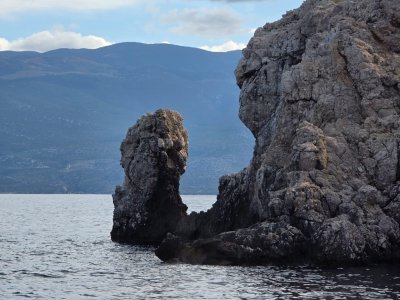
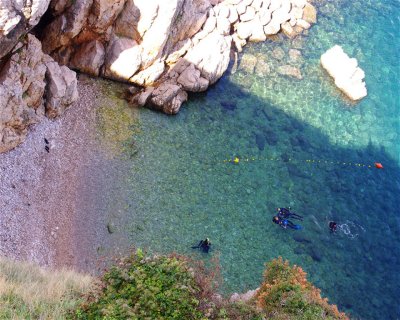
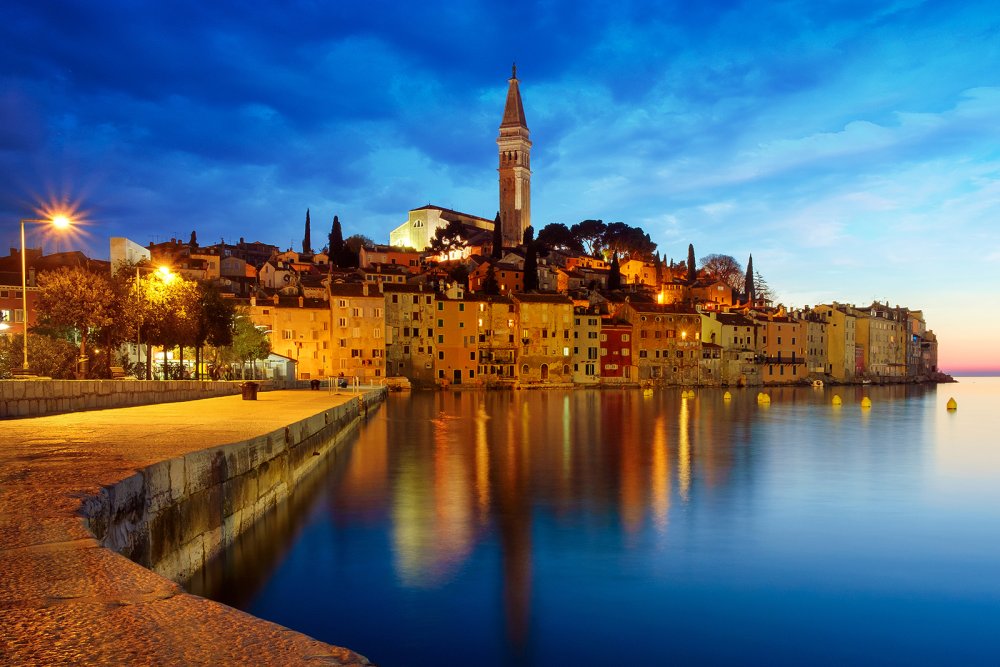
Located at the threshold of the soaring Dinaric Alps, Kvarner Bay, also known as the Kvarner Gulf, is a bay in the northern Adriatic Sea, located between the Istrian Peninsula and the northern Dalmatian coast.
 © iStock/Remedios
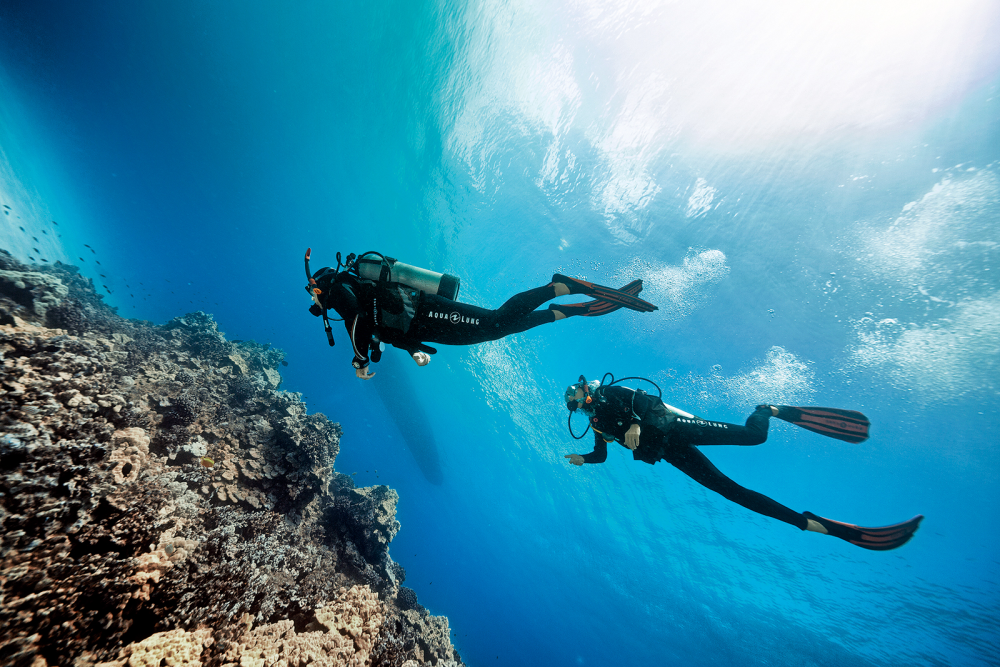
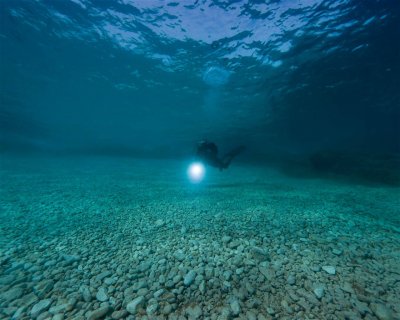
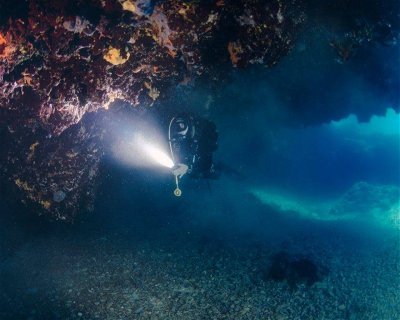
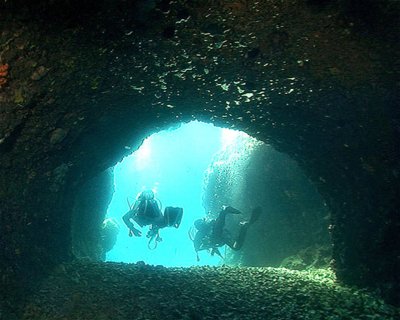
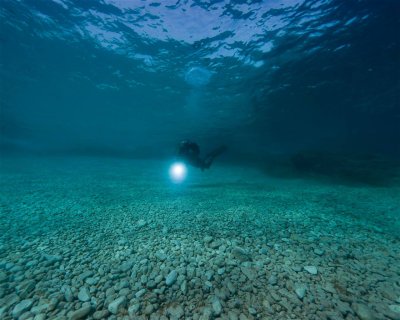
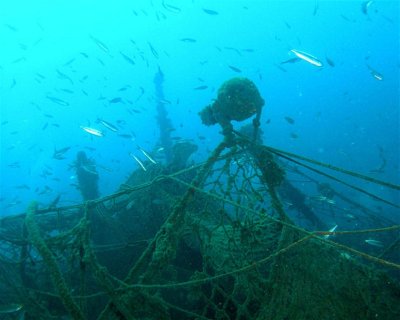
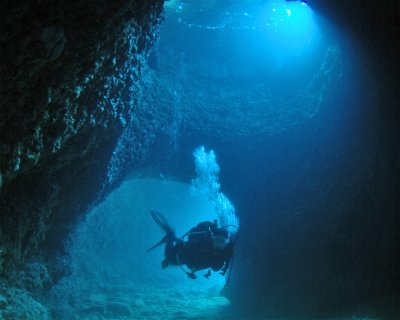
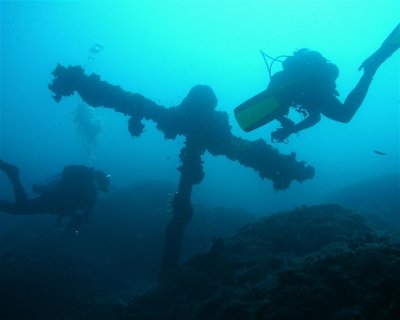
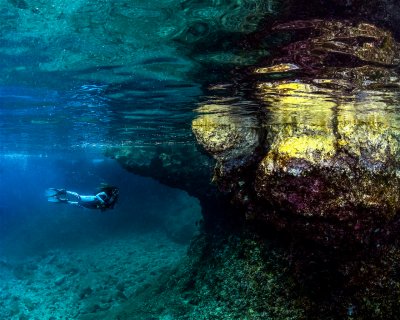
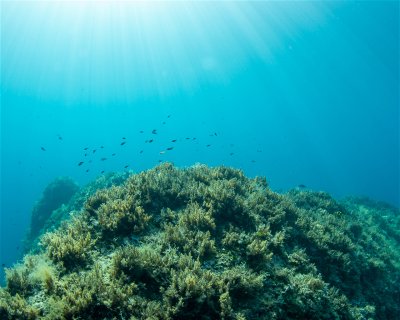
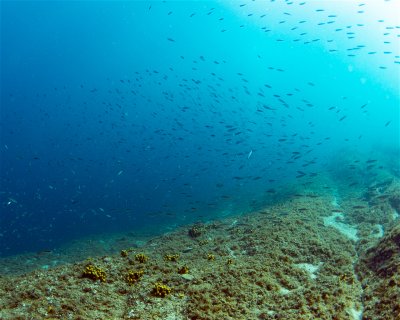
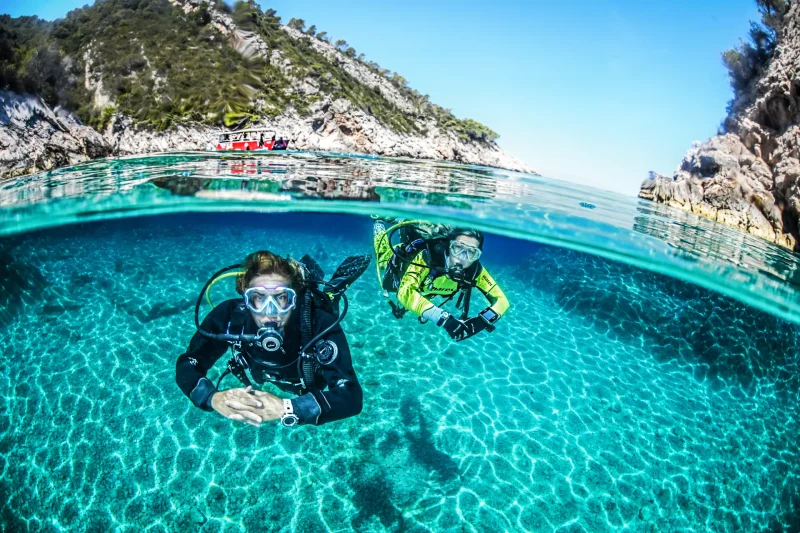
Kvarner Bay, nestled between the Istrian Peninsula and the northern Croatian Littoral mainland, offers an unparalleled diving experience in the northern Adriatic Sea. Known for its breathtaking beauty, the bay is a diver's paradise, featuring dramatic rocky walls and crystalline turquoise waters that promise an unforgettable underwater adventure. The region is a top diving destination in Eastern Europe, thanks to its rich marine biodiversity and the opportunity to explore its underwater treasures all year round.
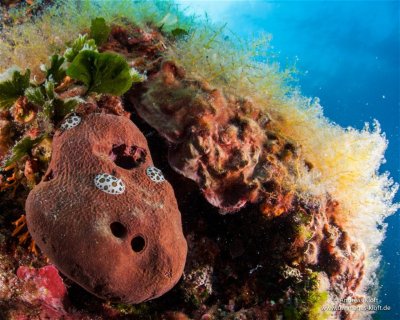
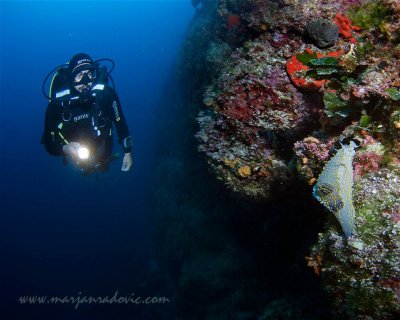
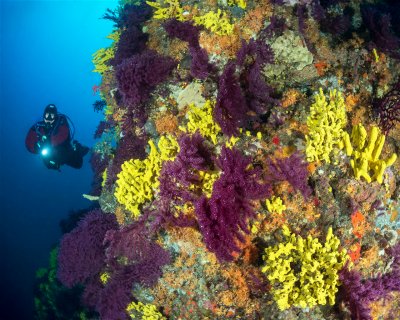
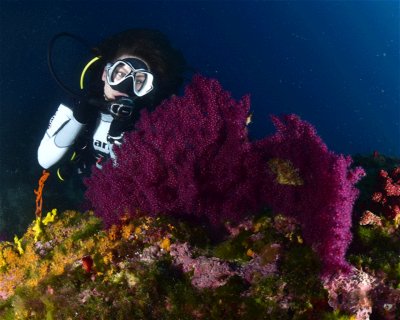
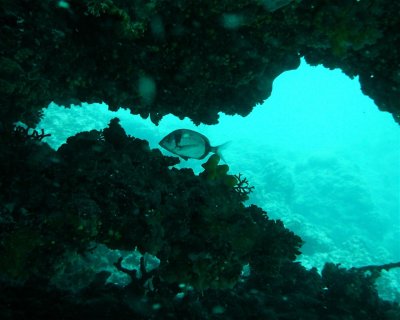
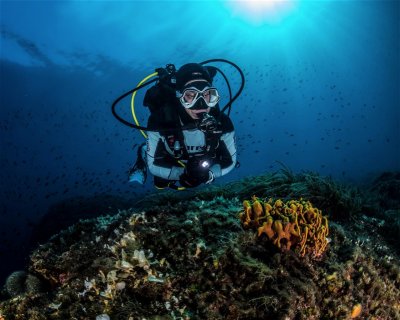
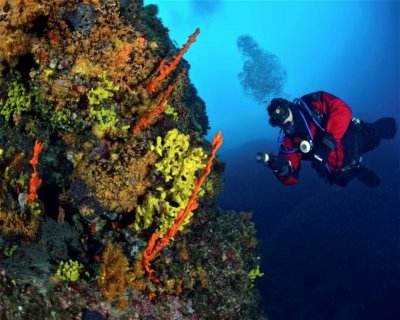
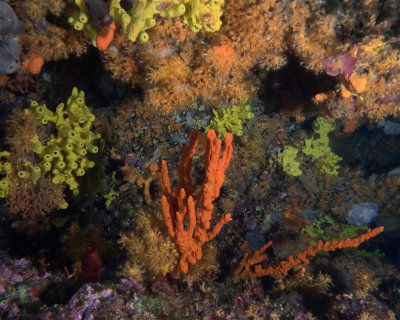
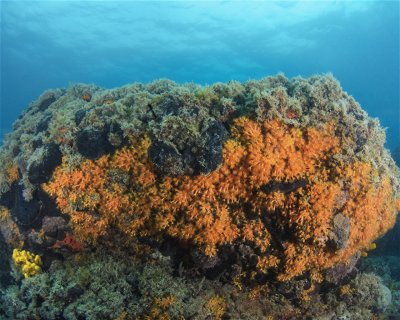
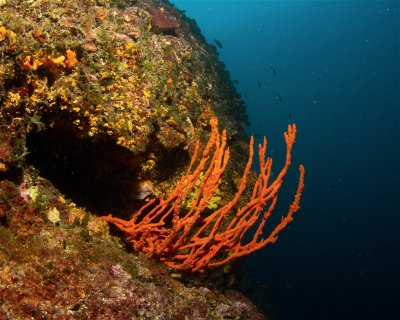
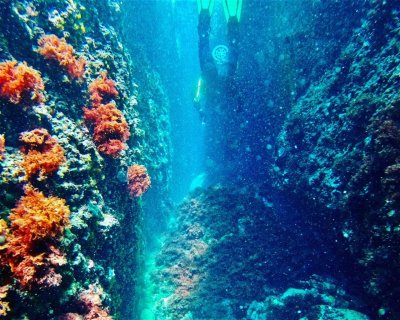
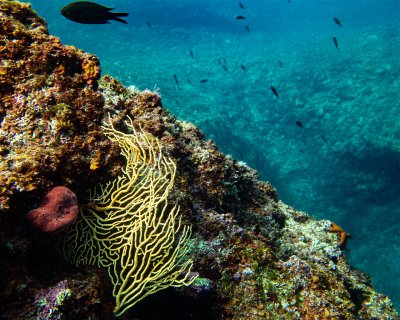
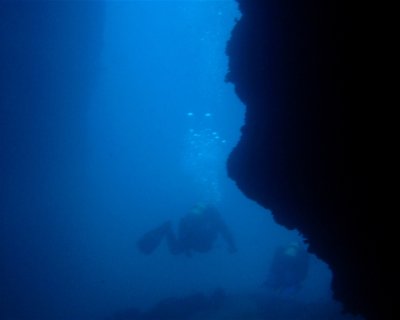
One of Kvarner's standout features is its remarkable wall dives. These underwater cliffs, adorned with vibrant gorgonians, create a spectacular backdrop for divers exploring the hidden depths of the Adriatic. The bay's craggy reefs teem with life, making it a haven for marine enthusiasts. Divers can expect to encounter a variety of marine species, from colorful fish to enigmatic sea turtles. The depth of the bay, reaching over 100 meters (328 feet), provides a thrilling exploration opportunity for those seeking new underwater challenges.
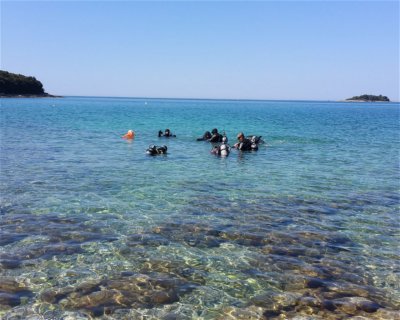
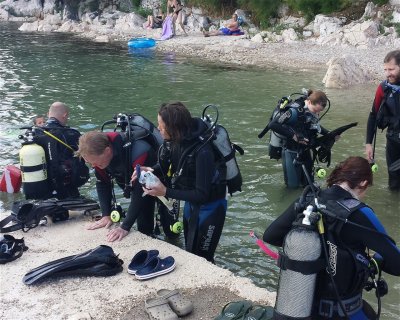
Kvarner's diverse dive environments cater to all preferences, offering shore dives for easy access, boat dives to explore remote sites, and liveaboard options for those wishing to immerse themselves fully in the region's aquatic wonders. Whether you're a novice or an experienced diver, the enchanting underwater world of Kvarner Bay promises an inspiring and memorable diving experience, making it a must-visit destination on the Adriatic coast.
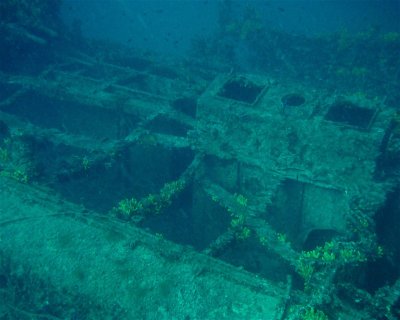
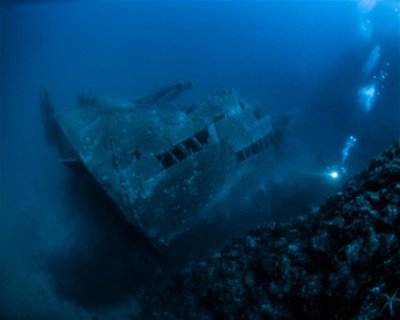
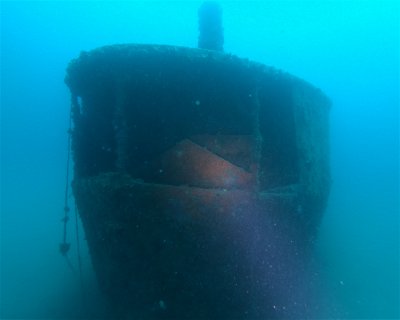
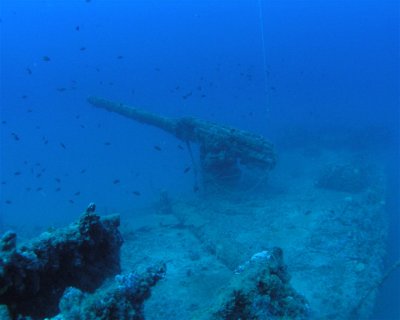
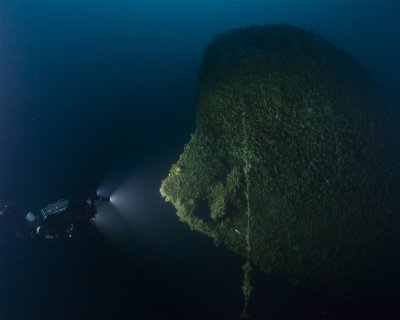
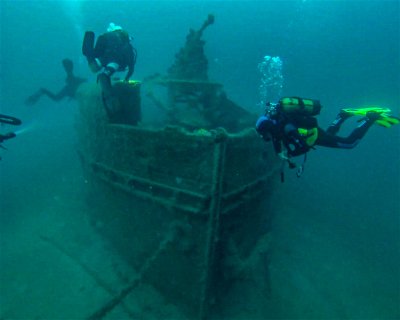
Exploring the northern regions offers a plethora of thrilling diving experiences. The SS Thistlegorm wreck dive, regarded as one of the best in the world, presents a mesmerizing underwater museum with artifacts dating back to World War II. Nearby, the Blue Hole remains a favorite shore dive, renowned for its stunning corals and diverse marine life.
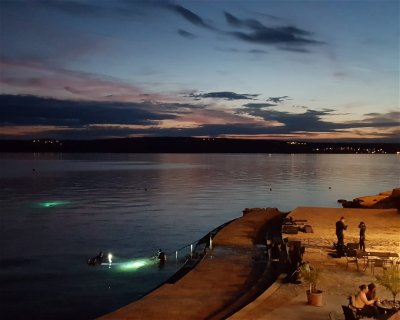
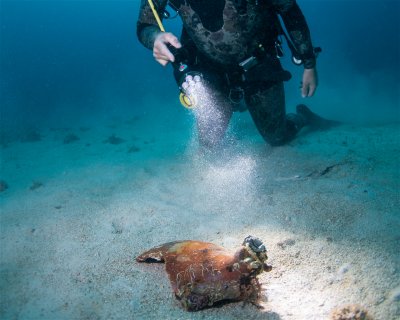
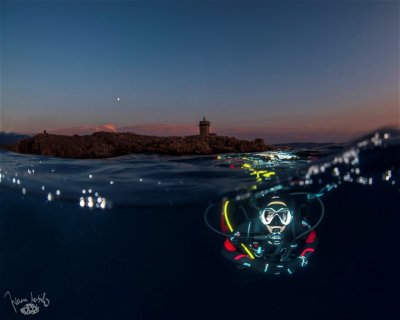
For those seeking unique experiences, night dives in the north unveil captivating nocturnal marine behavior, including bioluminescent displays. Dive travelers can enjoy the flexibility of both shore and liveaboard diving options, ensuring an adventure that suits every preference and skill level.
Diving in North Croatia offers a variety of conditions throughout the year. The region is known for its clear waters and diverse marine life. During the summer months, water temperatures range from 24°C–27°C/75°F–81°F, while visibility can reach up to 30 meters/98 feet. The warm conditions make this the most popular time for diving.
In the winter, water temperatures drop to 10°C–14°C/50°F–57°F, and visibility can decrease due to increased plankton. Diving is still possible, although less frequent due to colder conditions and occasional strong winds, particularly the Bura and Jugo. Overall, North Croatia offers year-round diving opportunities, with spring and autumn providing milder temperatures and good visibility, making them ideal times for experienced divers seeking quieter sites.
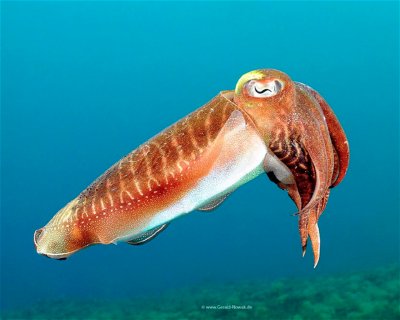
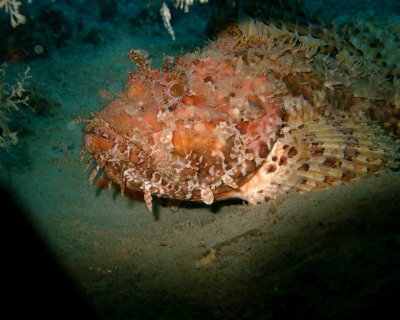
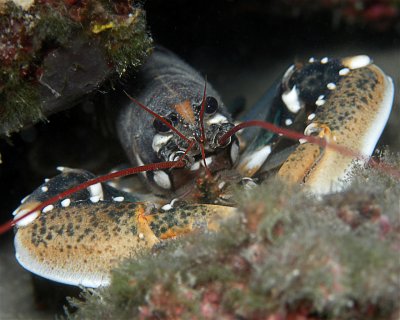
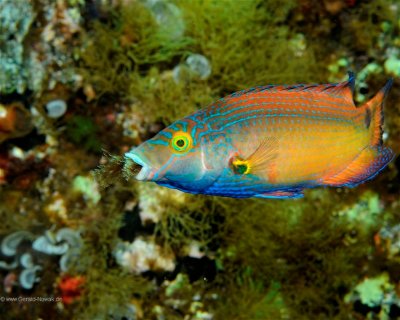
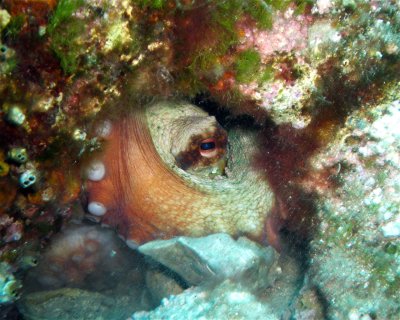
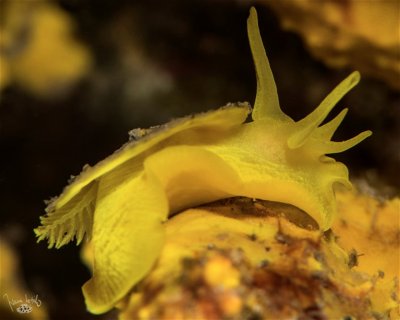
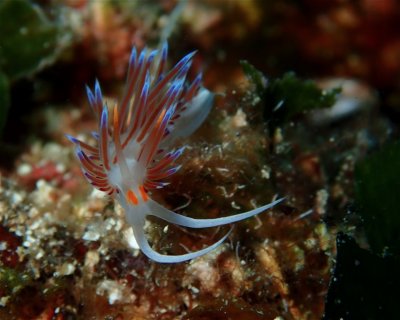
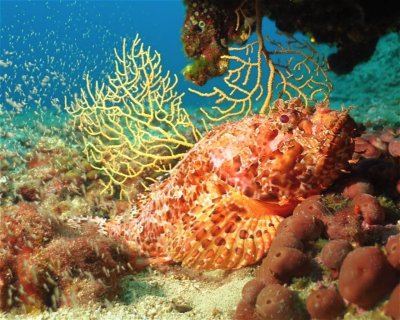
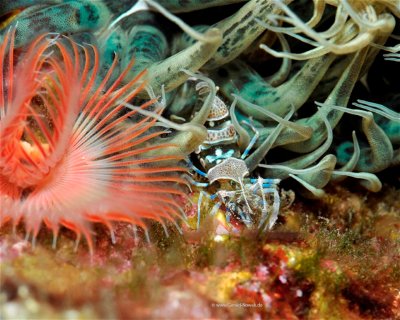
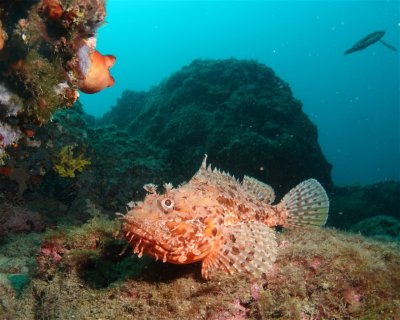
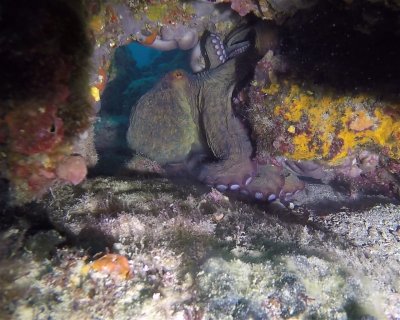
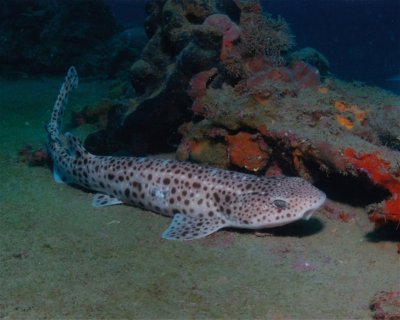
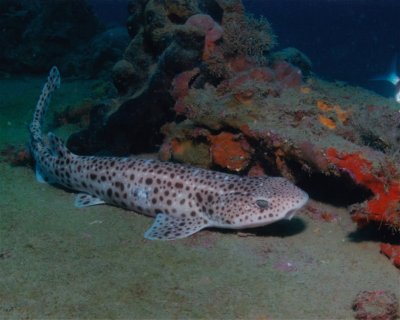
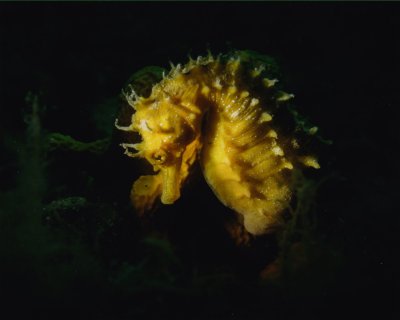
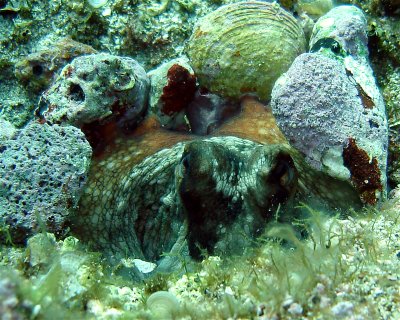
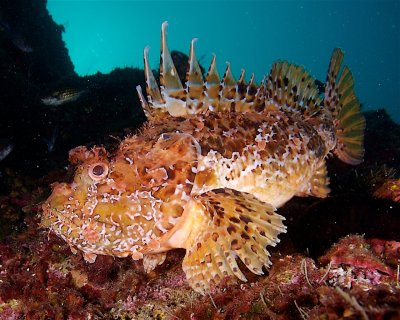
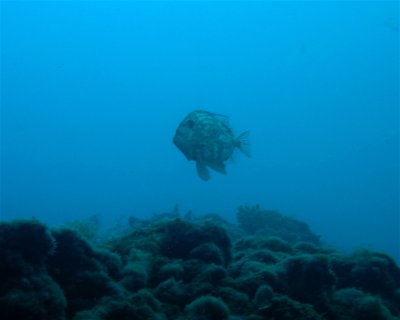
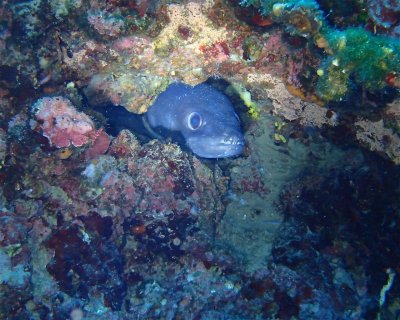
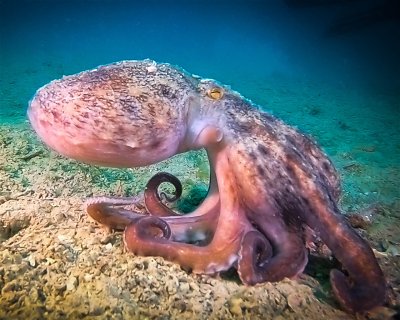
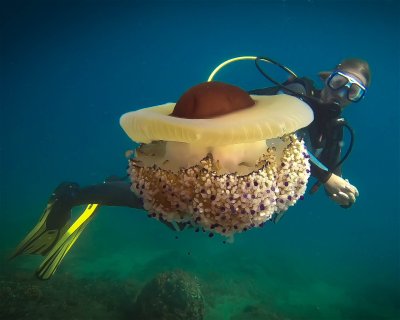
North Croatia, encompassing the northern Adriatic Sea, offers a unique marine habitat where divers can explore a variety of aquatic life. Common reef fish such as damselfish, wrasses, and gobies are prevalent, providing a colorful spectacle year-round. The complex underwater environments, including sea grass beds and rocky reefs, serve as home to diverse marine species. Seasonal highlights include the occasional sightings of loggerhead turtles and rays during the warmer months, such as July and August. While sharks are rare, small species like the smoothhound shark may be spotted, especially in deeper waters. Dive sites around the Kvarner Gulf and near the Istria Peninsula are particularly promising for encountering these remarkable creatures, offering divers a captivating glimpse into the Adriatic's biodiversity.
Wildlife Sightings are Based on User Generated Content
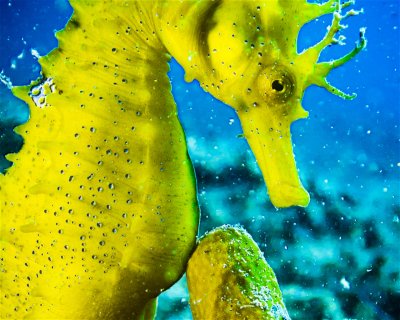
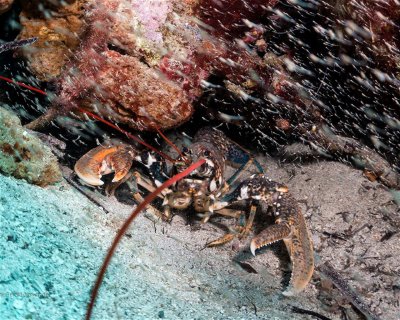
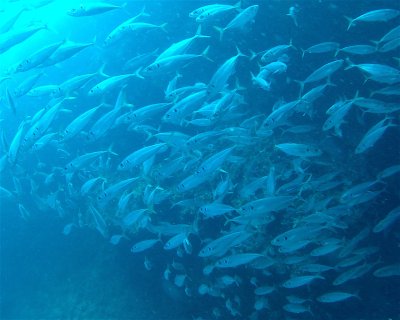
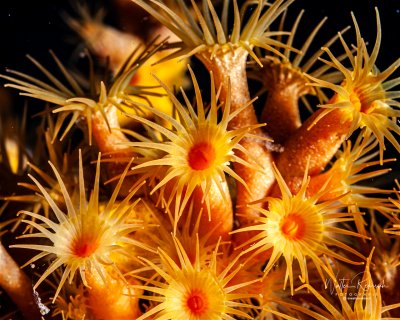
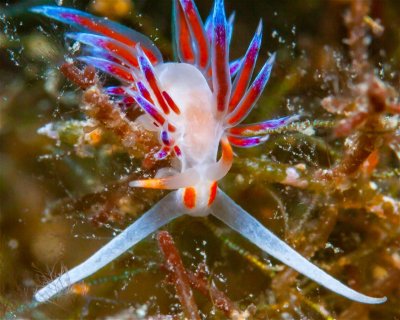
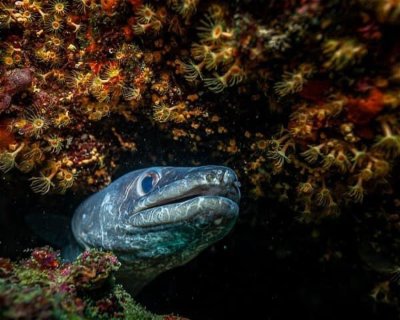
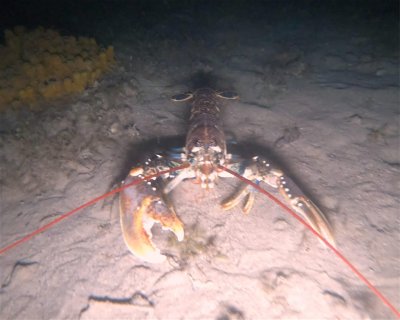
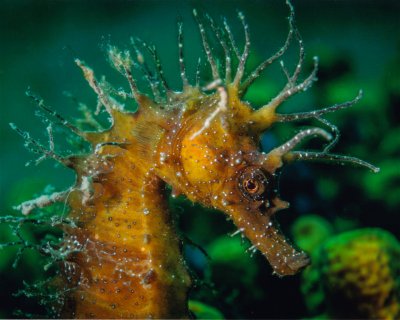
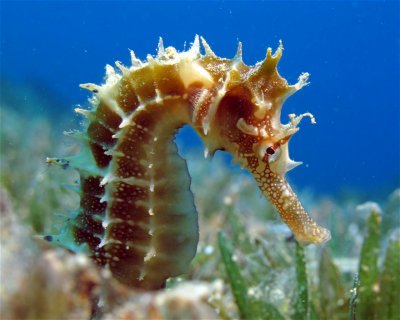
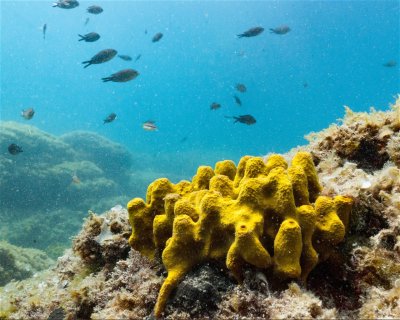
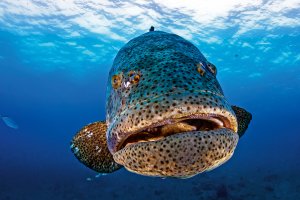
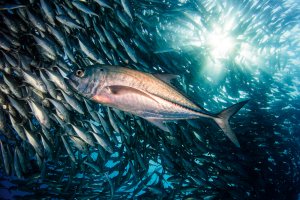
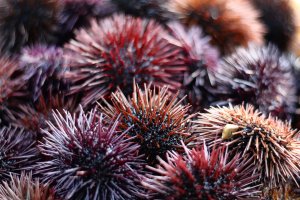
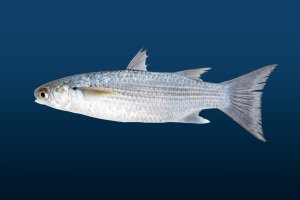
The image shown is a representative illustration and does not depict every individual animal in this category.
Total number of species approx.: 300
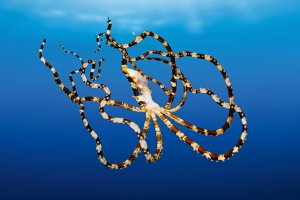
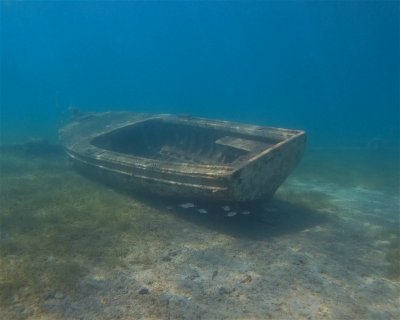
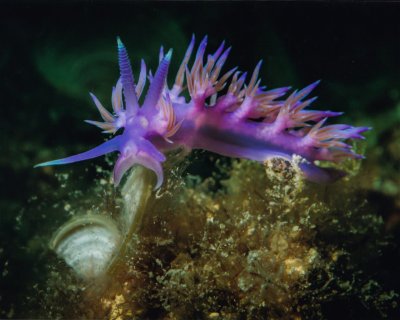
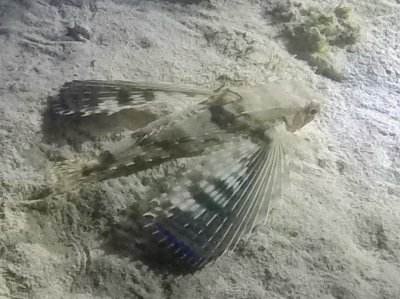
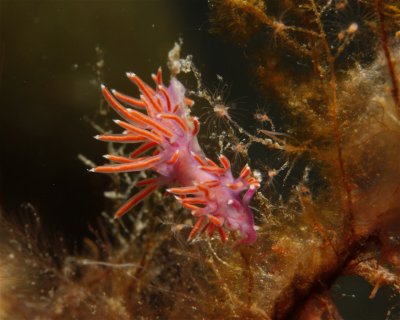
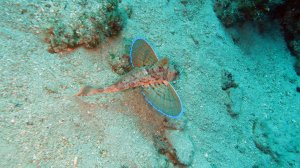
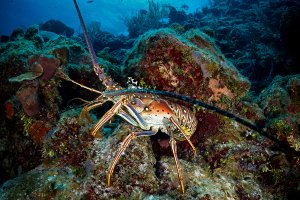
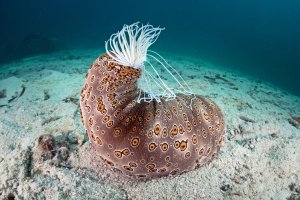
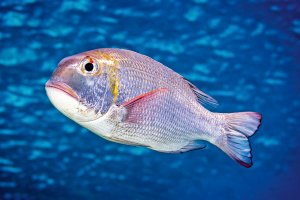
The image shown is a representative illustration and does not depict every individual animal in this category.
Total number of species approx.: 600
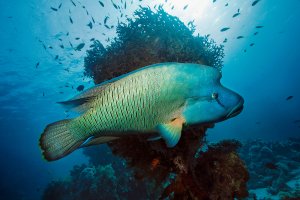
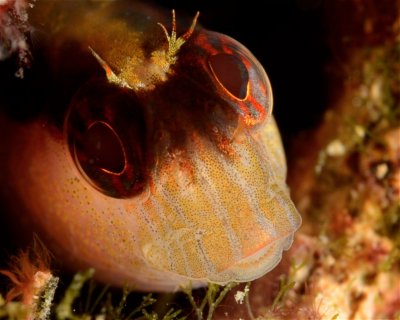
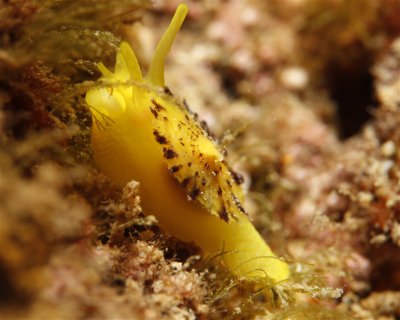
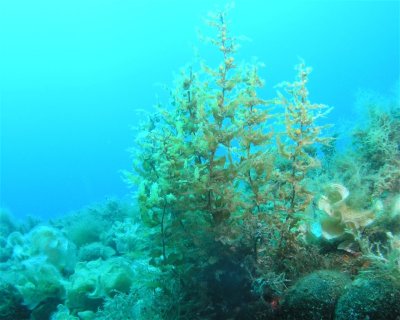
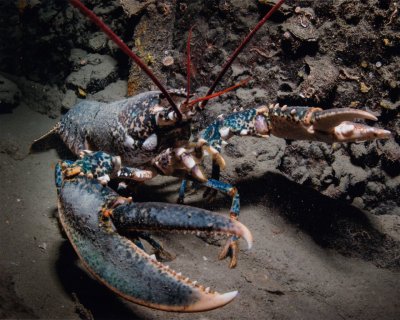
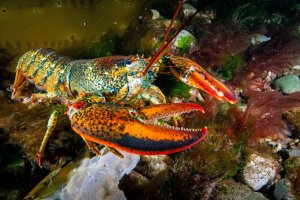
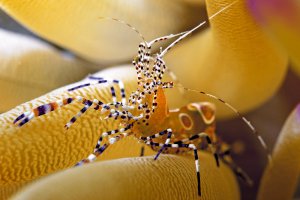
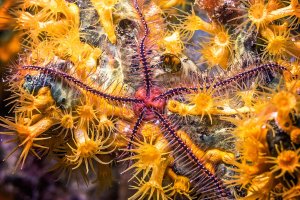
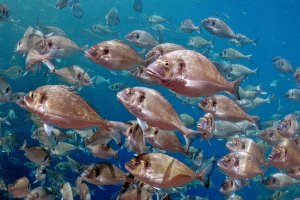
The image shown is a representative illustration and does not depict every individual animal in this category.
Total number of species approx.: 250
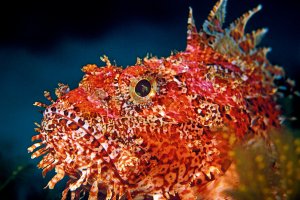
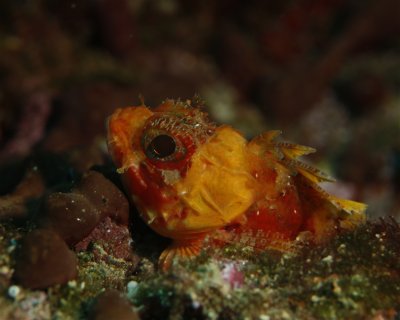
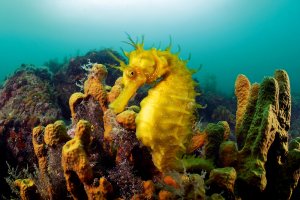
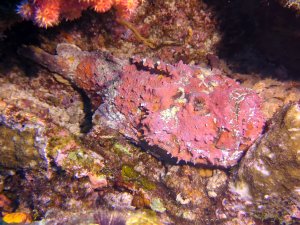
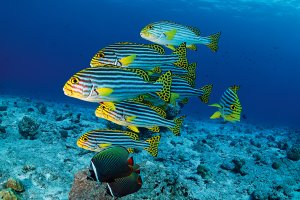
The image shown is a representative illustration and does not depict every individual animal in this category.
Total number of species approx.: 3000
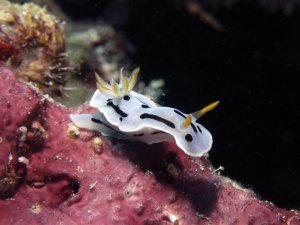
The image shown is a representative illustration and does not depict every individual animal in this category.
Total number of species approx.: 7000
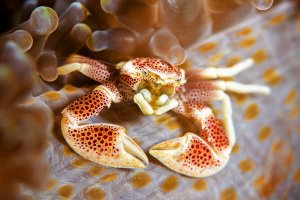
The image shown is a representative illustration and does not depict every individual animal in this category.
Total number of species approx.: 190
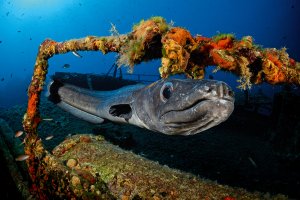
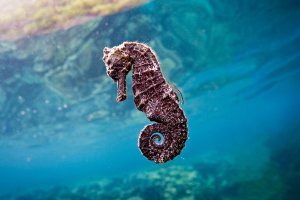
The image shown is a representative illustration and does not depict every individual animal in this category.
Total number of species approx.: 350
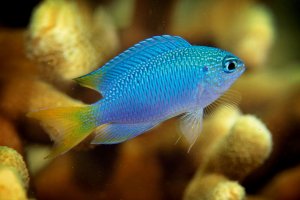
The image shown is a representative illustration and does not depict every individual animal in this category.
Total number of species approx.: 90
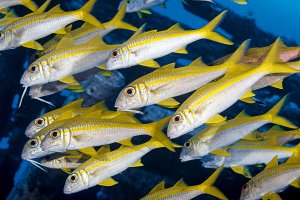
The image shown is a representative illustration and does not depict every individual animal in this category.
Total number of species approx.: 120
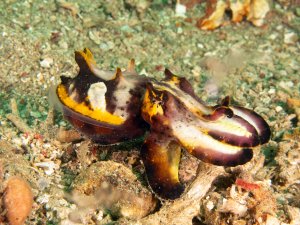
Curated by Interest
Mares
Aqualung
Shutterstock-Zi Magine
Mares-Predrag Vuckovic
Scubapro
Shutterstock-Ethan Daniels
Mares-Predrag Vuckovic
Mares-Bjoern Dorstewit
This certification is recognized worldwide and is the best way to become a qualified diver on an adventure that will last a lifetime. The combination of personalized instruction...
Show Offer
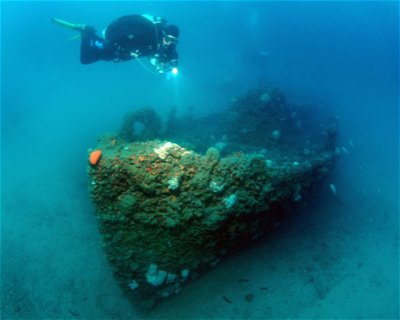
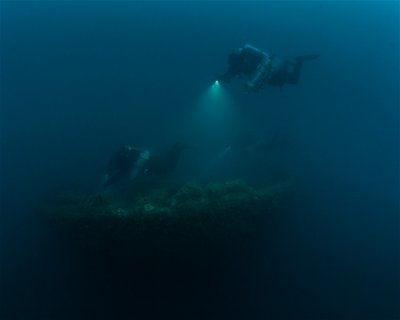
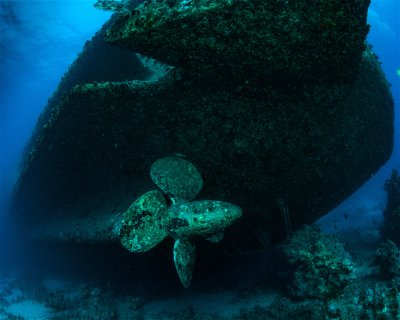
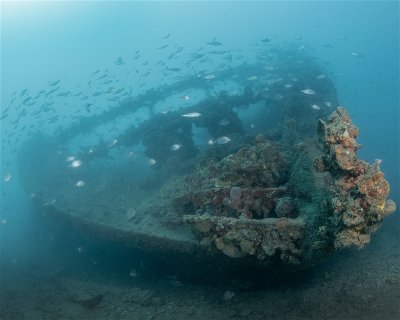
Many of the world’s best dive sites are located at shipwrecks, which serve as habitats for countless marine creatures. The SSI Wreck Diving Specialty course teaches you everyt...
Show Offer
Discover the underwater world at new depthsWant to push your limits and dive deeper safely? At the MC-DIVERS DIVE CENTER, you’ll learn how to safely plan and execute deep dive...
Show OfferThe Divemaster program is the first step on an exciting journey. Earn the respect of your dive buddies and become an ambassador for diving by completing the Divemaster program. ...
Show OfferThe Assistant Instructor rating is the next step after becoming a Divemaster along the scuba instructor pathway. It allows you to collect valuable teaching experience, practice ...
Show OfferThe SSI Decompression Diving Specialty will teach you how to dive beyond the no-decompression limits. You will learn to plan and conduct dives to a maximum depth of 40 meters wi...
Show OfferAs a deep diver, you have the unique opportunity to explore some of the world's best dive sites and most popular marine life. There is so much waiting for you in the deep blue s...
Show OfferThe Independent Diving program prepares you for independent diving without a buddy. This can be useful for photo dives, for example. The course deals with precise dive planning,...
Show OfferThe Specialty Navigation course provides you with the knowledge and advanced skills you need to navigate safely and confidently underwater. You will learn the correct use of the...
Show OfferNight diving requires different skills from diving during the day. The SSI Night Diving and Limited Visibility specialty is the best way to learn about night diving and practice...
Show OfferThe SSI Diver Stress and Rescue Specialty course is the best way to learn how to protect yourself and other divers. You’ll learn how to recognize stress, prevent accidents, an...
Show Offer
Many of the world’s best dive sites are located at shipwrecks, which serve as habitats for countless marine creatures. The SSI Wreck Diving Specialty course teaches you everyt...
Show Offer
Discover the underwater world at new depthsWant to push your limits and dive deeper safely? At the MC-DIVERS DIVE CENTER, you’ll learn how to safely plan and execute deep dive...
Show Offer
Many of the world’s best dive sites are located at shipwrecks, which serve as habitats for countless marine creatures. The SSI Wreck Diving Specialty course teaches you everyt...
Show Offer
Many of the world’s best dive sites are located at shipwrecks, which serve as habitats for countless marine creatures. The SSI Wreck Diving Specialty course teaches you everyt...
Show Offer
Discover the underwater world at new depthsWant to push your limits and dive deeper safely? At the MC-DIVERS DIVE CENTER, you’ll learn how to safely plan and execute deep dive...
Show OfferThe SSI Decompression Diving Specialty will teach you how to dive beyond the no-decompression limits. You will learn to plan and conduct dives to a maximum depth of 40 meters wi...
Show OfferThe Independent Diving program prepares you for independent diving without a buddy. This can be useful for photo dives, for example. The course deals with precise dive planning,...
Show OfferProper gas blending is essential for breathing safely underwater. The SSI Gas Blender course teaches you the skills and concepts necessary for safely blending Nitrox and helium-...
Show Offer