Istria – Start the Year with Warm Water
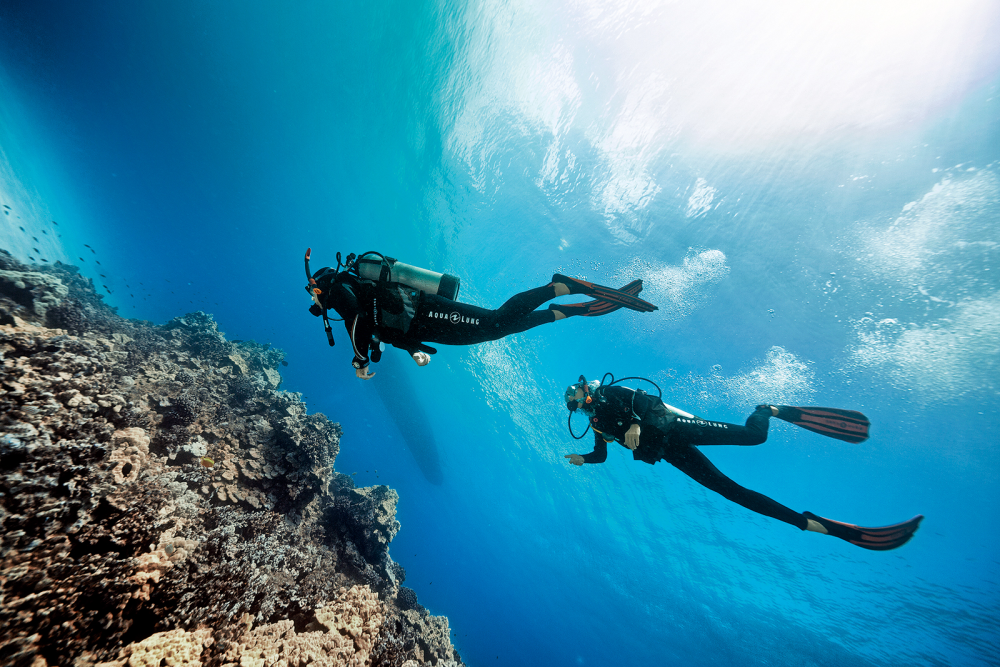
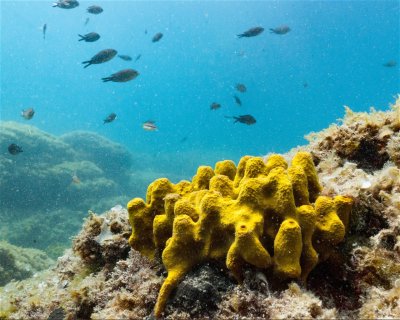
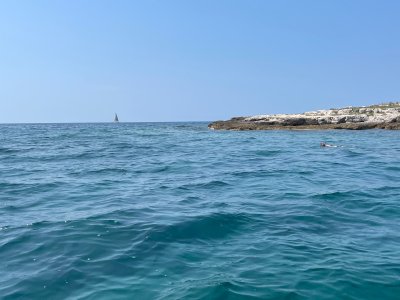
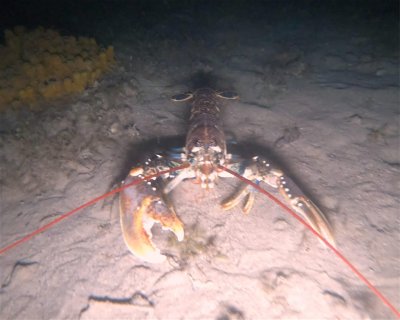
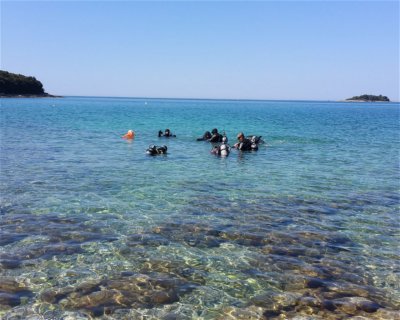
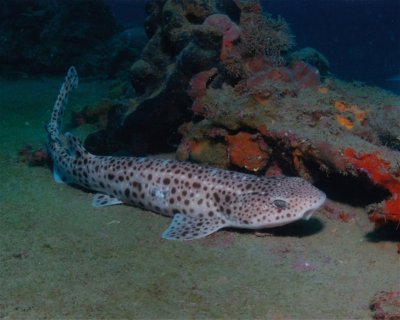
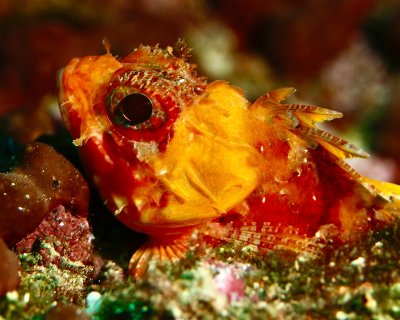
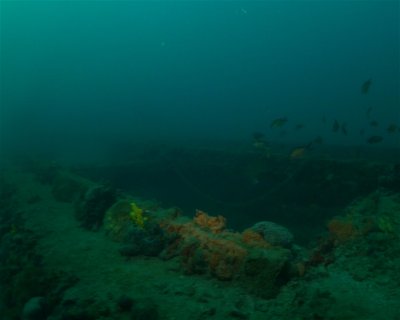
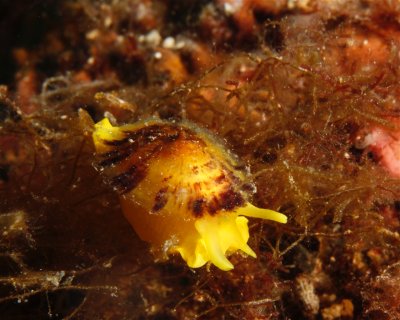
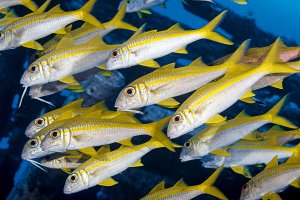
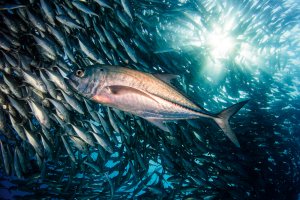
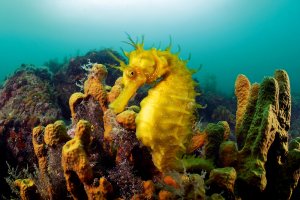
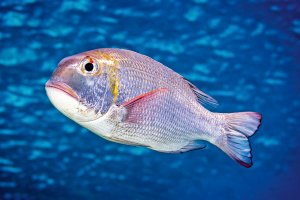
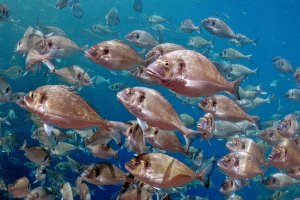
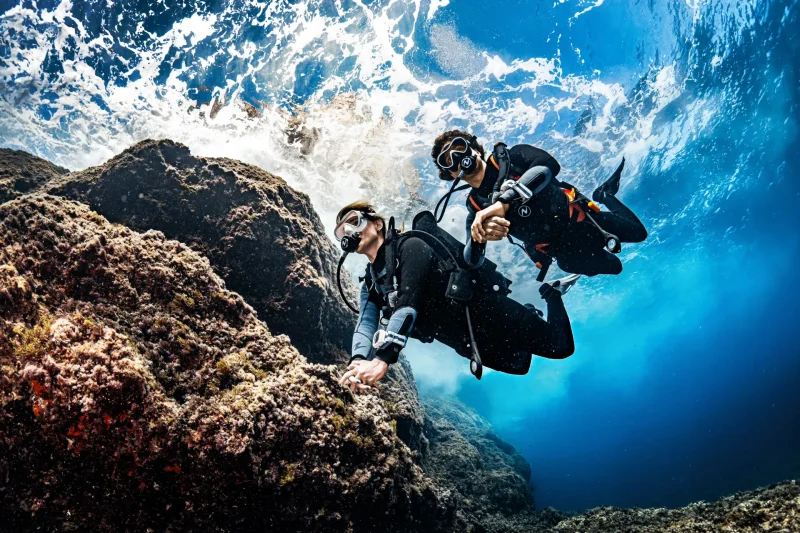
Warm water after a cold winter? Then come with us to Istria! ????????????We’re kicking off the 2027 diving season together with Sarah and Ivan from Triton Diving. And this time, we have the dive boat all to ourselves!Our boat, Vrsarperfekt, providesOver five days of diving, you’ll explore the wrecks off the coast of Rovinj. The “Baron Gautsch,” the “Giuseppe Dezza,” and the “Hans Schmidt” are no longer insider secrets—yet there’s still plenty to discover at and around the wrecks. Thanks to the abundant marine life around the wrecks, wreck enthusiasts, underwater photographers, and fish lovers alike will find plenty to enjoy.Diving the way we like itThe dive sites are located at depths of up to 35 meters. Our small but excellent dive boat can accommodate up to 15 divers—we deliberately keep the number of participants to a maximum of 10 to 12.Of course, there’s everything you need on board: a sturdy fin ladder and even a toilet. ????Ultimately, the weather determines which dive sites we visit. Together, we’ll discuss where to go—and see what the conditions allow.And will we get filled up too????For open-circuit (OC) divers, air fills are included; nitrox is available for an additional fee. For closed-circuit (CCR) divers, air and O₂ are included.Stay right at the dive centerWe’ll be staying at a cozy guesthouse within walking distance of the dive center. Accommodations are in double rooms with breakfast included; single rooms are available upon request.Why Choose Triton Diving?We’ve already been guests of Sarah and Ivan twice—and it quickly became clear to us: We’d love to come back here!The two of them create an atmosphere where you feel welcome from the very first moment. It’s important to them that their guests have fun while diving—and that’s exactly what we’ve experienced every single time so far.Dive Together, Experience TogetherAs you know from our tours, the focus is on diving together and sharing experiences with one another.During the day, we grab a bite to go; in the evening, we head out together to one of the local spots. No rigid schedule, no mass tourism—just great dives, nice people, and a relaxing time in Istria.Who can join us?With us, affiliation with any organization doesn’t matter. We dive in buddy teams. Coming alone? No problem—we’ll find the right buddy for you.Dives are limited to a maximum of 90 minutes; you and your buddy team will decide on everything else.You should be familiar with boat dives and ascents in open water.???? Travel dates: April 16–22, 2027???? Location: Vrsar, Istria???? Dives: up to 35m???? Group size: max. 10–12 divers???? Suitable for: Beginners to experienced diversReady for the first warm diving trip of the year? Then come with us to Istria! ????????Guide: ThomasPrice: €1,350This is included in the price:5 Days of Boat DivingOvernight stay in a double room, including breakfastPlanning, organization, and tour leadership by ThomasFor open-circuit (OC) divers: airFor CCR divers: air and O2In addition:Meals and, if applicable, additional gasesApplication deadline: March 15, 2027Online Information Session: April 11, 2027, 7:00 p.m.Prerequisites:Ability to dive independently and responsibly in a buddy team; diving from a boat; drysuit diving is recommendedDifficulty level:Easy to MediumOptional Add-ons:– Nitrox available on-site for an additional fee– Single room surcharge: 15€ per nightSchedule: Depending on the weather, we will do 2 dives per day. Arrival day is Friday; departure is Thursday.
Tauchwerkstatt, Bauernwinkel 11, 06406, Bernburg OT Baalberge, DEU
April 16, 2027