Fornelles
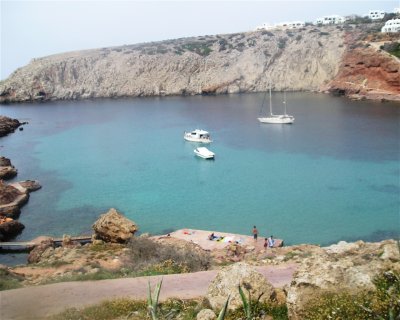
Fornells, an idyllic fishing village on the northern coast of Menorca, serves as the gateway to the
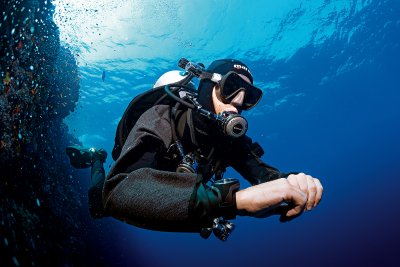
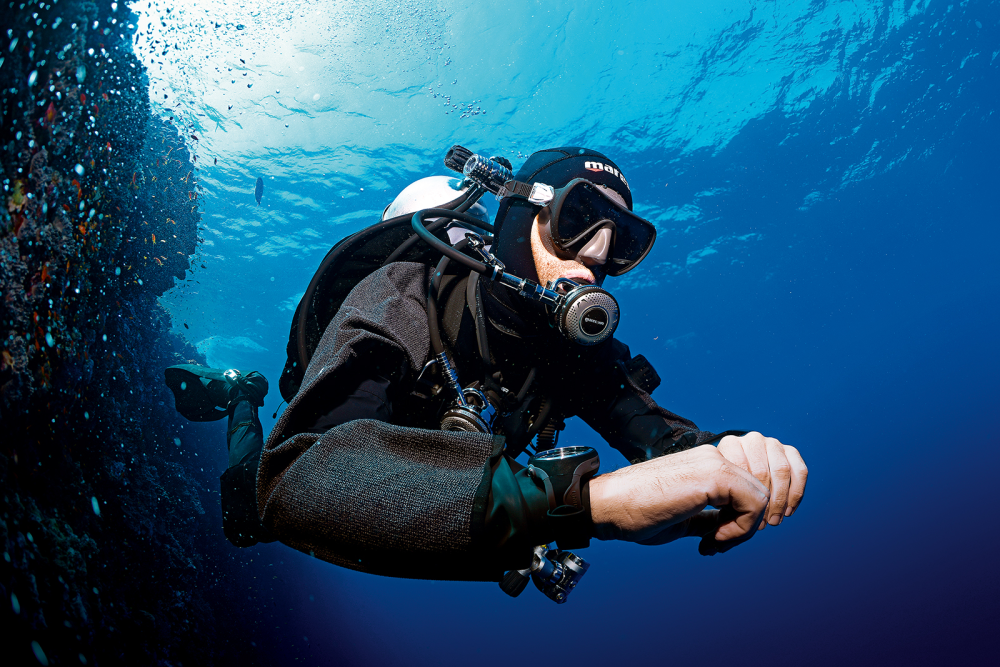
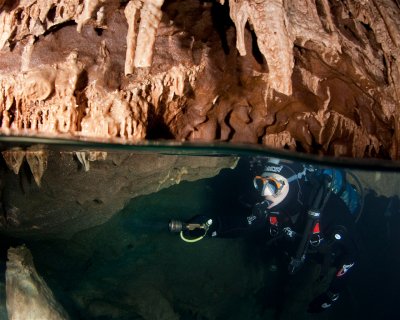
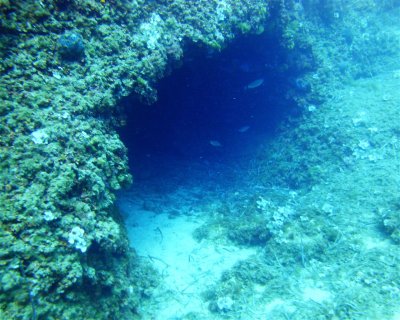
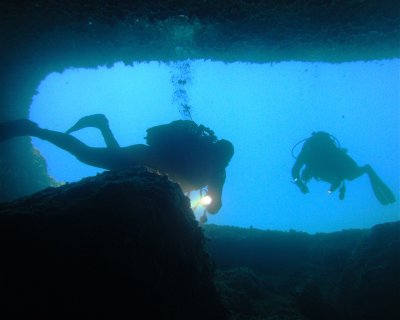
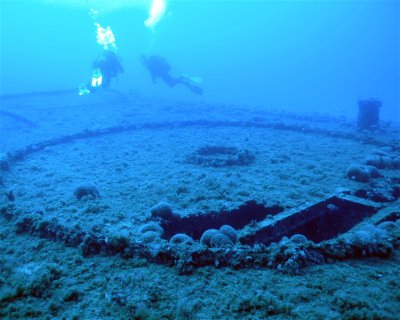
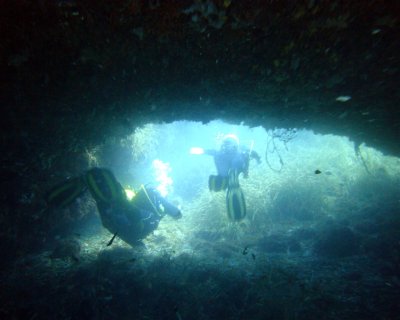
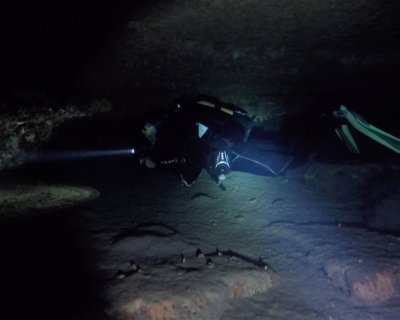
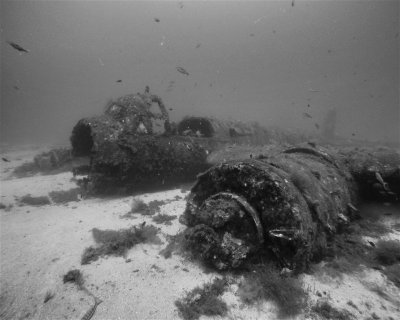
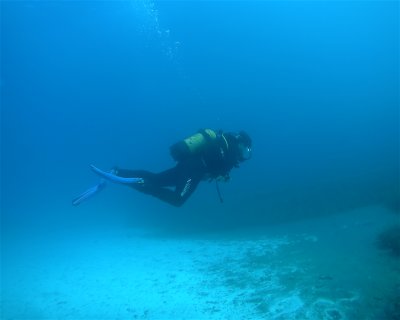
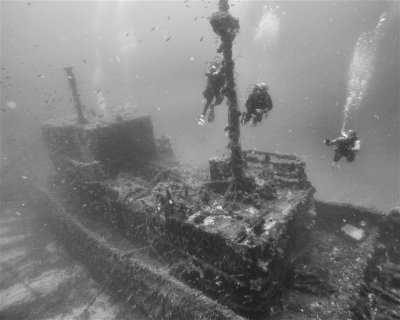
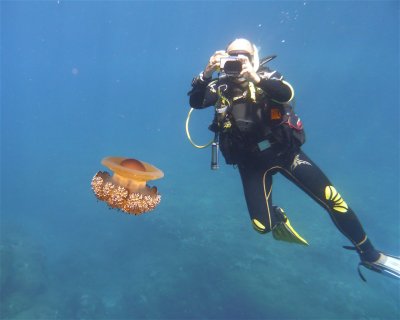
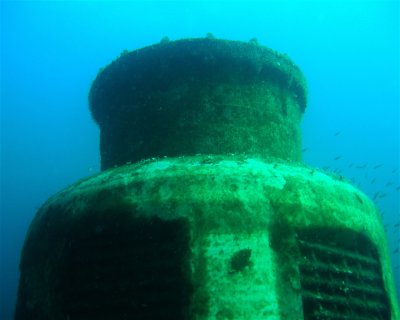
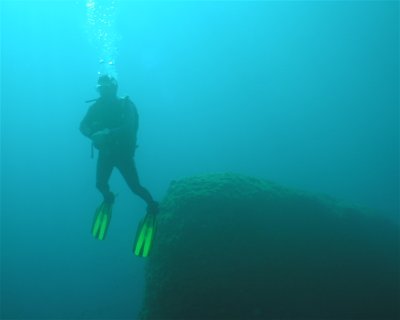
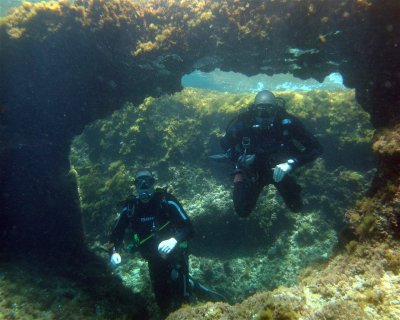
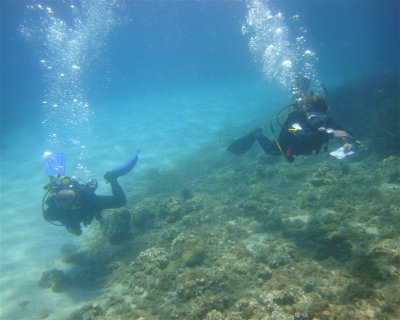
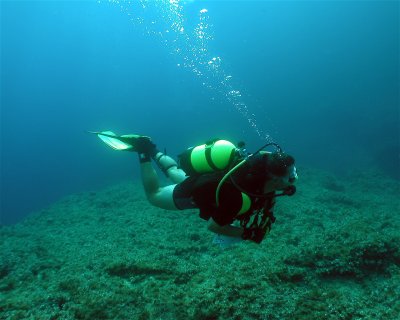
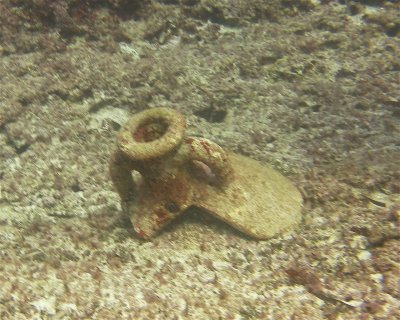
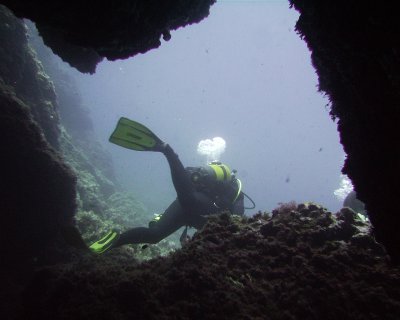
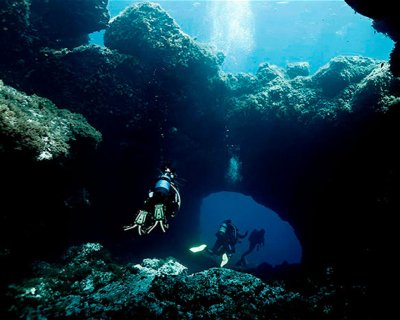
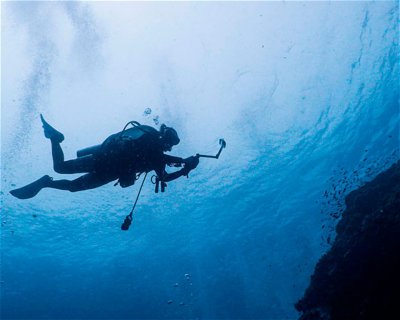
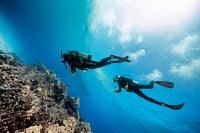
The easternmost Balearic Island of Menorca offers a unique diving experience, moving at a mellow pace compared to its bustling neighbors, Mallorca and Ibiza. Known for its unspoilt beaches, Menorca's waters are home to a myriad of caverns, tunnels, and canyons, providing exhilarating journeys for divers. Beneath the surface, divers can explore impressive caves adorned with stalactites and labyrinthine tunnel systems. The island's waters also feature thriving artificial reefs created from ancient shipwrecks, appealing to both experienced and novice divers.
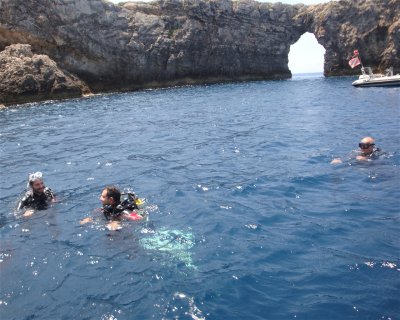
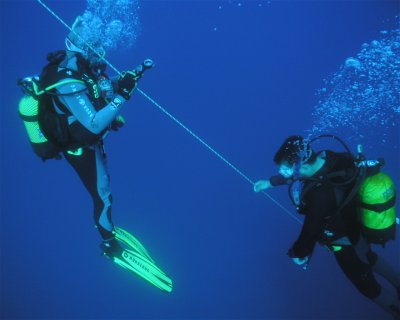
Menorca boasts two marine reserves with incredible rock formations and excellent visibility. The Marine Reserve of Isla del Aire can be accessed via Mahón and Saint Llúis, while the North Menorcan Marine Reserve is accessible from Fornells. Dive centers are scattered across the island, offering local shore dives and boat trips to more distant sites. For those with specific dive sites in mind, such as those in the North Menorcan Marine Reserve, choosing a dive center in Fornells is advisable for direct access. Otherwise, many centers provide transport to various dive locations around Menorca, ensuring a comprehensive diving experience.
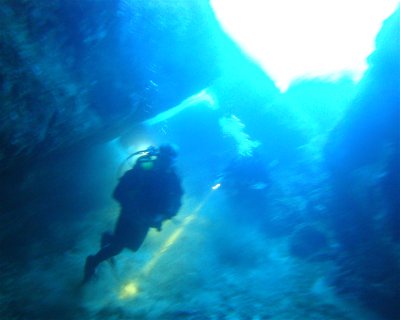
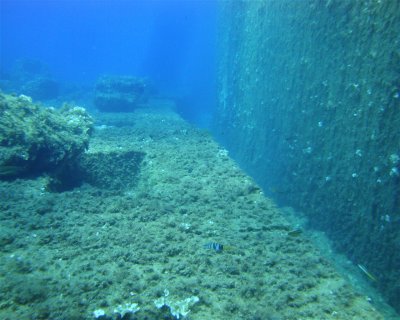
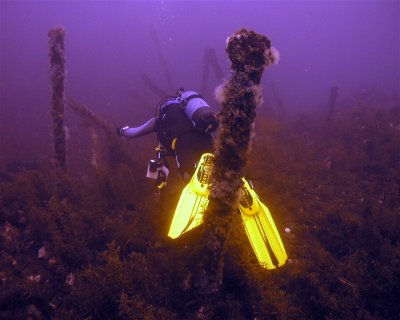
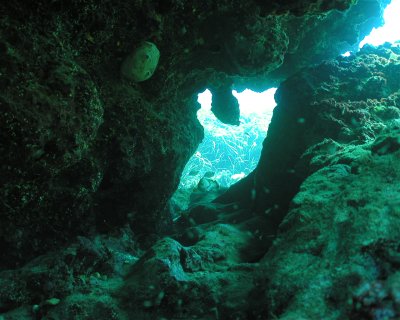
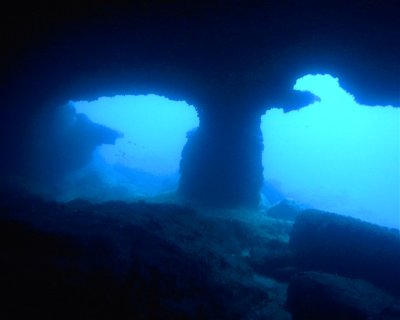
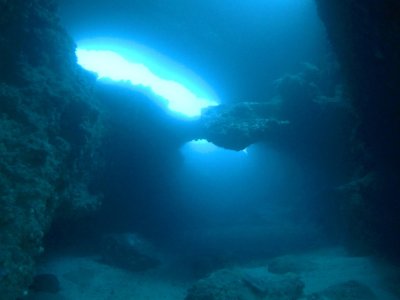
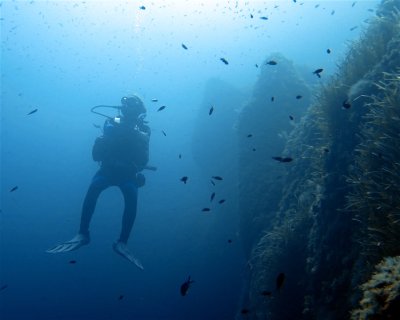
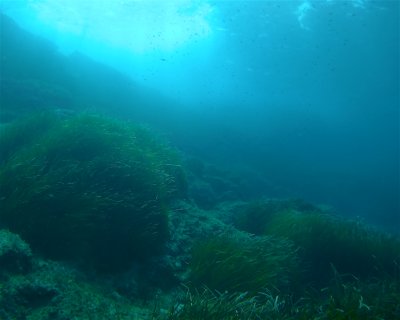
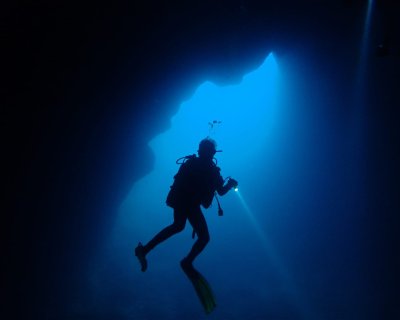
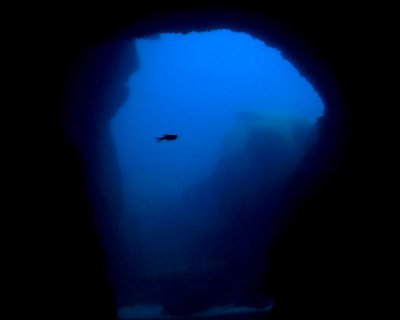
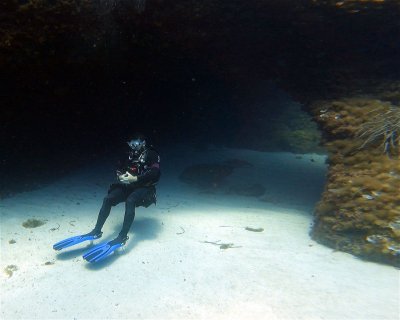
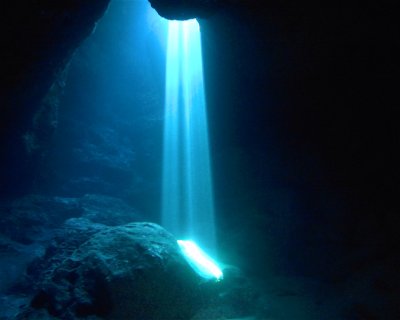
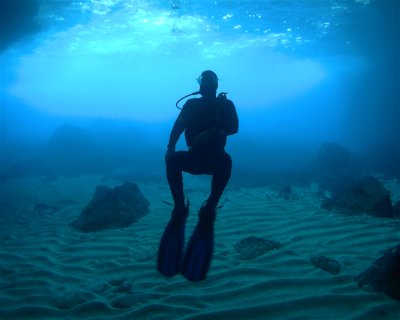
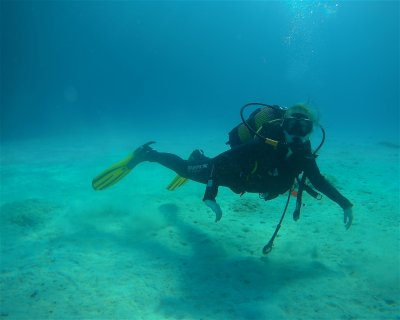
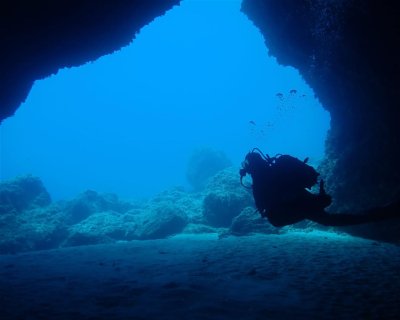
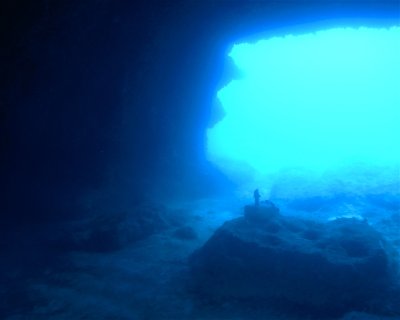
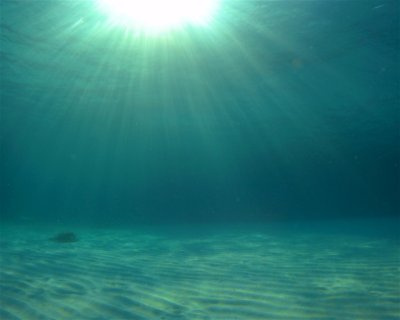
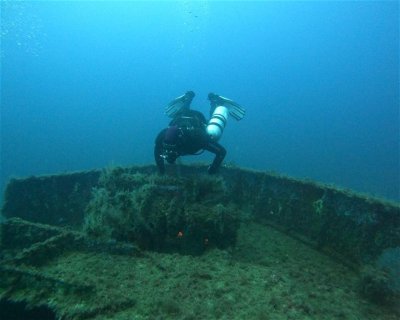
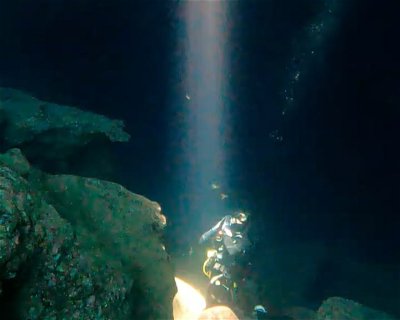
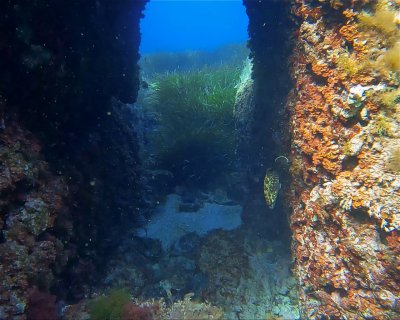
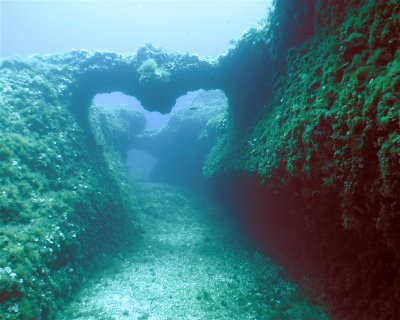
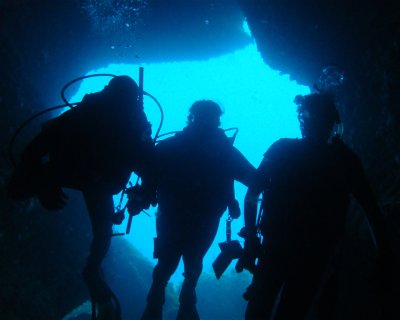
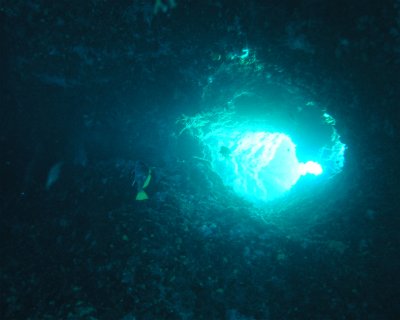
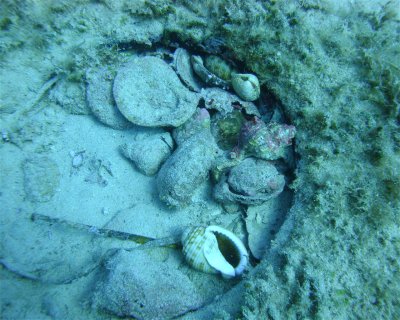
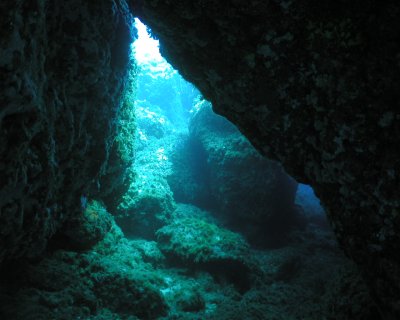
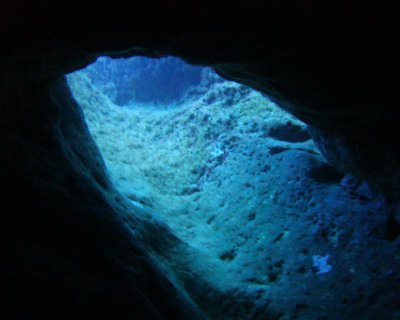
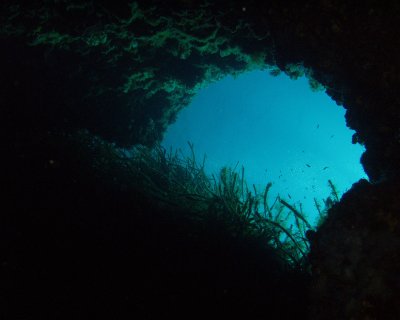
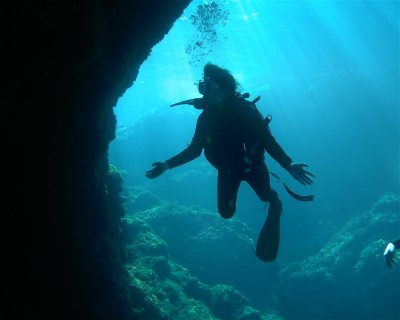
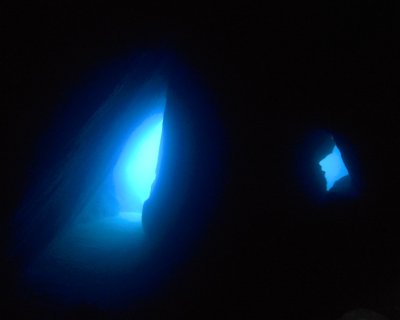
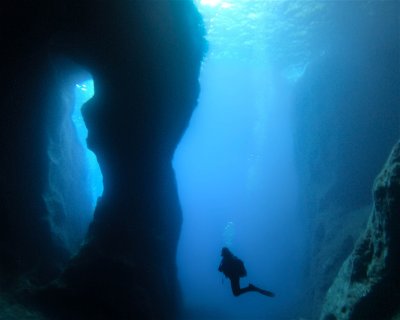
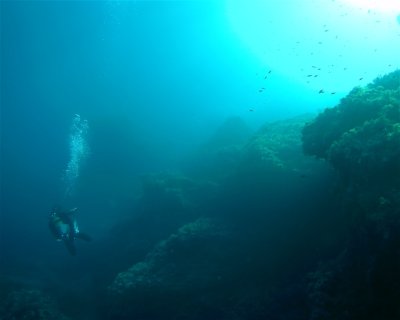
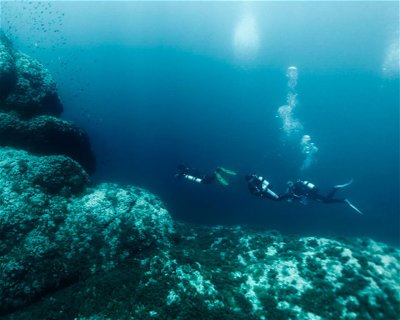
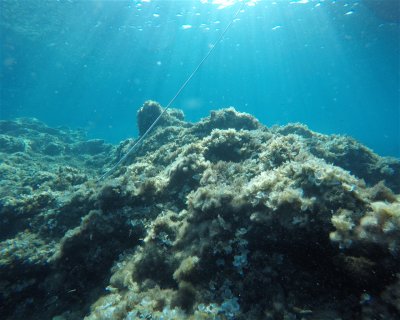
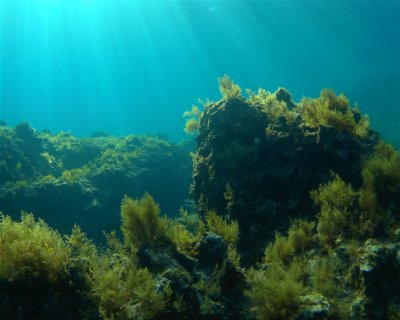
At the Marine Reserve of Isla del Aire and the North Menorcan Marine Reserve, divers will find incredible rock formations in the shape of caves, tunnels, canyons, and holes. Many of the caves are back-lit beautifully by the ethereal blue light of the ocean, such as Funnels which has an impressive shaft of light filtering from the ceiling. The shallow waters in the bay of Fornells are ideal for the training dives in dive courses while delving into the Menorca’s waters from Cala Blanca, beginners can explore the small wreck of a steam-powered sailing yacht at 12-metres deep.In the port of Addaia, on the west coast, dive rocky walls carpeted thick with vegetation before reaching tunnels that expand into grottos. Scuba diving from the port of the beautiful Ciutadella de Menorca, experience your first dive in the calm bay of White Cala while advanced divers can head deeper into the wreck of Malakoff. Wreck diving is possible from both the north and south coasts of Menorca, with sites suitable for every level of diver, from novice divers to technical divers.
As part of the Balearic Islands, belonging to Spain, Menorca’s water temperature ranges from 14°C in winter to 26°C at the peak of summer. The air temperature ranges from a minimum of 11°C in winter to a maximum of 25 °C in the summer months, with July and August being the hottest months. High season for visiting Menorca is during July through to September when the water temperature is at its most comfortable. However, scuba diving in Menorca is possible year-round if you don’t mind the colder water - just remember to don a thicker wetsuit than you would usually.
Rainfall is greatest in September through to November, which can have an impact on the visibility at dive sites. In the summer months, however, visibility is rarely less than 30-metres.
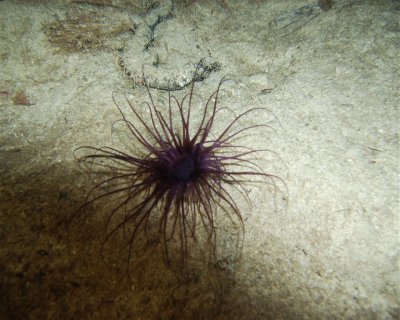
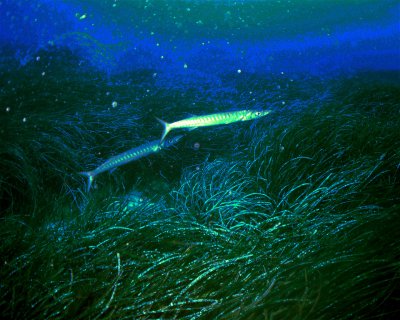
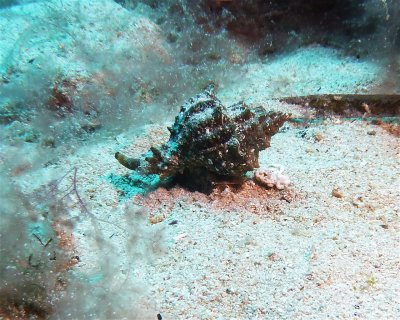
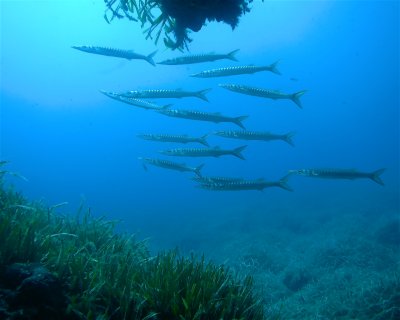
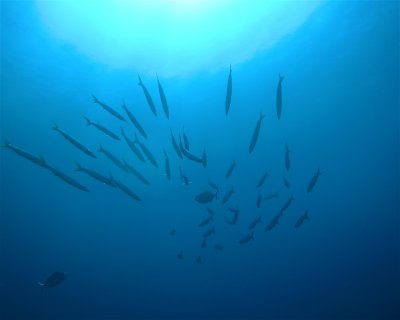
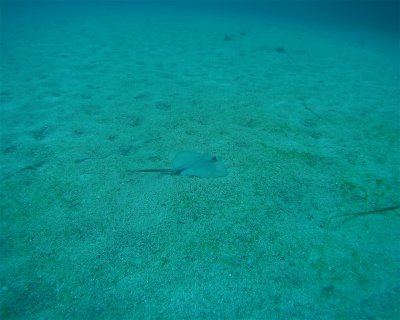
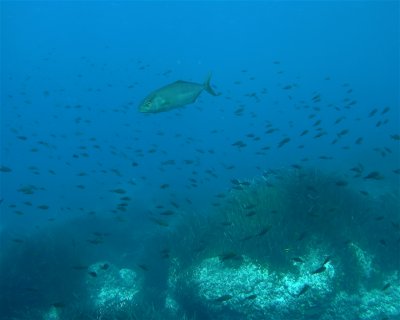
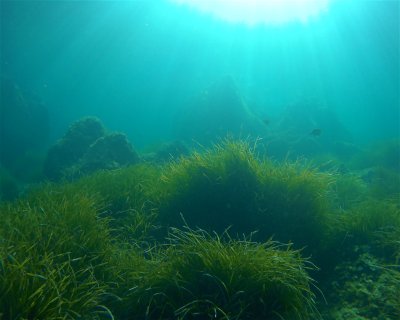
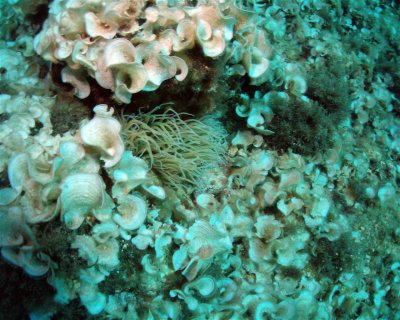
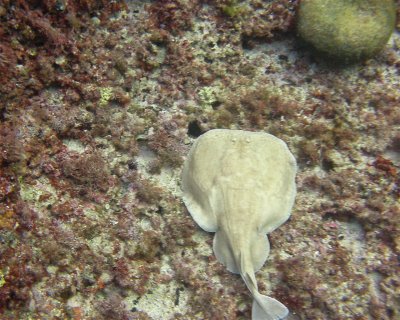
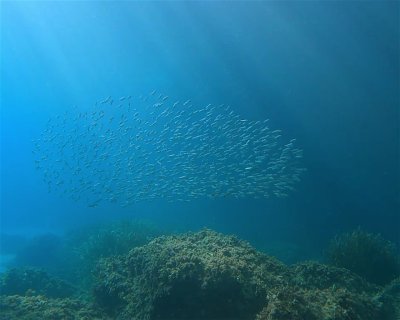
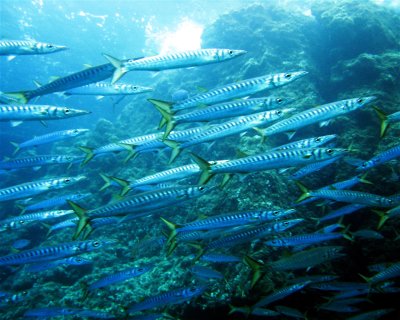
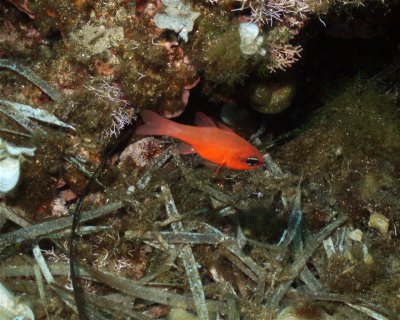
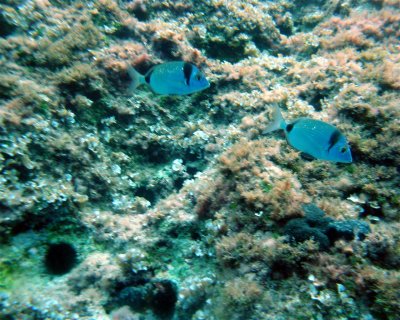
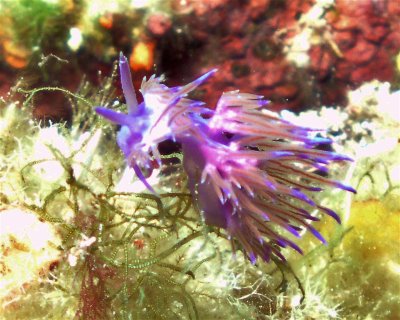
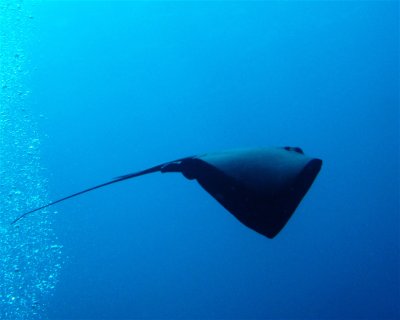
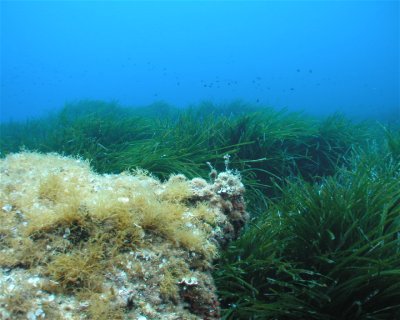
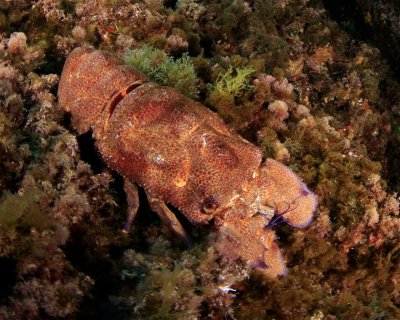
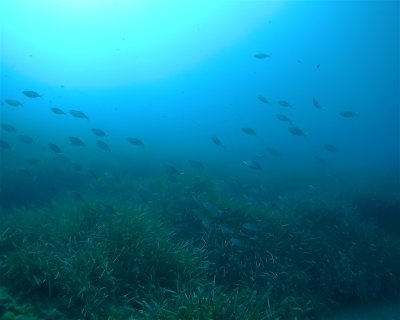
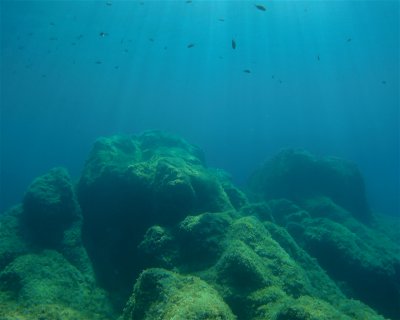
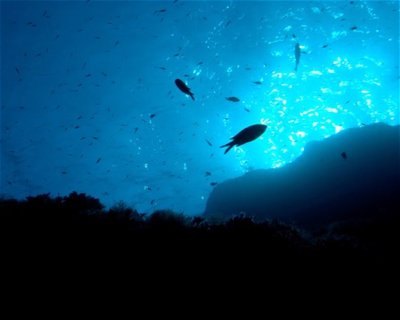
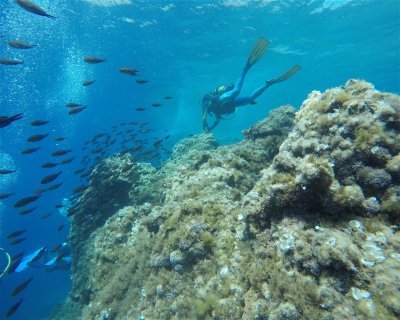
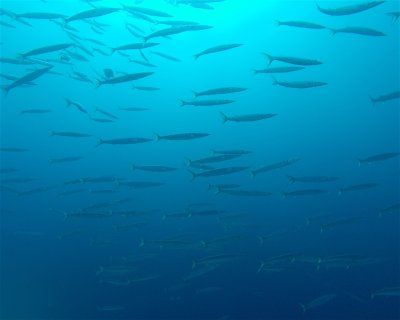
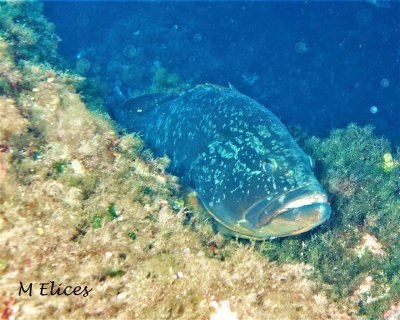
While the underwater landscapes of Menorca do not feature thriving coral reefs, a vast array of species known to the Meditteranean Sea inhabit the area. In the North Menorcan Marine Reserve, 628 benthic species have been recorded including the endangered red coral, Corallium rubrum, and the fan mussel. Lobsters are present in waters below the depth of 25-metres while it is common to see species such as moray eels, groupers, octopus and red mullet - especially in the marine reserves where fishing is prohibited.Many of the dive sites are a host to large schools of sea bream and barracuda while smaller reef fish such as damselfish are everywhere. At wrecks and sandy seabeds, divers may also encounter stingrays, rock cods and camouflaged scorpionfish. For those that count themselves as very lucky, you may even have the chance to witness the awe-inspiring ocean sunfish, which are known to frequent the waters surrounding the Balearic Islands.
Wildlife Sightings are Based on User Generated Content
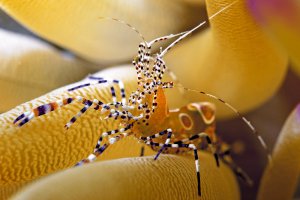
The image shown is a representative illustration and does not depict every individual animal in this category.
Total number of species approx.: 200
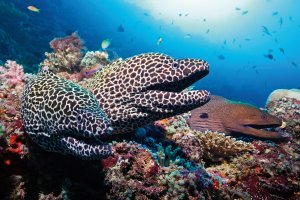
The image shown is a representative illustration and does not depict every individual animal in this category.
Total number of species approx.: 300
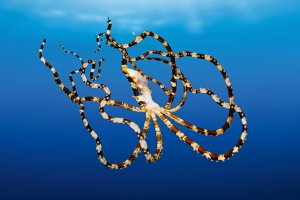
The image shown is a representative illustration and does not depict every individual animal in this category.
Total number of species approx.: 27
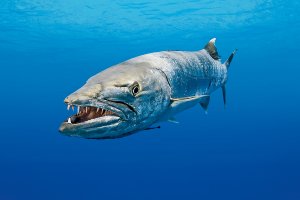
The image shown is a representative illustration and does not depict every individual animal in this category.
Total number of species approx.: 600
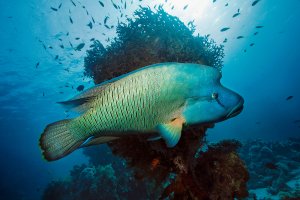
The image shown is a representative illustration and does not depict every individual animal in this category.
Total number of species approx.: 250
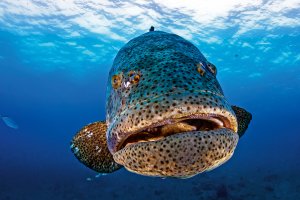
The image shown is a representative illustration and does not depict every individual animal in this category.
Total number of species approx.: 250
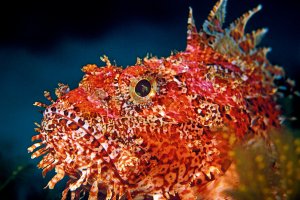
The image shown is a representative illustration and does not depict every individual animal in this category.
Total number of species approx.: 3000
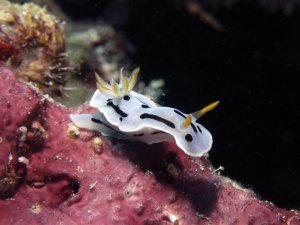
The image shown is a representative illustration and does not depict every individual animal in this category.
Total number of species approx.: 80
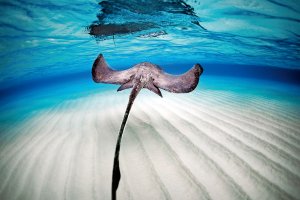
The image shown is a representative illustration and does not depict every individual animal in this category.
Total number of species approx.: 120
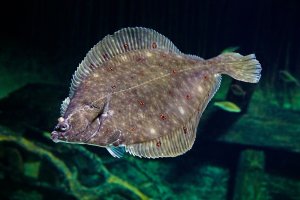
The image shown is a representative illustration and does not depict every individual animal in this category.
Total number of species approx.: 120
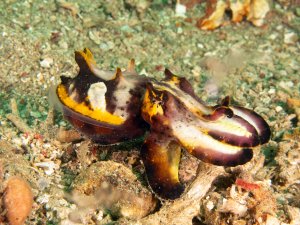
The image shown is a representative illustration and does not depict every individual animal in this category.
Total number of species approx.: 350
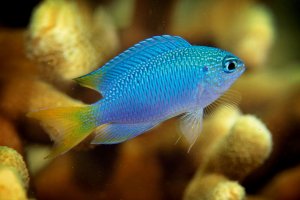
The image shown is a representative illustration and does not depict every individual animal in this category.
Total number of species approx.: 7000
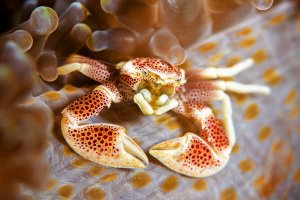
The image shown is a representative illustration and does not depict every individual animal in this category.
Total number of species approx.: 3400