Explore Karon Beach
Karon Beach, (AKA Karon Noi Beach), situated on the west side of Phuket island, is the third longest beach in the region. Located in southern Thailand, it’s south of Patong and north of Kata. All are popular holiday destinations, however, Karon attracts the most tourists to its large white sandy beaches.
Karon Beach has amazing spots for diving and snorkeling at its southern end, that are mostly shallow and very easy for beginners and advanced divers alike. Locals recommend sites like Karon Beach Reef, Karon Rock, and nearby Koh Po as morning dives for the best experience, as you’ll see just as many critters as you would at Racha Yai Island, without having to splash the cash nor spend the entire day diving. Dive operators here also run daily boat diving trips to nearby hotspots, like the Koh Racha Islands (Yai and Noi), Phi Phi Islands (Phi Phi Leh and Phi Phi Don), Koh Bida Islands (Bida Nok and Nai) and the world-famous King Cruiser Wreck, Shark Point and Anemone Reef, which are often dived back-to-back. Phuket-based liveaboards also depart for the iconic sites of the Similan and Surin Islands.
Dive centers and resorts that cater to all budgets are aplenty in this bustling location. Operators offer dive courses in a variety of languages, and are relatively inexpensive. It’s great for beginners to obtain an open water license thanks to calm seas and minimal current, while seasoned divers will enjoy advanced courses or specialty training, like wreck and cave diving, due to a number of fantastic training sites.
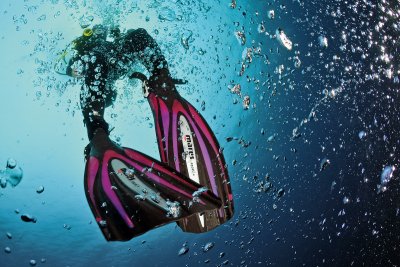
Dive Activity
Diving in Karon Beach
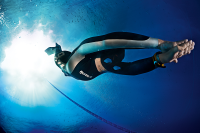
Karon and the entirety of Phuket diving typically involves reef diving, wall diving, wreck diving and boulder diving. At any dive site, expect magnificent numbers of diverse creatures, along with impressive topography. Shore diving is possible off Karon Beach itself, while dive operators in the area generally offer boat diving trips to sites further afield.
Top Wildlife Sightings in Karon Beach
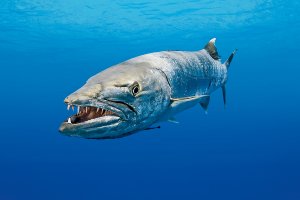
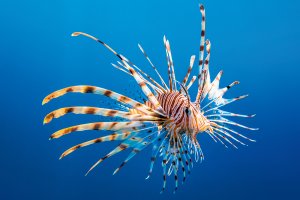
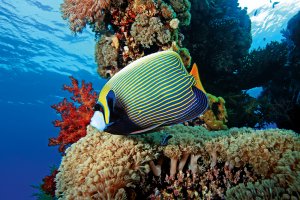
Expect to see a variety of hard and soft corals, sponges and sea fans. A myriad of tropical fish like angelfish, batfish, pufferfish, lionfish, scorpionfish, anemonefish, schools of snapper and barracuda all populate the colorful reefs. Other curious cuties include octopus, seahorses, cuttlefish, stingrays and various eel species, and macro beauties like nudibranch and shrimp.
Wildlife Sightings are Based on User Generated Content
The image shown is a representative illustration and does not depict every individual animal in this category.
Total number of species: 27
The image shown is a representative illustration and does not depict every individual animal in this category.
Total number of species: 200
Moray Eel
The image shown is a representative illustration and does not depict every individual animal in this category.
Total number of species: 12
Lionfish
The image shown is a representative illustration and does not depict every individual animal in this category.
Total number of species: 90
Angelfish
The image shown is a representative illustration and does not depict every individual animal in this category.
Total number of species: 250
Scorpionfish
The image shown is a representative illustration and does not depict every individual animal in this category.
Total number of species: 110
Snapper
The image shown is a representative illustration and does not depict every individual animal in this category.
Total number of species: 85
Surgeonfish
The image shown is a representative illustration and does not depict every individual animal in this category.
Total number of species: 100
Parrotfish
The image shown is a representative illustration and does not depict every individual animal in this category.
Total number of species: 40
Triggerfish
The image shown is a representative illustration and does not depict every individual animal in this category.
Total number of species: 130
Pufferfish
The best Months to dive in Karon Beach
With a year-round tropical season, diving is always possible in this region. Air temperatures range from 25°C-32°C, and water temperature is around 29°C all year. The high season runs from November to April, and experiences the least rainfall. Liveaboards also run during this period, especially to the Similan and Surin Islands. Waves and current are at their calmest, and visibility at its best. The low season from April to October has choppier seas and reduced visibility, but the diving is still great as critters remain unchanged and the water is warm. Plus, you’ll find great deals on diving and accommodation.