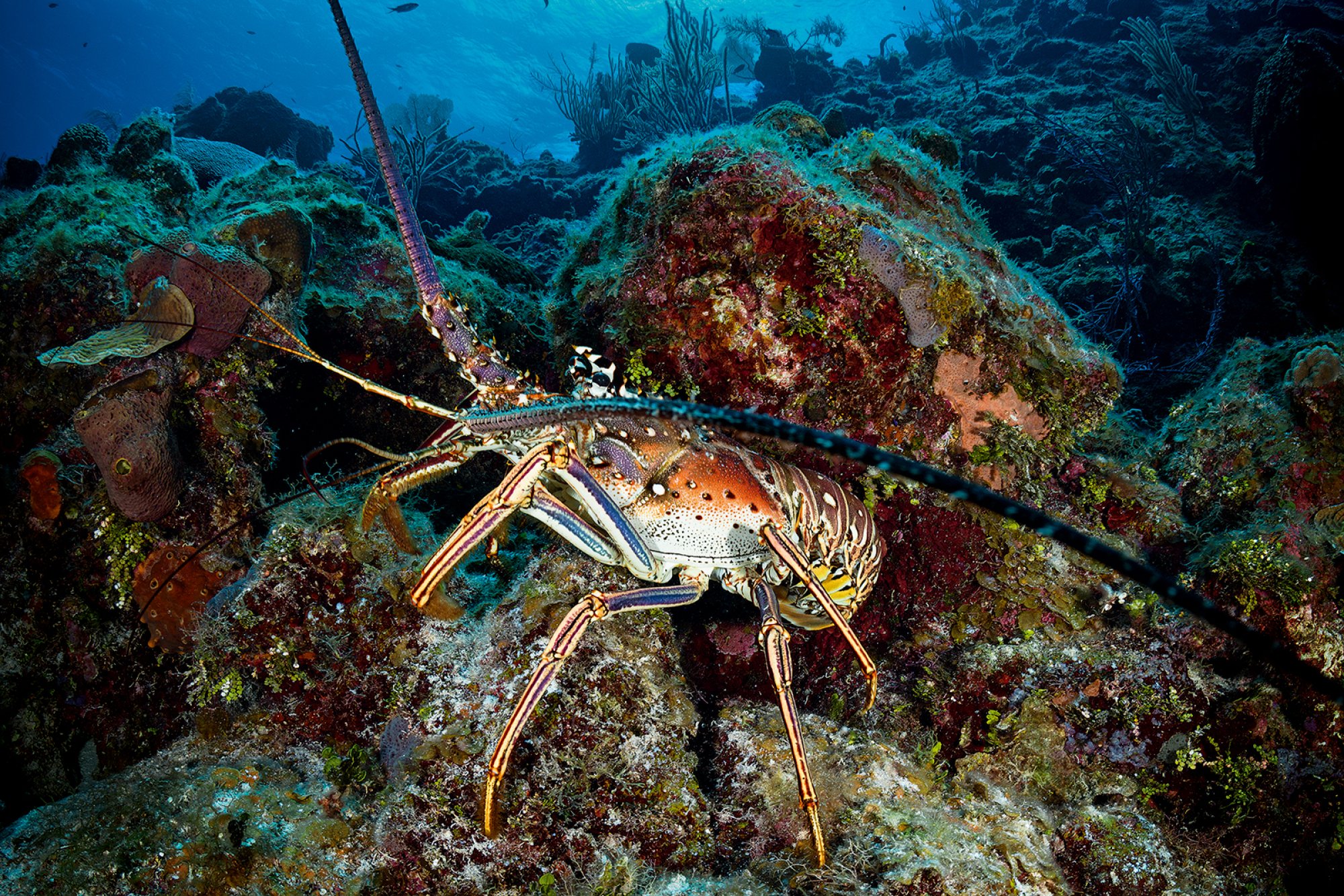
Diving with Spiny Lobsters
The Lobster’s clawless Cousin
Also known as rock lobster, spiny lobster is the common name given to over 60 different species of crustaceans within the family Palinuridae. Spiny lobsters lack the typical large pincers of common lobsters and have very long, thick antennas. You can find this nocturnal animal during the day in crevices and caves throughout the reef. Night diving is an excellent way to see them while they are out and active. Spiny lobsters migrate across the sea floor in large groups, with up to 50 animals sometimes creating a long line.
You can go dive with spiny lobster in almost all warm and tempered oceans like the Indian Ocean, the Mediterranean, and the Caribbean Sea. Due to their global distribution and abundance, diving with spiny lobsters is easy. Check out the map below for the nearest dive site where they have been encountered, and go diving with spiny lobster today!
Dive sites with this animal Show more on map
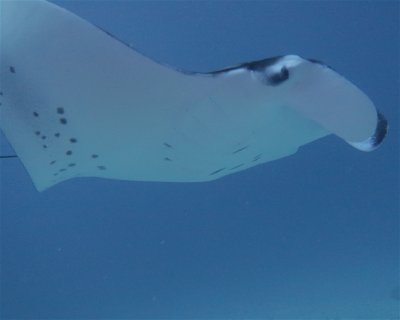
★★★★☆ Neyo Kanmathi
The reef top has something of a lunar landscape, despite or precisely because of this it is often a very special dive. The northern side often serves as a starting point when the current is draining from a steep wall over a sandy plateau to a normal slope. Manta rays between the end of September and November

★★★★☆ Kerkweg, Den Osse
Dive site Kerkweg in Den Osse is one of the most famous dive sites in Zeeland. Here you can dive from the jetty on oyster beds, an artificial reef of reefballs and many other hard substrate that is nicely overgrown. The maximum depth is about 30 metres, but you will find most life in the shallow water.
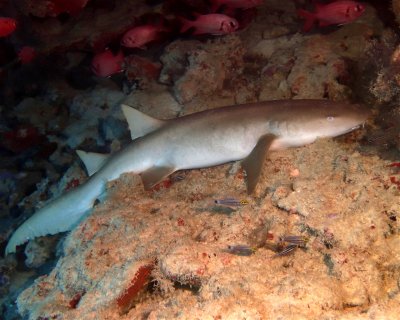
★★★★☆ Kudathulhaadhoo Caves
Drift dive along Kudathulhaadhoo Island. Large overhang with soft corals in the west, caves in the middle, and a small bay and the tip in the east is full of fish
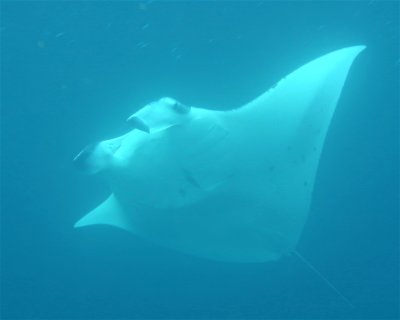
★★★★☆ Kottefaru Kanmathi
A very nice drift dive over several hundred meters along the island of Kottefaru. The top reef is made of hard corals that drop from 4 to 8m, sloping down to 15m, then a wall that drops far more than 30m. On the top reef between June and November the site becomes a cleaning station for mantas.
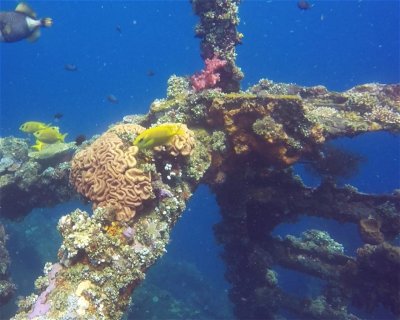
★★★★★ USAT Liberty Wreck
This is the only historical shipwreck in Bali, ranked #3 in the world for Wreck diving! The wreck is 25 meters form shore at a depth of 4 to 29 meters below the surface with most of it occuring in a shallow area. This dive site does not have strong currents, has clear water, and warm temperatures. Difficult entry!
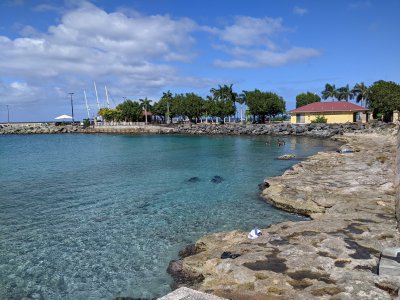
★★★★☆ Frederiksted Pier
One of the top macro dives anywhere! Scattered ruins and columns are coral encrusted and provide habitat for many types of shallow sea life. The pier is 1526ft/465m long so lots to discover with a gradual westerly decline. Perfect for snorkeling & non-certified divers too.