Explore Acapulco
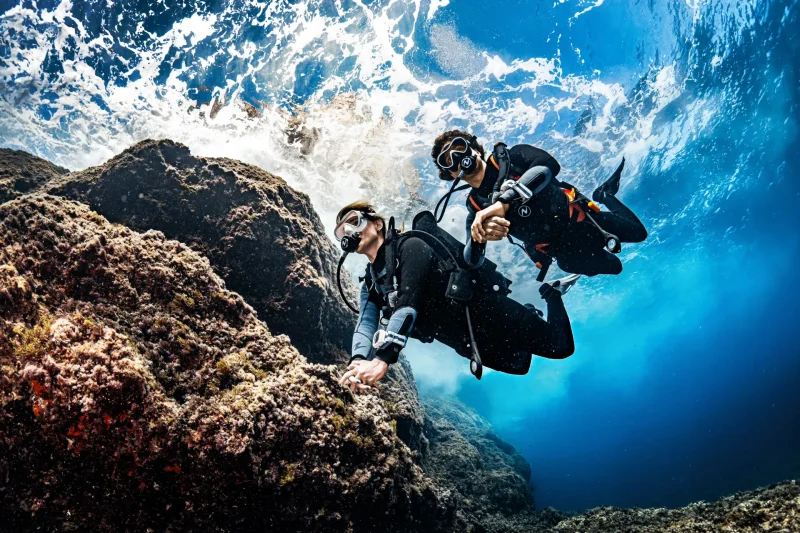
Acapulco is a beach resort town and major port city located on Mexico’s Pacific (west) coast, in the state of Guerrero. It is located on a large bay, Acapulco Bay, which you may have heard Frank Sinatra singing about in his hit song, “Come Fly With Me”. Less than 500 meters/1,640.4 feet offshore near the mouth of Acapulco Bay is the island of La Roqueta. With a length of less than 2 kilometers/1.2 miles and a steep wall, this small island has some of the most popular dive sites of this area.
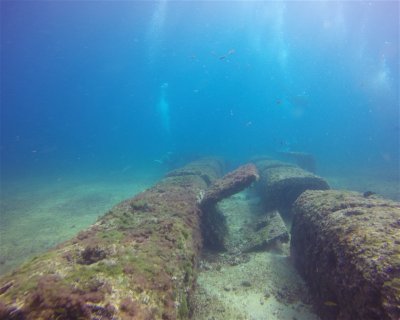
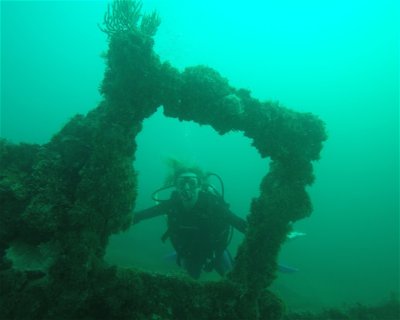
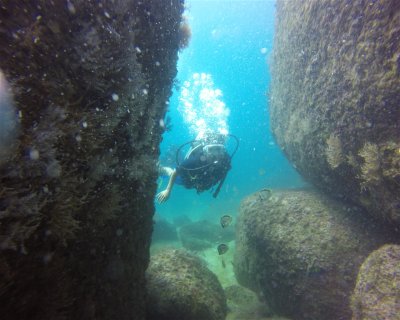
Acapulco covers the whole spectrum of cave-, wall-, drift-, wreck-, and reef-diving opportunities, making this a versatile dive destination. Beginners and advanced divers alike will have memorable dive experiences at Acapulco. The more advanced dive sites tend to be farther offshore, with the easier dive sites located in the sheltered Acapulco Bay.
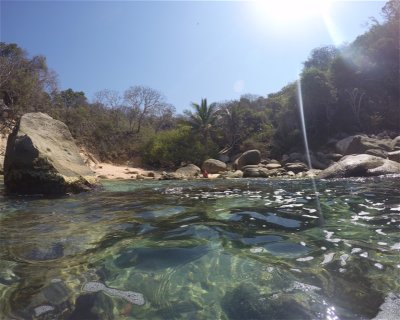
Due to Acapulco’s rocky coastline, shore diving is not recommended. Various local dive shops in the area offer daily boat trips out to the dive sites in Acapulco Bay and its environs. There are no dive sites that are far offshore from Acapulco, so liveaboard dive boats are not part of the dive tourism in this area.
Dive Activity
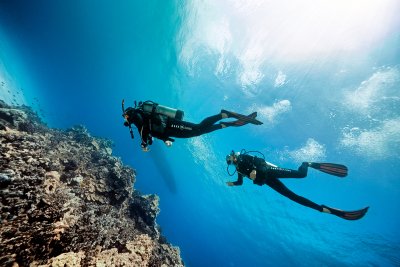
Diving in Acapulco
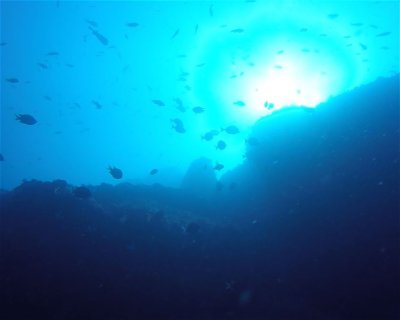
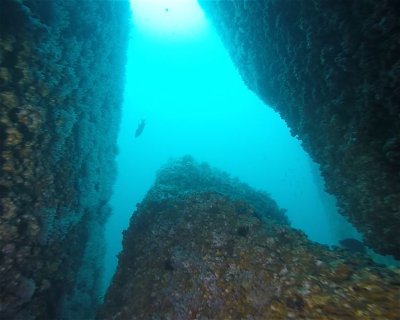
Acapulco boasts a wide array of diving opportunities. Closer to shore, in the protected Acapulco Bay, divers will find rocky and colorful reef dives and wreck dives, such as “Rio de La Plata”. At the mouth of Acapulco Bay near La Roqueta Island and just north along the coast are more advanced wall dives such as “La Cuevas” and “Los Bajos de la Quebrada”. These wall dive sites tend to also have a moderate to strong current and can therefore be approached as a drift dive as well.
Top Wildlife Sightings in Acapulco
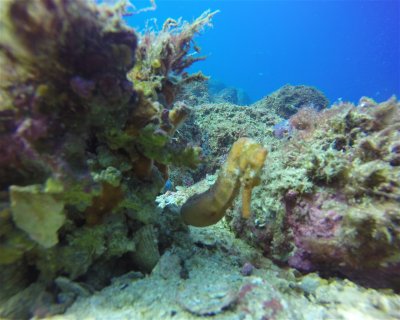
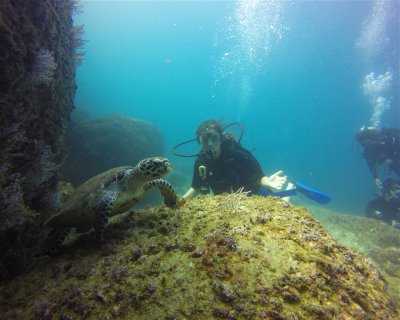
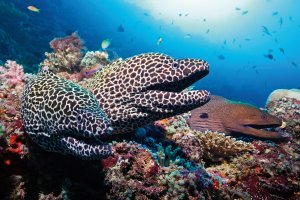
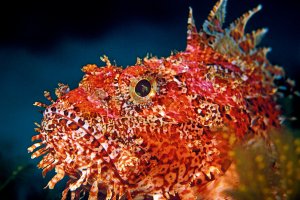
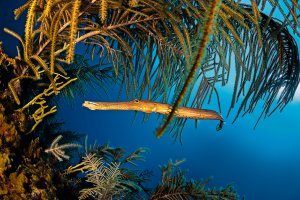
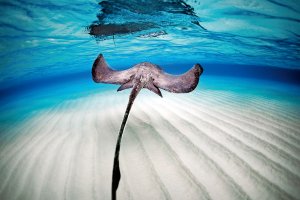
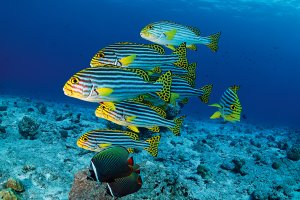
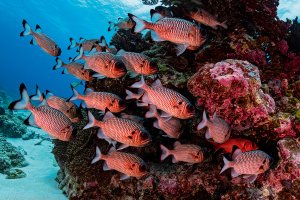
The rocky reefs of Acapulco Bay are home to many tropical fish such as balloonfish, boxfish, trumpetfish, scorpionfish, surgeonfish, and blennies. Other types of marine fauna that can be found are sea stars, octopus, stingrays, eagle rays, sea turtles, and moray eels. In the wintertime, whale sharks and humpback whales can be spotted just offshore, attracted by the plankton blooms that occur in the cooler surface waters.
Wildlife Sightings are Based on User Generated Content
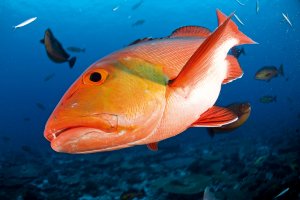
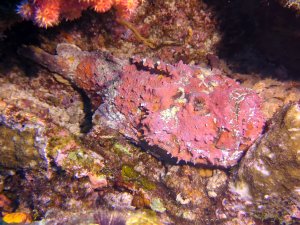
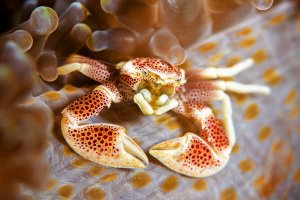
The image shown is a representative illustration and does not depict every individual animal in this category.
Total number of species: 200
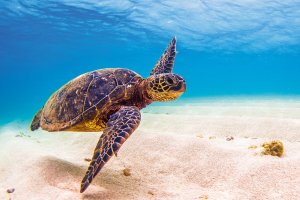
Green Turtle
The image shown is a representative illustration and does not depict every individual animal in this category.
Total number of species: 25
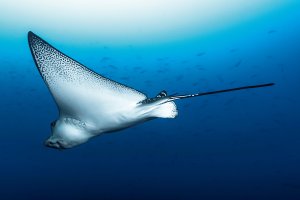
Eagle Ray
The image shown is a representative illustration and does not depict every individual animal in this category.
Total number of species: 300
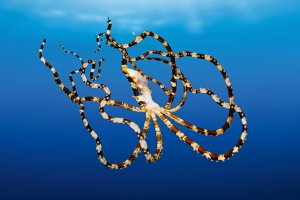
Octopus
The image shown is a representative illustration and does not depict every individual animal in this category.
Total number of species: 600
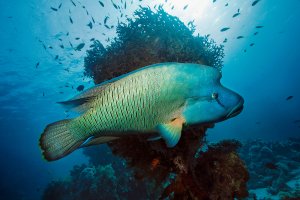
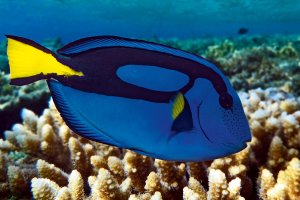
Wrasse
The image shown is a representative illustration and does not depict every individual animal in this category.
Total number of species: 130
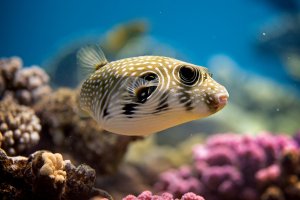
Pufferfish
The image shown is a representative illustration and does not depict every individual animal in this category.
Total number of species: 20
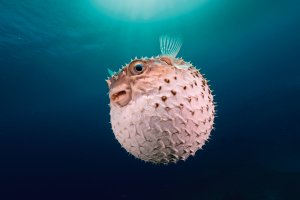
Porcupinefish
The image shown is a representative illustration and does not depict every individual animal in this category.
Total number of species: 130
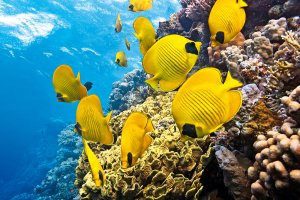
Butterfly Fish
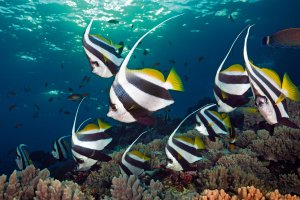
The image shown is a representative illustration and does not depict every individual animal in this category.
Total number of species: 90
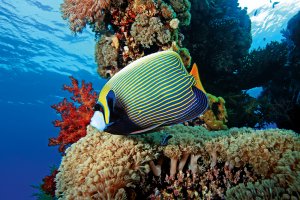
Angelfish
The image shown is a representative illustration and does not depict every individual animal in this category.
Total number of species: 25
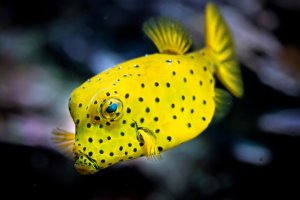
Boxfish
The best Months do dive in Acapulco
The best time to dive in Acapulco is during the wintertime, from November through May. This is when ocean conditions are calmest and weather is most favorable. Divers may also come across pelagic species such as whale sharks. The whale sharks are attracted to plankton blooms, however, which reduce visibility during these months. Therefore, if you are hoping to dive in conditions with maximum visibility, you should plan your trip to Acapulco in the summer (June through October). This is also when the water is warmest, reaching 24°C/75°F in August and September. Be mindful that this window overlaps with hurricane season in this region, which has cut short or cancelled many a trip to this region!