Julian Rocks - Nursery (★4.3)
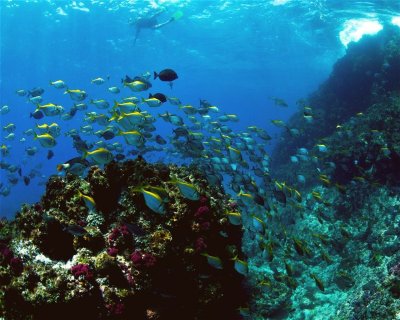
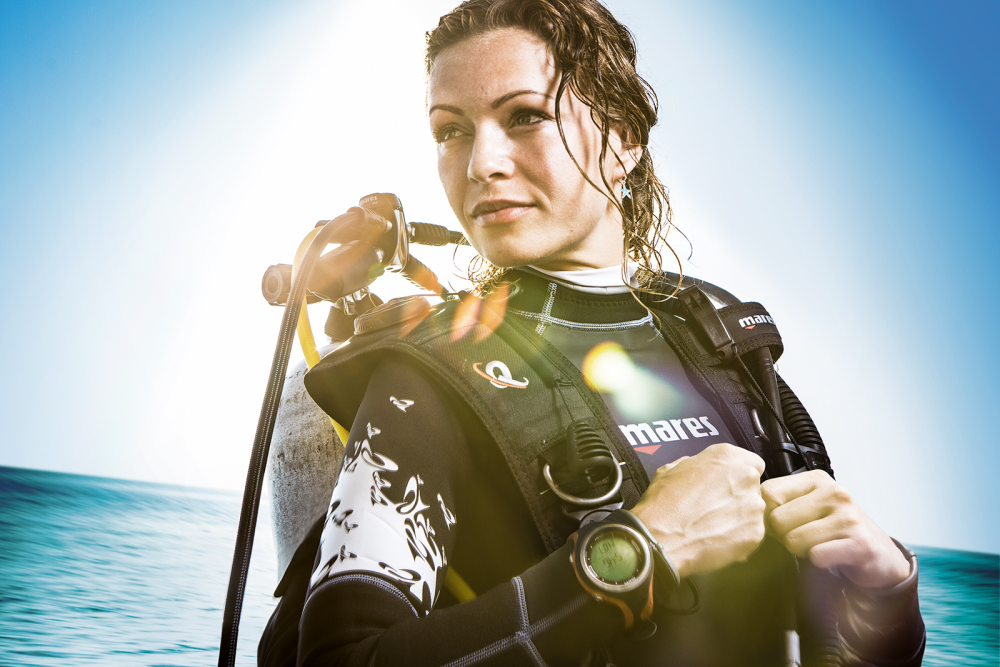
The perfect site for new divers, old divers, and snorkelers alike, with a protected shallow haven of 5-12m, this area is a very popular dive site.
 © Mares
Byron Bay, situated in the north-east of New South Wales, is an enchanting dive destination, often compared to an "Australian Galapagos". This picturesque locale is a diver's paradise, offering warm, turquoise waters teeming with marine life. The jewel in its diving crown is the Julian Rocks Marine Reserve, located just 2.5 km offshore. Here, divers can explore six stunning dive sites that boast incredible biodiversity. Over 1,000 marine species call this reserve home, including three types of turtles, numerous fish species, and majestic manta rays. The presence of various sharks adds a thrilling element to the underwater adventure. Diving in Byron Bay caters to both beginners and seasoned divers, with plenty of dive centers and resorts to choose from. Shore dives are common due to the proximity of dive sites to the coast, eliminating the need for liveaboards. Marine life encounters are abundant, ranging from playful dolphins to occasionally spotted humpback whales during their migration season. Dive sites like Needles, Hugo’s Trench, and Elwood Trench offer diverse experiences, from exploring vibrant coral gardens to discovering hidden marine invertebrates. Byron Bay's dive environment, rich with surprises, ensures an unforgettable underwater journey.
All diving in Byron Bay is boat diving, as most sites are a few minutes boat journey offshore. Many of these sites have shallow maximum depths, ideal for beginner divers. The reefs here are healthy and stunning, carpeted in hard and soft corals, sponges and anemones, which act like a magnet to the abundant reef fish. Warm and cold water currents combine to bring the diverse mix of cold water and tropical fish found here.
Further out there is the remote Windarra Banks, 16km out at sea. Populated by coral bommies, with a deep and sandy bottom, it hosts some truly magnificent pelagic encounters. There is also the opportunity to dive a wreck here - an old trawler which sank in 2008.
Diving in Byron Bay is possible year round due to the warm and humid subtropical climate. The winters (May - September) tend to be mild with daily highs of 19oC and water temperatures of 23oC. A full length 3mm is often sufficient. The summers (November - March) are hot, with daily temperatures of 27oC and water temperatures of the same.
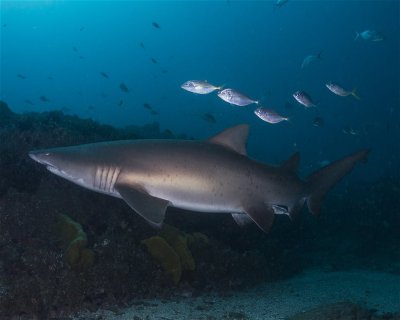
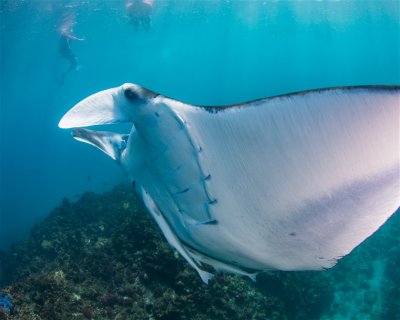
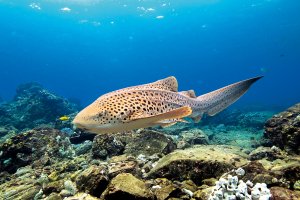
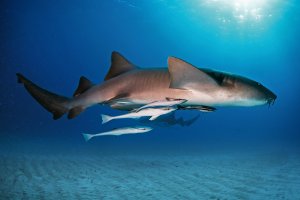
Some species are seen at specific times of the year. Grey nurse sharks are seen in the winter months between May and November, as are humpback whales, who pass through on their yearly migration. From December to May, you can see the elegant manta rays and the elusive leopard sharks.
The summer months are the most popular with tourists in Byron Bay. Though diving is slightly colder in winter, it is also quieter, offering a different vibe to the busy summertime.
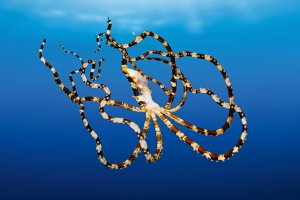
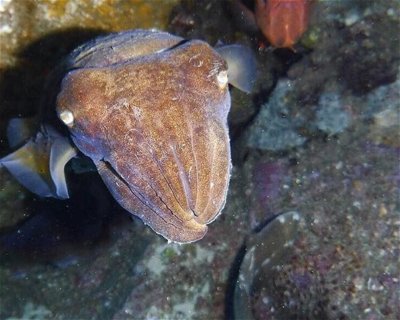
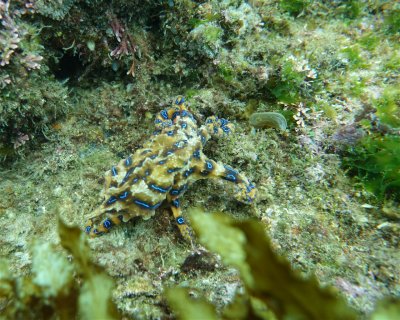
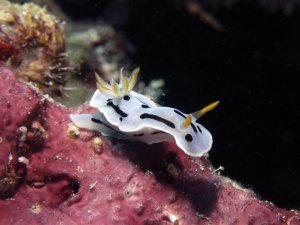
Cooler water, combined with the warm northerly currents, brings health and nutrients to the reef here, which is richly populated with fish and benthic life. Photographers will love that you can find abundant macro life - nudibranch, shrimps and crabs will keep you engaged for hours. Other common finds on the reef are moray eels, octopus, cuttlefish, Spanish dancers and frogfish.
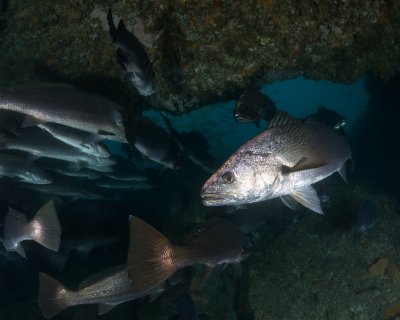
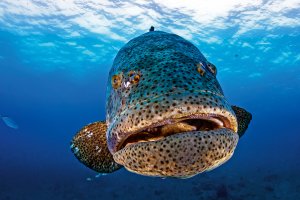
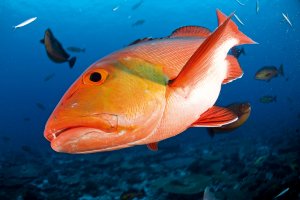
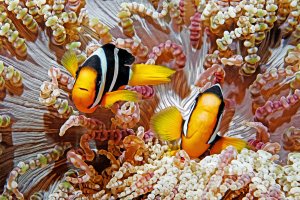
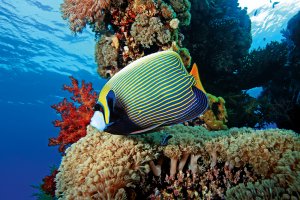
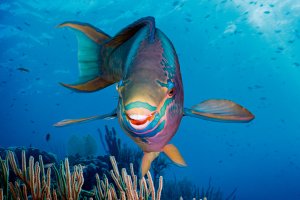
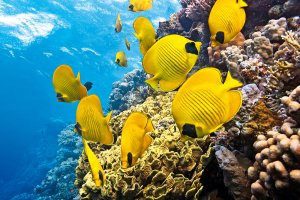
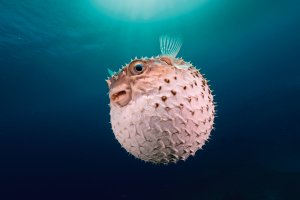
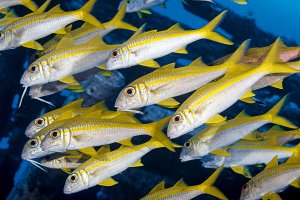
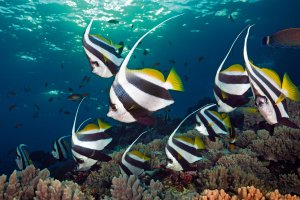
Reef fish dart everywhere in their thousands. Colourful specimens include anemonefish, parrotfish, damselfish, pineapple fish and many more. There are also huge pelagic and big game fish found in these waters like kingpins, black marlin, cod and schools of silver fish.
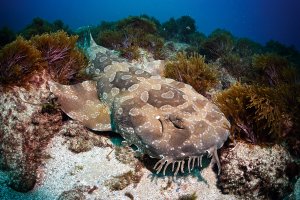
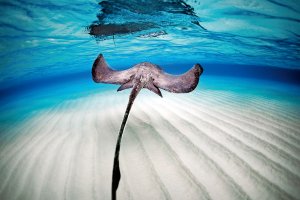
There are 3 types of turtle found here - green, hawksbill and loggerhead. Stingrays, eagle and bull rays can all be seen flying in formation. Several species of shark are found, such as the grey nurse shark (found in winter), leopard sharks (found during the summer) and the wobbegong. Also in the summer are the beautiful manta rays. In the winter, you can hear the haunting song of the humpback whales, which can occasionally be seen on the deeper sites.
Wildlife Sightings are Based on User Generated Content
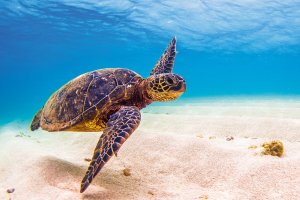
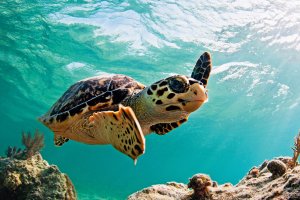
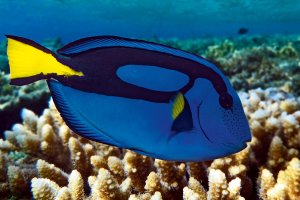
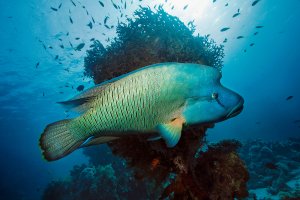
The image shown is a representative illustration and does not depict every individual animal in this category.
Total number of species approx.: 25
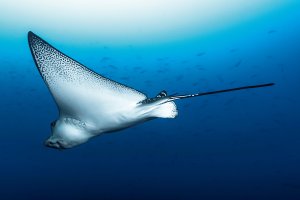
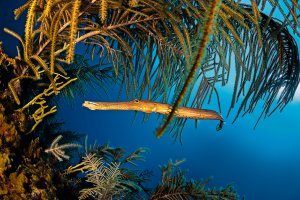
The image shown is a representative illustration and does not depict every individual animal in this category.
Total number of species approx.: 200
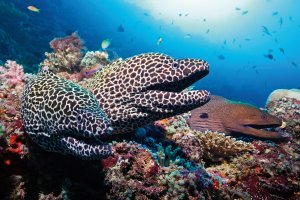
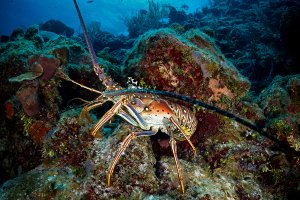
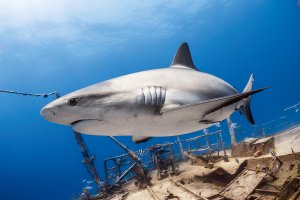
The image shown is a representative illustration and does not depict every individual animal in this category.
Total number of species approx.: 3
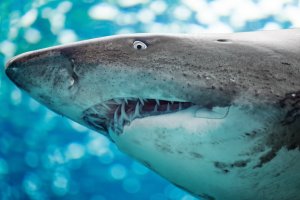
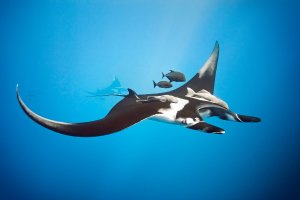
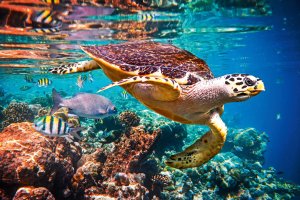
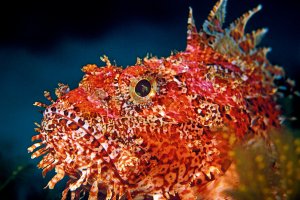
The image shown is a representative illustration and does not depict every individual animal in this category.
Total number of species approx.: 600
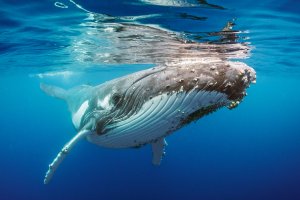
The image shown is a representative illustration and does not depict every individual animal in this category.
Total number of species approx.: 300