Plymouth
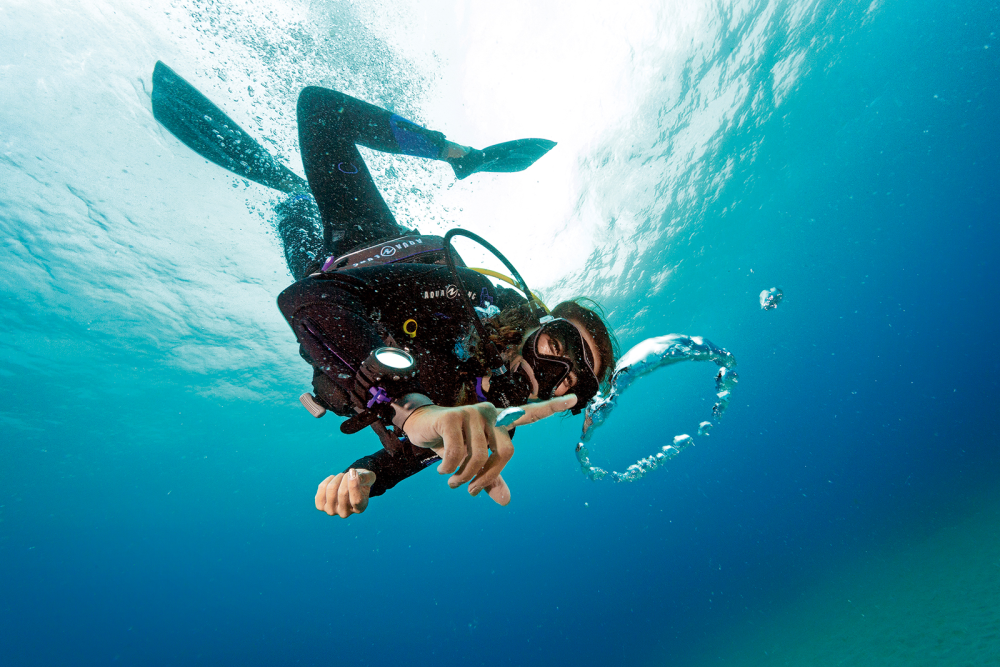
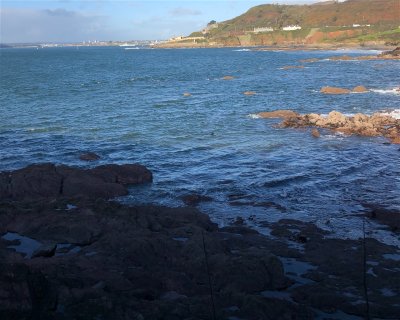
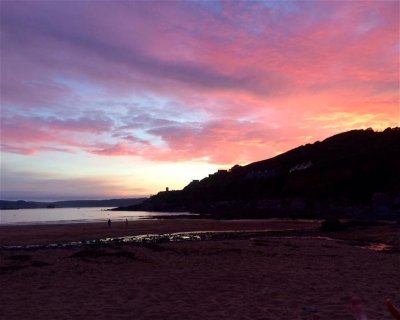
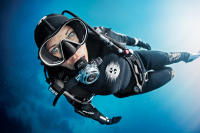
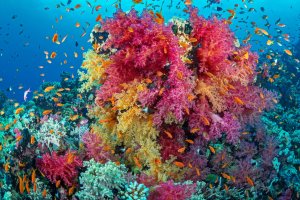
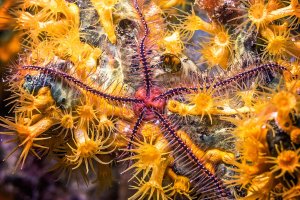
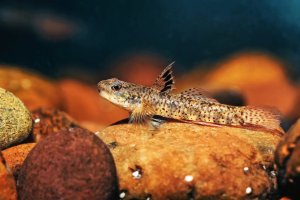
The Plymouth area of Devon is a great area for diving, known for its good mix of reefs and shipwrecks.
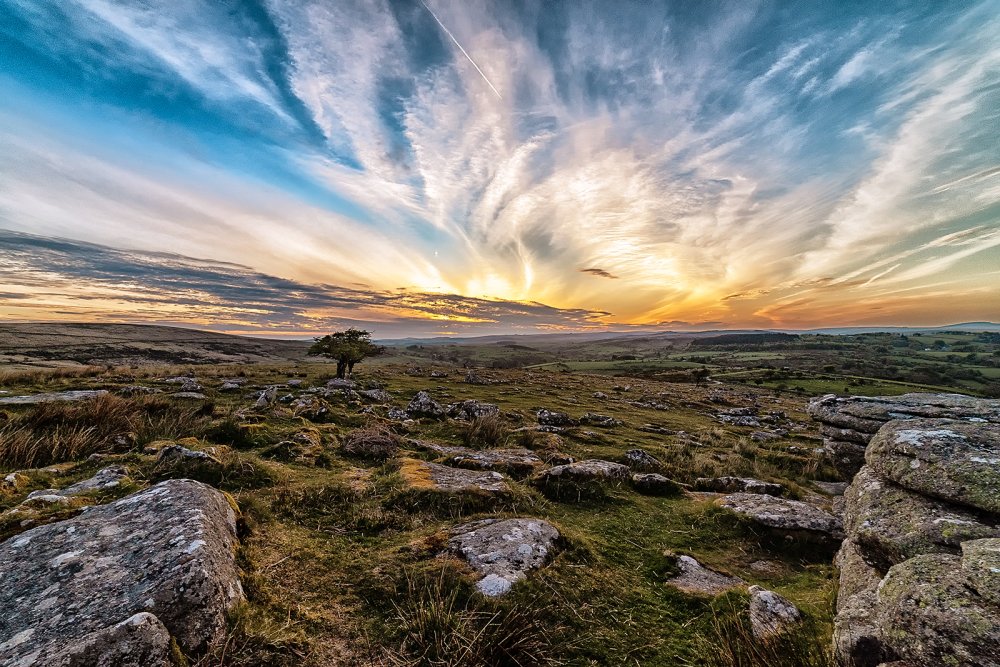 © iStock/Will Tudor
Diving in Devon, affectionately known as Devonshire, offers a unique and diverse underwater experience that appeals to both novice and seasoned divers. Nestled between the Celtic Sea and the English Channel, Devon provides a vibrant marine landscape that is as varied as its coastal geography. In the south, divers can explore an impressive array of shore diving opportunities teeming with marine life. The rocky reefs, bustling with colorful fish and intricate coral structures, are a delight for macro photography enthusiasts. Meanwhile, the hundreds of shipwrecks scattered along the coast offer a fascinating glimpse into history, with visibility ranging from 5 meters/16 feet to 20 meters/66 feet depending on conditions.
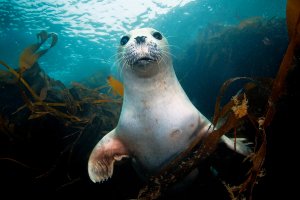
In the north, boat trips to Lundy Island present an unmissable chance to swim alongside playful seals and discover the island's rich marine biodiversity. Frequent departures from Ilfracombe make it easy to reach these captivating sites. The southern departure points, including Plymouth, Torquay, Dartmouth, and Teignmouth, offer convenient access to both reefs and wrecks, ensuring that divers can experience the best of Devon's underwater wonders. With its stunning natural scenery, welcoming beaches, and the cultural richness of Plymouth Sound, Devon truly stands out as a compelling dive destination, making each dive a memorable adventure.
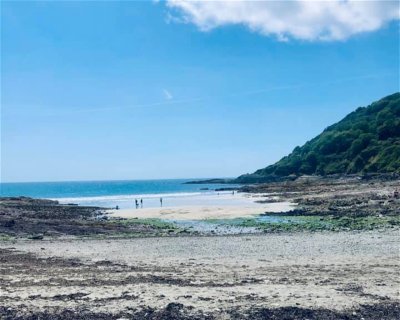
Devon offers a diverse array of dive sites that cater to both novice and experienced divers. Notable wreck dives include the "Moldavia" and "Persier," which are popular for their historical intrigue and thriving marine life. These submerged vessels are home to an array of fish species, providing a fascinating glimpse into underwater ecosystems. For shore diving enthusiasts, the shores around Babbacombe and Thurlestone offer easy access to vibrant reefs teeming with life. Night dives in these areas reveal unique behaviors of marine organisms, creating unforgettable experiences. While liveaboard options are limited, shore dives offer ample opportunities for exploration, making Devon a well-rounded destination for dive travelers.
Diving in Devon offers a variety of experiences throughout the year, with conditions influenced by seasonal changes. Winter water temperatures typically range from 8°C–10°C/46°F–50°F, while summer sees temperatures increase to 15°C–18°C/59°F–64°F. Visibility can vary significantly due to weather and sea conditions, generally ranging from 5 to 15 meters/16 to 49 feet.
Wind and currents are important factors to consider, with the summer months offering more stable conditions. Despite being possible year-round, diving is less favorable during the winter due to colder water and reduced visibility. Spring and autumn can also present challenging conditions, so planning around these factors can ensure a safer and more enjoyable dive.
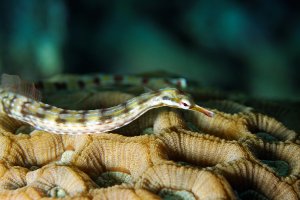
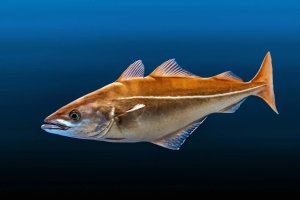
Devon's marine life is vibrant and diverse due to its mix of rocky reefs, sandy bottoms, and seagrass beds. Common reef fish include colorful wrasse, pollock, and blennies, which populate the rocky underwater landscapes year-round. During the spring and summer months, divers may encounter large shoals of mackerel and bass, offering spectacular underwater displays.
Seasonal highlights in Devon include the occasional sightings of basking sharks, particularly near the coast in late spring and early summer. These gentle giants can often be seen feeding on plankton-rich waters. In addition, the area is known for sporadic sightings of leatherback turtles during warmer months, though they are rare. Rays, such as the spotted ray, are more frequently encountered around sandy seabeds. The likelihood of encountering these species varies, with basking sharks and turtles being less predictable compared to the more commonly seen reef fish.
Wildlife Sightings are Based on User Generated Content
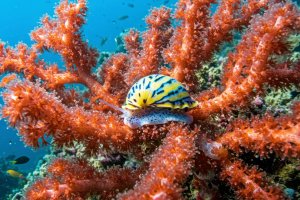
The image shown is a representative illustration and does not depict every individual animal in this category.
Total number of species approx.: 600
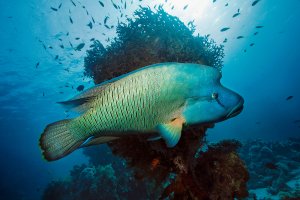
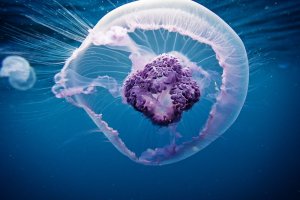
The image shown is a representative illustration and does not depict every individual animal in this category.
Total number of species approx.: 300
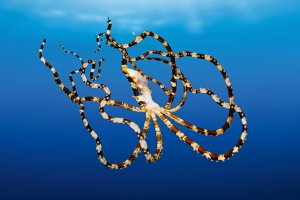
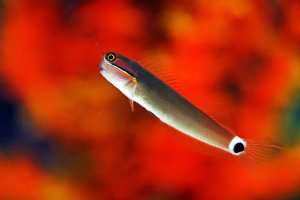
The image shown is a representative illustration and does not depict every individual animal in this category.
Total number of species approx.: 7000
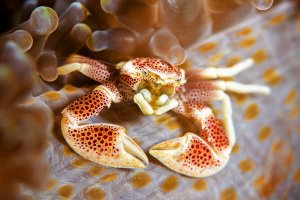
The image shown is a representative illustration and does not depict every individual animal in this category.
Total number of species approx.: 3000
The image shown is a representative illustration and does not depict every individual animal in this category.
Total number of species approx.: 55
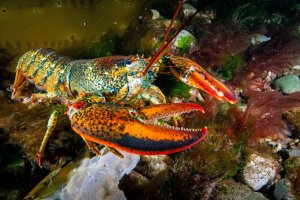
The image shown is a representative illustration and does not depict every individual animal in this category.
Total number of species approx.: 120
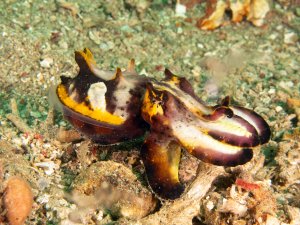
The image shown is a representative illustration and does not depict every individual animal in this category.
Total number of species approx.: 60
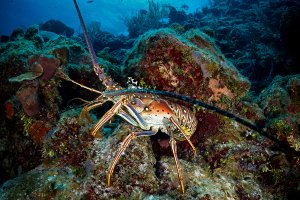
The image shown is a representative illustration and does not depict every individual animal in this category.
Total number of species approx.: 3400
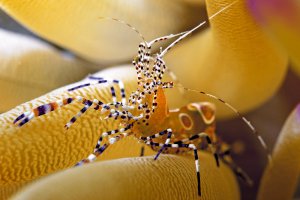
The image shown is a representative illustration and does not depict every individual animal in this category.
Total number of species approx.: 190
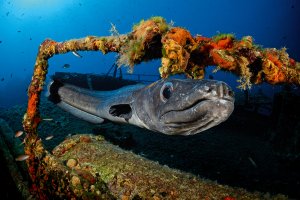
The image shown is a representative illustration and does not depict every individual animal in this category.
Total number of species approx.: 130