Nosy Sakatia
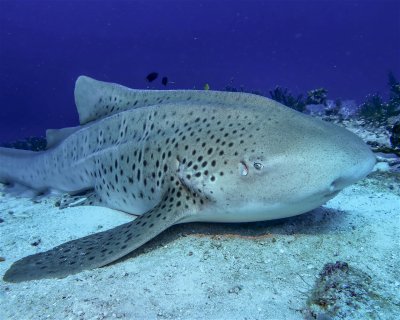
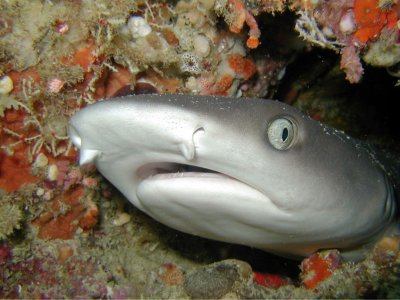
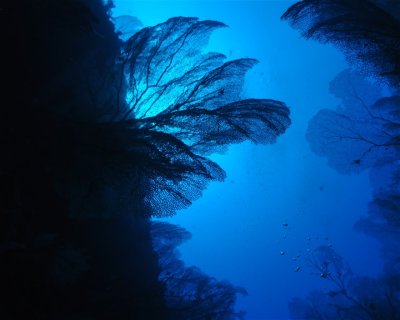
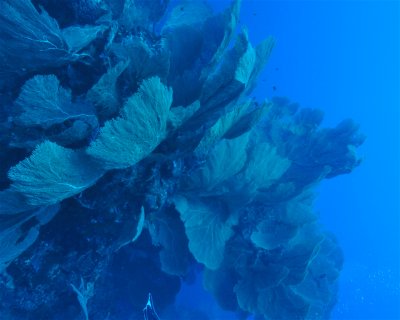
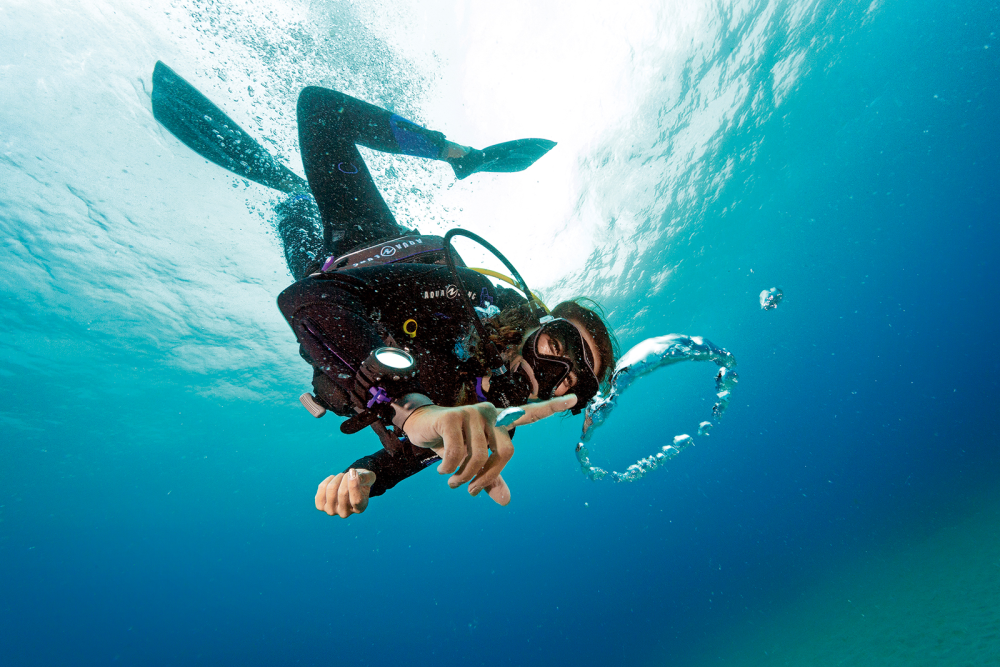
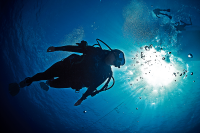
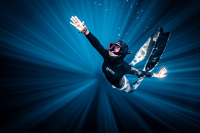
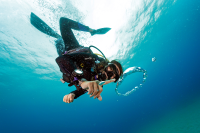
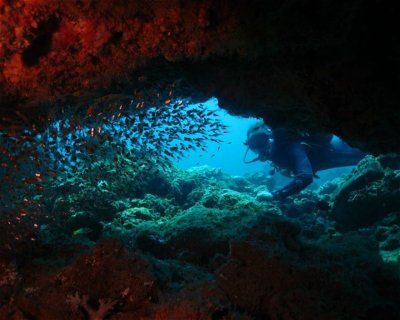
Diving Nosy Sakatia offers an abundance of plateaus and drop-offs, making up a multitude of dive site choices.
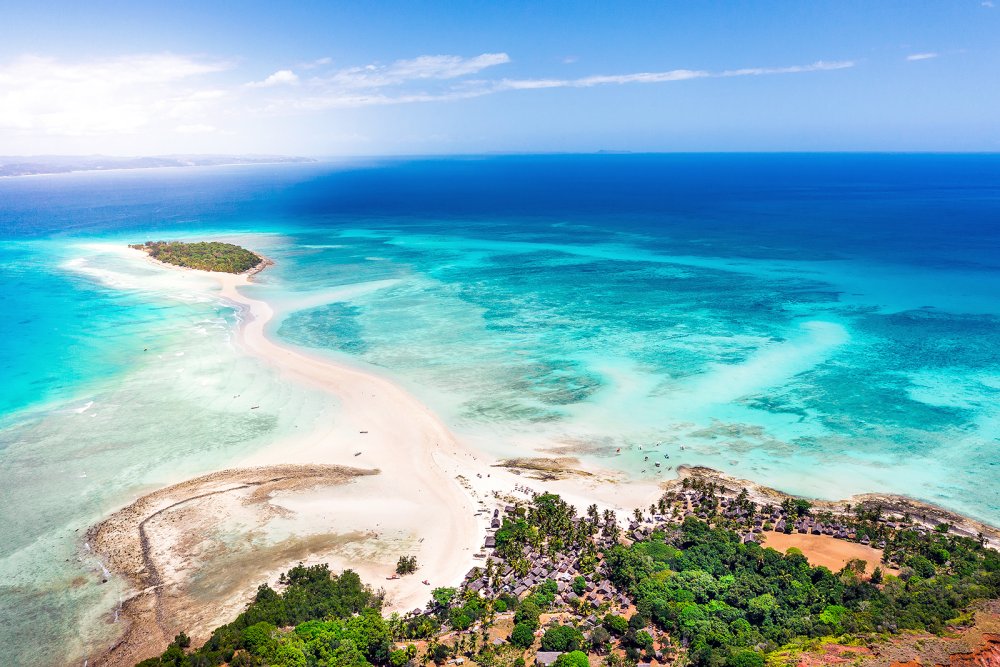 © Shutterstock/Alessandro Pierpaoli
The DIANA region of Madagascar, encompassing Diego, Antsohihy, Nosy Be, and Ambanja, offers an unparalleled diving experience for enthusiasts seeking vibrant marine life and diverse underwater landscapes. Situated in the northwest, this area is a hub for adventure with its volcanic-based topography creating unique diving environments. Nosy Be, a highlight of DIANA, boasts three distinct diving areas, each presenting a captivating array of underwater plateaus, colorful coral formations, and intriguing wrecks.
Diving in this region is more than just an exploration of beautiful seascapes; it’s a journey through deep canyons and subterranean arches that showcase the extensive biodiversity native to Madagascar. Divers are treated to thrilling encounters with exotic species, including golden-eyed lemurs' marine counterparts. From July to October, humpback whales grace the waters, while whale sharks make their appearance from September to November, and hammerheads thrill divers in December and January. These seasonal spectacles, combined with the region's distinct underwater architecture, make DIANA an irresistible destination for those seeking both adventure and tranquility beneath the waves.
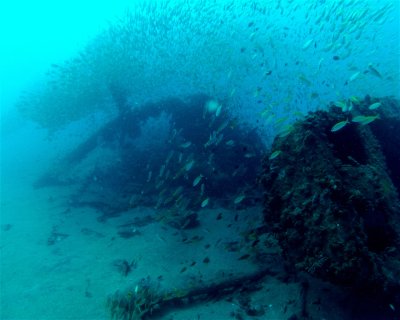
Diana boasts some of the best dive sites, attracting divers with its diverse underwater attractions. Notable wreck dives include the "Three Brothers," where coral-covered remnants of old ships offer a glimpse into history amidst colorful marine life. Popular shore dives are easily accessible, such as the Nosy Be area, famed for its vibrant reefs and the chance to witness fascinating marine behaviors, like the captivating dance of manta rays.
For night dive enthusiasts, the region offers mesmerizing experiences, revealing nocturnal creatures and bioluminescent displays. Whether you prefer the convenience of shore diving or the adventure of liveaboard trips, Diana provides a balanced array of options. Liveaboards allow divers to explore remote locations, ensuring diverse and unforgettable underwater encounters that cater to both novice and experienced divers alike.
Diana, Madagascar, offers diverse diving conditions year-round with varying seasonal influences. From November to April, water temperatures range from 28°C to 30°C/82°F to 86°F, providing warm and comfortable diving environments. During this period, visibility remains moderate but can be reduced due to seasonal rains.
May through October marks the dry season, where water temperatures drop slightly to 25°C to 27°C/77°F to 81°F, and visibility typically improves, often exceeding 20 meters/66 feet. Winds and currents are generally mild, but stronger trade winds may occur in August and September, potentially affecting surface conditions. Diving is possible throughout the year, though planning around the rainy season may enhance the overall experience.
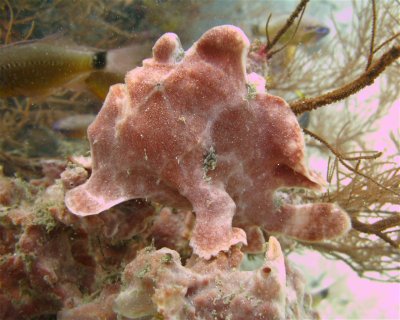
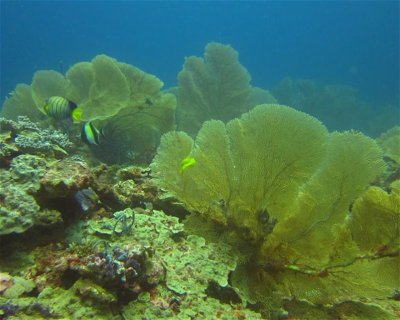
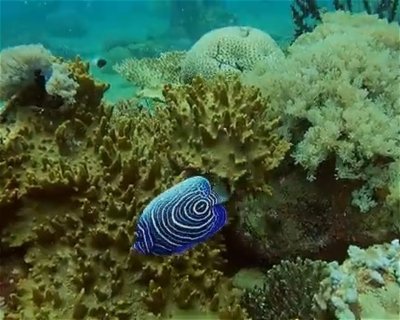
Diana, located in the north of Madagascar, is a haven for marine biodiversity, particularly around Nosy Be and its surrounding islands. The coral reefs are teeming with common reef fish, such as butterflyfish and angelfish, providing a colorful spectacle for divers year-round.
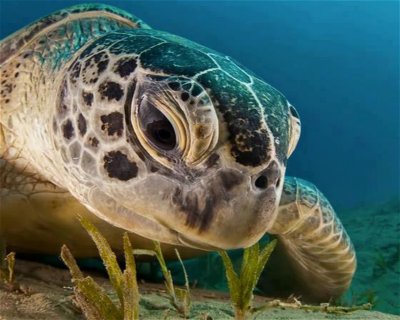
Seasonal highlights include sightings of whale sharks from October to December, making this period ideal for encountering these gentle giants. Green and hawksbill turtles are also frequently spotted, especially near nesting sites during the warmer months. Manta rays can sometimes be seen gliding through the waters from May to November, offering an unforgettable experience for those diving in these pristine waters.
Wildlife Sightings are Based on User Generated Content
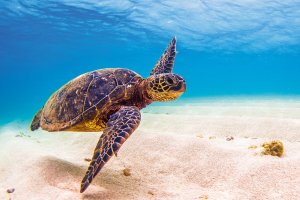
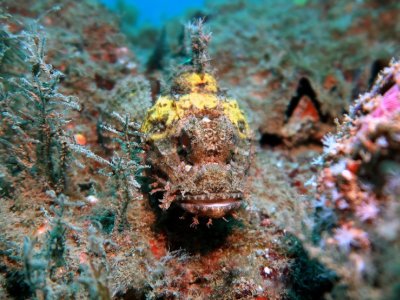
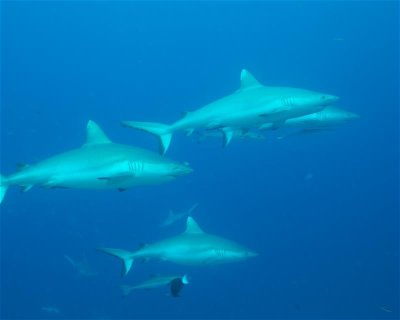
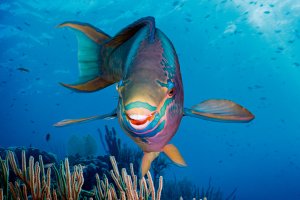
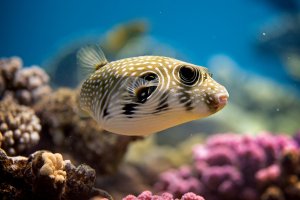
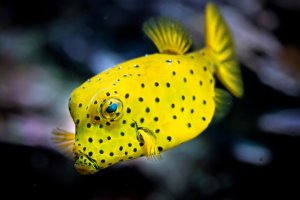
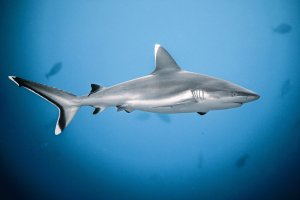
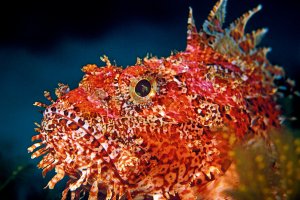
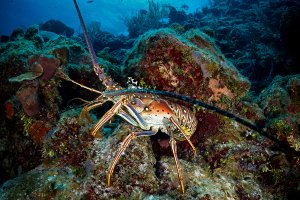
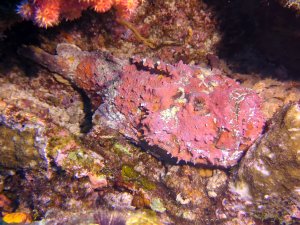
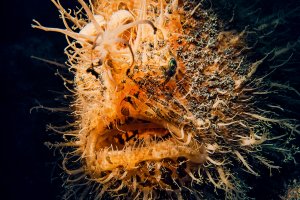
The image shown is a representative illustration and does not depict every individual animal in this category.
Total number of species approx.: 200
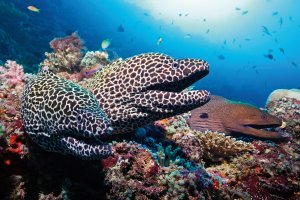
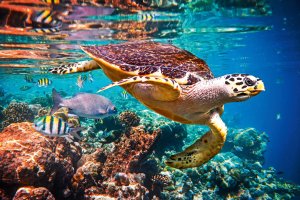
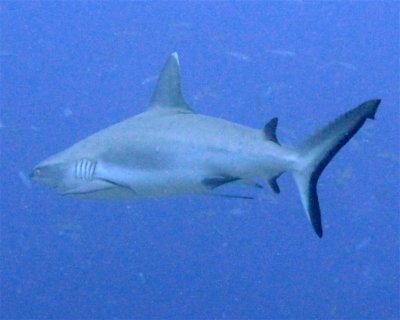
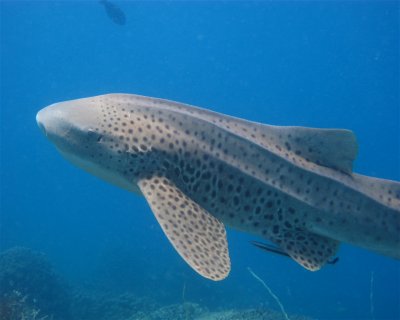
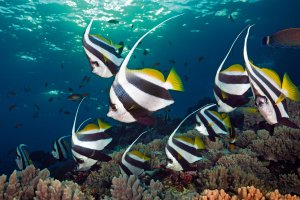
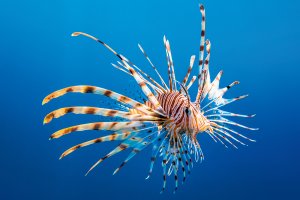
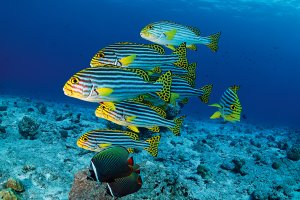
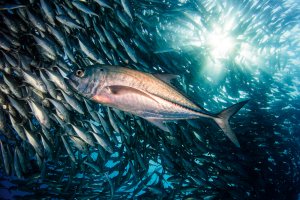
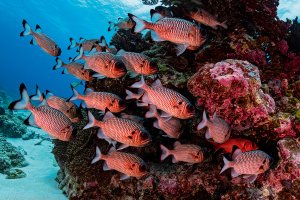
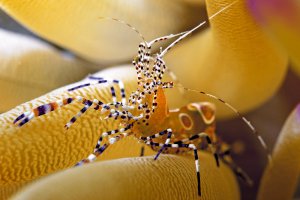
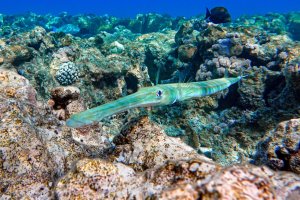
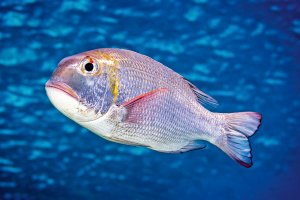
The image shown is a representative illustration and does not depict every individual animal in this category.
Total number of species approx.: 27
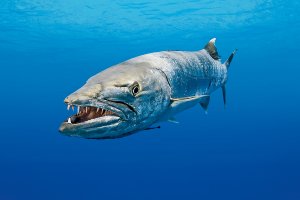
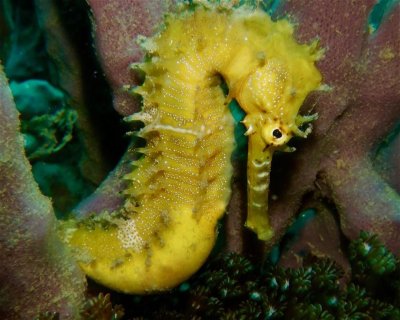
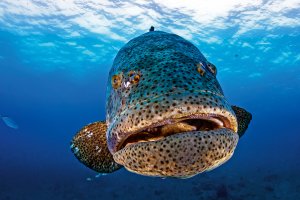
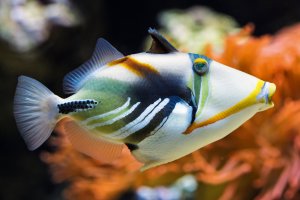
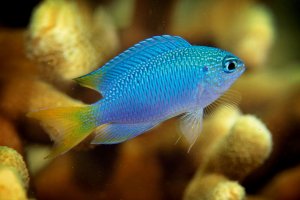
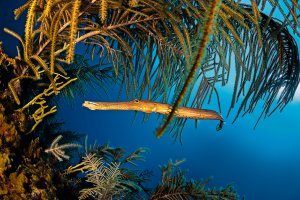
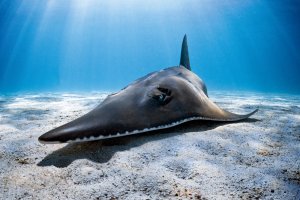
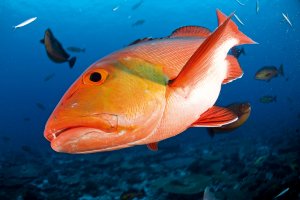
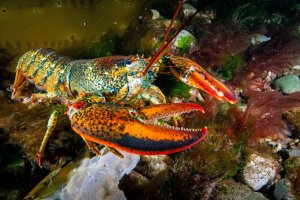
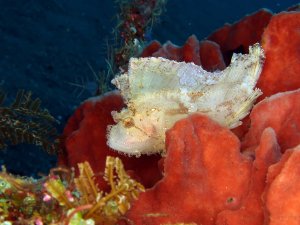
The image shown is a representative illustration and does not depict every individual animal in this category.
Total number of species approx.: 300
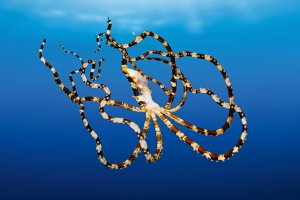
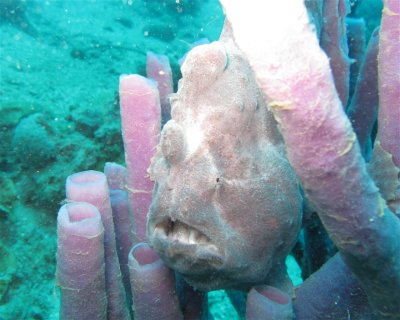
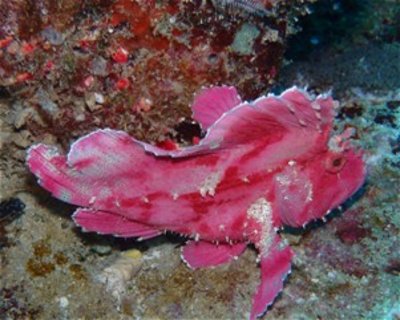
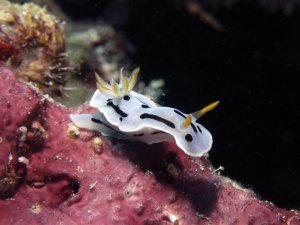
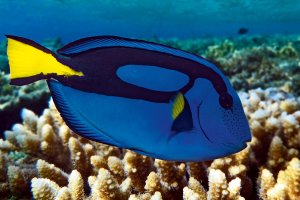
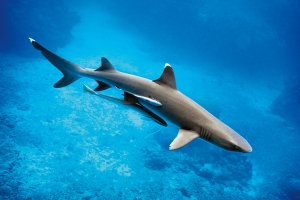
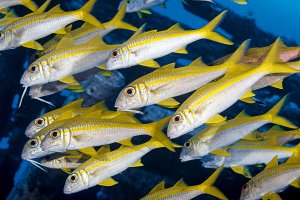
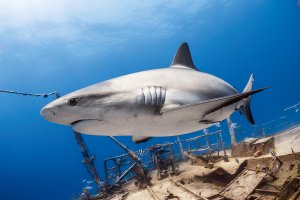
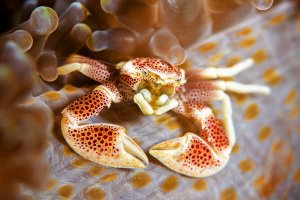
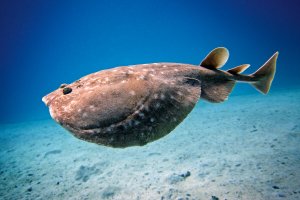
The image shown is a representative illustration and does not depict every individual animal in this category.
Total number of species approx.: 600
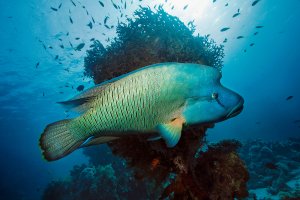
The image shown is a representative illustration and does not depict every individual animal in this category.
Total number of species approx.: 80
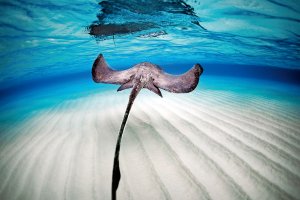
The image shown is a representative illustration and does not depict every individual animal in this category.
Total number of species approx.: 90
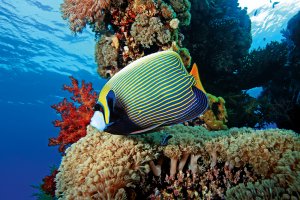
The image shown is a representative illustration and does not depict every individual animal in this category.
Total number of species approx.: 130
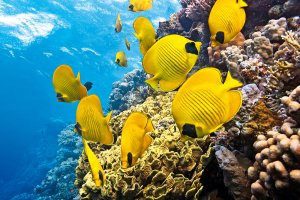
The image shown is a representative illustration and does not depict every individual animal in this category.
Total number of species approx.: 28
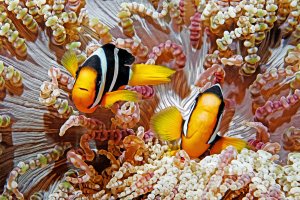
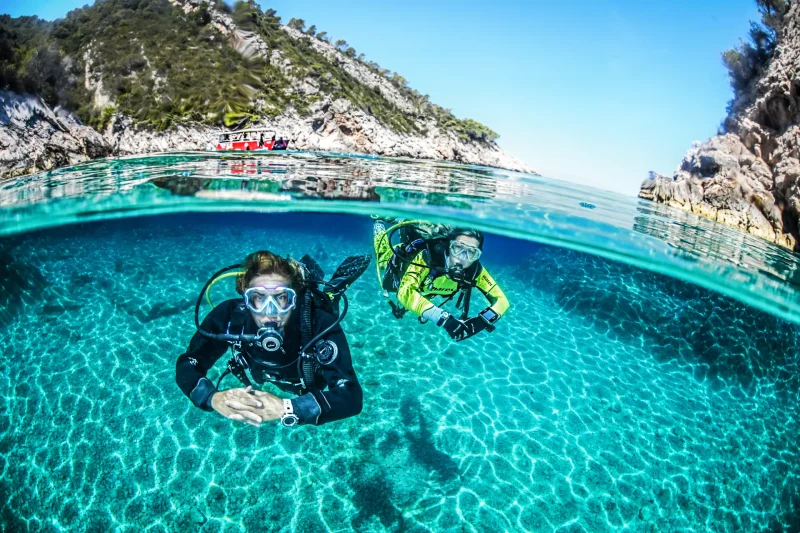
Curated by Interest
Mares
Aqualung
Shutterstock-Zi Magine
Mares-Predrag Vuckovic
Scubapro
Shutterstock-Ethan Daniels
Mares-Predrag Vuckovic
Mares-Bjoern Dorstewit

Welcome to the Nudibranch Ecology course, where you will explore the world of nudibranchs in seven detailed lessons. Start with their classification and habitats, then learn abo...
Show Offer
As a Nitrox diver, you can extend your dive times and safety margins, and shorten your surface intervals—so you can spend more time diving and less time waiting! In this progr...
Show Offer
Welcome to the Nudibranch Ecology course, where you will explore the world of nudibranchs in seven detailed lessons. Start with their classification and habitats, then learn abo...
Show Offer
In the SSI Shark Ecology program, you’ll learn how to interpret shark behavior, why sharks are often misunderstood, and how to dive with sharks. It’s a perfect course for sh...
Show Offer
The SSI Deep Diving specialty will teach you everything you need to dive to depths between 18 and 40 meters, through a combination of classroom sessions and open-water dives. Yo...
Show Offer
As a Nitrox diver, you can extend your dive times and safety margins, and shorten your surface intervals—so you can spend more time diving and less time waiting! In this progr...
Show Offer
Coral reefs are very popular with divers, and rightly so; drifting over a healthy reef filled with vibrant marine life is magical. These precious ecosystems are fascinating, and...
Show Offer
Welcome to the Nudibranch Ecology course, where you will explore the world of nudibranchs in seven detailed lessons. Start with their classification and habitats, then learn abo...
Show Offer
Welcome to the Nudibranch Ecology course, where you will explore the world of nudibranchs in seven detailed lessons. Start with their classification and habitats, then learn abo...
Show Offer
In the SSI Shark Ecology program, you’ll learn how to interpret shark behavior, why sharks are often misunderstood, and how to dive with sharks. It’s a perfect course for sh...
Show Offer
The SSI Deep Diving specialty will teach you everything you need to dive to depths between 18 and 40 meters, through a combination of classroom sessions and open-water dives. Yo...
Show Offer
As a Nitrox diver, you can extend your dive times and safety margins, and shorten your surface intervals—so you can spend more time diving and less time waiting! In this progr...
Show Offer
Welcome to the Nudibranch Ecology course, where you will explore the world of nudibranchs in seven detailed lessons. Start with their classification and habitats, then learn abo...
Show Offer
In the SSI Shark Ecology program, you’ll learn how to interpret shark behavior, why sharks are often misunderstood, and how to dive with sharks. It’s a perfect course for sh...
Show Offer
Coral reefs are very popular with divers, and rightly so; drifting over a healthy reef filled with vibrant marine life is magical. These precious ecosystems are fascinating, and...
Show Offer
Welcome to the Nudibranch Ecology course, where you will explore the world of nudibranchs in seven detailed lessons. Start with their classification and habitats, then learn abo...
Show Offer
The SSI Deep Diving specialty will teach you everything you need to dive to depths between 18 and 40 meters, through a combination of classroom sessions and open-water dives. Yo...
Show Offer
As a Nitrox diver, you can extend your dive times and safety margins, and shorten your surface intervals—so you can spend more time diving and less time waiting! In this progr...
Show Offer