Explore Diving Lake Horka
Diving in Lake Horka offers an extraordinary experience, nestled in the serene setting of an old quarry in Crostwitz, Saxony. This unique dive site is renowned for its crystal-clear waters with visibility that can astound even seasoned divers. The quarry, transformed into a diving oasis, reaches depths of up to 33 meters/108 feet, providing a range of underwater landscapes to explore. The steep quarry walls and submerged forests create a dramatic backdrop, inviting divers to immerse themselves in an almost otherworldly environment.
One of the most intriguing aspects of diving here is the artificial yet lifelike shark that lurks in the depths, offering an unexpected thrill. The lake also conceals a fascinating flooded quarry pump house, adding a touch of mystery and history to your dive. While marine life may not be as varied as in coastal waters, the unique underwater features make Diving Lake Horka a captivating destination for divers seeking something out of the ordinary. Whether you're a fan of shore diving or prefer the adventure of geocaching beneath the surface, this site promises an unforgettable experience.
Dive Activity
Diving in Diving Lake Horka
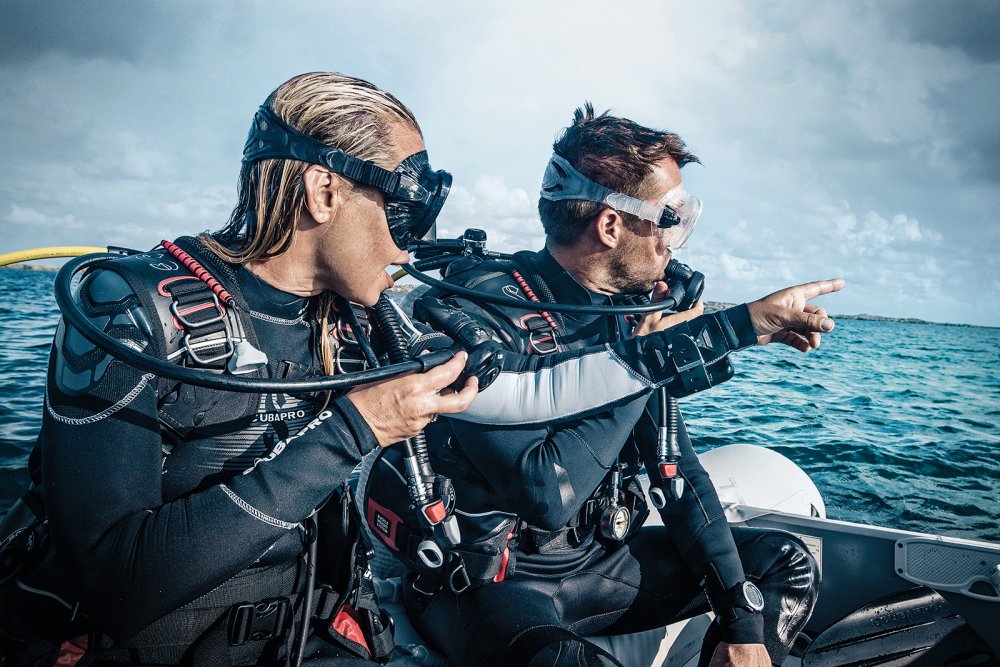
Diving Lake Horka, located in Germany, offers diverse freshwater diving experiences in a former quarry lake. Divers can explore a variety of underwater features, such as submerged vehicles, platforms, and intriguing rock formations. These sites provide a unique diving environment that caters to both novice and experienced divers.
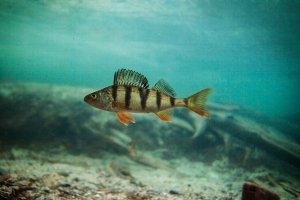
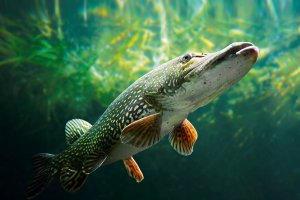
The dive spots around Diving Lake Horka are known for their excellent visibility and easy shore access, making them ideal for shore diving. Additionally, the lake's depth and topography offer opportunities for practicing technical diving skills. Local aquatic life includes freshwater fish like perch and pike, providing an engaging dive experience with the chance to observe these species in their natural habitat.
Top Wildlife Sightings in Diving Lake Horka
Diving Lake Horka offers a diverse range of freshwater wildlife that divers can enjoy throughout the year. Typical fish species include perch, pike, and carp, all of which are common sightings due to their abundance and activity in the lake. For those seeking special encounters, catfish and sturgeon are notable inhabitants, adding an exciting element to dives. These larger species often dwell in deeper areas, so exploring the lake’s depths can increase chances of sightings. Visibility in Tauchsee Horka varies with the season, affecting how much wildlife divers can observe. Generally, the best visibility occurs in the colder months when water is clearer, enhancing the diving experience. During warmer months, vegetation blooms can reduce clarity but also support seasonal spawning activities. Planning dives around these seasonal changes can enrich the opportunity to witness dynamic underwater life.
Wildlife Sightings are Based on User Generated Content
The image shown is a representative illustration and does not depict every individual animal in this category.
Total number of species: 3
The image shown is a representative illustration and does not depict every individual animal in this category.
Total number of species: 600
Crayfish
The image shown is a representative illustration and does not depict every individual animal in this category.
Total number of species: 19
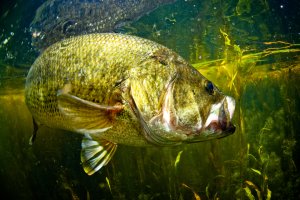
Bass
The image shown is a representative illustration and does not depict every individual animal in this category.
Total number of species: 5
Pike
The best Months to dive in Diving Lake Horka
Diving Lake Horka, a popular diving destination, offers year-round diving opportunities. Water temperatures vary seasonally, with summer temperatures reaching around 24°C/75°F, while winter temperatures drop to approximately 4°C/39°F. Divers should be prepared for these fluctuations when planning their trips.
Visibility in Diving Lake Horka is typically around 5 to 15 meters/16 to 49 feet, depending on the season and weather conditions. The best visibility is often during the colder months when algae growth is minimal. While there are no significant currents, wind can occasionally affect surface conditions, making entry and exit more challenging. Despite these factors, diving is possible throughout the year, though the colder months may be less favorable for some divers due to the lower temperatures.