Explore Eastern Cuba

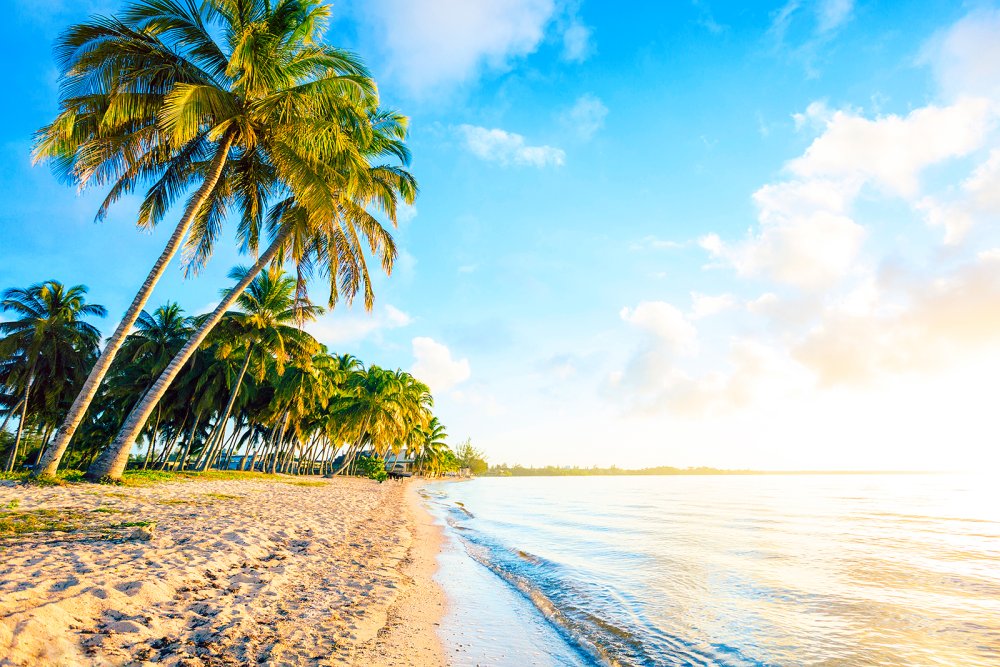
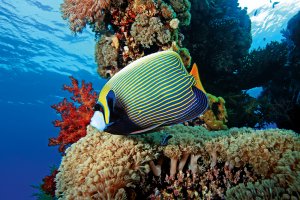
Diving on the eastern part of the island of Cuba means, most likely, diving from the town of Guardalavaca, a resort town located on the northeastern coast, with its sandy beaches bordering the North Atlantic Ocean. Diving from here is mostly done by boats from the local dive centers and dive resorts. Whether divers are hoping to take dive courses and gain new skills, whether they are hoping to dive into the darkness during a night dive, or whether they want to capture some of the many marine species here on camera, the conditions here make all of these options very feasible. The visibility here ranges between 20 meters/66 feet and 40 meters/131 feet on average. Between November and April is the dry season, which is also the time of the year with the best, calmest, and warmest water conditions. The average water temperature here is 25°C/77°F, with it ranging between 23°C/73°F and 29°C/84°F throughout the year. Some things divers are bound to experience while underwater here include thrilling coral walls, uniquely shaped corals, an abundance of sea sponges, crustaceans, barracudas, octopuses, and a large collection of smaller but vibrantly colored reef fish.

Places to explore

Dive Activity

Diving in Eastern Cuba

Eastern Cuba offers some of the Caribbean's most captivating dive sites, notable for their diversity and rich marine life. One highlight is the wreck of the "El Guama," a popular dive site near Santiago de Cuba. This historical wreck, surrounded by vibrant coral reefs, attracts divers with its fascinating underwater ecosystem.

In addition to wrecks, the region boasts excellent shore dives like those at Playa Varadero, where divers can explore shallow coral gardens teeming with tropical fish. For those seeking unique experiences, night diving reveals nocturnal marine life and bioluminescent spectacles. Eastern Cuba provides a balanced mix of shore and liveaboard diving, catering to diverse diving preferences and offering unforgettable underwater adventures.

Top Wildlife Sightings in Eastern Cuba

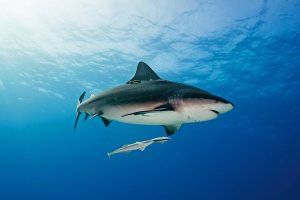
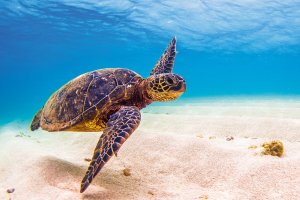
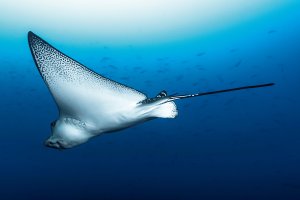
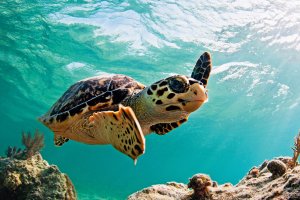
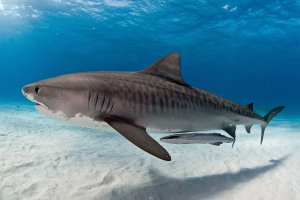
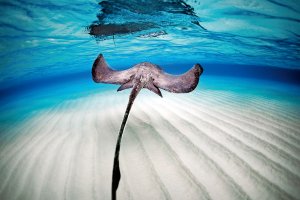
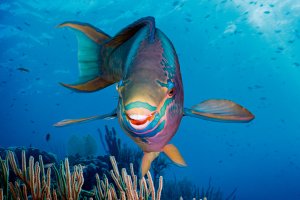
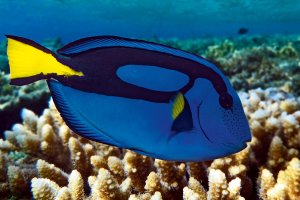
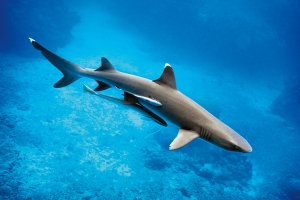
Eastern Cuba boasts a rich marine ecosystem, characterized by vibrant coral reefs and diverse marine life. Common reef fish in this region include the colorful parrotfish and the notable blue tang, often seen darting among the corals. These species are a common sight for divers exploring the underwater landscapes. Seasonally, divers in Eastern Cuba might encounter larger marine creatures. Between June and September, there is a higher likelihood of spotting sharks, notably reef sharks and the occasional whale shark migrating through the area. Hawksbill turtles are also a highlight, often seen grazing on sponges within the coral reefs, especially during nesting season from May to October. Additionally, rays, including the graceful eagle ray, are frequently seen gliding through the waters, making for a captivating dive experience.

Wildlife Sightings are Based on User Generated Content

The image shown is a representative illustration and does not depict every individual animal in this category.

Total number of species: 27

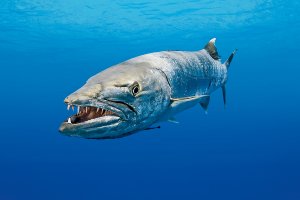
Barracuda

21 Sightings
J
1
F
0
M
2
A
0
M
0
J
5
J
1
A
2
S
2
O
0
N
6
D
2

The image shown is a representative illustration and does not depict every individual animal in this category.

Total number of species: 200

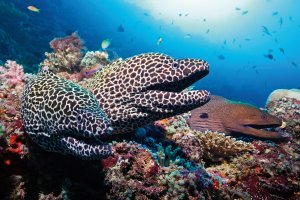
Moray Eel

13 Sightings
J
0
F
1
M
0
A
2
M
0
J
2
J
3
A
2
S
0
O
0
N
0
D
3

Bull Shark

3 Sightings
J
0
F
0
M
0
A
0
M
0
J
0
J
0
A
0
S
0
O
0
N
2
D
1

The image shown is a representative illustration and does not depict every individual animal in this category.

Total number of species: 25

Eagle Ray

3 Sightings
J
1
F
0
M
2
A
0
M
0
J
0
J
0
A
0
S
0
O
0
N
0
D
0

Green Turtle

3 Sightings
J
1
F
0
M
0
A
0
M
0
J
0
J
0
A
1
S
1
O
0
N
0
D
0

Great Hammerhead Shark

2 Sightings
J
0
F
0
M
0
A
0
M
0
J
0
J
0
A
0
S
0
O
0
N
2
D
0

The image shown is a representative illustration and does not depict every individual animal in this category.

Total number of species: 12

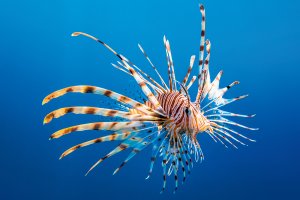
Lionfish

34 Sightings
J
0
F
1
M
2
A
5
M
0
J
3
J
3
A
2
S
2
O
0
N
10
D
6

The image shown is a representative illustration and does not depict every individual animal in this category.

Total number of species: 7000

Crab

19 Sightings
J
0
F
0
M
0
A
0
M
1
J
5
J
0
A
0
S
0
O
0
N
11
D
2

The image shown is a representative illustration and does not depict every individual animal in this category.

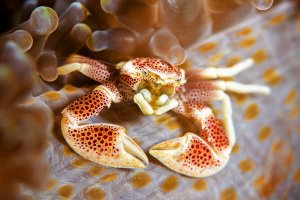
Total number of species: 100

Parrotfish

17 Sightings
J
1
F
1
M
2
A
3
M
1
J
2
J
0
A
0
S
2
O
0
N
2
D
3

The image shown is a representative illustration and does not depict every individual animal in this category.

Total number of species: 85

Surgeonfish

15 Sightings
J
0
F
1
M
0
A
2
M
1
J
0
J
0
A
0
S
2
O
0
N
7
D
2

The image shown is a representative illustration and does not depict every individual animal in this category.

Total number of species: 90

Angelfish

13 Sightings
J
2
F
0
M
2
A
2
M
0
J
1
J
0
A
0
S
2
O
0
N
4
D
0

The image shown is a representative illustration and does not depict every individual animal in this category.

Total number of species: 60

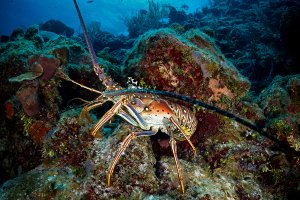
Spiny Lobster

11 Sightings
J
0
F
0
M
0
A
2
M
0
J
2
J
1
A
0
S
2
O
0
N
1
D
3

The image shown is a representative illustration and does not depict every individual animal in this category.

Total number of species: 150

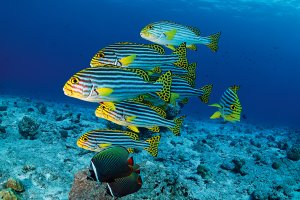
Sweetlips and Grunts

9 Sightings
J
0
F
0
M
0
A
2
M
1
J
0
J
0
A
0
S
2
O
0
N
4
D
0

The image shown is a representative illustration and does not depict every individual animal in this category.

Total number of species: 130

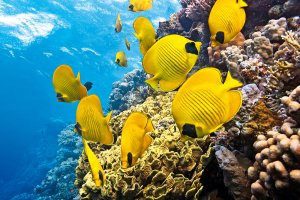
Butterfly Fish

8 Sightings
J
1
F
0
M
0
A
2
M
0
J
0
J
0
A
0
S
1
O
0
N
4
D
0

The image shown is a representative illustration and does not depict every individual animal in this category.

Total number of species: 110

Snapper

5 Sightings
J
1
F
0
M
0
A
0
M
0
J
0
J
0
A
0
S
1
O
0
N
3
D
0

The image shown is a representative illustration and does not depict every individual animal in this category.

Total number of species: 60

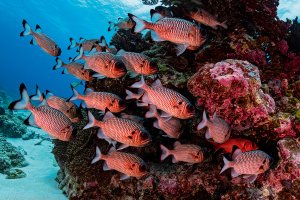
Soldierfish

5 Sightings
J
1
F
0
M
0
A
2
M
0
J
0
J
0
A
0
S
2
O
0
N
0
D
0

The image shown is a representative illustration and does not depict every individual animal in this category.

Total number of species: 350

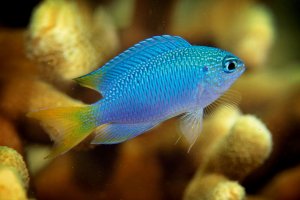
Damselfish

5 Sightings
J
1
F
0
M
1
A
1
M
0
J
0
J
0
A
0
S
2
O
0
N
0
D
0

The image shown is a representative illustration and does not depict every individual animal in this category.

Total number of species: 3

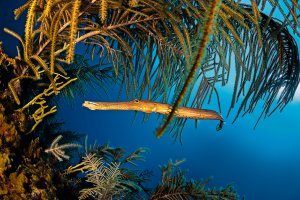
Trumpetfish

5 Sightings
J
1
F
0
M
0
A
2
M
0
J
0
J
0
A
0
S
0
O
0
N
2
D
0

The image shown is a representative illustration and does not depict every individual animal in this category.

Total number of species: 2

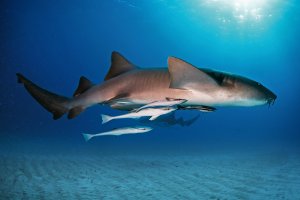
Nurse Shark

4 Sightings
J
0
F
0
M
1
A
0
M
0
J
0
J
0
A
0
S
0
O
0
N
3
D
0

The image shown is a representative illustration and does not depict every individual animal in this category.

Total number of species: 90

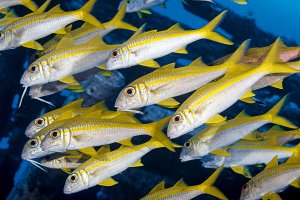
Goatfish

4 Sightings
J
0
F
0
M
0
A
2
M
0
J
0
J
0
A
0
S
1
O
0
N
0
D
1

The image shown is a representative illustration and does not depict every individual animal in this category.

Total number of species: 130

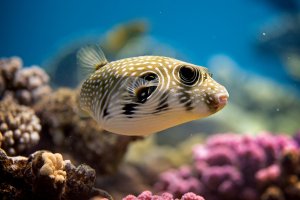
Pufferfish

4 Sightings
J
0
F
0
M
0
A
2
M
0
J
0
J
0
A
1
S
0
O
0
N
0
D
1

The image shown is a representative illustration and does not depict every individual animal in this category.

Total number of species: 250

The image shown is a representative illustration and does not depict every individual animal in this category.

Total number of species: 8

Bannerfish

4 Sightings
J
0
F
0
M
0
A
2
M
0
J
1
J
0
A
0
S
1
O
0
N
0
D
0

The image shown is a representative illustration and does not depict every individual animal in this category.

Total number of species: 40

Triggerfish

3 Sightings
J
0
F
0
M
0
A
1
M
0
J
0
J
1
A
0
S
1
O
0
N
0
D
0

The image shown is a representative illustration and does not depict every individual animal in this category.

Total number of species: 3

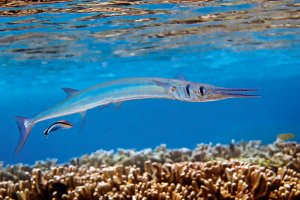
Cornetfish

3 Sightings
J
0
F
0
M
0
A
0
M
0
J
1
J
0
A
0
S
0
O
0
N
0
D
2

The image shown is a representative illustration and does not depict every individual animal in this category.

Total number of species: 28

Clownfish

2 Sightings
J
0
F
0
M
0
A
0
M
0
J
0
J
0
A
0
S
1
O
0
N
0
D
1

The image shown is a representative illustration and does not depict every individual animal in this category.

Total number of species: 40

Jackfish

2 Sightings
J
0
F
0
M
0
A
0
M
0
J
0
J
0
A
0
S
1
O
0
N
1
D
0

The image shown is a representative illustration and does not depict every individual animal in this category.

Total number of species: 20

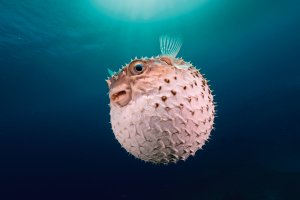
Porcupinefish

2 Sightings
J
0
F
0
M
0
A
0
M
1
J
0
J
0
A
0
S
0
O
0
N
0
D
1

Great White Shark

2 Sightings
J
0
F
0
M
0
A
0
M
0
J
0
J
0
A
0
S
0
O
0
N
2
D
0

The image shown is a representative illustration and does not depict every individual animal in this category.

Total number of species: 10

Sawshark

2 Sightings
J
0
F
0
M
0
A
0
M
0
J
0
J
0
A
0
S
0
O
0
N
2
D
0

The image shown is a representative illustration and does not depict every individual animal in this category.

Total number of species: 7

Pygmy Seahorse

2 Sightings
J
0
F
0
M
0
A
0
M
0
J
0
J
2
A
0
S
0
O
0
N
0
D
0

Common Seahorse

2 Sightings
J
0
F
0
M
0
A
0
M
0
J
0
J
2
A
0
S
0
O
0
N
0
D
0

The image shown is a representative illustration and does not depict every individual animal in this category.

Total number of species: 2

Tarpon

2 Sightings
J
0
F
0
M
0
A
0
M
0
J
1
J
0
A
1
S
0
O
0
N
0
D
0

The image shown is a representative illustration and does not depict every individual animal in this category.

Total number of species: 3400

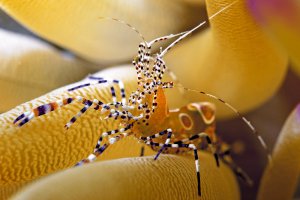
Shrimp

2 Sightings
J
0
F
0
M
0
A
0
M
0
J
2
J
0
A
0
S
0
O
0
N
0
D
0

Caribbean Reef Shark

2 Sightings
J
2
F
0
M
0
A
0
M
0
J
0
J
0
A
0
S
0
O
0
N
0
D
0

The best Months to dive in Eastern Cuba

Diving in Eastern Cuba offers unique experiences year-round, characterized by warm waters and generally favorable conditions. Water temperatures range from 24°C/75°F in winter to 29°C/84°F in summer, making it comfortable for divers even during cooler months. Visibility is typically good, ranging from 20 meters/66 feet to 30 meters/98 feet, though it can be slightly reduced during the rainy season.

The best time for diving is between November and April when the weather is dry and the seas are calmer. However, diving is possible throughout the year. From May to October, the region experiences its rainy season, which can bring occasional storms and stronger currents, slightly affecting diving conditions. Despite this, many divers still find these months rewarding due to fewer crowds and vibrant marine life.

Dive Sites