Sea Paradise
Vila do Porto s/n, 53990-000 Fernando de Noronha, PE - Brazil
 © iStock/Reuber Duarte
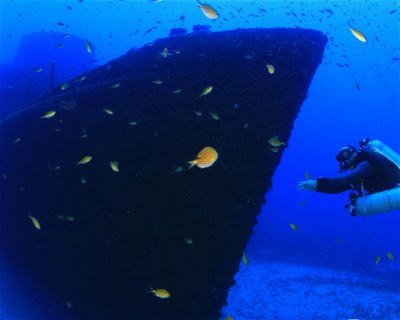
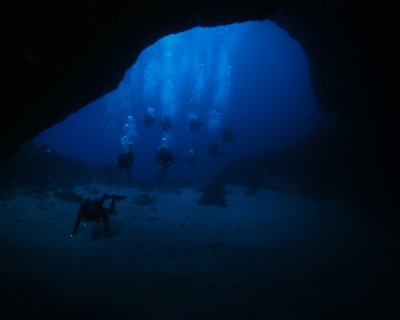
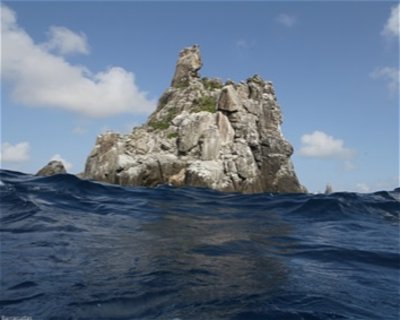
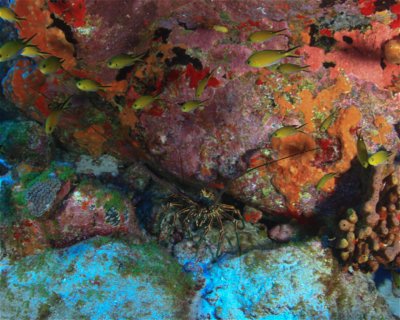
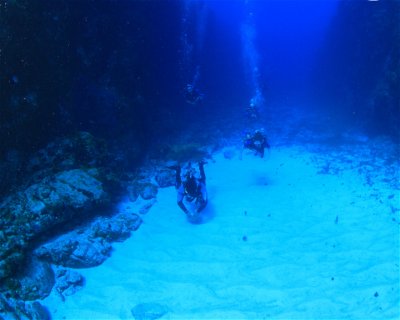
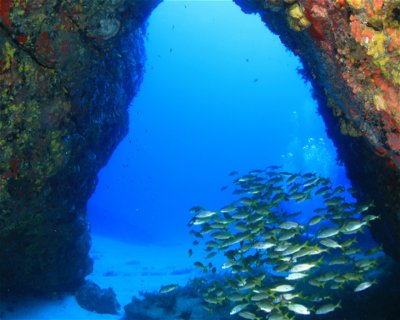
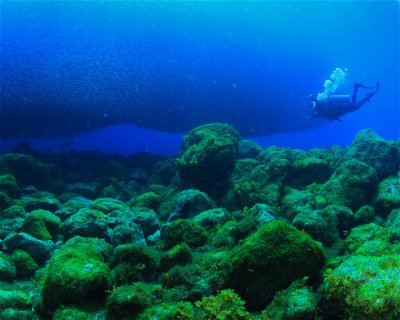
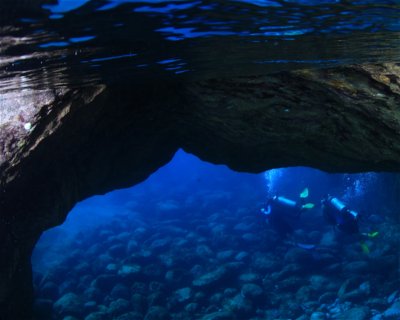
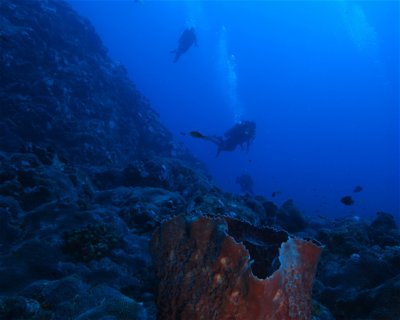
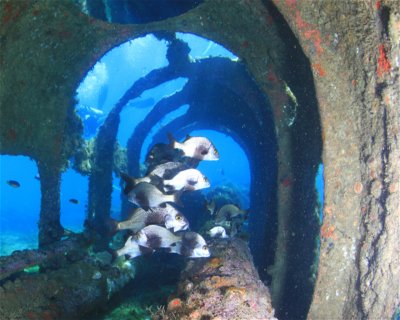
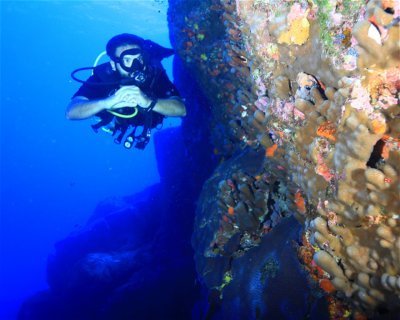
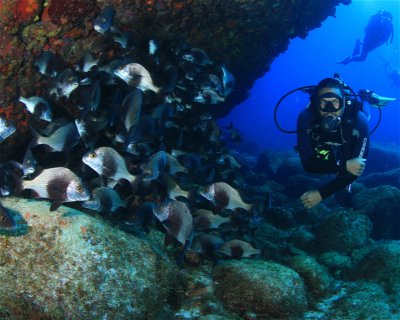
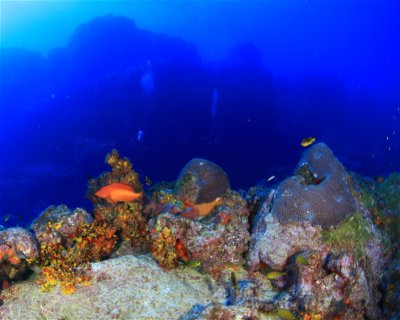
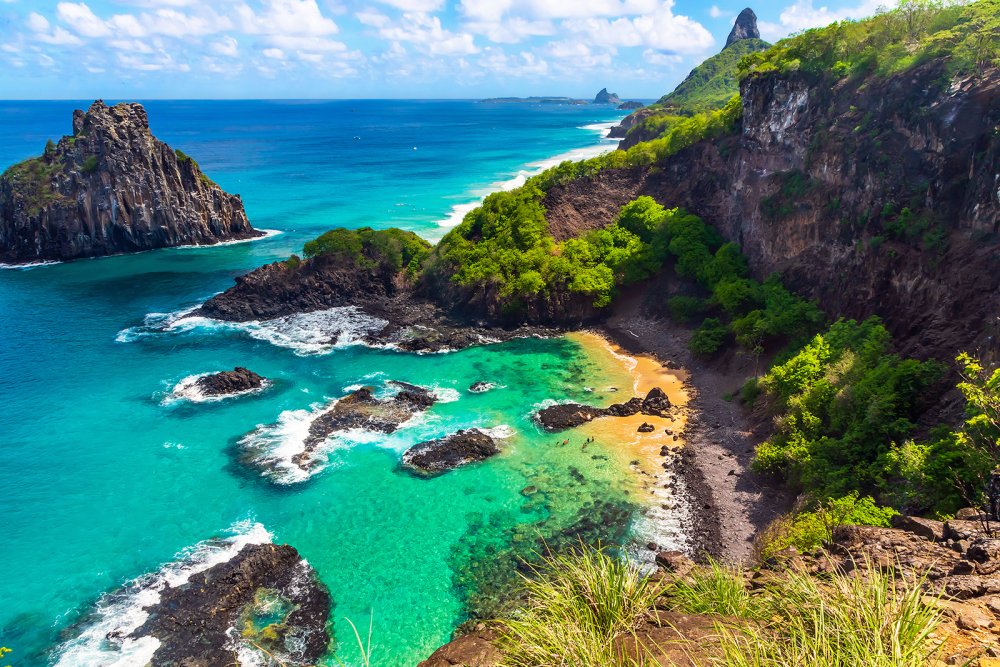
Diving in Fernando de Noronha is a truly unique experience, offering an underwater adventure unlike any other. Nestled in the heart of the Atlantic Ocean, this volcanic archipelago is a haven for marine life, making it a premier destination for divers. The pristine waters boast remarkable visibility, often exceeding 40 meters, allowing divers to fully immerse in the vibrant aquatic world. Among the 21 islands and islets, divers can explore diverse underwater landscapes, including intriguing shipwrecks, stunning canyons, and colorful volcanic rock formations encrusted with photogenic sponges. The marine sanctuary of Fernando de Noronha is teeming with life. Divers frequently encounter a variety of marine species, from graceful sea turtles and majestic rays to curious reef sharks and playful dolphins. The open ocean location serves as a refuge for pelagic fish and mammals, offering rare opportunities to see these magnificent creatures up close. Most dive sites are accessible via day trips from the mainland, but to truly explore the vast array of sites, liveaboard trips are recommended. This allows for a more comprehensive diving experience, uncovering hidden gems throughout the archipelago. Fernando de Noronha also stands out for its commitment to preserving its natural beauty. Recognized as a World Heritage Site by UNESCO, the islands are protected as a marine park and sanctuary. Divers and visitors are required to respect environmental regulations, including an environmental tax based on the duration of their stay, to maintain the ecological integrity of the area. This harmonious blend of rich marine biodiversity and dedicated conservation efforts makes Fernando de Noronha not just a diving destination but a place where nature and adventure coexist spectacularly.
Fernando de Noronha has a diverse range of diving opportunities, from exploring caves, caverns, and tunnels, to touring reefs, shipwrecks, and dramatic rock formations. This allows many types of diving, including cave-, reef-, wreck-, drift-, and night-diving. Due to the islands’ protected status as a National Marine Park and UNESCO World Heritage Site, the floral and faunal biodiversity of these islands is breathtaking. Liveaboard diving is common when diving this archipelago, since there is too much to see for just a day trip!
In general, Fernando de Noronha can be dived all year round, but the best conditions are from August to November on the northern side of the main island, which lines up with the dry season (September through December). The best conditions on the southern side of the main island are from January through March; although this overlaps with the rainy season (January through August), the majority of the region’s rainfall takes place in March and April.
Keep in mind that only a limited number of visitors are allowed to visit Fernando de Noronha at a given time, so book well in advance!
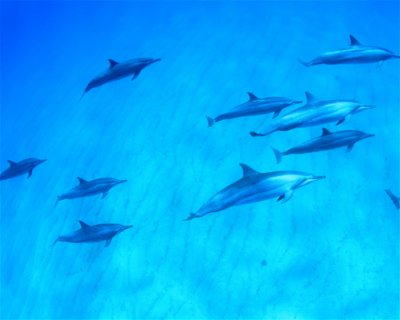
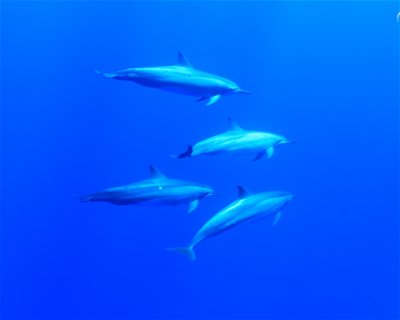
As a protected National Marine Park, Fernando de Noronha is inhabited by a wide array of species of macro- to megafauna. One such notable inhabitant is the spinner dolphin; in fact, there is a permanent wild dolphin colony that lives among the islands. These spinner dolphins are actually researched and protected by the “Spinner Dolphin Project”, whose goals are to improve and involve young adults in education, environmental preservation, conservation, and ecotourism.
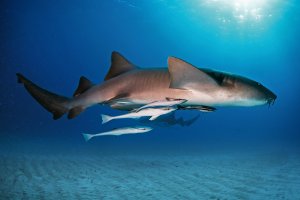
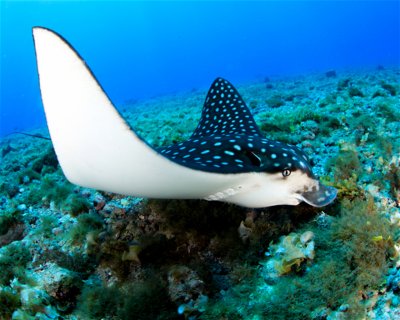
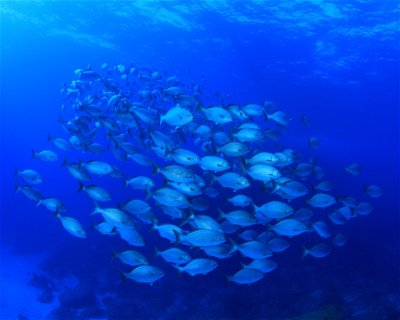
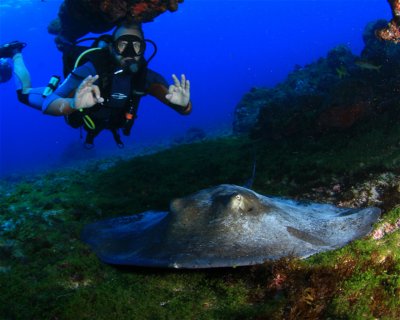
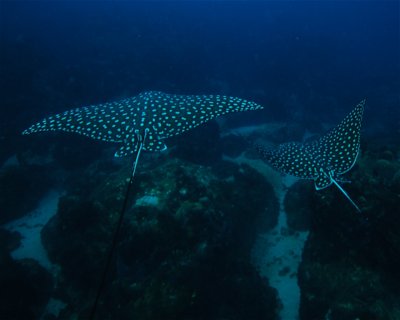
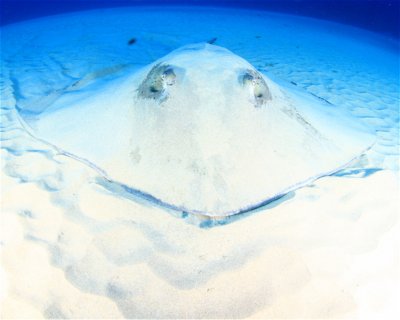
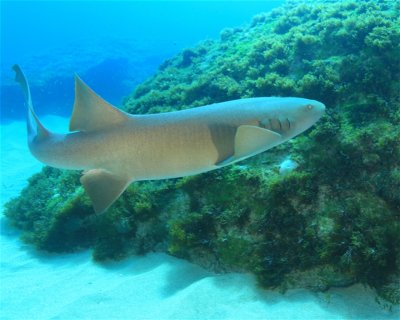
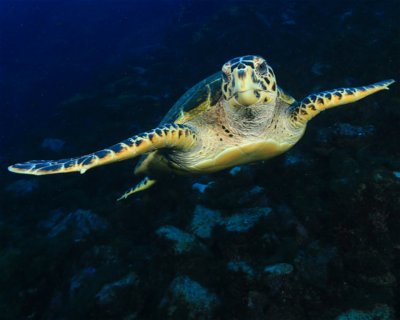
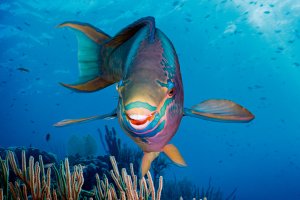
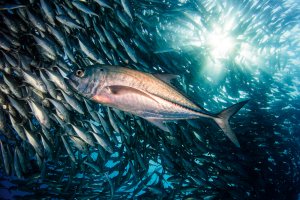
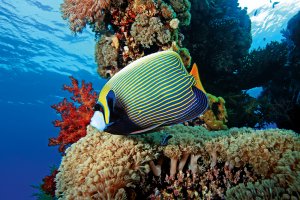
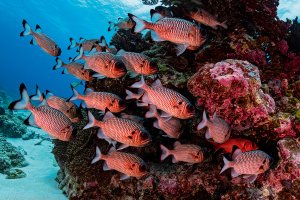
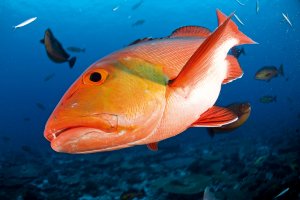
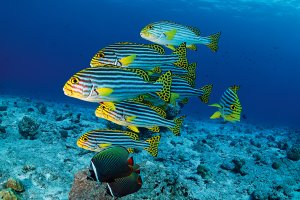
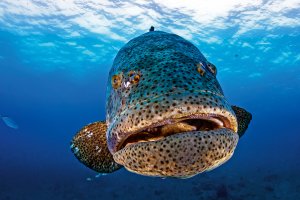
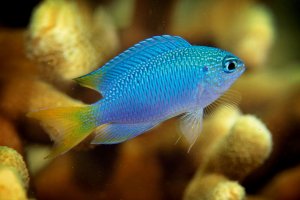
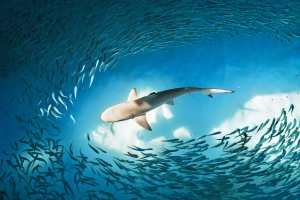
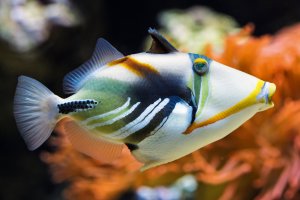
Aside from the spinner dolphins, divers can expect to encounter reef sharks, sea turtles, schooling barracudas, stingrays, manta rays, eagle rays, and colorful fishes.
Wildlife Sightings are Based on User Generated Content
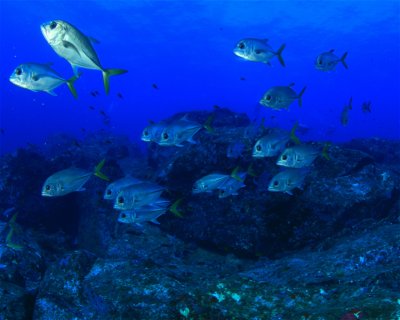
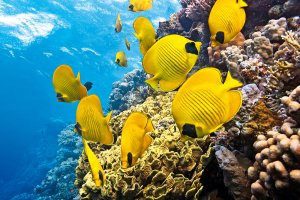
The image shown is a representative illustration and does not depict every individual animal in this category.
Total number of species approx.: 27
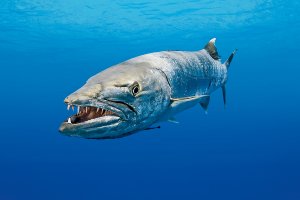
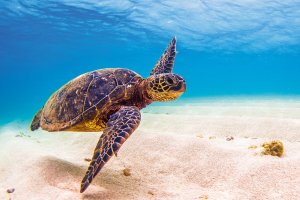
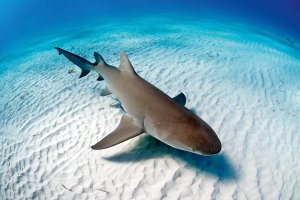
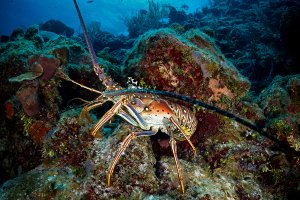
The image shown is a representative illustration and does not depict every individual animal in this category.
Total number of species approx.: 200
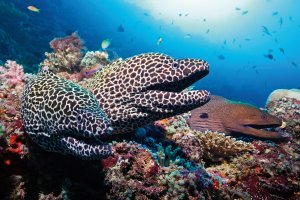
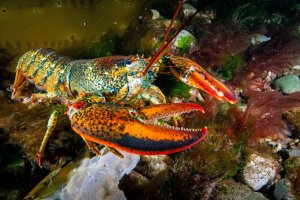
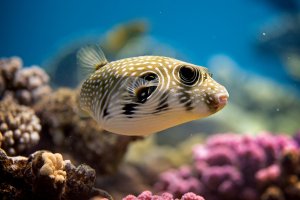
The image shown is a representative illustration and does not depict every individual animal in this category.
Total number of species approx.: 300
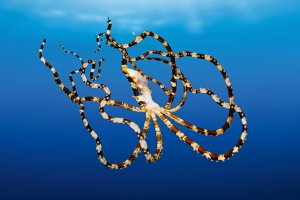
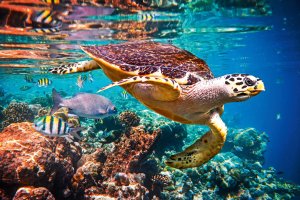
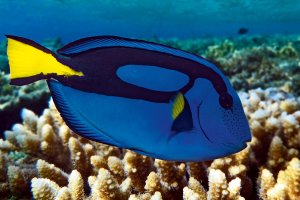
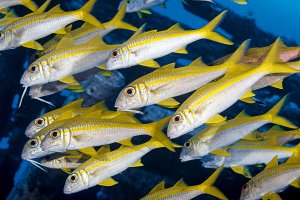
The image shown is a representative illustration and does not depict every individual animal in this category.
Total number of species approx.: 25
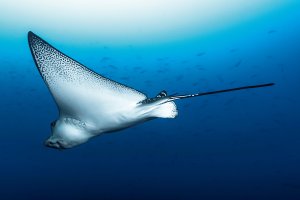
The image shown is a representative illustration and does not depict every individual animal in this category.
Total number of species approx.: 600
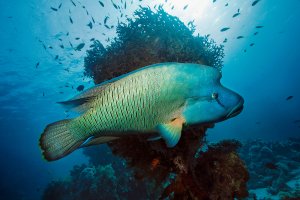
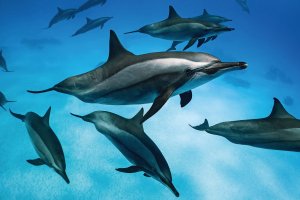
The image shown is a representative illustration and does not depict every individual animal in this category.
Total number of species approx.: 80
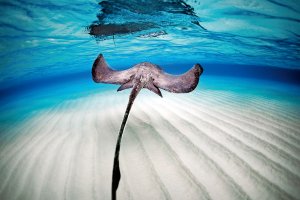
The image shown is a representative illustration and does not depict every individual animal in this category.
Total number of species approx.: 2