Formentera Divers
Calle Almadraba 7, 07870 La Savina, IB - Spain
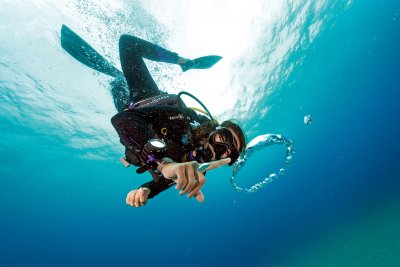
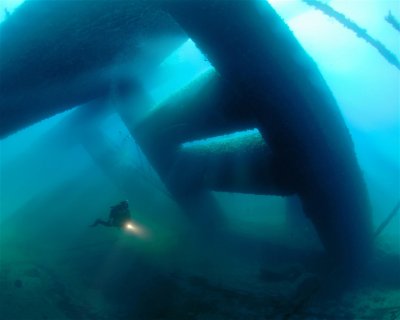
Formentera is the smallest and least known of the Balearic Islands belonging to Spain. Being the lesser-known of the Balearic Islands, it is often called the ‘last paradise’ due to the island’s expansive unspoilt beaches. Beneath the ocean’s surface, Formentera diving offers spectacular rock formations, from caves to arches, unique wreck dives such as an abandoned floating fish farm, and acres of seagrass meadows. Basking sharks, angel sharks, and several rays have all been spotted while exploring Formentera’s underwater landscapes.
Due to Formentera’s close proximity to Ibiza, Formentera diving is possible from several dive centres on Ibiza and vice versa. Scuba diving directly from Formentera, the port of La Savina is where the majority of the island’s dive centres are located while there is also some excellent diving in the bay near Es Caló. Dive resorts are not common to the area.
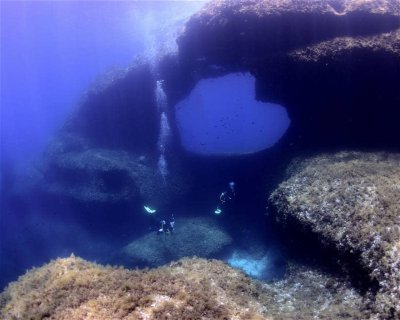
While scuba diving in Formentera, divers will witness extraordinary underwater landscapes. Two impressive arches formed by the erosion of submerged stone feature at The Arch dive site while the illuminated caverns of the Punta Rasa Caves can be explored after only a 15-minute boat ride from La Savina. There are also some incredible wreck dives, from the Punta Pedrera Wreck in Formentera, accessible to all levels of divers, to The Joker in Ibiza, reserved for experienced divers.
At Es Vedra, a small islet off the coast of Ibiza, revel at a current-swept pinnacle surrounded by an oasis of sponges and gorgonian sea fans of all colours, shapes and sizes or zig-zag between a series of canyons at Vedranell Canyons.
Formentera diving takes place all-year-round with water temperatures ranging from 15℃ in winter to 28℃ in the summer months. The most popular months to dive are between May through to October when the water temperature is at its most comfortable. The months that see the maximum water temperatures are July, August and September. The rainiest months of the year in Formentera are September, November and January - where sediment run-off from the land may have an effect on the visibility. Outside of this time, the visibility is usually very good averaging at around 30-metres.
Formentera contains the only natural area of the Mediterranean Sea awarded the title of a UNESCO World Heritage Site, the Freus Marine Reserve. There are several protected species off the coast of Formentera including, the benthic angel shark, seahorse - in the summer months -, and the straight nose pipefish. You may even be lucky enough to spot a basking shark bathing in the cool waters in the winter.
Wrecks that have evolved into thriving artificial reefs have recruited numerous marine species. Large schools of barracuda surround the metal remains while slipper lobsters, conger eels, moray eels, scorpionfish and countless crustaceans take refuge within. Resting on sandy flats, stingrays can be observed while large groupers and octopus can be found hiding among rock formations. The extensive Posidonia seagrass meadows play a crucial role as a breeding and nursery ground for juvenile reef species and camouflaged between the leaves, keen-eyes will witness pipefish.
Wildlife Sightings are Based on User Generated Content
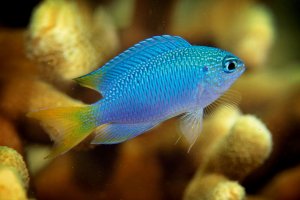
The image shown is a representative illustration and does not depict every individual animal in this category.
Total number of species approx.: 200
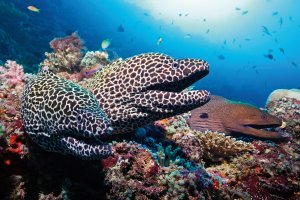
The image shown is a representative illustration and does not depict every individual animal in this category.
Total number of species approx.: 300
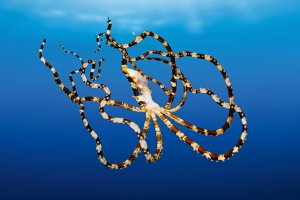
The image shown is a representative illustration and does not depict every individual animal in this category.
Total number of species approx.: 27
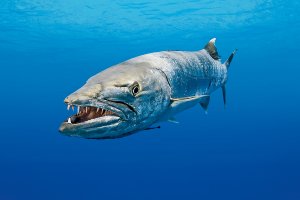
The image shown is a representative illustration and does not depict every individual animal in this category.
Total number of species approx.: 250
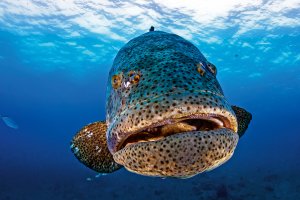
The image shown is a representative illustration and does not depict every individual animal in this category.
Total number of species approx.: 3000
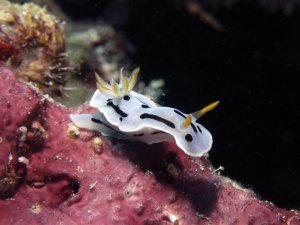
The image shown is a representative illustration and does not depict every individual animal in this category.
Total number of species approx.: 250
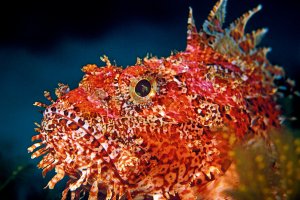
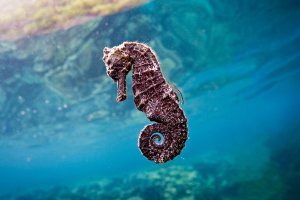
The image shown is a representative illustration and does not depict every individual animal in this category.
Total number of species approx.: 150
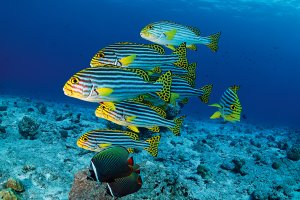
The image shown is a representative illustration and does not depict every individual animal in this category.
Total number of species approx.: 120
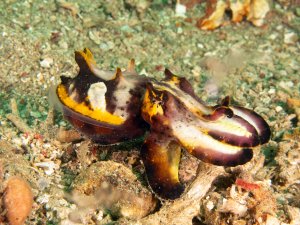
The image shown is a representative illustration and does not depict every individual animal in this category.
Total number of species approx.: 350