Bloemfontein
Bloemfontein is found in the Free State in the very center of South Africa. It is a large population
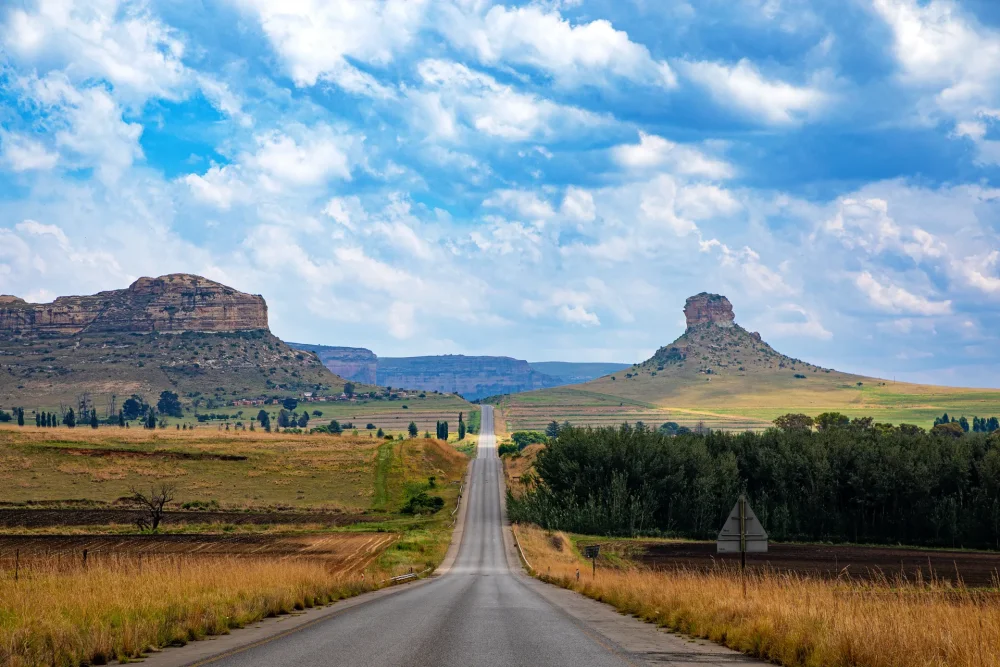 © Shutterstock-Willem Cronje
Free State is found in the middle of South Africa. The largest population centre is found in the provincial capital of Bloemfontein which also serves as the judicial capital of the country.
There is one dive centre located here at which you can do all levels of dive courses including IDC. There are no dive resorts to be found here, nor liveaboards, so accommodation will have to be found separately. Beginner divers can take advantage of the plentiful pools in the area to perfect their skills before heading to the coast, as can more experienced divers looking to hone their skills away from the sometimes turbulent waters of South Africa’s coastline.
There are a couple of local quarries which allow divers to practice their skills in open water, and get their qualifications miles from the coast. Divers here regularly arrange group trips to other diving hotspots on the coast like Durban, Port Elizabeth, Umkomaas, Sodwana Bay and Mozambique.
The whole eastern coast acts as a transition zone for warm warm coming from the north and cold water running across the cape, making this an area of huge diversity. The cold water is very nutritious which brings in the bigger animals. You can see the famous sardine run going up this coast from April to June.
In the heart of South Africa, the Free State offers unique freshwater diving experiences, notably at sites like Loch Logan and Sterkfontein Dam. Loch Logan, located in Bloemfontein, offers accessible shore dives, ideal for beginners and those seeking a relaxed dive in clear waters. The lush aquatic vegetation and various freshwater fish make for an enriching experience.
Sterkfontein Dam, near Harrismith, is a popular quarry dive site. Its deep, clear waters are perfect for exploring submerged trees and rocky formations, providing a sense of adventure and discovery. Cave diving enthusiasts might explore sections with natural rock formations, encountering endemic fish species. These sites offer a blend of tranquility and excitement, appealing to both novice and experienced divers.
Freshwater diving in Free State offers diverse conditions throughout the year. During summer, temperatures range from 22°C to 26°C, providing comfortable and warm dives. Visibility is generally good, often exceeding 10 meters, though heavy rains can occasionally reduce clarity. Autumn sees a slight drop in temperature and visibility but still offers pleasant diving experiences.
Winter brings cooler water temperatures, averaging 10°C to 15°C, and sometimes ice cover on smaller bodies of water. Visibility remains decent but can be affected by seasonal weather patterns. Spring is characterized by rising temperatures and improved visibility, making it one of the best times for diving. The ideal months for diving are between September and November, when conditions are most favorable. However, divers should be aware of sudden weather changes that can impact visibility and safety.