Explore Freeport
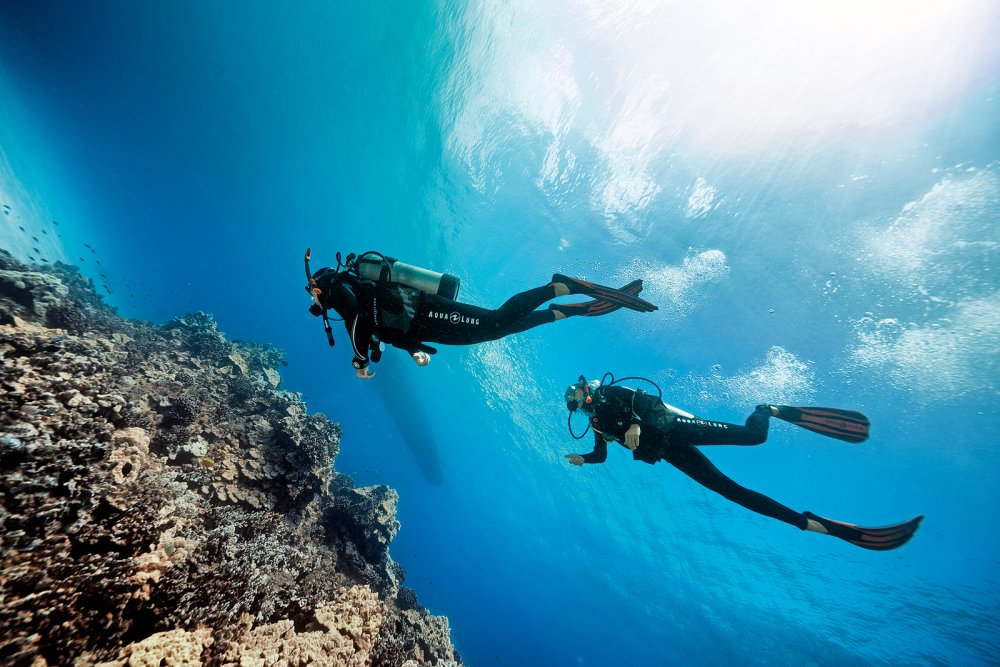
Diving in Freeport, located in the stunning Grand Bahama Island, offers an authentic underwater experience that is hard to match. This region is renowned for its well-preserved reefs, thanks to a comprehensive mooring system that safeguards the delicate marine ecosystem. As a result, divers can explore vibrant coral gardens teeming with life. Freeport is a haven for both beginners and seasoned divers, boasting a variety of dive environments such as shallow reefs, eerie shipwrecks, and vast cave networks. The West End is perfect for less experienced divers with its colorful reefs and accessible wrecks, while the deeper walls and Lucayan Caves present thrilling challenges for advanced and technical divers.
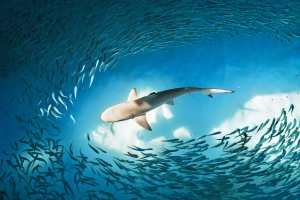
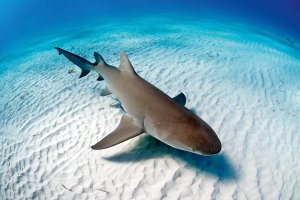
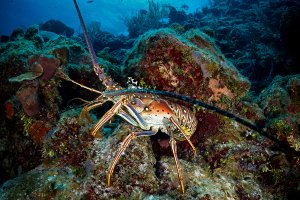
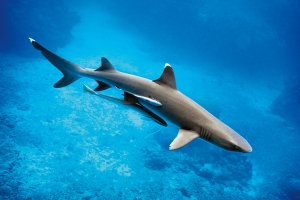
One of Freeport's standout features is its reputation as a premier shark dive location. At Tiger Beach, divers can encounter the majestic tiger shark along with reef, nurse, and even hammerhead sharks, making for an adrenaline-pumping experience. Another highlight is Theo’s Wreck, a 70 meters/230 feet artificial reef that invites exploration. Seasonally, from October to November, divers can witness the remarkable migration of spiny lobsters as they journey to deeper waters. Additionally, many Bahamian liveaboards depart from Grand Bahama, offering the chance to explore the surrounding Out Islands, making Freeport a must-visit destination for divers seeking diverse and unforgettable underwater adventures.
Dive Activity
Diving in Freeport
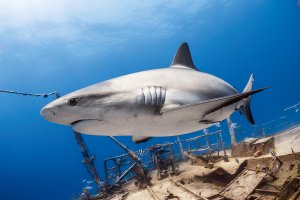
The highlight of scuba in Freeport is shark diving. World-famous sites like Tiger Beach and Shark Junction must absolutely not be missed if close encounters with reef and tiger sharks is on your bucket list.
There are many wreck sites to explore, but the most popular are Theo’s Wreck, Sugar Wreck and Jose’s Wreck. You can even inspect under Jose’s Wreck, as it balances on two coral mounts.
For breathtaking wall and reef diving, there are countless sites to enjoy. Beautiful shallow reefs include the Sanctuary Reef and Silver Reef among many, while The Chamber and Angel Camp are slightly deeper. Experienced divers can explore exhilarating deep reef diving like at Tunnels and Gail’s Grotto
Top Wildlife Sightings in Freeport
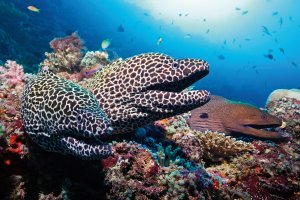
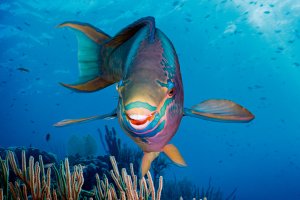
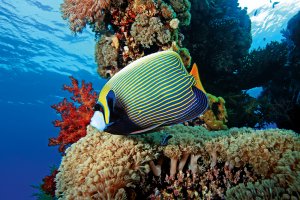
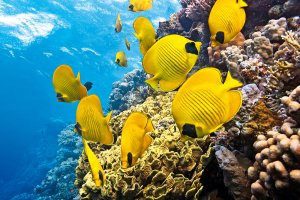
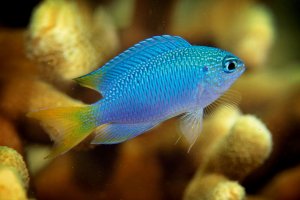
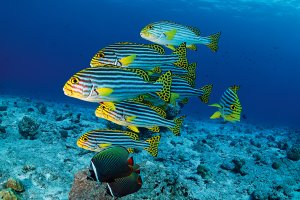
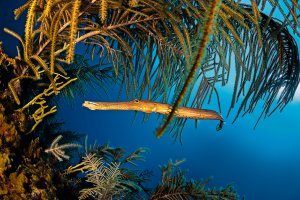
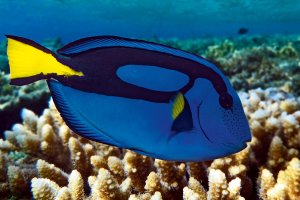
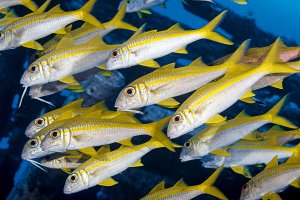
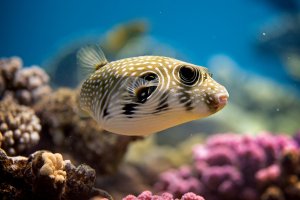
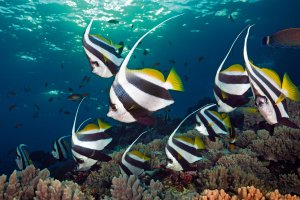
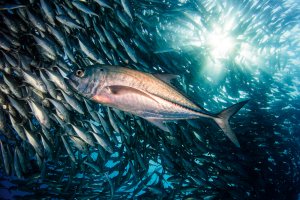
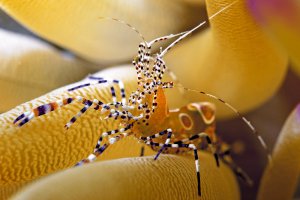
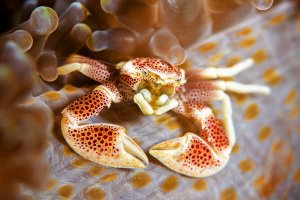
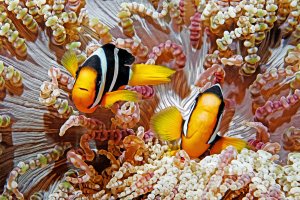
Highlights include tiger and Caribbean reef sharks, in addition to turtles, eels, octopus, crustacean and colorful schools of fish. A variety of superb hard and soft corals also thrive en mass, and tons of tropical reef fish create rainbows of color on the extensive reefs.
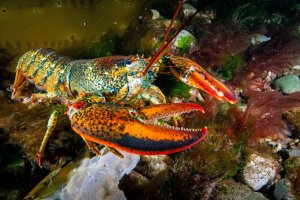
Also, the “March of the Spiny Lobsters” phenomenon occurs when these critters are disturbed by the arrival of October and November storms, during which virtually infinite numbers march to deeper spots.
Wildlife Sightings are Based on User Generated Content
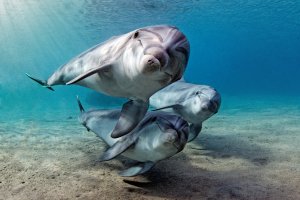
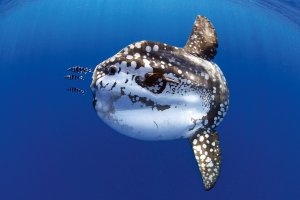
The image shown is a representative illustration and does not depict every individual animal in this category.
Total number of species: 27
The image shown is a representative illustration and does not depict every individual animal in this category.
Total number of species: 200
Moray Eel
Bottlenose Dolphin
The image shown is a representative illustration and does not depict every individual animal in this category.
Total number of species: 25
Eagle Ray
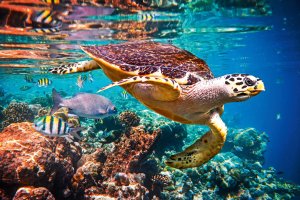
Loggerhead Turtle
The image shown is a representative illustration and does not depict every individual animal in this category.
Total number of species: 600
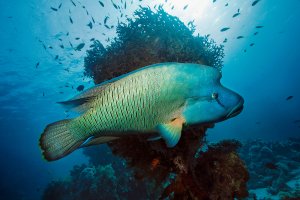
Wrasse
Reef Manta Ray
Leatherback Turtle
The image shown is a representative illustration and does not depict every individual animal in this category.
Total number of species: 2
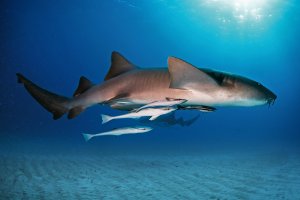
Nurse Shark
Grey Reef Shark
The best Months to dive in Freeport
A tropical climate brings year-round exceptional diving. The dry season from November to May is the best time to dive, when the weather is sunny, warm and less humid. Ocean conditions are most favourable, with water temperatures ranging between 24-27°C/75-80°F. Plus tiger sharks come out to play from October to January at Tiger Beach, and Shark Junction’s reef sharks are present.
June to October is the rainy season, though downpours usually pass quickly. Hurricanes might occur during this time, so ensure to take out travel insurance. However, uncrowded dive sites and bargain deals on accommodation and diving make the low season’s diving just as good, along with warmer ocean temperatures reaching 31°C/88°F.