North Side
The majority of the dive sites on this tiny island are concentrated on the North Side of Guanaja.
 © AdobeStock/unai
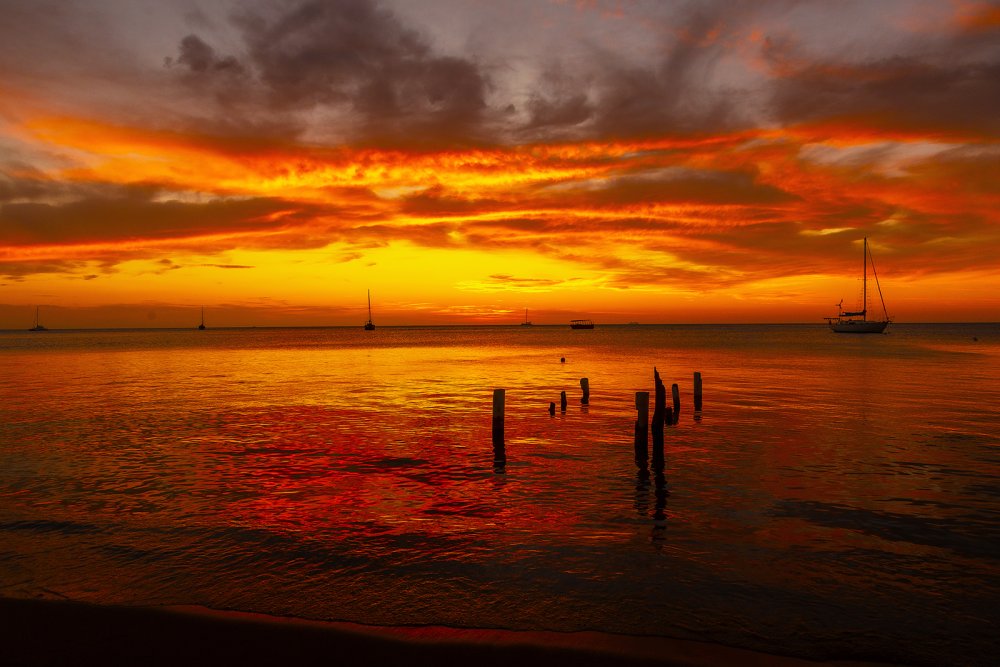
Nestled among the Bay Islands of Honduras, Guanaja stands out as a paradise for diving enthusiasts seeking an unspoiled underwater retreat. As the most remote and undeveloped of the islands, it offers a truly unique and intimate diving experience. The island's proximity to the Mesoamerican Reef, the second largest barrier reef in the world, guarantees breathtaking encounters with vibrant marine life and pristine coral formations. Divers are treated to an array of spectacular sites, including colorful reefs, dramatic pinnacles, and intriguing shipwrecks, providing diverse environments for exploration.
Guanaja's diving conditions are generally calm, making it ideal for both beginners and seasoned divers. While novices can enjoy the tranquil waters close to shore, certified divers have the opportunity to explore deeper sites and engage in specialty courses such as wreck and deep diving. The island's dive resorts and centers cater to all levels, while rustic dive boats, often repurposed fishing vessels, offer authentic adventures. With its lack of cars, paved roads, and chain hotels, Guanaja provides a refreshing escape from modern life, where you can immerse yourself in the beauty of nature both above and below the waves. The best diving conditions can typically be found from March to October, making it a prime destination for those seeking underwater adventures year-round.
Michael’s Rock is a paradise for critter hunters, rife with cracks and crevices where countless marine creatures hide. Divers can expect to see diverse fauna, including colorful fish and invertebrates. This site is suitable for all levels, offering both scuba and freediving opportunities. Its special feature is the abundance of hiding spots for marine life.
Vertigo is part of the Mesoamerican Barrier Reef, featuring dramatic wall dives with impressive drop-offs into the deep blue. Marine life includes large pelagics and vibrant coral gardens. It is best suited for advanced divers due to the depth and wall diving conditions and is primarily a scuba diving site.
Located in a channel, The Pinnacle boasts a wall covered in diverse coral species, including rare black corals. The site is frequented by a plethora of reef fish and small invertebrates. Suitable for all adventure levels, it offers scuba diving. The rich coral diversity is its standout feature.
The Jado Trader is a 240-foot-long refrigerator freighter that sank in 1987, creating a thriving artificial reef on a sandy bottom. Divers can explore the intact vessel, home to numerous coral pinnacles and fish species. Suitable for advanced divers, this site is primarily for scuba diving.
Black Rock Canyon, formed by volcanic activity, features a series of caves and tunnels. Inside, divers might spot sleeping sharks amid the adventurous underwater landscape. It caters to advanced and technical divers due to its challenging conditions and is primarily a scuba diving site. Its geological formations make it unique.
Diving is year-round, with water temperatures ranging between 27°C–30°C/81°F–86°F. The best time to dive is usually April and May, which is during the dry season, when the weather is sunny, dry and the ocean is at its most welcoming. The dry season typically lasts from February to September.
The rainy season typically runs from around October to January, though tropical downpours often pass quickly, and sunny periods still occur.
For whale shark encounters, you can spot them throughout all seasons, but February and April is when the highest number of sightings occur.
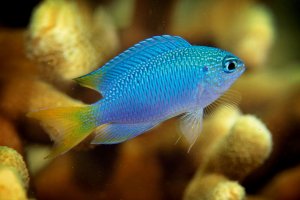
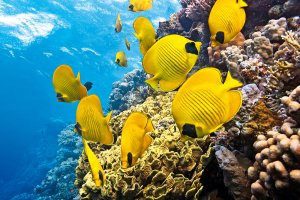
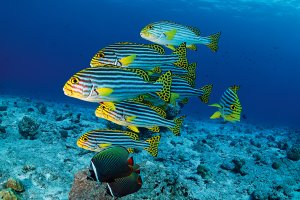
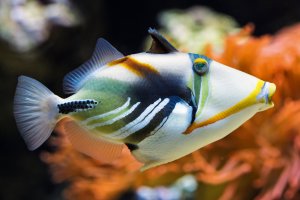
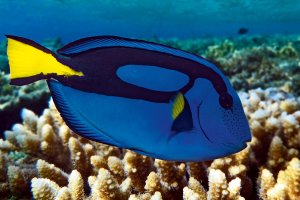
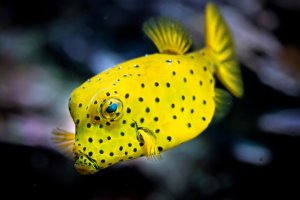
Expect to see a rich variety of colorful hard and soft corals, where tons of equally vibrant tropical reef fish flourish.
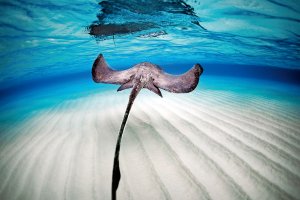
Sea turtles and sharks are more prevalent in Guanaja in comparison to the other Bay Islands, and divers have a good chance of seeing whale sharks and eagle rays. Occasionally, whales, dolphins and hammerheads can be spotted.
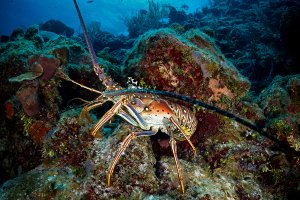
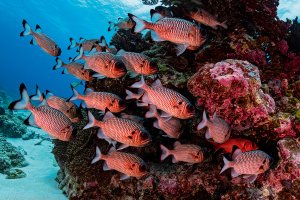
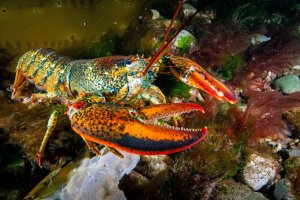
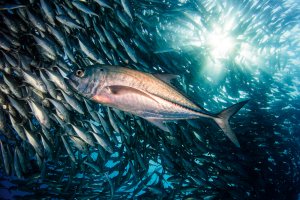
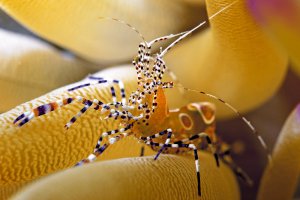
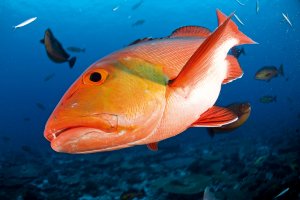
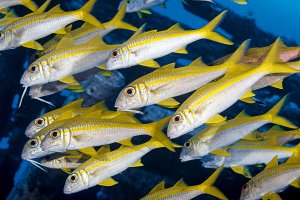
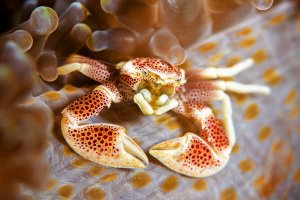
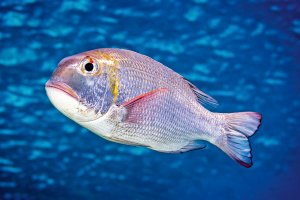
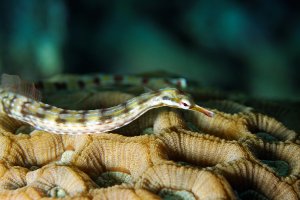
Divers can also observe barracuda, grouper, butterfly fish, parrotfish, sardines, octopus, eels, crabs and many more. Macro life is just as sublime, with nudibranchs, seahorses and crabs.
Wildlife Sightings are Based on User Generated Content
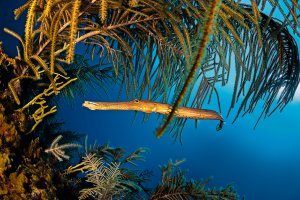
The image shown is a representative illustration and does not depict every individual animal in this category.
Total number of species approx.: 27
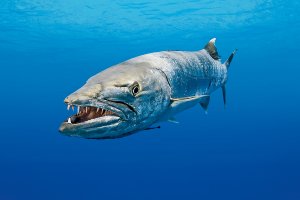
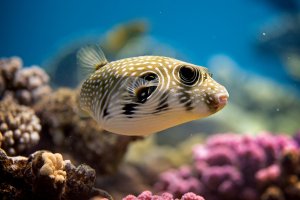
The image shown is a representative illustration and does not depict every individual animal in this category.
Total number of species approx.: 200
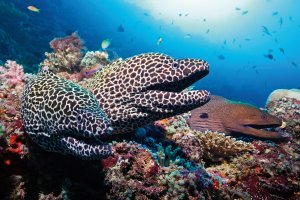
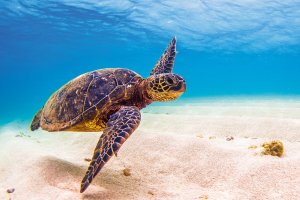
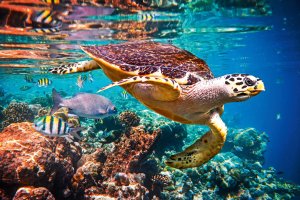
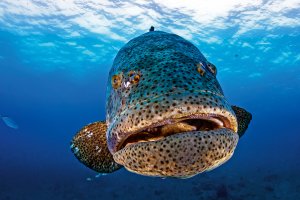
The image shown is a representative illustration and does not depict every individual animal in this category.
Total number of species approx.: 600
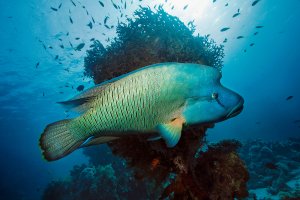
The image shown is a representative illustration and does not depict every individual animal in this category.
Total number of species approx.: 2
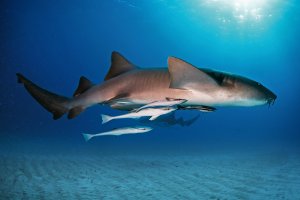
The image shown is a representative illustration and does not depict every individual animal in this category.
Total number of species approx.: 100
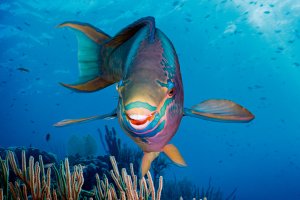
The image shown is a representative illustration and does not depict every individual animal in this category.
Total number of species approx.: 12
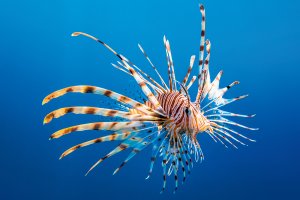
The image shown is a representative illustration and does not depict every individual animal in this category.
Total number of species approx.: 90
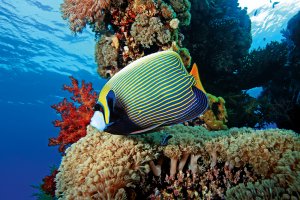
The image shown is a representative illustration and does not depict every individual animal in this category.
Total number of species approx.: 3