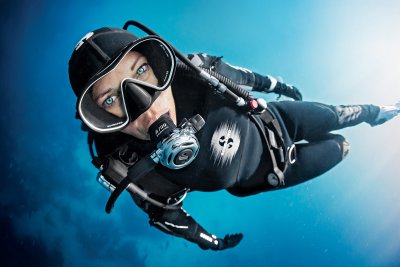
Explore Isla Mujeres
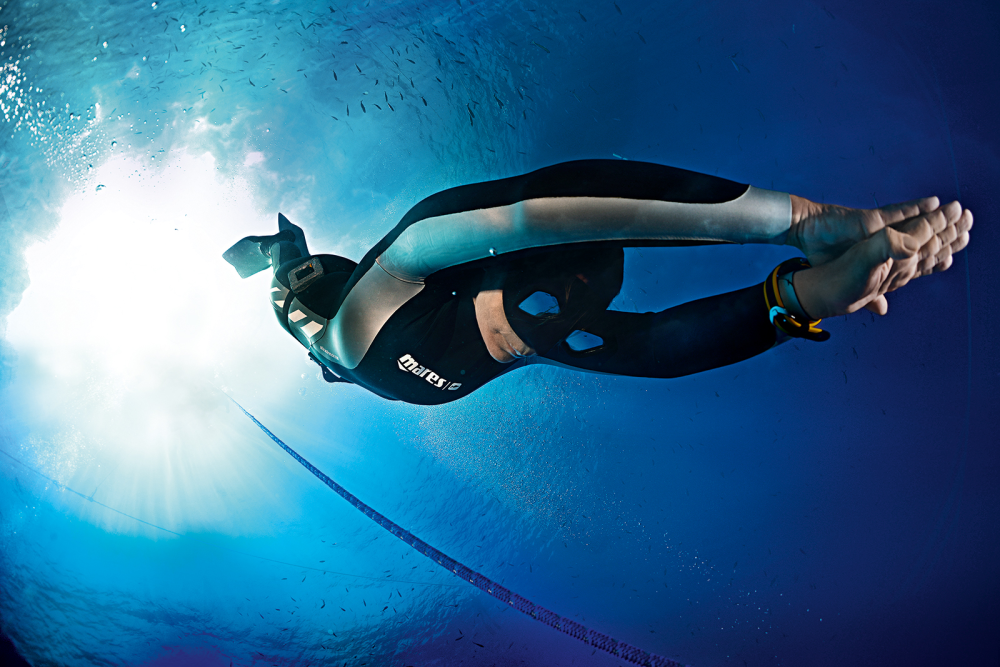
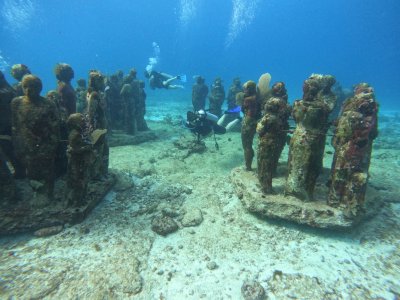
Isla Mujeres is a unique dive destination that offers interactions with pelagic species as well as reef-dwelling macrofauna through access to shallow and deep dive sites. Like all of the popular dive destinations that dot the east coast of the Yucatán Peninsula, the dive sites surrounding Isla Mujeres are on the Mesoamerican Barrier Reef System, which is the second largest reef system in the world. The highlight of Isla Mujeres, however, is that whale sharks terminate their migratory path just off the northeast coast, which makes for a spectacular sight for those in the water.
Dive Activity
Diving in Isla Mujeres
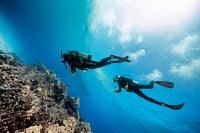
Isla Mujeres is versatile in that it has reef-diving, wreck-diving, and drift-diving opportunities. The wrecks in this area are plentiful: remnants of the General Anaya, Hondureño, and El Pesquero are some of the many that can be explored.
Due to the proximity of all dive sites to either Isla Mujeres or Cancún, liveaboard dive boats do not operate in this region. Instead, local dive shops and dive resorts make frequent boat trips out to the area’s dive sites.
Top Wildlife Sightings in Isla Mujeres
The main attraction of Isla Mujeres that inspires divers to travel from all over the world is the opportunity to swim with whale sharks. These magnificent and gentle giants are the largest species of shark, and they arrive off the northeast coast of Isla Mujeres between June and September every year as the final stop on their migratory path. These whale sharks can grow up to 13 meters/42.7 feet in length and can weigh more than 1,000 kilograms/2,205 pounds. Their size and feeding patterns (filter feeding) are what make them more like whales than sharks.
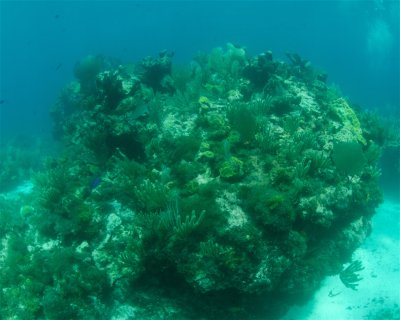
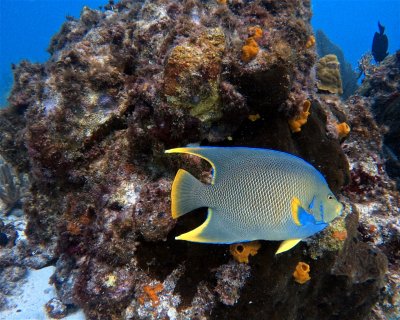
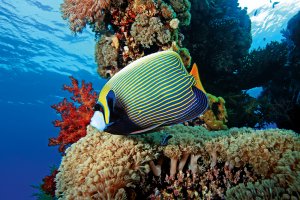
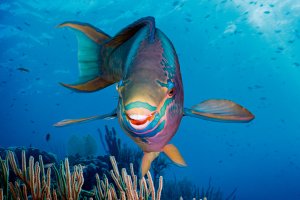
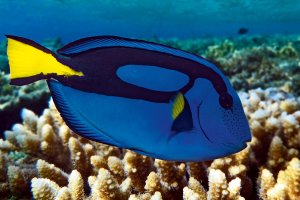
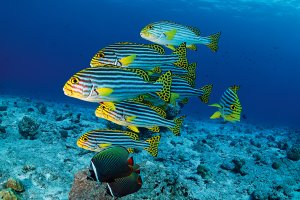
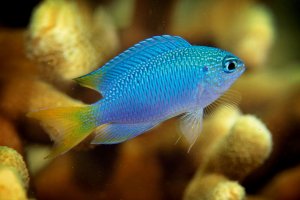
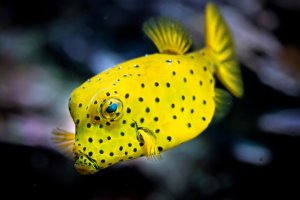
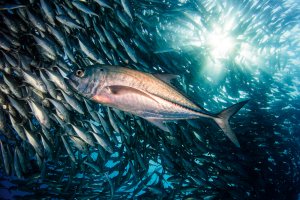
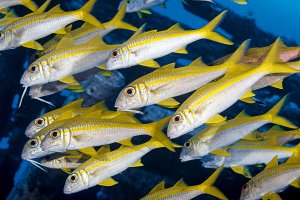
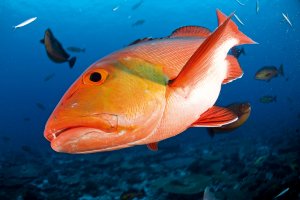
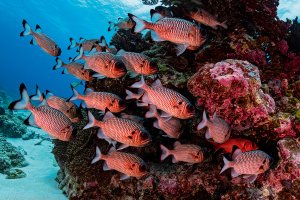
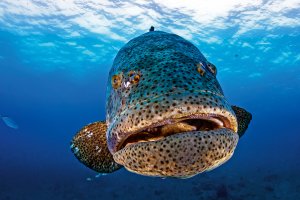
Aside from these majestic megafauna, a variety of reef-dwellers can also be found in the waters surrounding Isla Mujeres. Grouper, parrotfish, snappers, angelfish, trunkfish, grunts, wrasses, and blue tangs swim in and around the elkhorn, staghorn, and brain corals.
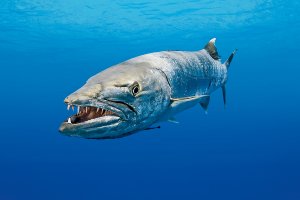
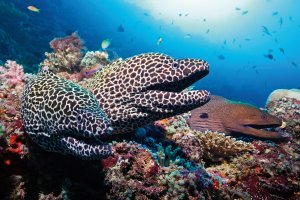
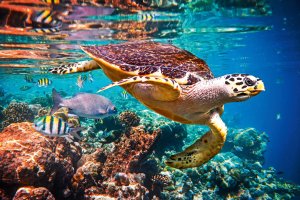
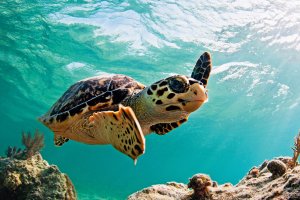
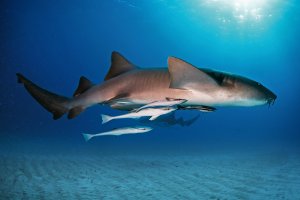
Eels can be found in the little cracks in the reef and under the overhangs. Other pelagic species that divers may come across include bull, nurse, gray reef, and blacktip sharks, Hawksbill sea turtles, and sailfish.
Wildlife Sightings are Based on User Generated Content
The image shown is a representative illustration and does not depict every individual animal in this category.
Total number of species: 27
The image shown is a representative illustration and does not depict every individual animal in this category.
Total number of species: 200
Moray Eel
Hawksbill Turtle
Loggerhead Turtle
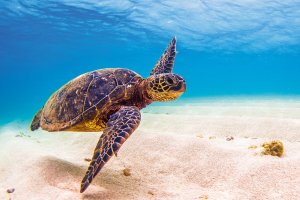
Green Turtle
The image shown is a representative illustration and does not depict every individual animal in this category.
Total number of species: 80
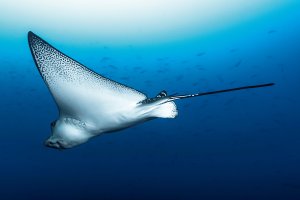
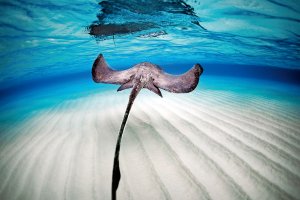
Stingrays
The image shown is a representative illustration and does not depict every individual animal in this category.
Total number of species: 90
Angelfish
The image shown is a representative illustration and does not depict every individual animal in this category.
Total number of species: 100
Parrotfish
The image shown is a representative illustration and does not depict every individual animal in this category.
Total number of species: 130
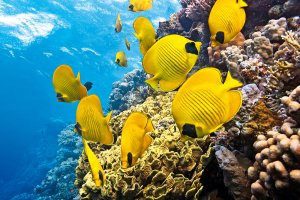
Butterfly Fish
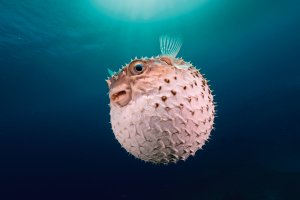
The image shown is a representative illustration and does not depict every individual animal in this category.
Total number of species: 130
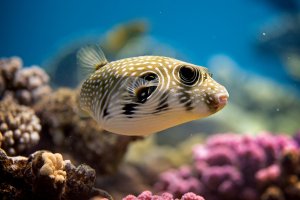
Pufferfish
The best Months to dive in Isla Mujeres
If your main objective is to swim with whale sharks, May through September is the time to visit Isla Mujeres. This is when waters are warmest, so novice divers who prefer not to dive with a wetsuit should target this month as well. The wintertime is normally the most popular time to visit Isla Mujeres, since visibility is at its peak and encounters with other pelagic species are quite common.