FEET FIRST DIVE Newcastle & Nelson Bay, NELSON BAY, PORT STEPHENS
97 Stockton St, 2315 NELSON BAY, NSW - Australia
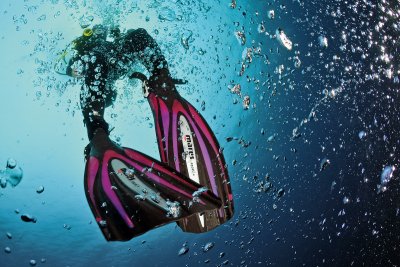
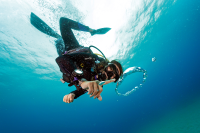
Nelson Bay, found in the Port Stephens area of New South Wales, is a sedate holiday town. Though it is a small town, it is popular during the summer months with tourists looking to enjoy water sports such as scuba diving, fishing, surfing and dolphin and whale watching.
There are two long established dive centres found here, both of which offer the full range of recreational dive courses and even some technical and professional qualifications. There are no dive resorts or liveaboards currently operating.
Among the many dive sites found here, there are some stand out highlights. There is a large population of grey nurse sharks found here, as well as over 15 other species of sharks and rays. The visibility is good too, usually exceeding 20m so you can see all the sites in their full splendour. Combined with the peaceful, festive atmosphere of the town, this is a lovely dive destination.
There is a good combination of shore and boat dives and a wide variety of site difficulties. For more advanced divers, there are some deep walls to explore and stunning fissures in the rock to swim through such as at The Looking Glass. The volcanic rock structures create dramatic formations that will keep divers hypnotised.
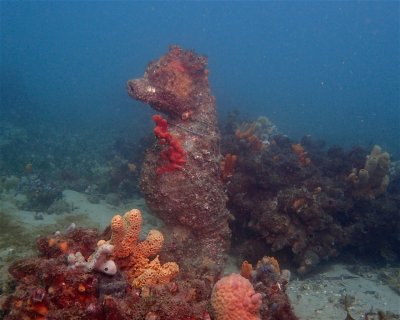
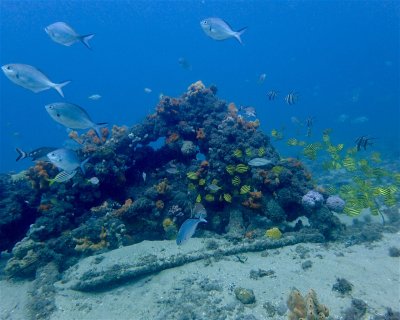
The shallower sites are also littered with gullies and crevasses to explore, as well as coral and sponge gardens and kelp covered bommies. There are a couple of wrecks to explore - The Oakland and The Macleay. There is plenty of macro for photographers, the favourite site for this is The Pipeline.
Diving in Nelson Bay is possible year round, though the winter months do see a significant decrease in temperature. The humid subtropical climate means that the summers are warm and humid and the autumns are cool and wet.
During the summer (November - March), the temperatures have a mean of 27°C during the day and water temperatures are in the low twenties. The warmer temperatures encourage more biodiversity in marine species.
The winters (June - September) have daytime temperatures in the mid-teens and average water temperatures of 17°C. It is still possible to dive at this time but many people will need at least a 7mm, if not a dry or semi dry suit.
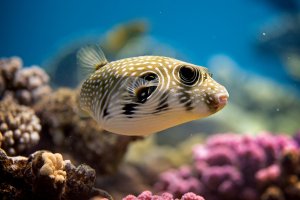
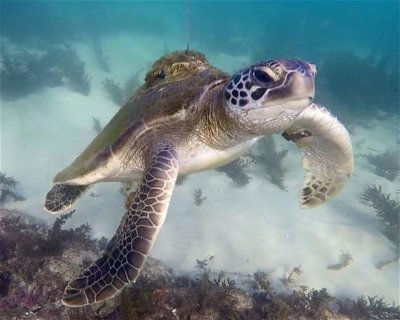
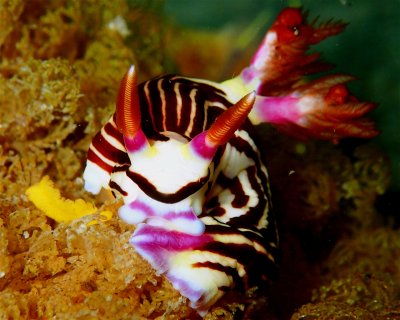
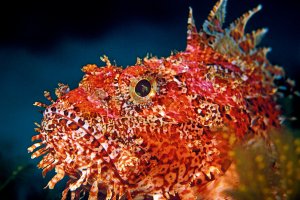
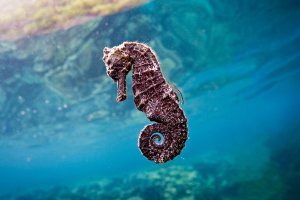
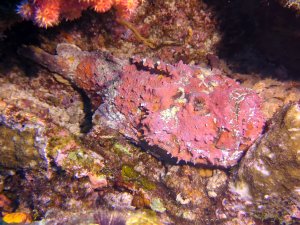
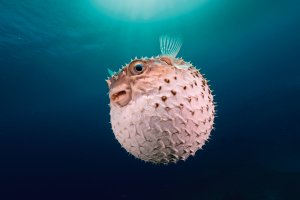
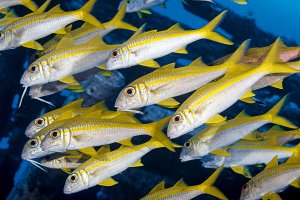
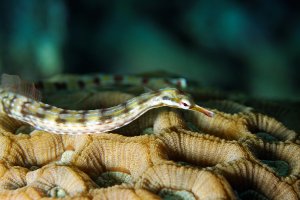
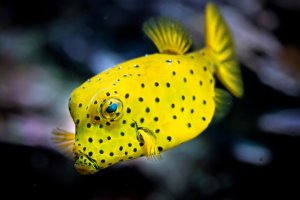
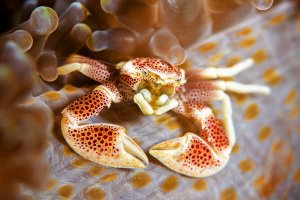
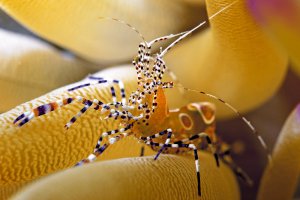
There are over 400 species of fish found when diving in Nelson Bay, from intimidating sharks to tiny pipefish. The rocks and cracks in the rock hide many beasties. The abundance of nudibranch here is widely lauded, as well as the crustacean population which encompasses spider crabs and crayfish. Fish life includes eels, pipefish, seahorses, frogfish, dragonets and many more. Green and loggerhead turtles frequent many of the dive sites.
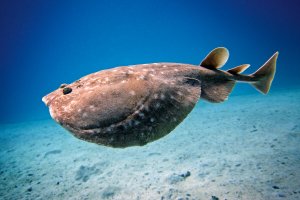
There are over 20 species of sharks and rays. This includes big grey nurse sharks, of which there is a large population, wobbegongs, shovelnose sharks, Port Jackson sharks, eagle rays and fiddler rays.. Rarer sights extend to hammerhead sharks and great white sharks. Spinner dolphins and fairy penguins have occasionally been seen by divers, the dolphins can get very curious!
Wildlife Sightings are Based on User Generated Content
The image shown is a representative illustration and does not depict every individual animal in this category.
Total number of species approx.: 300
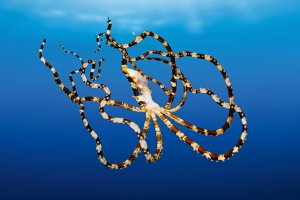
The image shown is a representative illustration and does not depict every individual animal in this category.
Total number of species approx.: 200
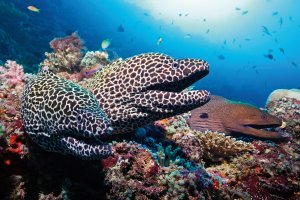
The image shown is a representative illustration and does not depict every individual animal in this category.
Total number of species approx.: 600
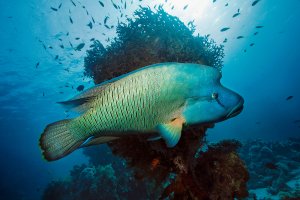
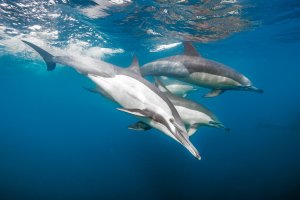
The image shown is a representative illustration and does not depict every individual animal in this category.
Total number of species approx.: 80
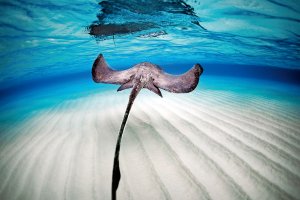
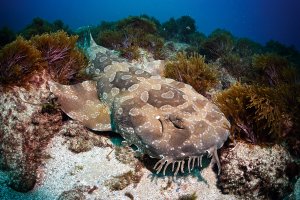
The image shown is a representative illustration and does not depict every individual animal in this category.
Total number of species approx.: 3000
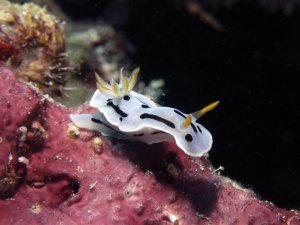
The image shown is a representative illustration and does not depict every individual animal in this category.
Total number of species approx.: 250
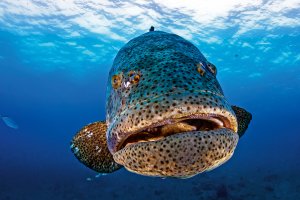
The image shown is a representative illustration and does not depict every individual animal in this category.
Total number of species approx.: 120
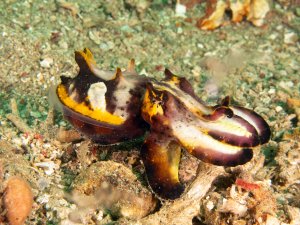
The image shown is a representative illustration and does not depict every individual animal in this category.
Total number of species approx.: 130