Uepi
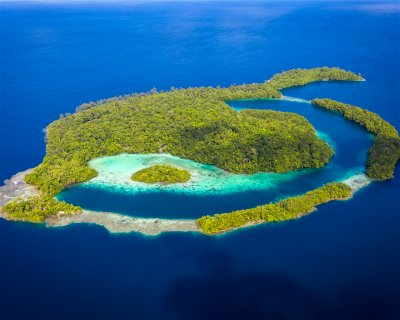
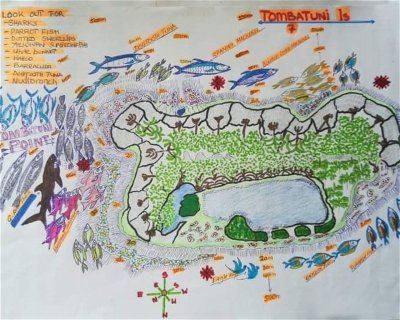
Uepi is a barrier island between the Marovo Lagoon and the deep New Georgia Sound. Lying in the New
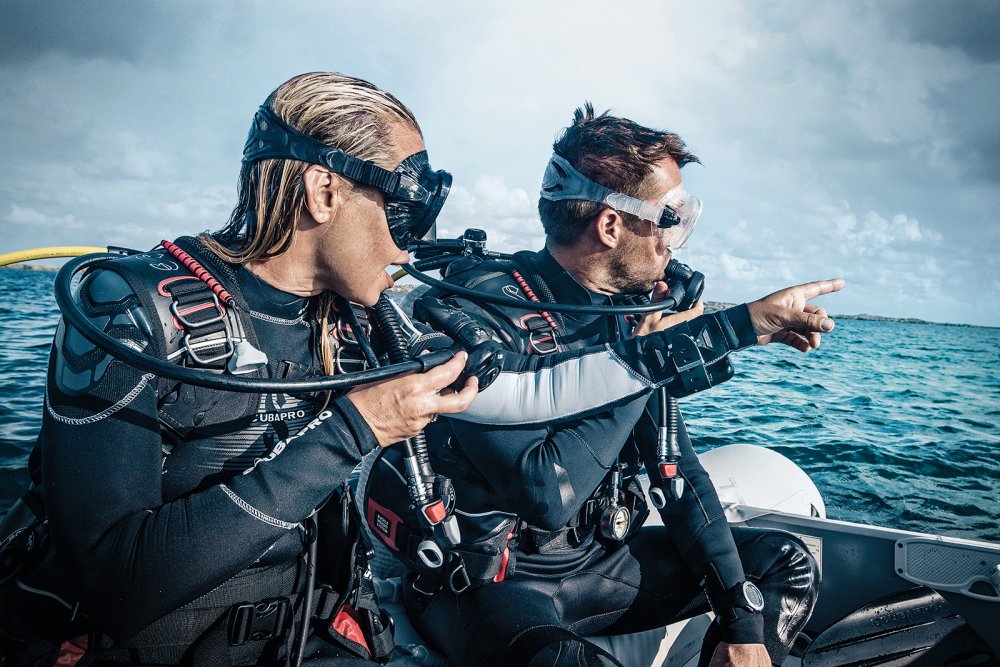 © Scubapro
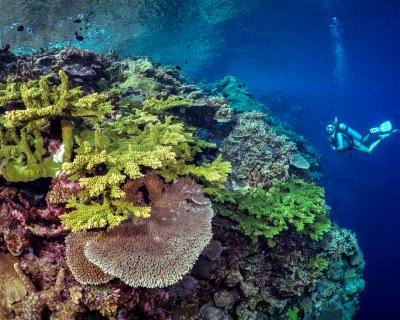
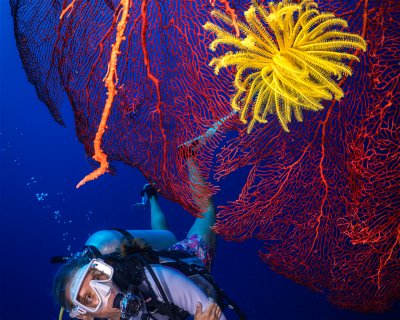
The volcanic archipelago of the New Georgia Islands showcase the rugged beauty that is found throughout the Solomon Islands. On land, the lush forested terrain is host to a handful of dive centres and dive resorts that offer a gateway to the wealth of uncrowded dive sites lying beneath the ocean’s surface.
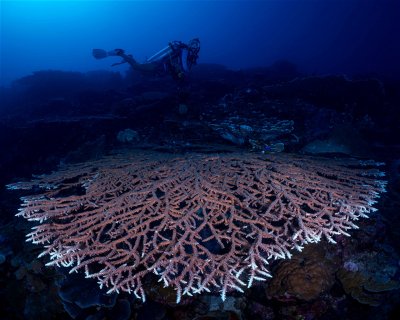
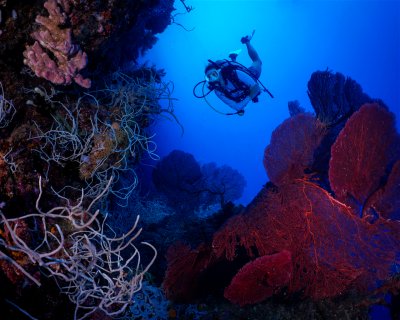
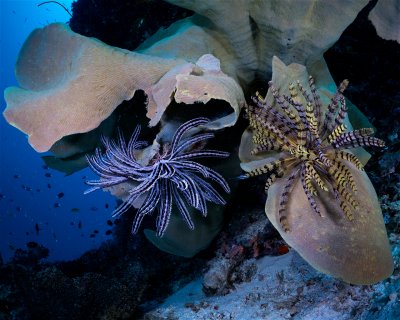
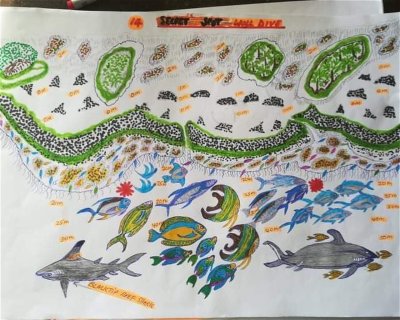
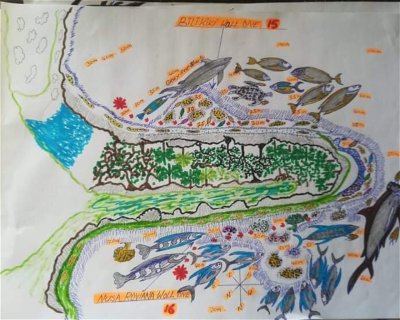
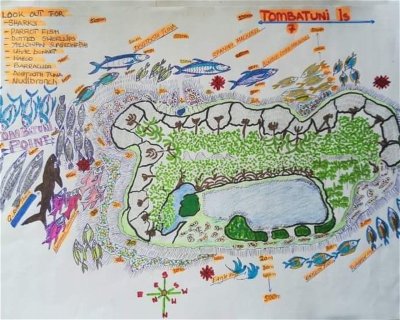
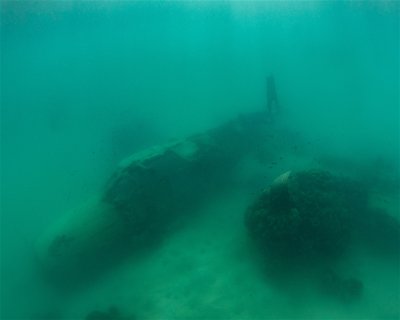
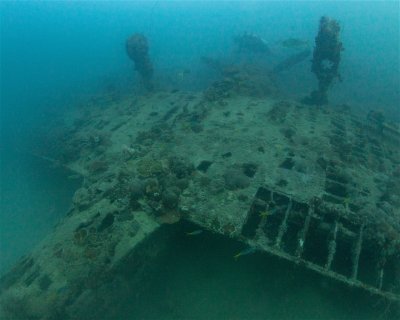
Situated on Ghizo Island, Gizo is the capital of the Solomons Western Province. Gizo’s only dive centre offers a variety of dive courses and trips into fringing reefs, dramatic vertical walls, drop-offs and intriguing sunken war wrecks such as a Grumman Hellcat and a Corsair fighter. At New Georgia Island, sheer drop-offs are patrolled by hammerhead sharks while Uepi Island is uniquely positioned between the saltwater Marovo Lagoon and the 2000-metre vertical drop-offs into the New Georgia Sound. The island’s dive resort provides access to this extraordinary marine ecosystem, teeming with schools of pelagics and macro life.
An outcrop in the deep ocean, Mary Island is an uninhabited extinct volcano surrouded by deep walls where manta rays, barracuda and shark cruise. Due to Mborokua’s (Mary Island) remote location, it is best dived through visting liveaboards that offer scuba diving in New Georgia Islands group.
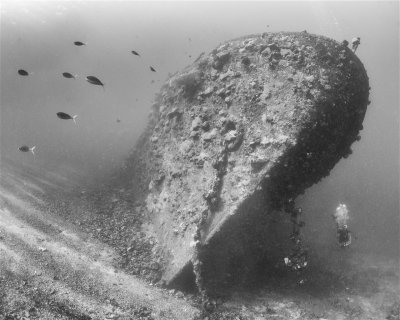
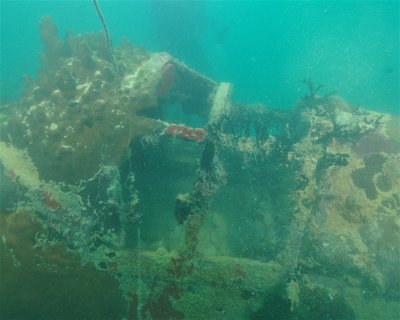
New Georgia Island, part of the Solomon Islands, offers a plethora of dive sites that cater to various interests. Notable among these is the "Munda Barrier Reef," renowned for its vibrant coral gardens and abundant marine life, making it a favorite for shore divers. The "Kashi Maru Wreck," a sunken Japanese cargo ship, provides an intriguing wreck dive experience, with its structure now home to a diverse array of fish and corals.
Dive travelers can enjoy the unique experience of night dives, where they can witness the bioluminescent spectacle of plankton lighting up the water. Additionally, liveaboard options allow divers to explore more remote sites, offering a balance between convenience and adventure. Whether opting for shore or liveaboard diving, New Georgia Island promises an unforgettable underwater journey.
New Georgia Island offers diving opportunities throughout the year, with conditions generally suitable for underwater exploration. Water temperatures remain relatively stable, ranging from 27°C to 30°C, ensuring a comfortable experience for divers. Visibility is typically good, often exceeding 20 meters, especially from May to October, which is considered the best period for diving.
However, divers should be aware of seasonal weather changes. The region experiences a wet season from November to April, which can bring stronger winds and increased rainfall, potentially affecting dive conditions with rougher seas and reduced visibility at times. Despite these factors, diving is feasible year-round, although it is advisable to plan trips to coincide with the more favorable dry season to enjoy optimal conditions.
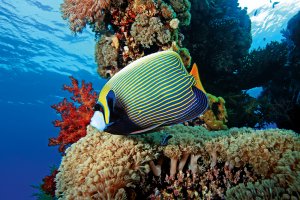
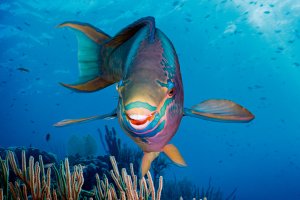
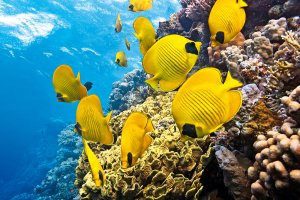
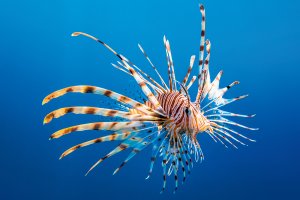
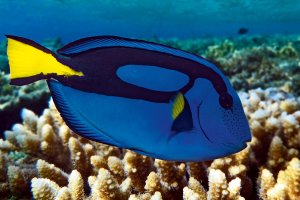
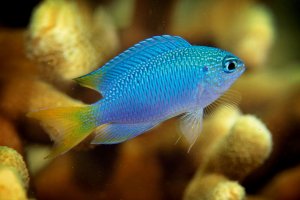
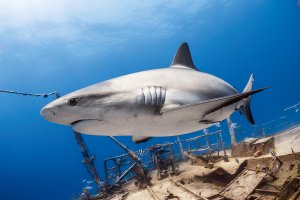
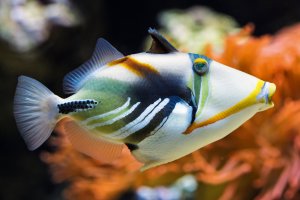
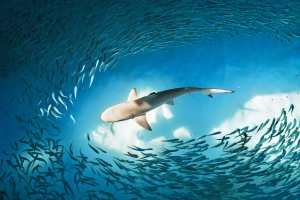
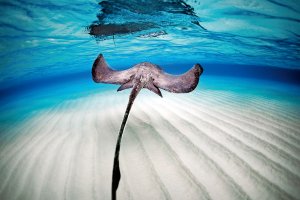
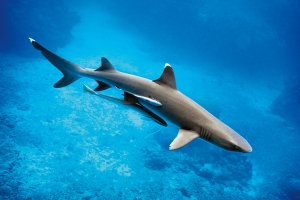
New Georgia Island, part of the Solomon Islands, offers divers a vibrant marine life experience. The island's reefs are home to a plethora of reef fish, including butterflyfish, angelfish, and parrotfish, easily spotted year-round. These colorful species contribute to the dynamic underwater landscape, making every dive a visual treat. Seasonal highlights include sightings of majestic manta rays and various shark species, such as reef and hammerhead sharks, predominantly seen during the cooler months from May to October. Sea turtles, particularly the hawksbill variety, are also a common spectacle, often encountered around the island's coral patches. The diversity and abundance of marine life around New Georgia Island provide divers with a unique and memorable underwater adventure.
Wildlife Sightings are Based on User Generated Content
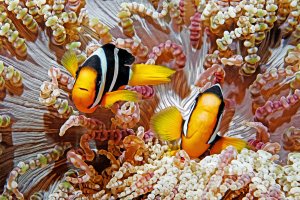
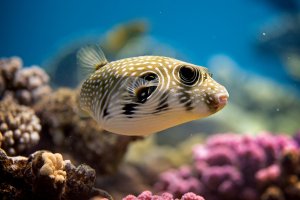
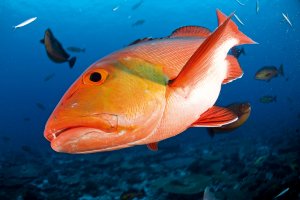
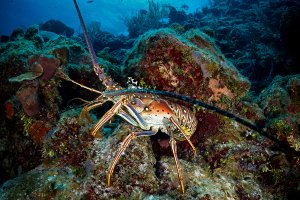
The image shown is a representative illustration and does not depict every individual animal in this category.
Total number of species approx.: 200
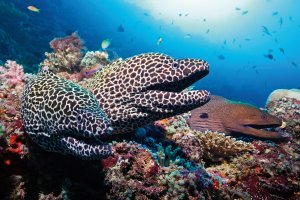
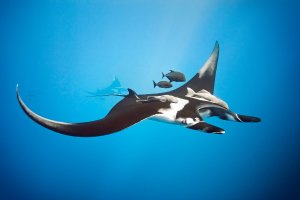
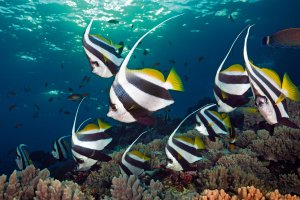
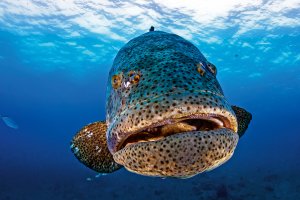
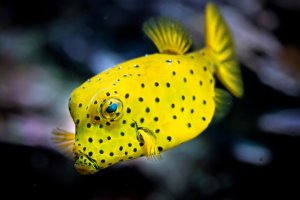
The image shown is a representative illustration and does not depict every individual animal in this category.
Total number of species approx.: 27
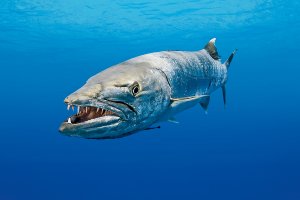
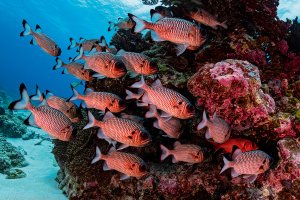
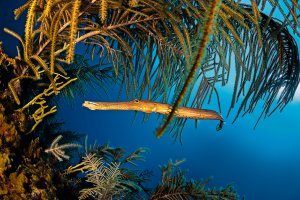
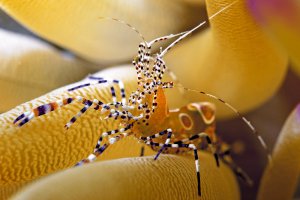
The image shown is a representative illustration and does not depict every individual animal in this category.
Total number of species approx.: 600
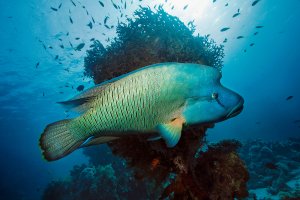
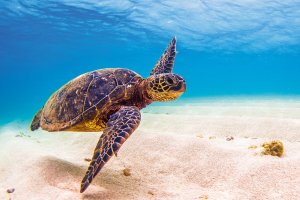
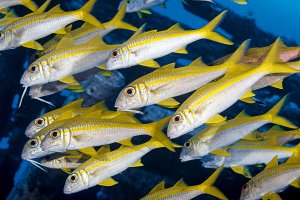
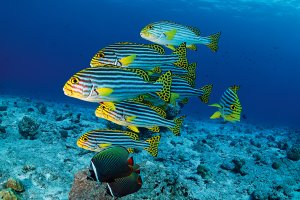
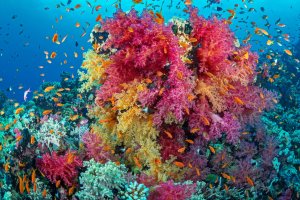
The image shown is a representative illustration and does not depict every individual animal in this category.
Total number of species approx.: 300
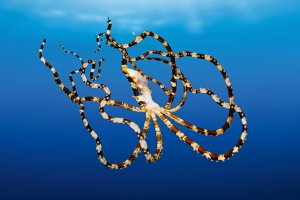
The image shown is a representative illustration and does not depict every individual animal in this category.
Total number of species approx.: 25
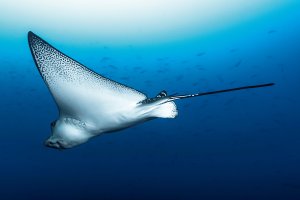
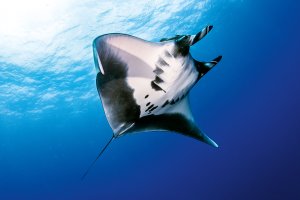
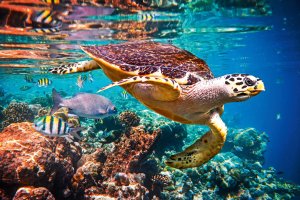
The image shown is a representative illustration and does not depict every individual animal in this category.
Total number of species approx.: 90