Seahouses
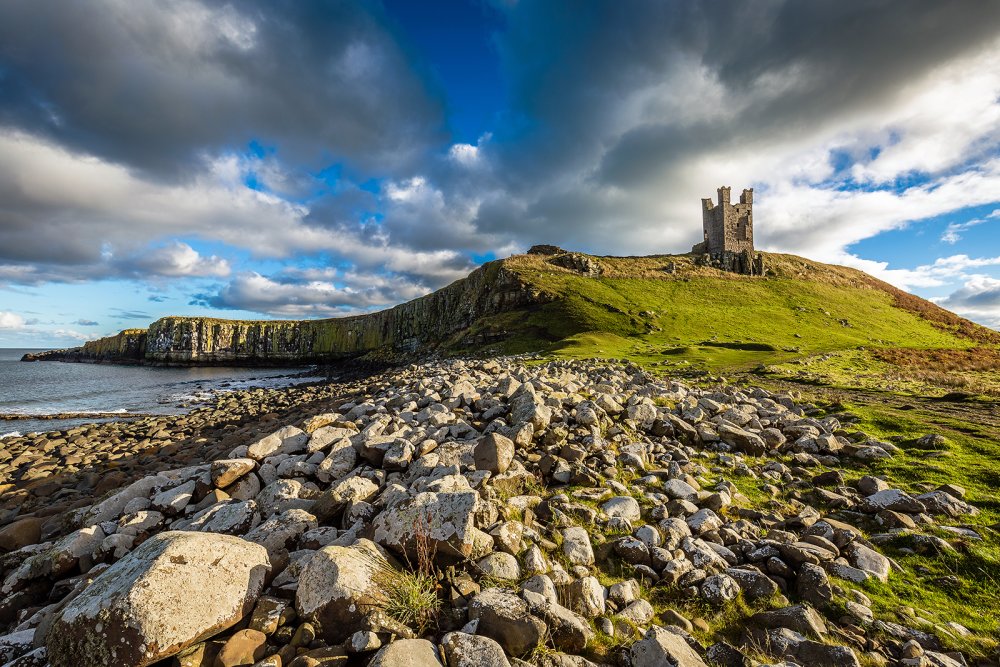
The town of Seahouses is so famed for diving because of its access to The Farne Islands, which are located off the coast of Northumberland
 © iStock/Michael_Conrad
Diving in the Northeast of England offers a unique adventure for enthusiasts seeking both thrill and tranquility beneath the waves. The area's rugged coastline and dramatic underwater landscape present a captivating backdrop for divers of all experience levels. Beginners can explore shallower sites teeming with intriguing marine life, while technical divers will be drawn to the numerous shipwrecks scattered across the sea bed. The region's rocky underwater terrain is perfect for exploring, providing endless nooks and crannies filled with marine treasures.
One of the highlights of diving here is the opportunity to explore the waters around the Farne Islands in Northumberland. Known for their perilous nature to shipping, these waters are a haven for wreck divers and marine life enthusiasts alike. The islands are home to playful seals, crustaceans, and vibrant anemones, creating a lively underwater spectacle. Despite the chilly waters, which necessitate a thick wetsuit or dry suit even in the warmest months of September and October, the experience is invigorating and rewarding. For the truly adventurous, diving is possible year-round, aided by inland sites that offer alternatives when sea conditions are rough.
The North East of the US, including areas like Massachusetts and New York, offers thrilling dive sites for enthusiasts. Among the top wreck dives is the Chester Poling in Gloucester, Massachusetts. This sunken coastal tanker not only impresses with its historical allure but also with abundant marine life. Another noteworthy site is the U-853, a German submarine off Rhode Island's coast, providing divers with a hauntingly memorable experience.
For those who prefer shore dives, Fort Wetherill in Jamestown, Rhode Island, stands out with its easy access and vibrant aquatic ecosystems. Unique experiences such as night dives reveal bioluminescent creatures that create an enchanting underwater glow. The region skillfully balances shore and liveaboard diving options, catering to divers of varying expertise while ensuring diverse marine adventures.
Diving in the North East of England is accessible throughout the year, with seasonal changes impacting conditions. In the summer, the water warms to 18°C–22°C/64°F–72°F, offering pleasant diving opportunities. However, during winter, temperatures drop to 5°C–10°C/41°F–50°F, necessitating the use of thicker wetsuits or drysuits. Visibility usually ranges from 10 to 20 meters/33 to 66 feet, although it can fluctuate with weather conditions. Wind and ocean currents shape the diving landscape, notably stronger during spring and autumn, affecting visibility and requiring careful dive planning. While diving is possible all year, late autumn and winter can present challenges due to storms and lower visibility. Divers are advised to monitor local weather forecasts and adapt their plans according to seasonal patterns for a safe and enjoyable experience.
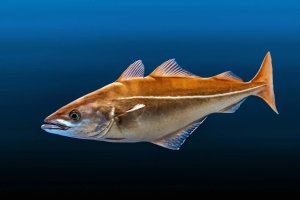
The North East of England, particularly the Northumberland coast and the Farne Islands, offers a captivating marine life experience for divers. The region is well-known for its common reef fish such as wrasse and pollock that gracefully navigate through the dense kelp forests. These reefs are also adorned with colorful anemones and soft coral, providing a vibrant underwater landscape.
During the months from September to November, divers can witness the breeding season of grey seals around the Farne Islands, which are a major attraction. While sightings of dogfish sharks and rays are less frequent, they add to the allure for divers visiting during the optimal summer months. Although sea turtles are rare in these waters, occasional sightings have been reported during the warmer periods, offering a delightful surprise for the fortunate few.
Wildlife Sightings are Based on User Generated Content
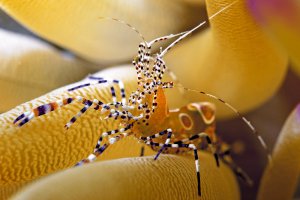
The image shown is a representative illustration and does not depict every individual animal in this category.
Total number of species approx.: 600
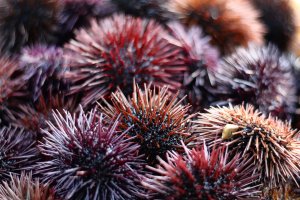
The image shown is a representative illustration and does not depict every individual animal in this category.
Total number of species approx.: 300
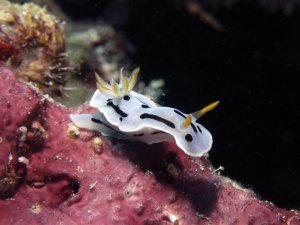
The image shown is a representative illustration and does not depict every individual animal in this category.
Total number of species approx.: 19
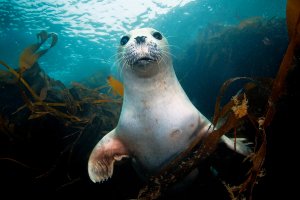
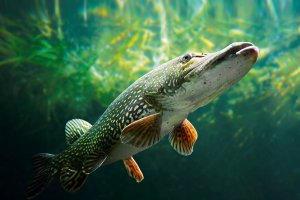
The image shown is a representative illustration and does not depict every individual animal in this category.
Total number of species approx.: 3
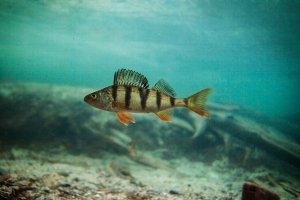
The image shown is a representative illustration and does not depict every individual animal in this category.
Total number of species approx.: 7000
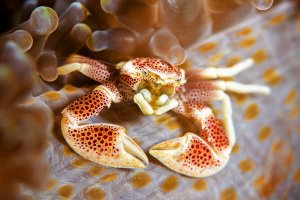
The image shown is a representative illustration and does not depict every individual animal in this category.
Total number of species approx.: 27
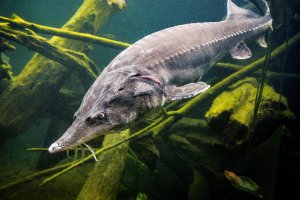
The image shown is a representative illustration and does not depict every individual animal in this category.
Total number of species approx.: 55
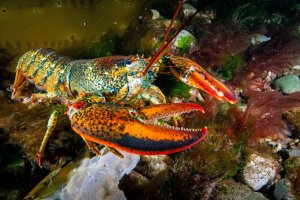
The image shown is a representative illustration and does not depict every individual animal in this category.
Total number of species approx.: 35
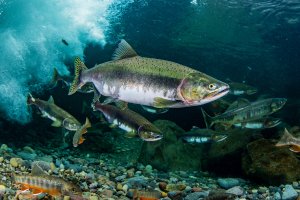
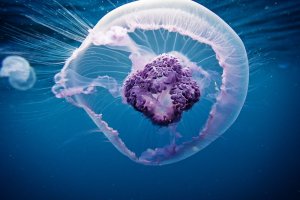
The image shown is a representative illustration and does not depict every individual animal in this category.
Total number of species approx.: 22
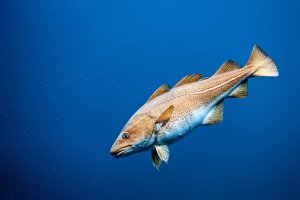
Curated by Interest
Mares
Aqualung
Shutterstock-Zi Magine
Mares-Predrag Vuckovic
Scubapro
Shutterstock-Ethan Daniels
Mares-Predrag Vuckovic
Mares-Bjoern Dorstewit

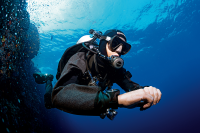
The SSI Dry Suit Diving course teaches you how to dive comfortably, safely, and confidently in colder water conditions. A dry suit opens the door to year‑round UK diving, long...
Show Offer
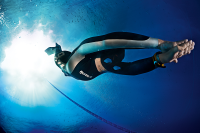
The SSI Freediver course introduces you to the fundamentals of breath‑hold diving. You’ll learn how to relax, breathe efficiently, improve your breath‑hold, and perform sa...
Show Offer
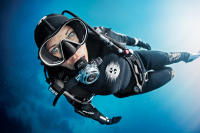
The SSI Enriched Air Nitrox (40%) course teaches you how to safely plan and dive with nitrox mixtures up to 40% oxygen. This specialty is one of the most valuable upgrades for a...
Show Offer
The SSI Dry Suit Diving course teaches you how to dive comfortably, safely, and confidently in colder water conditions. A dry suit opens the door to year‑round UK diving, long...
Show Offer
Cold water. Wild coastline. Huge grey seals. A proper UK diving weekend with real character.If you want a dive trip that feels different from the usual training weekend or easy ...
Show Offer
Step into your professional diving career with the SSI Instructor Training Course, delivered by the North’s SSI Instructor Academy. Led by our in‑house SSI Instructor Traine...
Show Offer
The SSI Freediver course introduces you to the fundamentals of breath‑hold diving. You’ll learn how to relax, breathe efficiently, improve your breath‑hold, and perform sa...
Show Offer
The SSI Enriched Air Nitrox (40%) course teaches you how to safely plan and dive with nitrox mixtures up to 40% oxygen. This specialty is one of the most valuable upgrades for a...
Show Offer
The SSI Freediver course introduces you to the fundamentals of breath‑hold diving. You’ll learn how to relax, breathe efficiently, improve your breath‑hold, and perform sa...
Show Offer
Cold water. Wild coastline. Huge grey seals. A proper UK diving weekend with real character.If you want a dive trip that feels different from the usual training weekend or easy ...
Show Offer
The SSI Dry Suit Diving course teaches you how to dive comfortably, safely, and confidently in colder water conditions. A dry suit opens the door to year‑round UK diving, long...
Show Offer
The SSI Freediver course introduces you to the fundamentals of breath‑hold diving. You’ll learn how to relax, breathe efficiently, improve your breath‑hold, and perform sa...
Show Offer
Cold water. Wild coastline. Huge grey seals. A proper UK diving weekend with real character.If you want a dive trip that feels different from the usual training weekend or easy ...
Show Offer
The SSI Enriched Air Nitrox (40%) course teaches you how to safely plan and dive with nitrox mixtures up to 40% oxygen. This specialty is one of the most valuable upgrades for a...
Show Offer
The SSI Dry Suit Diving course teaches you how to dive comfortably, safely, and confidently in colder water conditions. A dry suit opens the door to year‑round UK diving, long...
Show Offer