Oban
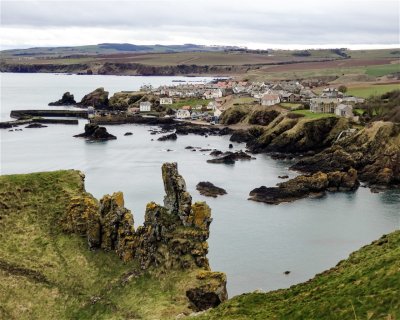
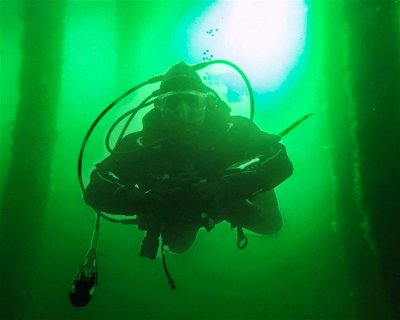
Yet another great area to explore wrecks, Oban offers more than a few great ones.
 © iStock/MartinM303
Diving in Scotland offers a unique blend of adventures, from exploring vibrant marine ecosystems to uncovering historical shipwrecks. The Firth of Lorne on Scotland's western coast is a standout spot, designated as a Special Area of Conservation since 2005, offering a rich tapestry of marine life and dramatic underwater landscapes. Here, divers can explore kelp forests teeming with crabs, lobsters, and tiny critters, accompanied by sightings of larger animals like minke whales and basking sharks. The waters around St Abbs, a quaint fishing village on the east coast, are renowned for their shore diving opportunities, providing easy access to a world of colorful anemones and soft corals. Scotland's east coast, stretching from Dundee to Berwickshire, offers a multitude of diving experiences, including exploring reefs, gullies, and archways filled with spectacular marine life. The wrecks scattered along the seabed serve as fascinating time capsules, offering glimpses into the past for those brave enough to dive into their depths. The dive season runs from April to October, with the best conditions found during the warmer months when the waters are clearer and teeming with life. From shore dives in calm bays to more challenging boat dives out to sea, Scotland's diverse dive environments and rich marine biodiversity make it a captivating destination for divers seeking something truly special.
Scotland offers a diverse range of dive sites appealing to both novice and seasoned divers. The Scapa Flow in Orkney is a world-renowned site featuring scuttled German warships from World War I, providing a fascinating underwater historical exploration. For shore dives, Loch Long is a popular choice, offering easy access and a variety of marine life, including curious seals. Unique experiences include night dives in the Sound of Mull, where bioluminescent plankton create an ethereal glow. Divers can witness playful seals and colorful anemones at St. Abbs Head, a marine reserve known for its vibrant underwater ecosystem. Scotland's dive sites offer a balanced mix of shore and liveaboard options, catering to diverse diving preferences and promising unforgettable underwater adventures.
Diving in Scotland is possible year-round, but conditions vary with the seasons. In summer, water temperatures range from 11°C–15°C/52°F–59°F, offering more comfortable diving. Winter temperatures drop to 6°C–9°C/43°F–48°F, requiring cold-water gear. Visibility can vary significantly, from 5 to 20 meters/16 to 66 feet, often improving in winter when plankton levels decrease.
Weather factors such as wind and currents can impact diving conditions. The west coast, particularly, is subject to Atlantic storms, influencing visibility and safety. While diving is possible year-round, the best conditions are typically found from late spring to early autumn. Divers should always check local forecasts and tidal information before planning a dive.
Scotland's coastal waters offer a captivating array of marine life, perfect for divers seeking an underwater adventure. Common reef fish such as wrasse, blennies, and gobies populate the rocky reefs and kelp forests, providing a vibrant display of colors and behaviors. These species are frequently encountered year-round, especially around sheltered bays and islands. Seasonal highlights include the chance to spot basking sharks, the world's second-largest fish, often seen off the west coast from May to September. Additionally, leatherback turtles occasionally visit Scottish waters during the summer months, drawn by the abundance of jellyfish. Rays, including thornback and common skate, can be observed in deeper waters, although sightings are less common. Overall, timing and location significantly influence the marine life divers can experience in Scotland.
Wildlife Sightings are Based on User Generated Content
The image shown is a representative illustration and does not depict every individual animal in this category.
Total number of species approx.: 600
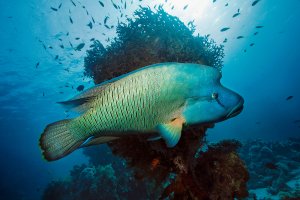
The image shown is a representative illustration and does not depict every individual animal in this category.
Total number of species approx.: 300
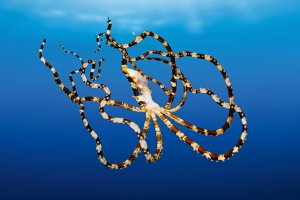
The image shown is a representative illustration and does not depict every individual animal in this category.
Total number of species approx.: 7000
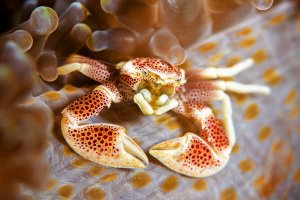
The image shown is a representative illustration and does not depict every individual animal in this category.
Total number of species approx.: 55
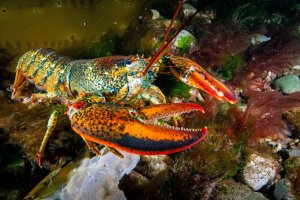
The image shown is a representative illustration and does not depict every individual animal in this category.
Total number of species approx.: 3400
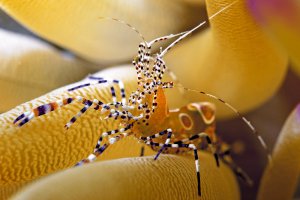
The image shown is a representative illustration and does not depict every individual animal in this category.
Total number of species approx.: 3000
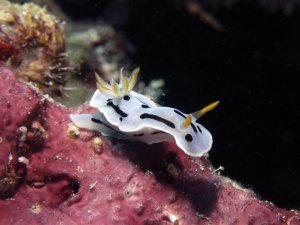
The image shown is a representative illustration and does not depict every individual animal in this category.
Total number of species approx.: 19
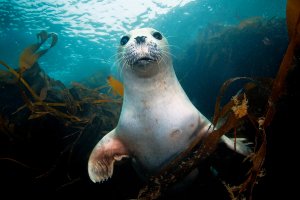
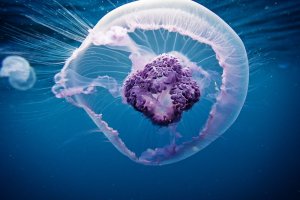
The image shown is a representative illustration and does not depict every individual animal in this category.
Total number of species approx.: 2
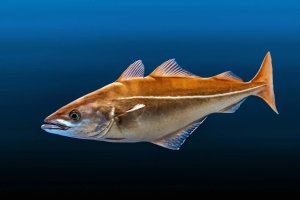
The image shown is a representative illustration and does not depict every individual animal in this category.
Total number of species approx.: 190
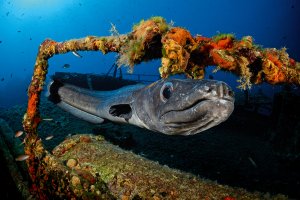
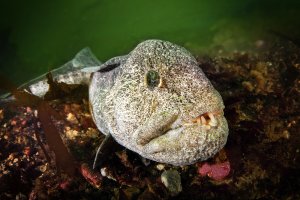
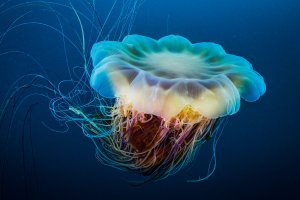
The image shown is a representative illustration and does not depict every individual animal in this category.
Total number of species approx.: 40
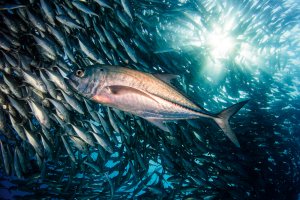
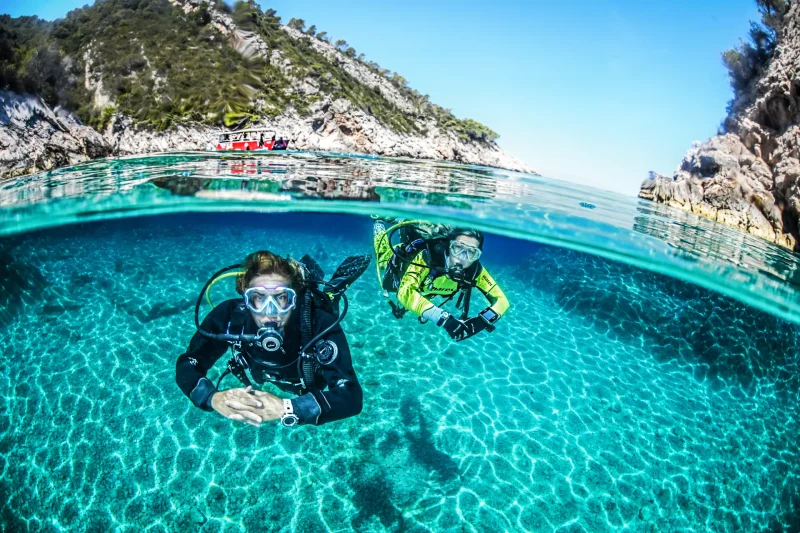
Curated by Interest
Mares
Aqualung
Shutterstock-Zi Magine
Mares-Predrag Vuckovic
Scubapro
Shutterstock-Ethan Daniels
Mares-Predrag Vuckovic
Mares-Bjoern Dorstewit

The SSI Referral Diver program provides students with the knowledge and training necessary to dive autonomously with an equally- or more-qualified buddy in a pool/confined water...
Show Offerhe SSI Diver Stress and Rescue specialty program teaches you the skills you need to protect yourself and other divers.You will learn how to identify stress, how to prevent accid...
Show Offer
The SSI Referral Diver program provides students with the knowledge and training necessary to dive autonomously with an equally- or more-qualified buddy in a pool/confined water...
Show OfferDuring the Enriched Air Nitrox 40 Program, you will gain comprehensive knowledge of how oxygen-enriched gas mixtures affect your body and your dive profile. The curriculum focus...
Show OfferThe Divemaster program is the first step on an exciting journey. Earn the respect of your dive buddies and become an ambassador for diving by taking the Divemaster program. All ...
Show OfferThe Divemaster program is the first step on an exciting journey. Earn the respect of your dive buddies and become an ambassador for diving by taking the Divemaster program. All ...
Show OfferThe Divemaster program is the first step on an exciting journey. Earn the respect of your dive buddies and become an ambassador for diving by taking the Divemaster program. All ...
Show OfferDuring the Enriched Air Nitrox 40 Program, you will gain comprehensive knowledge of how oxygen-enriched gas mixtures affect your body and your dive profile. The curriculum focus...
Show OfferDuring the Enriched Air Nitrox 40 Program, you will gain comprehensive knowledge of how oxygen-enriched gas mixtures affect your body and your dive profile. The curriculum focus...
Show Offerhe SSI Diver Stress and Rescue specialty program teaches you the skills you need to protect yourself and other divers.You will learn how to identify stress, how to prevent accid...
Show Offer
The SSI Referral Diver program provides students with the knowledge and training necessary to dive autonomously with an equally- or more-qualified buddy in a pool/confined water...
Show OfferDuring the Enriched Air Nitrox 40 Program, you will gain comprehensive knowledge of how oxygen-enriched gas mixtures affect your body and your dive profile. The curriculum focus...
Show Offer