Explore Lake Starnberg

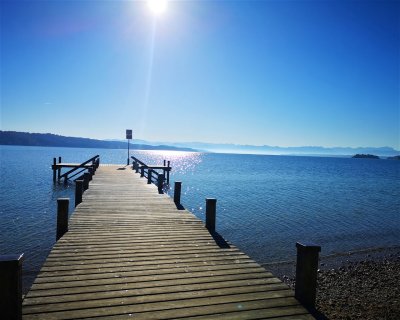
Diving in Lake Starnberg, or Starnberger See, offers a unique freshwater experience in the heart of Bavaria, just a short distance from Munich. Known for its mention in T. S. Eliot’s poem, "The Waste Land," this lake is anything but desolate. As Germany’s fifth largest freshwater lake, it spans an impressive 56 hectares (138 acres) and reaches depths of about 128 meters (420 feet), promising divers a rich and varied underwater adventure.

The lake boasts excellent visibility of up to 30 meters (98 feet), which allows for clear exploration of its intriguing underwater features. Divers can explore a steep underwater wall and an intriguing old wreck, providing a sense of mystery and history. The lake's diverse aquatic fauna adds vibrant life to the dive, with species typical to freshwater environments offering an engaging spectacle. Whether you’re a beginner or an experienced diver, Starnberger See offers sites that cater to all levels, making it a must-visit destination for diving enthusiasts in Germany.
Dive Activity

Diving in Lake Starnberg

Lake Starnberg, located in Bavaria, Germany, offers divers a unique freshwater experience with several notable dive sites. One popular spot is the Allmannshausen Wall, known for its steep underwater cliffs that drop sharply, providing thrilling opportunities for wall diving. The site is accessible from the shore, making it a convenient choice for divers of various skill levels.

Another fascinating location is the "Wreck Bay," where divers can explore sunken boats, offering a taste of wreck diving. Starnberger See is also home to an array of local aquatic life, including pike and perch. The clear waters enhance visibility, allowing divers to appreciate the lake's diverse underwater landscapes. Whether you're seeking the adventure of quarry-style diving or the mystery of submerged caves, Starnberger See offers a captivating freshwater diving experience.

Top Wildlife Sightings in Lake Starnberg

Lake Starnberg, a popular diving destination in Germany, offers an array of freshwater wildlife experiences. Divers can encounter typical fish species such as pike, perch, and carp. Seasonal variations bring special sightings. During the spawning season, which usually occurs in spring, divers may witness fish like perch and pike in their natural spawning habitats. Visibility in Starnberger See varies, typically ranging from 5 to 10 meters/16 to 33 feet, which can affect wildlife sightings. The lake reaches depths of up to 127 meters/417 feet, but most wildlife encounters occur in the shallower regions. The best time for diving is during the summer months when water temperatures are warmer, increasing the likelihood of encountering active fish, including the elusive catfish and the occasional sturgeon sighting.

Wildlife Sightings are Based on User Generated Content

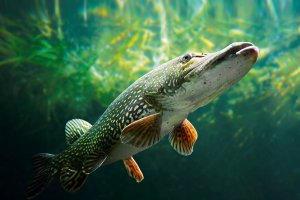
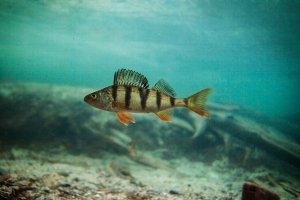
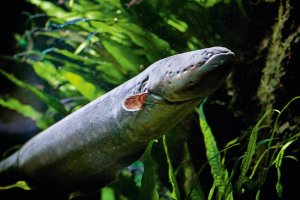
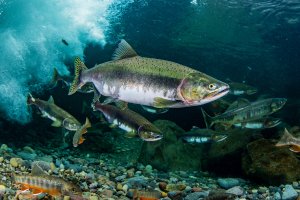
The image shown is a representative illustration and does not depict every individual animal in this category.

Total number of species: 5

Pike

711 Sightings
J
6
F
1
M
1
A
0
M
10
J
60
J
147
A
213
S
185
O
73
N
15
D
0

The image shown is a representative illustration and does not depict every individual animal in this category.

Total number of species: 3

Perch

553 Sightings
J
3
F
6
M
1
A
4
M
31
J
26
J
102
A
151
S
159
O
57
N
3
D
10

The image shown is a representative illustration and does not depict every individual animal in this category.

Total number of species: 16

Eel

89 Sightings
J
1
F
0
M
0
A
0
M
0
J
2
J
26
A
0
S
33
O
27
N
0
D
0

The best Months to dive in Lake Starnberg

Lake Starnberg offers year-round diving opportunities, although conditions vary across seasons. During the summer months, water temperatures range from 18°C–22°C/64°F–72°F, providing comfortable diving conditions. In winter, temperatures drop to 4°C–6°C/39°F–43°F, requiring adequate thermal protection.

Visibility in Starnberger See can fluctuate, typically ranging from 5 meters/16 feet to 15 meters/49 feet, depending on algae growth and water circulation. Wind and currents generally have a minimal impact; however, strong winds can occasionally stir surface conditions. While diving is possible throughout the year, spring and late autumn might offer less favorable conditions due to limited visibility and cooler temperatures.

Dive Sites