BAMSI
Queens Highway, North Andros, Bahamas
 © Mares
Diving in the Tongue of the Ocean, located off the eastern shore of Andros, offers an extraordinary underwater adventure that is both diverse and thrilling. This region is bordered by the third-largest barrier reef in the world, providing a stunning backdrop for divers of all skill levels. Beginners can enjoy easy, relaxing dives among countless shallow reefs teeming with vibrant marine life.
For those seeking a deeper thrill, the famous Wall dive presents an awe-inspiring descent into over 3.2 kilometers/2 miles of deep blue water, making it one of the most breathtaking dive sites in the Caribbean. Adventure-seeking divers will find their match at the Great Blue Hole, the second deepest blue hole in the Bahamas, offering an exciting exploration opportunity. The area is also rich with intriguing wrecks and cave dives, each site revealing unique underwater treasures.
Typically accessed by dive boat, these sites provide a varied experience that can include everything from leisurely reef dives to exhilarating wall and cave explorations. The Tongue of the Ocean stands out not only for its breathtaking dive environments but also for its seasonal marine encounters that continue to enchant divers year-round.
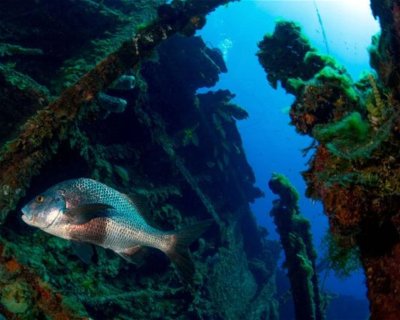
The Tongue of the Ocean in the Bahamas offers diverse dive experiences that captivate adventurers and marine enthusiasts alike. Notable wreck dives, such as the "Theo's Wreck," a former freighter, attract divers with its vibrant marine life and intriguing history. Popular shore dives include "Stuart Cove's Shark Adventure," where divers can witness the thrilling choreographed feeding of Caribbean reef sharks. For those seeking unique underwater experiences, night dives in the Tongue of the Ocean reveal a different marine world, showcasing nocturnal creatures and bioluminescent displays. Dive travelers can choose between shore and liveaboard options, providing flexibility for both novice and experienced divers to explore the underwater wonders at their pace.
The Tongue of the Ocean offers exceptional diving conditions year-round. Water temperatures range from 24°C–29°C/75°F–84°F, providing comfortable diving throughout the year. Visibility is typically excellent, often exceeding 30 meters/98 feet, thanks to the clear waters and minimal sedimentation.
Diving is possible all year, but the best conditions are usually from November to May when the weather is more stable, and winds are lighter. The hurricane season, from June to November, can bring stronger winds and currents, making some dive sites less accessible. However, even during this period, diving remains feasible with suitable planning and local guidance.
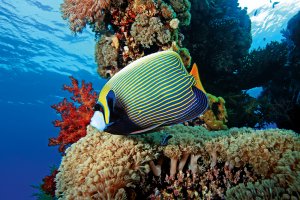
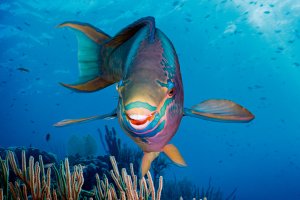
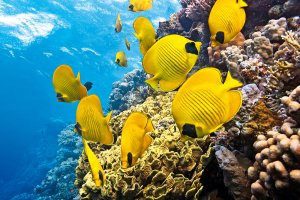
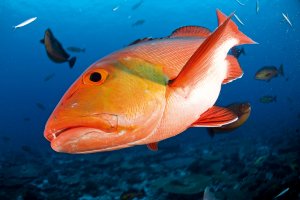
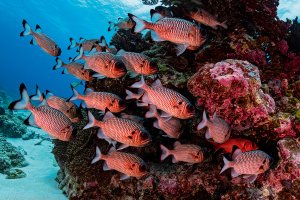
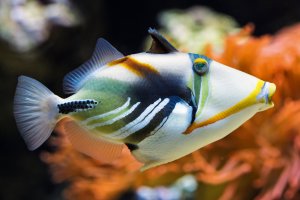
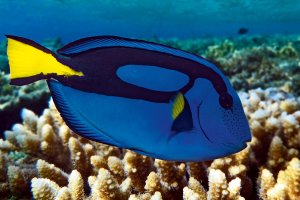
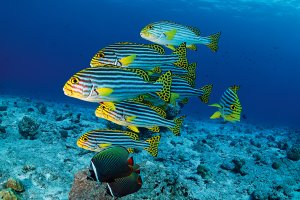
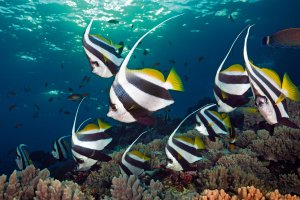
The Tongue of the Ocean, located in the Bahamas, is a marine haven teeming with diverse aquatic life, making it a prime destination for divers. Common inhabitants include vibrant reef fish such as angelfish, parrotfish, and butterflyfish, which add color and life to the coral gardens. These species are readily seen year-round, offering a dazzling display for those exploring the underwater landscapes.
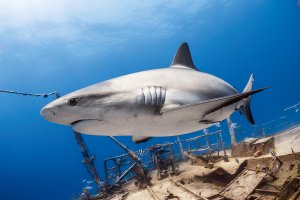
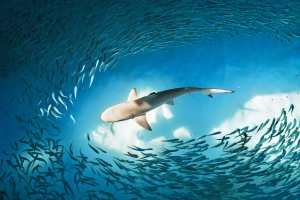
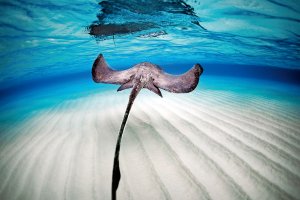
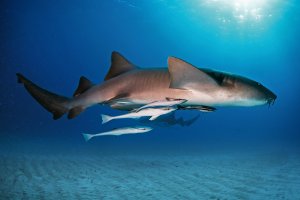
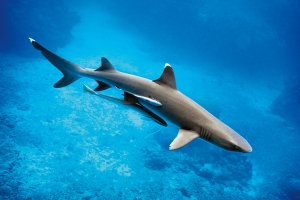
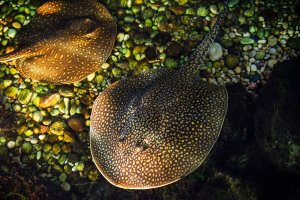
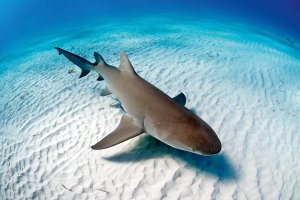
Seasonally, divers may encounter larger marine creatures. Shark sightings, including reef and nurse sharks, are relatively common, especially during the winter months. Rays, such as the majestic spotted eagle ray, often glide gracefully through the waters, with their presence peaking during the warmer seasons. The area is also a nesting site for sea turtles, which can be spotted during the summer months, adding to the rich tapestry of marine life that the Tongue of the Ocean has to offer.
Wildlife Sightings are Based on User Generated Content
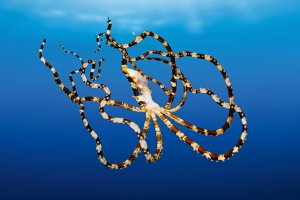
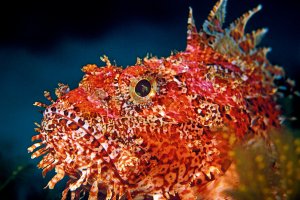
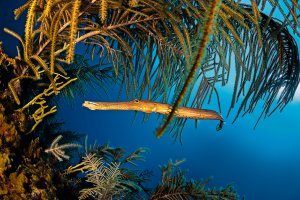
The image shown is a representative illustration and does not depict every individual animal in this category.
Total number of species approx.: 200
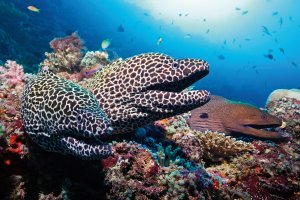
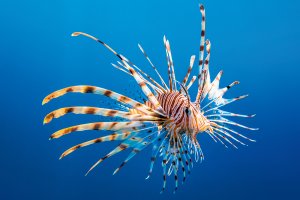
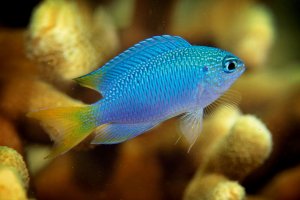
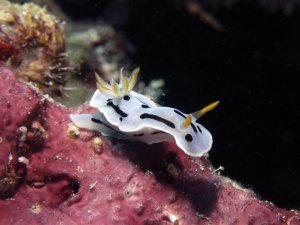
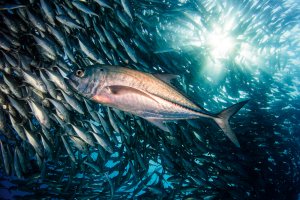
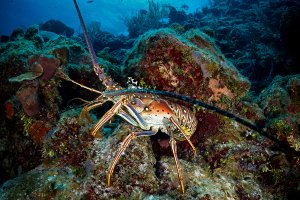
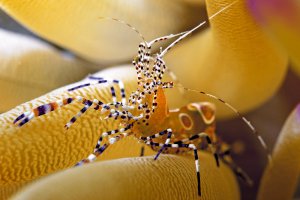
The image shown is a representative illustration and does not depict every individual animal in this category.
Total number of species approx.: 27
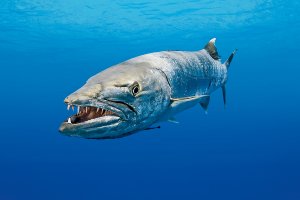
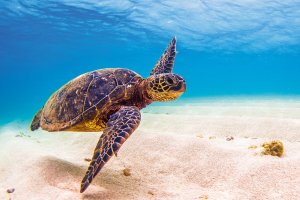
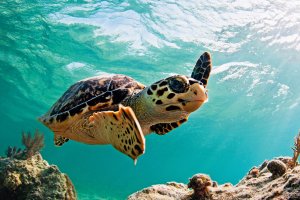
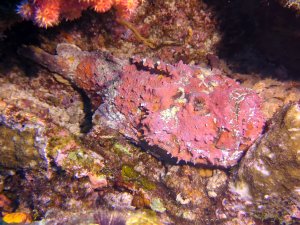
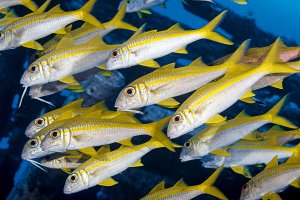
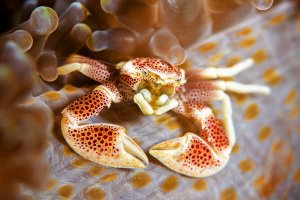
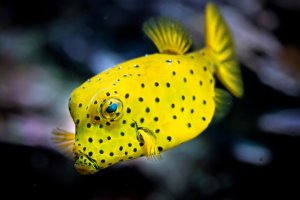
The image shown is a representative illustration and does not depict every individual animal in this category.
Total number of species approx.: 25
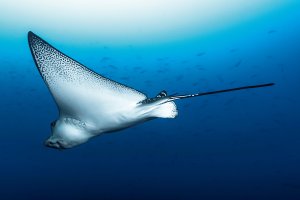
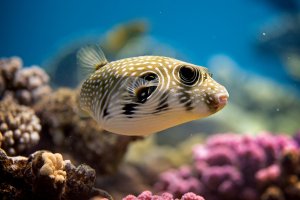
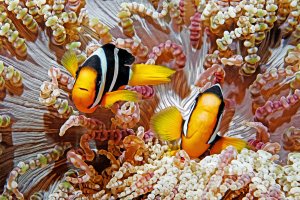
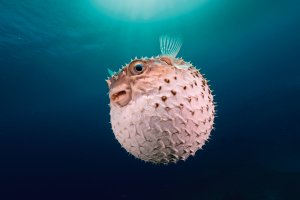
The image shown is a representative illustration and does not depict every individual animal in this category.
Total number of species approx.: 600
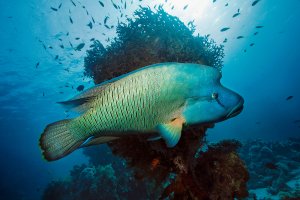
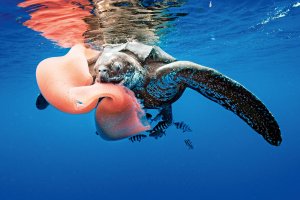
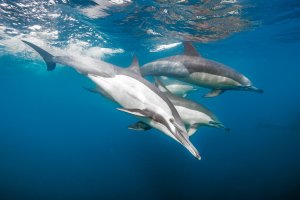
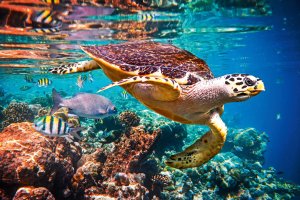
The image shown is a representative illustration and does not depict every individual animal in this category.
Total number of species approx.: 300