Samaranger & Fernsteinsee
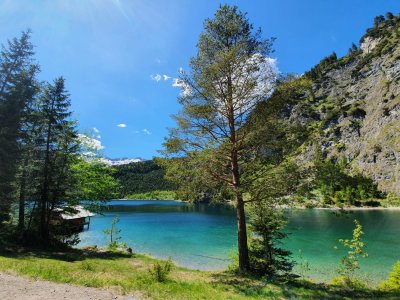
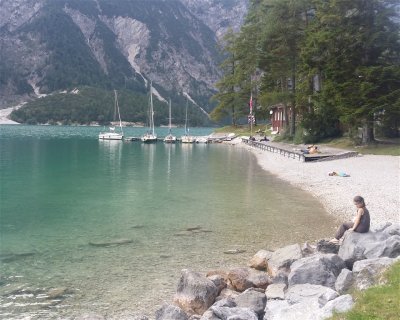
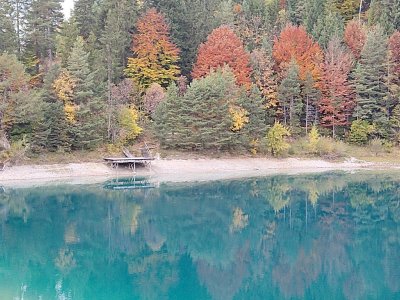
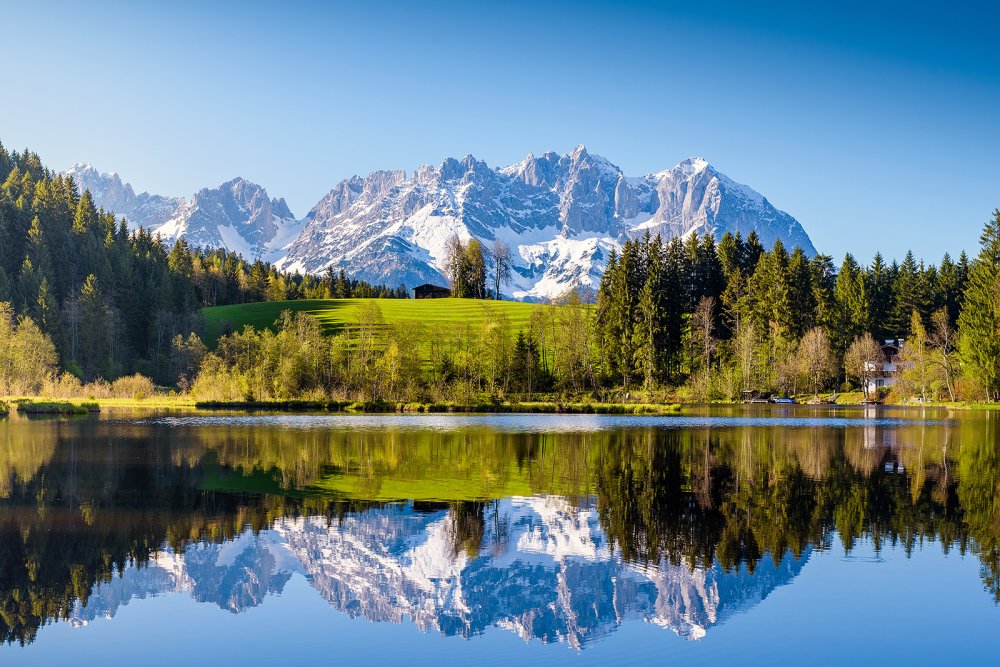
These two Tyrolean dive sites are situated next to each other. They are among the most beautiful mountain lakes of all.
 © iStock/auerimages
Tyrol, nestled in the heart of the Austrian Alps, offers a unique diving experience that contrasts dramatically with the typical oceanic adventures. The region is renowned for its crystal-clear, spring-fed lakes set amidst stunning alpine scenery. These lakes, such as the famous Lake Blindsee, provide divers with excellent visibility and a chance to explore submerged forests and a rich aquatic life, including a variety of fish that thrive in these pristine waters. The combination of breathtaking mountain backdrops and tranquil waters makes Tyrol a must-visit destination for diving enthusiasts seeking something refreshingly different.
Diving in Tyrol is not only about recreational fun but also embraces the thrill of technical and altitude diving. With many of its dive sites located at higher elevations, divers can experience the unique challenges and rewards of altitude diving. Additionally, the region's caves and quarries offer more adventurous divers the opportunity to delve into the depths of Tyrol’s geological wonders. The water temperatures, typically cooler due to the altitude and mountain springs, encourage a refreshing dive, while the serene landscape above water enhances the allure of this exceptional diving locale.
Tyrol, nestled in the heart of the Austrian Alps, offers diverse freshwater dive sites that appeal to adventurers. Fernsteinsee is a notable location, renowned for its crystal-clear waters and submerged forests, providing a unique underwater landscape for photographers and nature enthusiasts. The lake's exceptional visibility makes it ideal for shore diving.
Another popular spot, Blindsee, presents divers with fascinating rock formations and underwater meadows. Both lakes offer opportunities to encounter local aquatic life such as trout, and divers often enjoy exploring the tranquil, serene environments. Cave diving is less common but available for those seeking more thrilling experiences in Tyrol's freshwater sites.
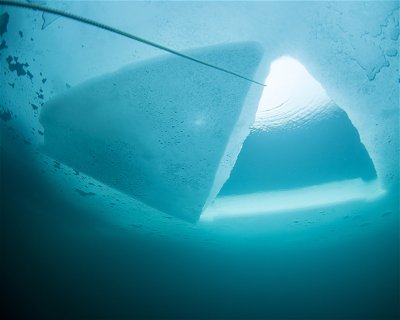
Freshwater diving in Tyrol offers distinct seasonal experiences, with water temperatures ranging from 4°C–20°C/39°F–68°F. The coldest period is winter, where ice cover is common, limiting diving opportunities but providing unique ice diving experiences for the adventurous. Visibility is best in winter due to lower sediment levels.
Spring and autumn offer moderate temperatures, but visibility may vary due to snowmelt and rain, affecting sediment levels. Summer presents warmer temperatures, making it ideal for divers, although increased algae growth can impair visibility. The best diving conditions typically occur from late spring to early autumn, with July and August being particularly favorable due to warmer waters and manageable visibility. Divers should be prepared for rapidly changing conditions in this mountainous region.
In Tyrol's freshwater lakes and rivers, divers can encounter a variety of fish species. Common sightings include trout and grayling, which thrive in the region's clear waters. The elusive catfish and sturgeon, although less commonly seen, add excitement to dives, especially in deeper parts of these bodies of water.
Visibility in Tyrol's waters varies with seasonal changes. During spring and early summer, spawning activity may cloud the water, reducing visibility. However, clearer conditions in late summer and autumn offer better chances to observe the underwater wildlife. Depth also plays a role, as some species like the catfish tend to dwell in deeper areas, requiring divers to explore further for a glimpse of these fascinating creatures.
Wildlife Sightings are Based on User Generated Content
The image shown is a representative illustration and does not depict every individual animal in this category.
Total number of species approx.: 3
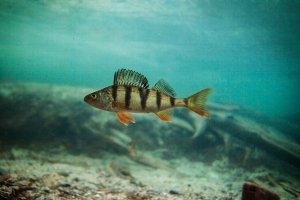
The image shown is a representative illustration and does not depict every individual animal in this category.
Total number of species approx.: 35
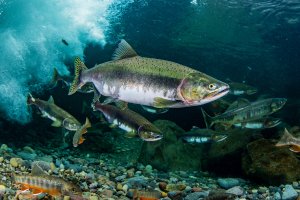
The image shown is a representative illustration and does not depict every individual animal in this category.
Total number of species approx.: 19
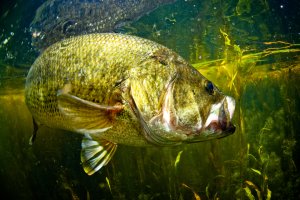
The image shown is a representative illustration and does not depict every individual animal in this category.
Total number of species approx.: 5
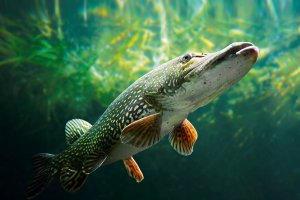
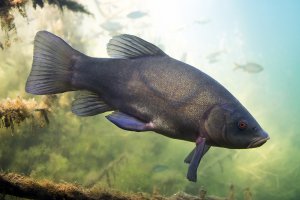
The image shown is a representative illustration and does not depict every individual animal in this category.
Total number of species approx.: 5
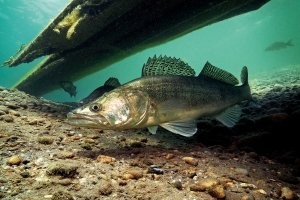
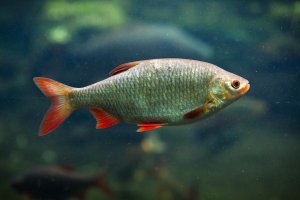
The image shown is a representative illustration and does not depict every individual animal in this category.
Total number of species approx.: 50
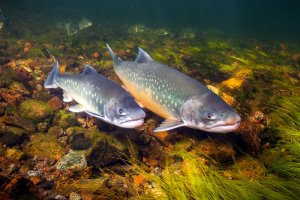
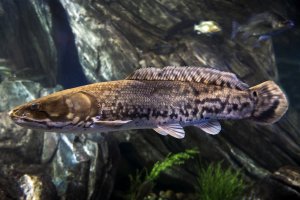
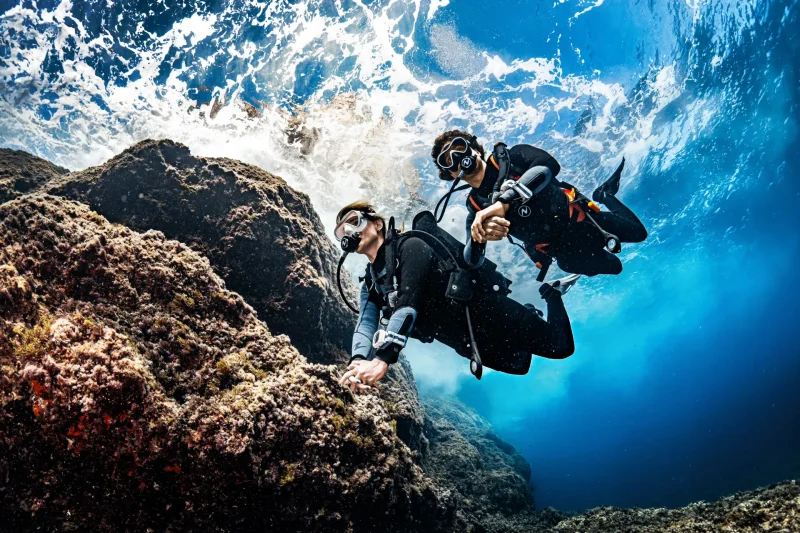
Curated by Interest
Mares
Aqualung
Shutterstock-Zi Magine
Mares-Predrag Vuckovic
Scubapro
Shutterstock-Ethan Daniels
Mares-Predrag Vuckovic
Mares-Bjoern Dorstewit

3 Nights in Austria / Tyrol2-Day No Limit ICE Divingat PlanseecampIncluded services:➢ 3 nights in a self-catering cabin for 5 people➢ 2-Day No Limit Ice Diving➢ Luft, ICE ...
Show Offer
3 Nights in Austria / Tyrol2-Day No Limit ICE Divingat PlanseecampIncluded services:➢ 3 nights in a self-catering cabin for 5 people➢ 2-Day No Limit Ice Diving➢ Luft, ICE ...
Show Offer
3 Nights in Austria / Tyrol2-Day No Limit ICE Divingat PlanseecampIncluded services:➢ 3 nights in a self-catering cabin for 5 people➢ 2-Day No Limit Ice Diving➢ Luft, ICE ...
Show Offer
3 Nights in Austria / Tyrol2-Day No Limit ICE Divingat PlanseecampIncluded services:➢ 3 nights in a self-catering cabin for 5 people➢ 2-Day No Limit Ice Diving➢ Luft, ICE ...
Show Offer