Apo Island - South (Mabuti) (★4.6)
Apo Island is located far from the resort and dive centers on Negros island. From there it takes about 4 hours by boat. There is an entrance fee, but it is worth it.
 © Mares
Apo Reef, located about 15 nautical miles west of Occidental Mindoro province in the Mindoro Strait, offers an unparalleled diving experience through its extensive 34 square kilometer area, featuring two triangular-shaped atoll-like lagoons adorned with vibrant coral reefs. Divers are treated to the sight of a white sandy bottom channel flanked by various branching corals, making every descent into this underwater wonderland a captivating adventure.
One of the highlights of diving at Apo Reef is the abundance of marine life that flourishes in both shallow and deep waters. From the colorful spectacle of healthy growing corals to the diverse array of marine species, divers can expect encounters with schools of fish, turtles, and, for the fortunate, even larger visitors like sharks and rays. The northernmost atoll becomes particularly visible during low tide, adding a unique dimension to the dive sites.
Whether you're exploring the area through shore dives, embarking on a boat dive, or venturing on a liveaboard experience, Apo Reef's underwater landscapes promise awe-inspiring encounters. Its natural beauty, coupled with unique features like the sandy channels and atolls, makes it a must-visit destination for diving enthusiasts looking to explore the Philippines' rich marine biodiversity.
Apo Reef, located off the coast of Occidental Mindoro in the Philippines, is celebrated for its vibrant marine biodiversity and stunning dive sites. Among these, the "Hunter Wreck" dive is particularly notable, offering an immersive experience exploring the remnants of a sunken vessel teeming with marine life. It's a must-visit for wreck diving enthusiasts looking to witness history intertwined with nature.
For shore divers, "Merope Rock" provides easy access to rich coral gardens bustling with colorful fish. Night dives here reveal the fascinating nocturnal behaviors of marine creatures, including the mesmerizing dance of bioluminescent plankton. Apo Reef caters to both shore divers and those opting for liveaboard adventures, ensuring a balanced experience of accessibility and exploration. Whether seeking the thrill of shipwrecks or the serene beauty of coral gardens, Apo Reef offers diverse underwater adventures for all divers.
Apo Reef, a renowned diving destination in the Philippines, offers year-round diving opportunities with consistently favorable conditions. Water temperatures range from 26°C–30°C/79°F–86°F, ensuring comfortable dives throughout the year. Visibility is typically excellent, often exceeding 30 meters/98 feet, allowing divers to fully appreciate the vibrant marine life and stunning coral formations.
While diving is possible year-round, some factors may affect conditions. The northeast monsoon, from November to February, can bring stronger winds and currents, potentially affecting dive plans. The months of March to May are generally considered the best for diving, with calmer seas and optimal visibility. However, the rainy season from June to October may bring occasional storms, resulting in temporary reductions in visibility and comfort for divers.
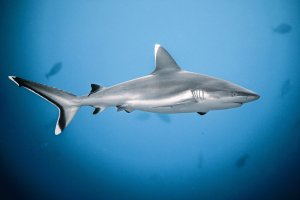
Apo Reef, nestled in the Philippines, offers a vibrant marine ecosystem, attracting divers worldwide. The reef teems with diverse reef fish, including angelfish, parrotfish, and butterflyfish. These species are frequently encountered throughout the year, providing a colorful display for divers. Seasonal visitors add to the allure of Apo Reef. Sharks, such as blacktip and whitetip reef sharks, are often seen patrolling the waters. Turtle sightings, especially green and hawksbill turtles, are more common in the warmer months. Additionally, eagle rays add to the spectacle, though they tend to be less predictable, appearing sporadically. Understanding these patterns helps divers plan their trips for optimal wildlife encounters.
Wildlife Sightings are Based on User Generated Content

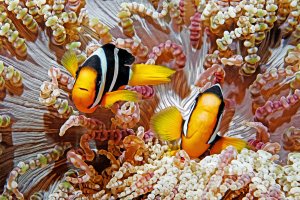
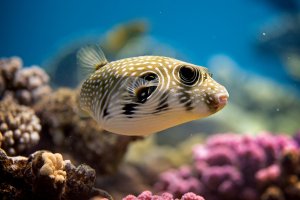
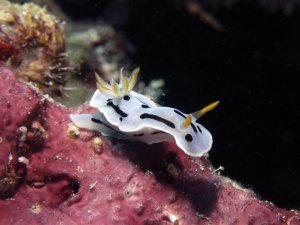
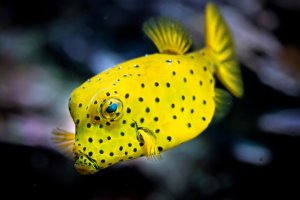
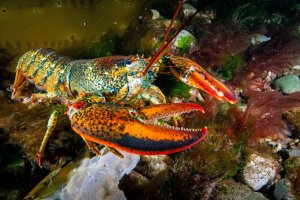
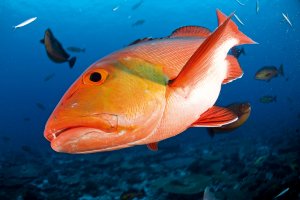
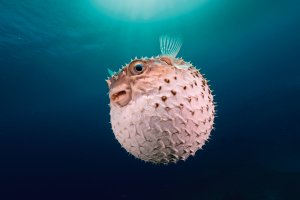
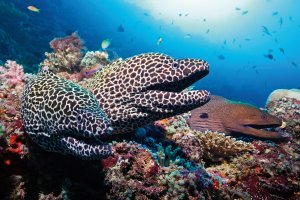
The image shown is a representative illustration and does not depict every individual animal in this category.
Total number of species approx.: 27
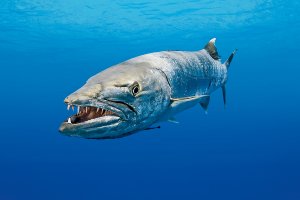
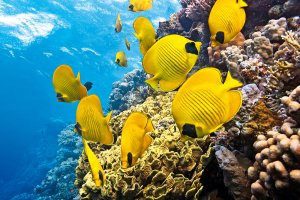
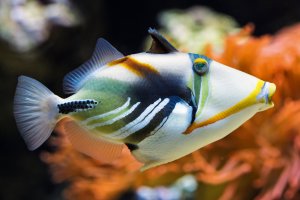
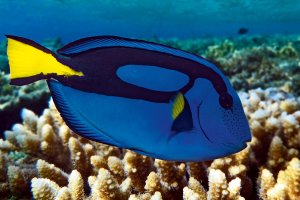
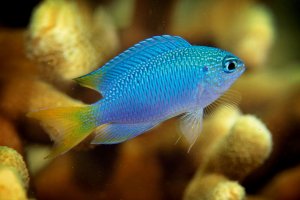
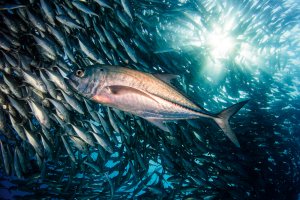
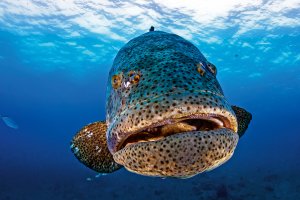
The image shown is a representative illustration and does not depict every individual animal in this category.
Total number of species approx.: 200
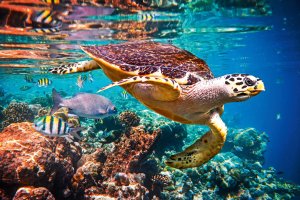
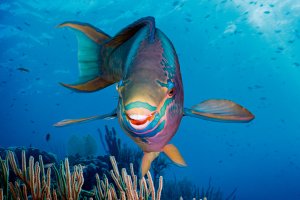
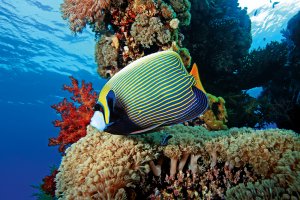
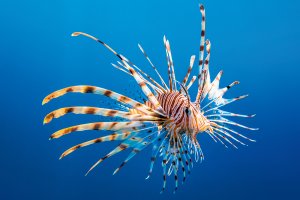
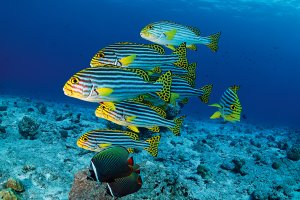
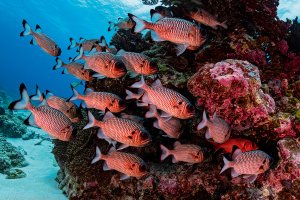
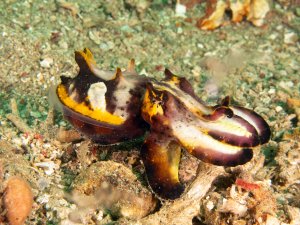
The image shown is a representative illustration and does not depict every individual animal in this category.
Total number of species approx.: 600
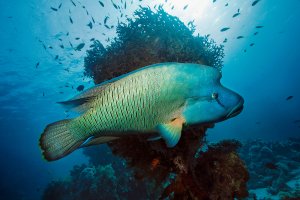

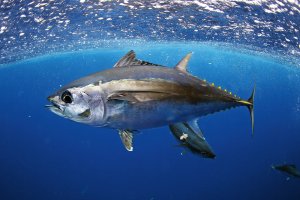
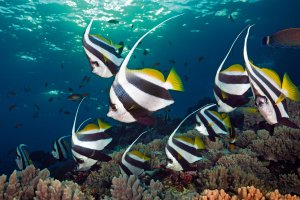
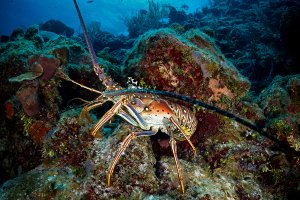
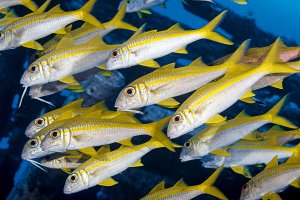
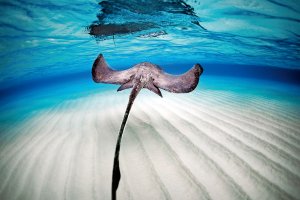
The image shown is a representative illustration and does not depict every individual animal in this category.
Total number of species approx.: 25
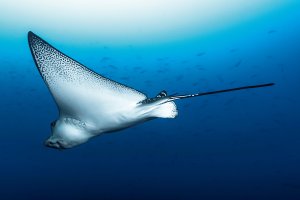
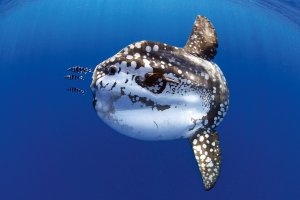

The image shown is a representative illustration and does not depict every individual animal in this category.
Total number of species approx.: 28