Explore Guinjata Bay
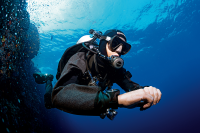
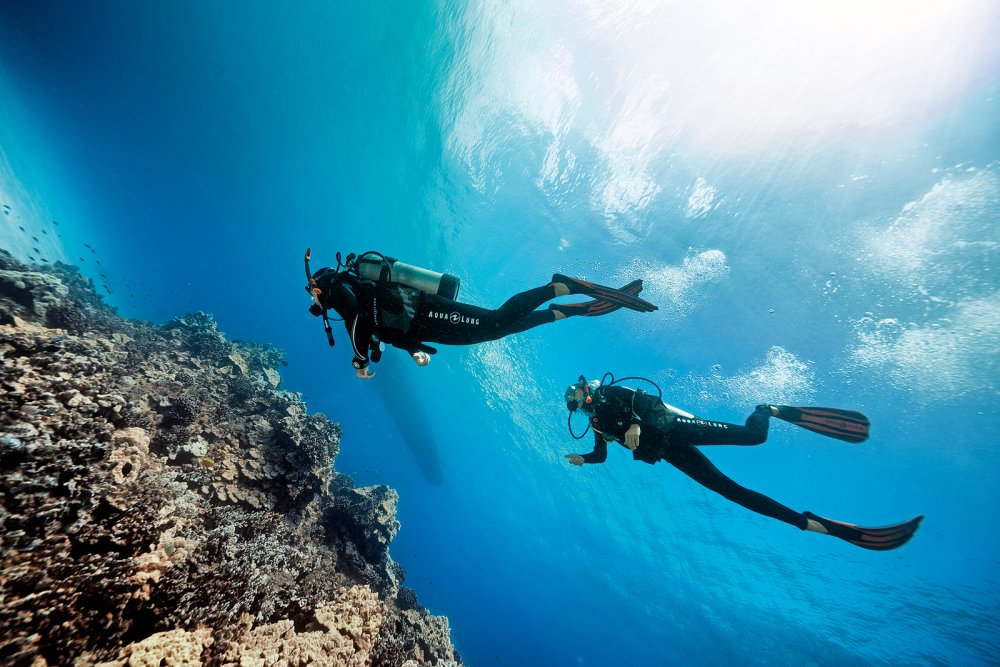
Guinjata Bay, nestled south of Inhambane in Mozambique's Jangamo Bay area, is a diver's paradise and ranks among the world's top diving destinations. This region boasts four stunning reefs, including the renowned Guinjata Bay reef, located approximately 1.5 kilometers out to sea. Divers can explore several captivating spots, plunging to depths of up to 21 meters/69 feet. The reefs are adorned with vibrant sea anemones and sponges, creating a breathtaking underwater landscape.
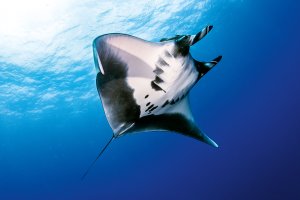
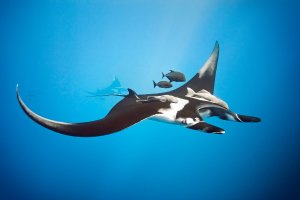
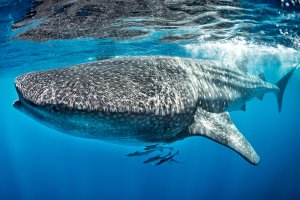
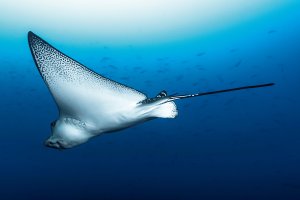
The marine life in Guinjata Bay is as abundant as it is diverse. Divers often encounter majestic manta rays and devil rays gliding gracefully through the water. The bay is also famous for sightings of the gentle giant, the whale shark, as well as various species of sharks and pelagic fish. Whether you prefer shore dives, boat dives, or even liveaboard experiences, Guinjata Bay offers a range of options to suit every diver's preference. The region's seasonal features, such as the migration of whale sharks, make each visit unique and unforgettable, ensuring that Guinjata Bay remains a must-visit destination for diving enthusiasts worldwide.
Dive Activity
Diving in Guinjata Bay
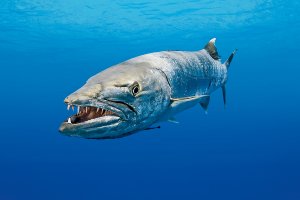
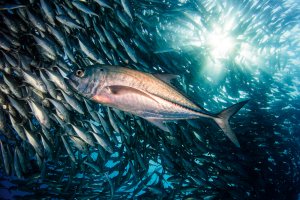
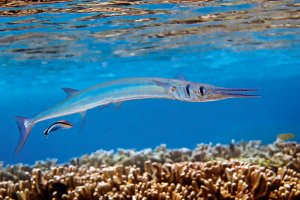
Guinjata Bay, located along Mozambique's stunning coast, offers dive enthusiasts diverse underwater adventures. Among its top dive sites, the "Pinnacles" stands out for its thrilling big game encounters, with schools of barracuda and giant trevallies. Enthusiasts of wreck diving will find the sunken remains of old cargo vessels captivating, with coral encrustations and a variety of marine life adding to the allure.
Shore dives are equally compelling, providing easy access to vibrant coral gardens teeming with tropical fish. Night dives reveal nocturnal marine behaviors, with bioluminescent plankton creating a magical underwater glow. The balance between shore and liveaboard options ensures that divers can explore both nearby reefs and offshore spectacles, making Guinjata Bay a versatile diving destination.
Top Wildlife Sightings in Guinjata Bay
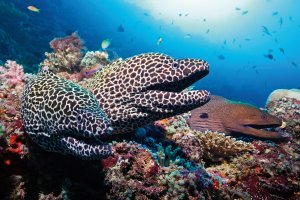
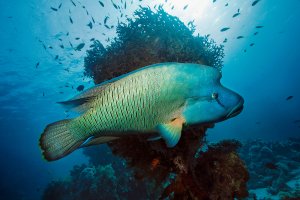
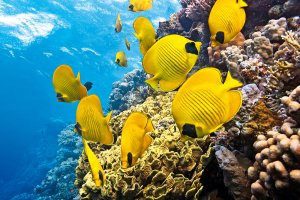
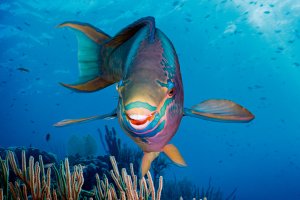
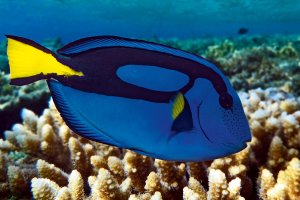
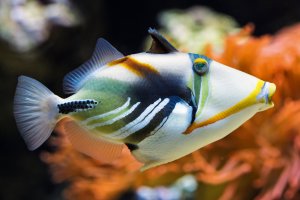
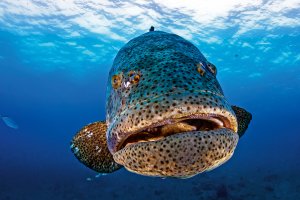
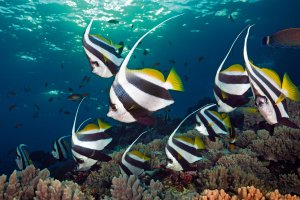
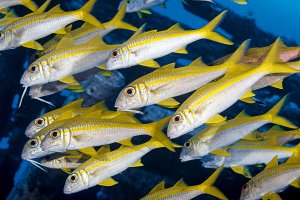
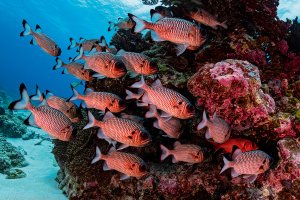
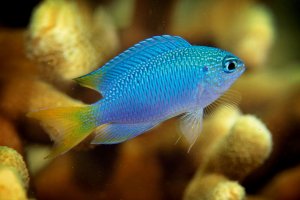
Guinjata Bay, located on the southeastern coast of Mozambique, is renowned for its diverse and vibrant marine life, making it a haven for divers. The bay's coral reefs are home to a plethora of common reef fish such as parrotfish, butterflyfish, and angelfish, which are frequently encountered during dives.
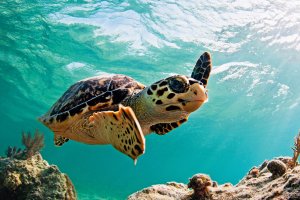
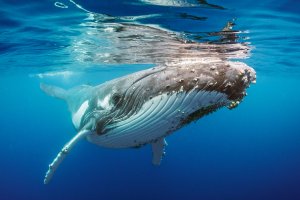
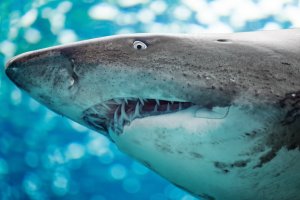
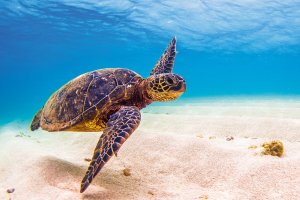
Seasonal highlights include sightings of majestic manta rays and several species of sharks, most notably whale sharks, which are more commonly seen from November to March. Additionally, green and hawksbill turtles are often spotted, particularly around nesting season from November to February, offering divers a chance to witness these creatures in their natural habitat.
Wildlife Sightings are Based on User Generated Content
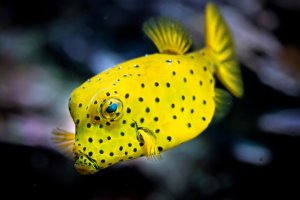
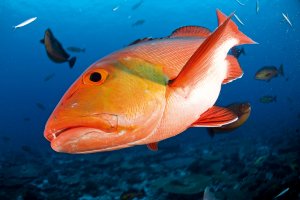
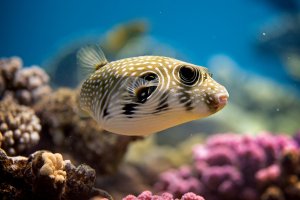
The image shown is a representative illustration and does not depict every individual animal in this category.
Total number of species: 200
The image shown is a representative illustration and does not depict every individual animal in this category.
Total number of species: 27
Barracuda
Giant Oceanic Manta Ray
Reef Manta Ray
Whale Shark
The image shown is a representative illustration and does not depict every individual animal in this category.
Total number of species: 12
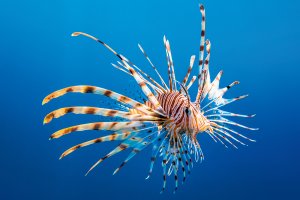
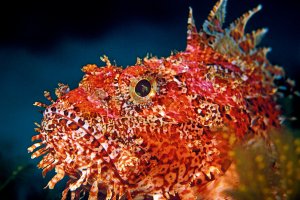
Lionfish
The image shown is a representative illustration and does not depict every individual animal in this category.
Total number of species: 80
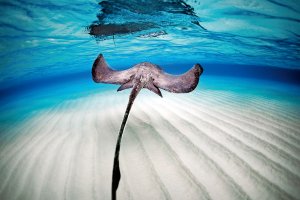
Stingrays
The image shown is a representative illustration and does not depict every individual animal in this category.
Total number of species: 60
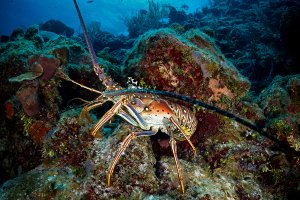
Spiny Lobster
The image shown is a representative illustration and does not depict every individual animal in this category.
Total number of species: 28
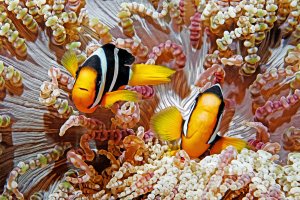
Clownfish
The image shown is a representative illustration and does not depict every individual animal in this category.
Total number of species: 90
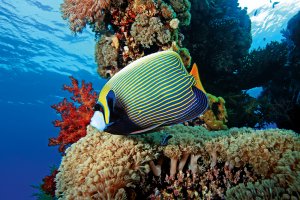
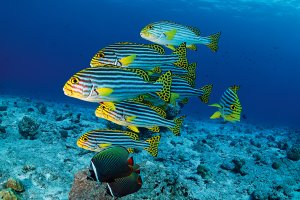
Angelfish
The best Months to Dive in Guinjata Bay
Guinjata Bay offers diving opportunities throughout the year, with water temperatures ranging from 23°C–29°C/73°F–84°F. The hot season from December to March sees the highest water temperatures, while the cooler months from June to August have the lowest. This range creates a comfortable diving environment for enthusiasts.
Visibility typically ranges from 15 to 30 meters/49 to 98 feet, depending on the season and weather conditions. The best visibility is generally found during the cooler months when winds are calmer. However, diving is possible all year, though the period from January to March can be less favorable due to stronger winds and currents. Divers should plan their trips considering these seasonal variations to ensure optimal diving experiences.