Barra & Tofo
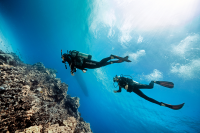
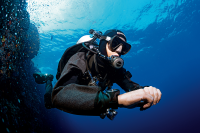
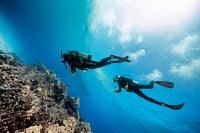
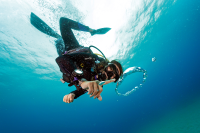
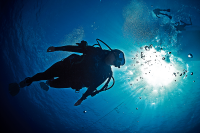
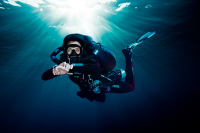
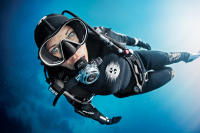
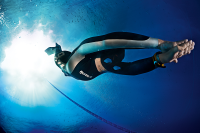
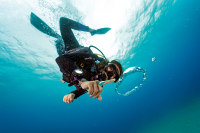
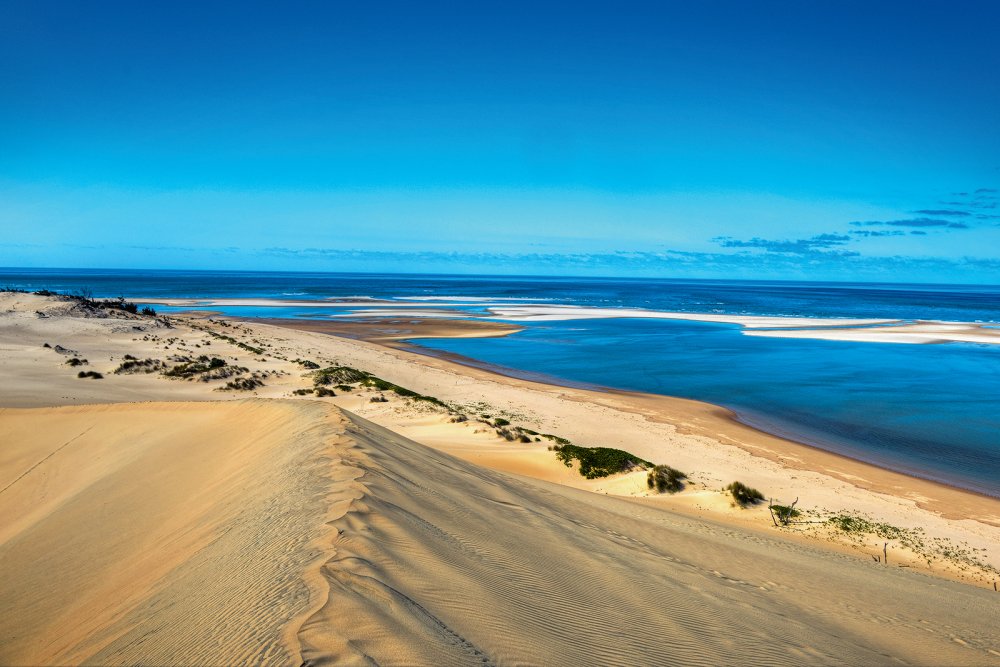
Barra & Tofo region is well-known for its beautiful reefs that are perfect for scuba diving.
 © iStock/demerzel21
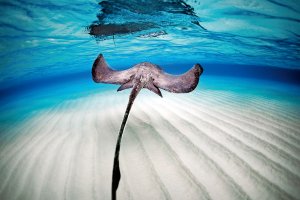
Inhambane, a gem in southern Mozambique, offers divers a captivating underwater experience. Known for its picturesque beaches like Tofo and Barra, this region is a haven for both novice and seasoned divers. The vibrant reefs, which stretch from Chidenguele to Inhassoro, host a diverse array of marine life, including majestic whale sharks, elegant devil rays, and rare dugongs. Divers can explore a variety of underwater landscapes, from shallow reefs and deep caverns to mysterious shipwrecks and stunning pinnacles, ensuring an exhilarating dive experience tailored to any skill level.
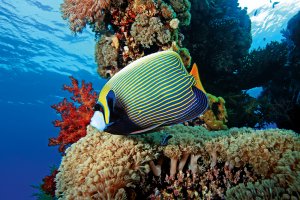
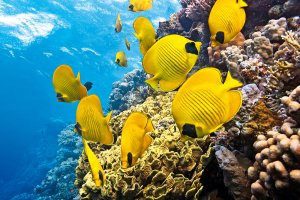
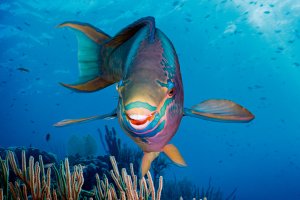
A dive into Inhambane's waters reveals a rich tapestry of macro and pelagic life, where vibrant corals serve as a backdrop for schools of surgeonfish, angelfish, and parrotfish. The region's Bazaruto Archipelago, part of a well-preserved national park, further highlights Inhambane's appeal with its untouched natural beauty. Seasonal visitors like leatherback turtles add to the allure, making every dive a unique adventure. With its uncrowded dive sites and diverse marine ecosystems, Inhambane is a paradise for scuba enthusiasts and underwater photographers alike.
Inhambane, Mozambique, is a diver's paradise offering a variety of underwater experiences. Notably, Manta Reef is a spectacular dive site famous for its manta ray sightings and vibrant coral gardens. The site is accessible via liveaboard or boat dives, providing a chance to encounter these majestic creatures up close.
For those preferring shore dives, Tofo Beach is a popular option. It offers easy access to dive sites where you can witness the playful behavior of humpback whales. Unique experiences such as night dives reveal the nocturnal activities of the region's diverse marine life, ensuring every dive in Inhambane offers something special for enthusiasts.
Inhambane offers year-round diving opportunities with generally favorable conditions. Water temperatures range from 24°C–30°C/75°F–86°F, making wetsuits optional for many divers. Visibility typically ranges from 15 to 30 meters, offering clear views of the vibrant marine life.
While diving is possible throughout the year, the best conditions are usually from May to November. During this period, the weather is calm with minimal wind and currents. However, December to April can bring stronger winds and occasional rain, slightly affecting visibility and currents, but diving remains feasible for those prepared for variable conditions.
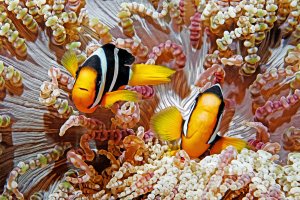
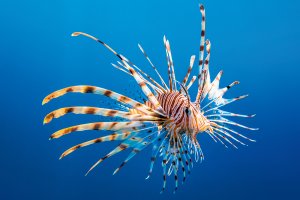
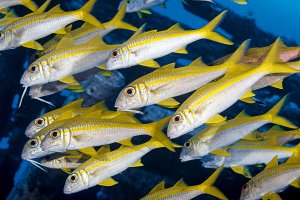
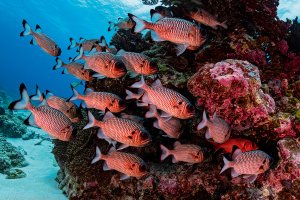
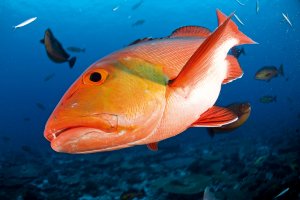
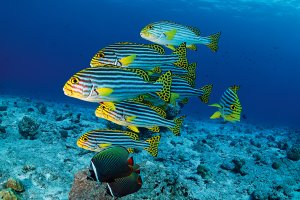
Inhambane, a coastal region in Mozambique, is a haven for marine biodiversity, boasting a variety of reef fish and seasonal marine life. Divers can frequently encounter common species such as parrotfish, angelfish, and clownfish amidst vibrant coral formations. The reefs are teeming with life year-round, providing consistent opportunities for observing these colorful fish.
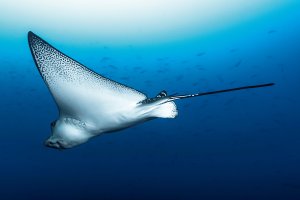
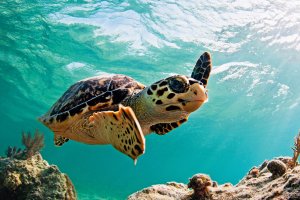
Seasonal highlights include the presence of larger marine animals. From November to April, manta rays and whale sharks, the gentle giants of the sea, are commonly spotted, making this period a thrilling time for divers. Additionally, the area is renowned for its hawksbill and green turtle sightings, most prevalent from November to March, as these species nest along the beaches. Shark enthusiasts may find excitement in encountering reef sharks and, on occasion, the more elusive hammerhead sharks, typically seen in deeper waters during cooler months.
Wildlife Sightings are Based on User Generated Content
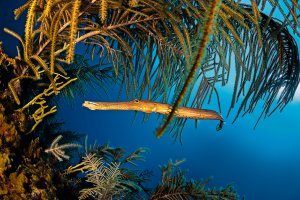
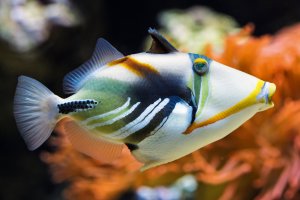
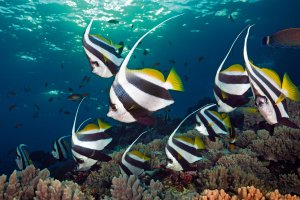
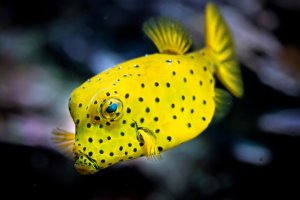
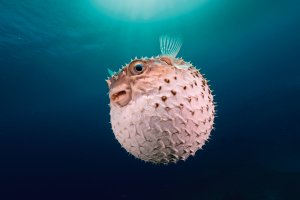
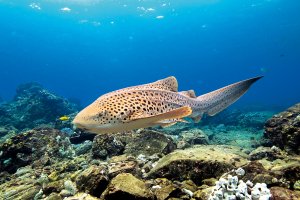
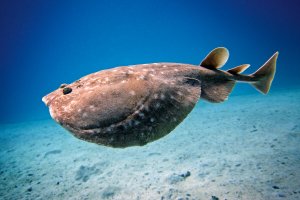
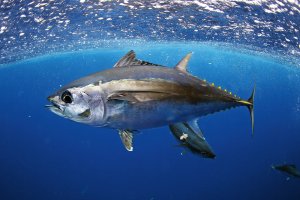
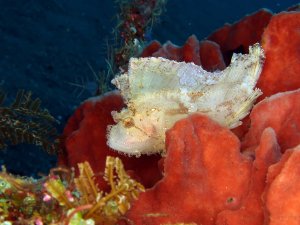
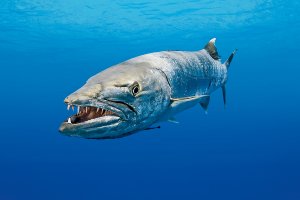
The image shown is a representative illustration and does not depict every individual animal in this category.
Total number of species approx.: 200
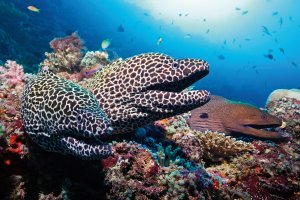
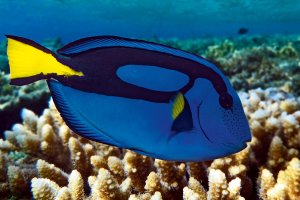
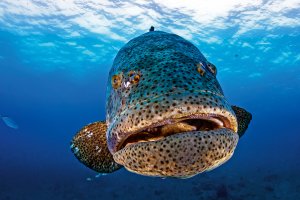
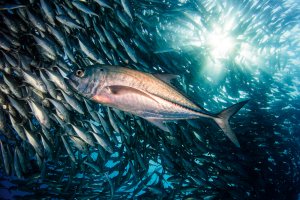
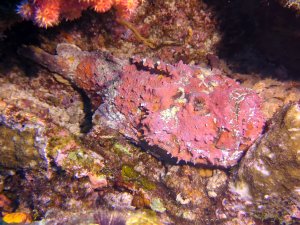
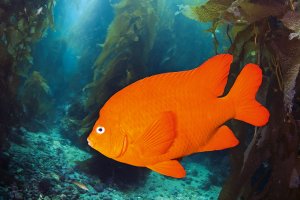
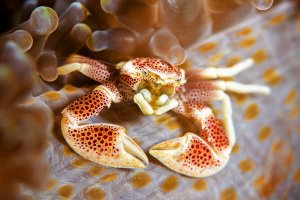
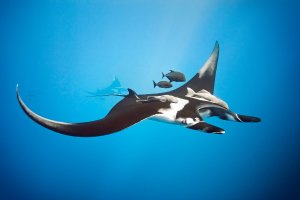
The image shown is a representative illustration and does not depict every individual animal in this category.
Total number of species approx.: 300
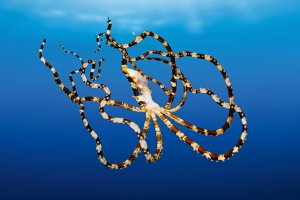
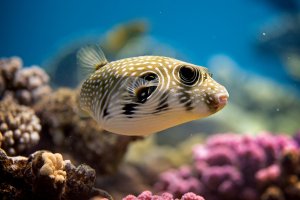
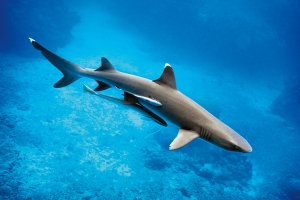
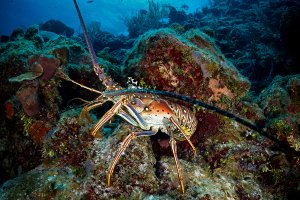
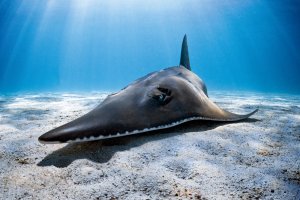
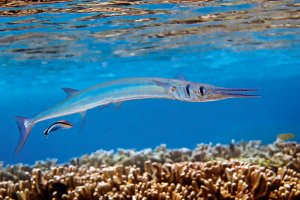
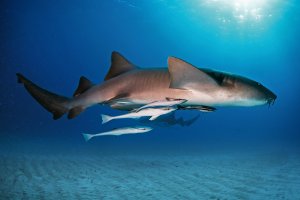
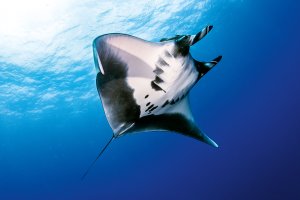
The image shown is a representative illustration and does not depict every individual animal in this category.
Total number of species approx.: 600
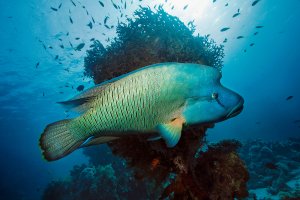
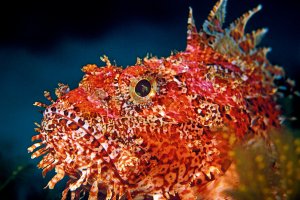
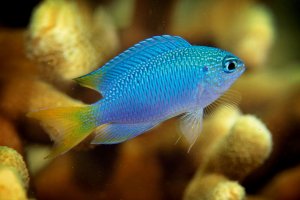
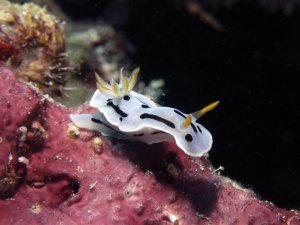
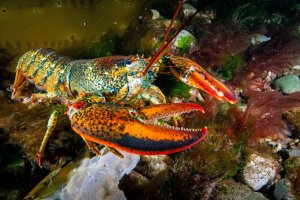
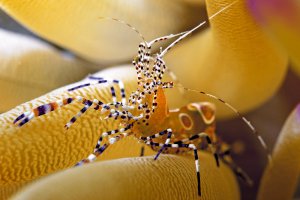
The image shown is a representative illustration and does not depict every individual animal in this category.
Total number of species approx.: 27
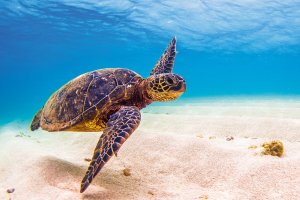
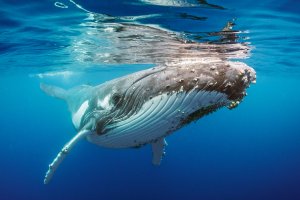
The image shown is a representative illustration and does not depict every individual animal in this category.
Total number of species approx.: 25