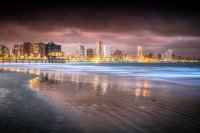
Durban/Umhlanga Rocks
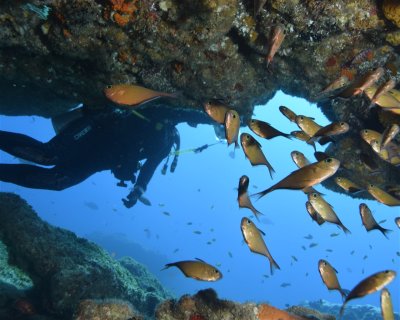
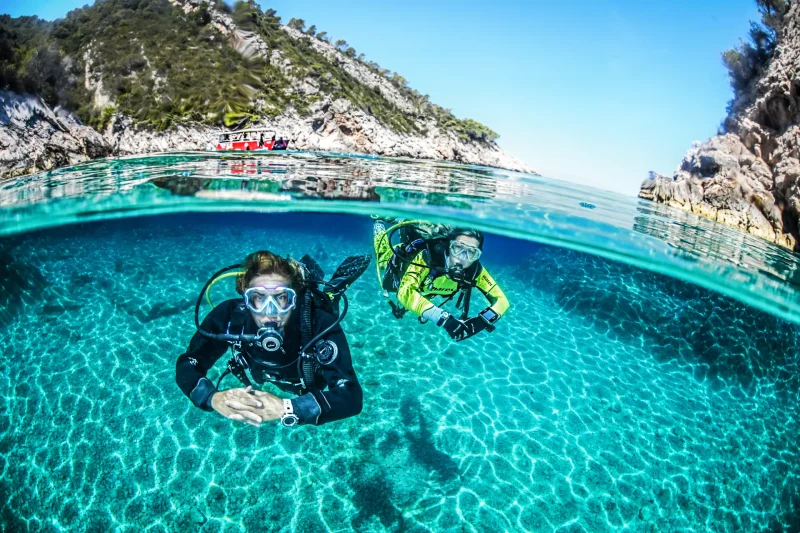
Diving in Durban is packed with variety, meaning it suits both beginner and more advanced divers.
 © Shutterstock-Robert Harding Video
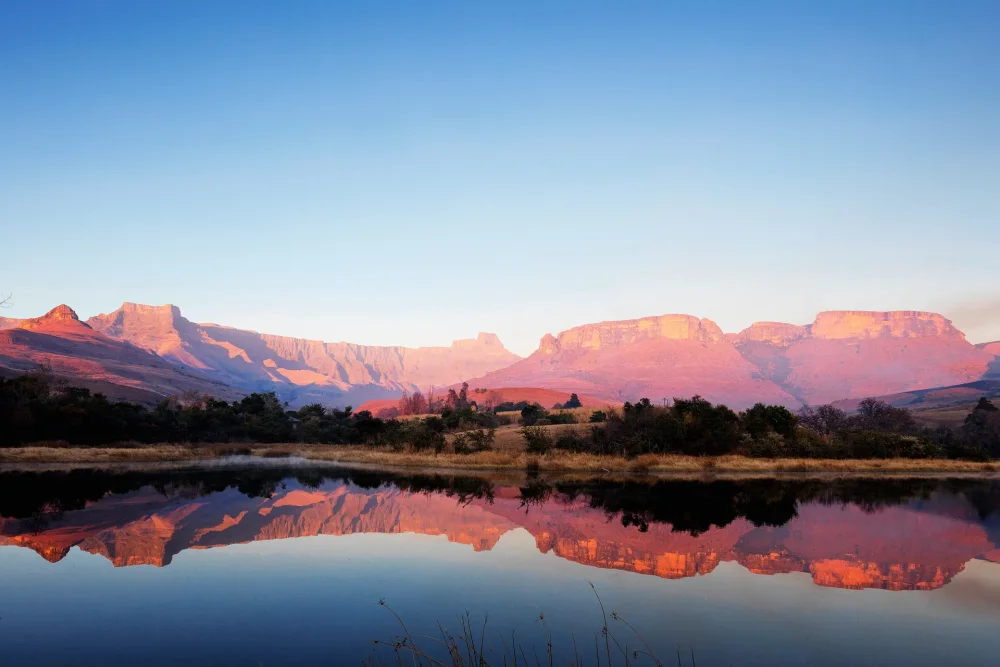
KwaZulu-Natal province is the most north-easterly province of South Africa and enjoys warm, tropical temperatures - both in and out of the water. The region’s biggest city is Durban and it boasts several towns which are renowned for their diving - these include Sodwana Bay and Umkomaas.
The marine biodiversity here is some of the highest in the world with over 1,200 species of fish found in these waters. The region has two UNESCO World Heritage Sites - the iSimangaliso Wetland Park and the uKhahlamba Drakensberg Park.
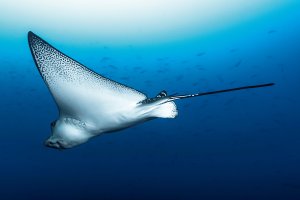
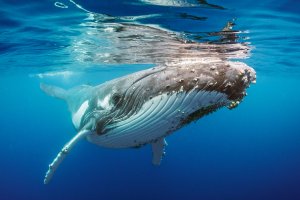
The ocean life here has huge variety - from tiny macro species to migrating humpback whales and whale sharks, there is something for everyone. Critically endangered species like loggerhead and leatherback turtles are frequent visitors and manta rays are not uncommonly found.
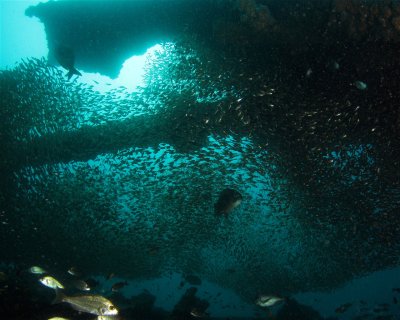
One of the most famous marine phenomenons in the world is the African Sardine Run. The annual migration of millions of fish up the eastern African coast draws in huge numbers of predators who whip the fish into tight bait balls. This is a bucket list dive for most divers and hanging in the blue watching the feeding frenzy is unforgettable.
The most popular areas for diving are Aliwal Shoal, Durban, Umkomaas and Sodwana Bay. Within these locations, you can find any dive you desire. There are large pelagic encounters to enjoy as well as drift dives, muck dives and wreck dives.
KwaZulu-Natal, a diver's paradise, offers diverse underwater experiences. Aliwal Shoal, renowned for its vibrant marine life, features the wreck of the "Produce," an oil tanker providing thrilling exploration opportunities. Protea Banks is another highlight, offering exhilarating shark diving encounters, making it a magnet for adrenaline seekers.
For those who prefer shore diving, Sodwana Bay is a top choice, known for its coral reefs and diverse marine ecosystems. Night dives in this area reveal a different underwater world, with nocturnal creatures and bioluminescence. The region balances shore dives with liveaboard options, offering flexibility for divers to explore multiple sites with ease.
KwaZulu-Natal offers year-round diving opportunities with its sub-tropical climate. Water temperatures range from 22°C in winter to 28°C in summer, providing comfortable conditions for divers. Visibility often exceeds 10 meters but can vary based on local weather and sea conditions.
Diving is possible throughout the year, though summer months (November to March) may bring stronger winds and currents, occasionally affecting dive plans. Winter generally offers calmer seas and clearer waters, making it an ideal time for diving enthusiasts.
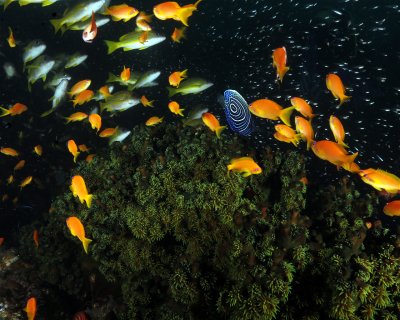
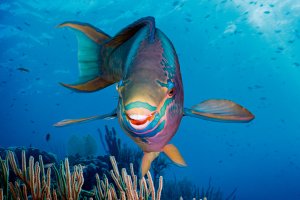
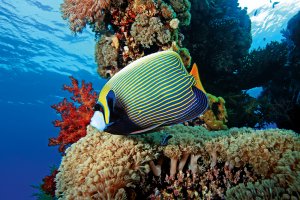
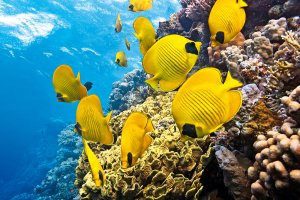
KwaZulu-Natal, South Africa, is renowned for its rich marine biodiversity, especially along its coral reefs. Divers here frequently encounter common reef fish such as butterflyfish, angelfish, and parrotfish, which are abundant year-round. The Aliwal Shoal and Sodwana Bay are popular diving spots, teeming with vibrant marine life and boasting diverse coral structures.
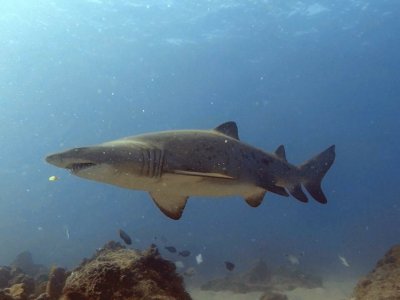
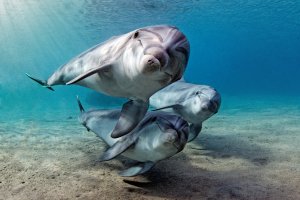
Seasonal highlights include the annual sardine run, attracting large predators like sharks and dolphins between June and July. During this time, divers can witness ragged-tooth sharks, known locally as "raggies," and various ray species. Loggerhead and leatherback turtles are also a common sight, especially during their nesting seasons from November to January. These encounters not only provide thrilling experiences but also offer insights into the dynamic marine ecosystem of KwaZulu-Natal.
Wildlife Sightings are Based on User Generated Content
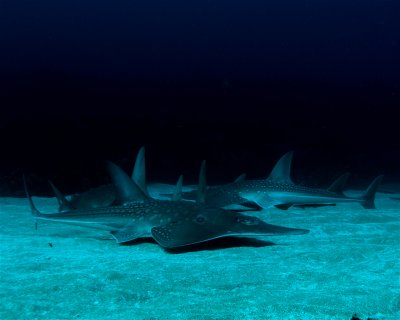
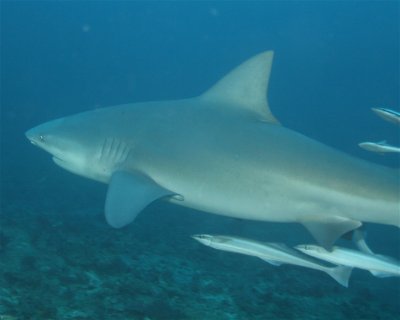
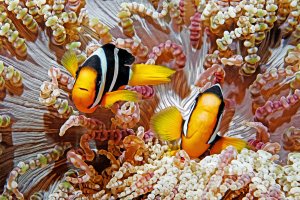
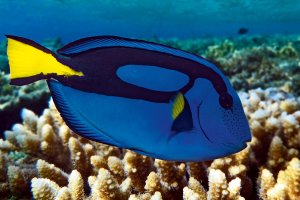
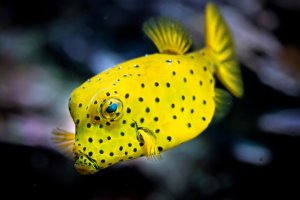
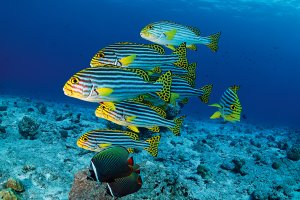
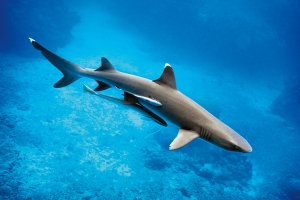
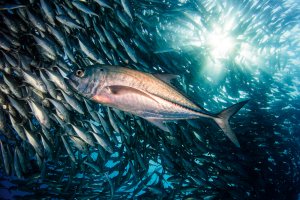
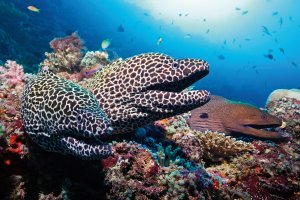
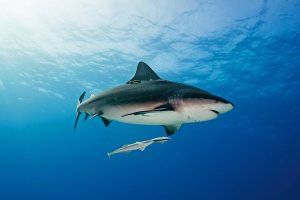
The image shown is a representative illustration and does not depict every individual animal in this category.
Total number of species approx.: 200
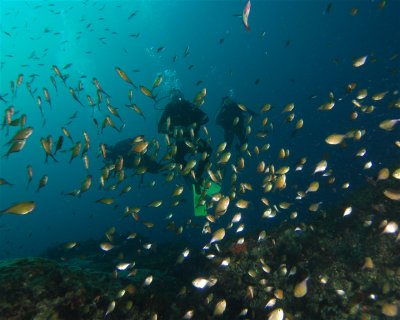
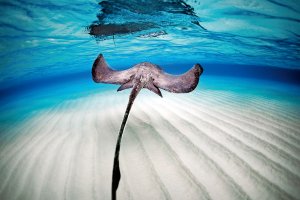
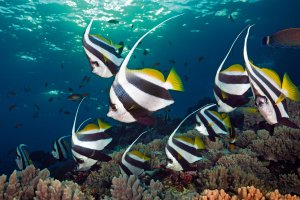
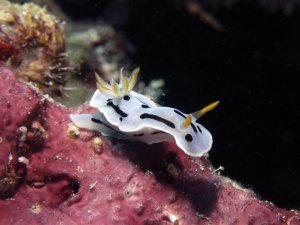
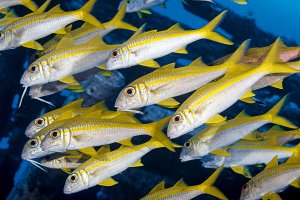
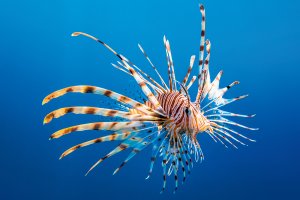
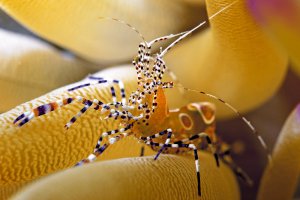
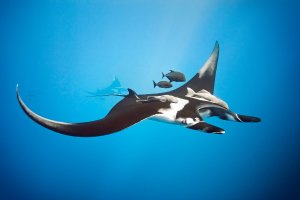
The image shown is a representative illustration and does not depict every individual animal in this category.
Total number of species approx.: 3
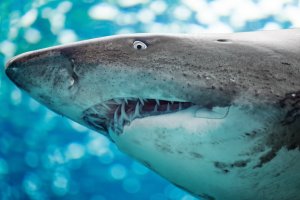
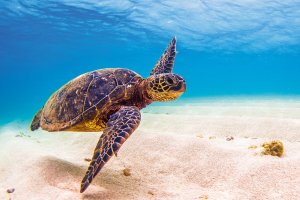
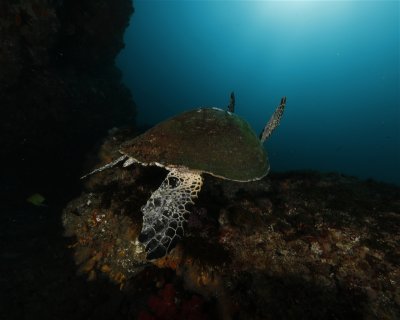
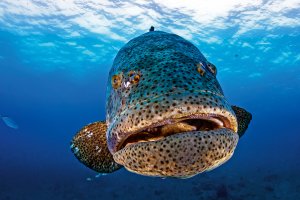
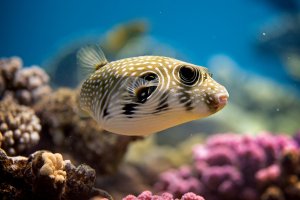
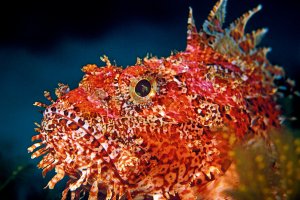
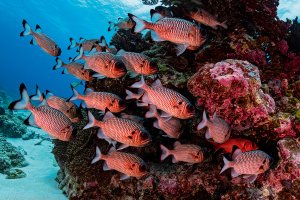
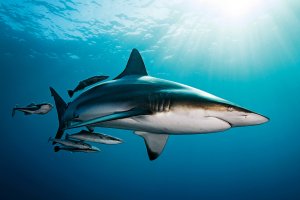
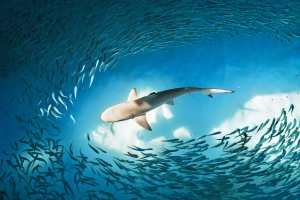
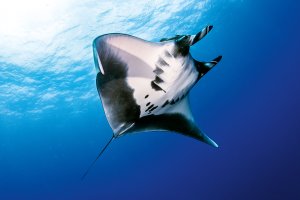
The image shown is a representative illustration and does not depict every individual animal in this category.
Total number of species approx.: 600
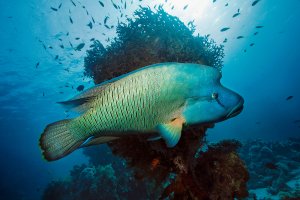
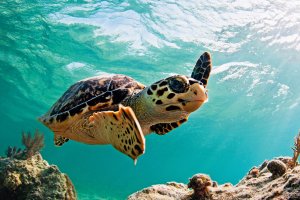
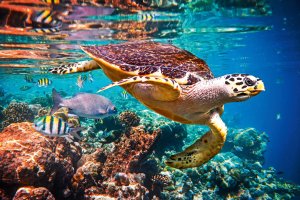
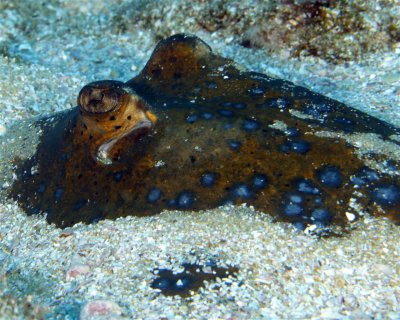
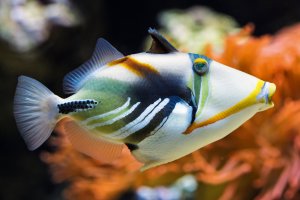
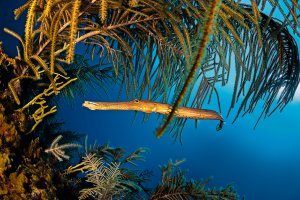
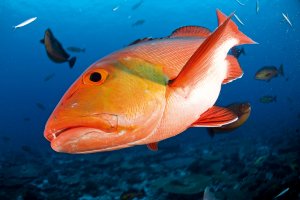
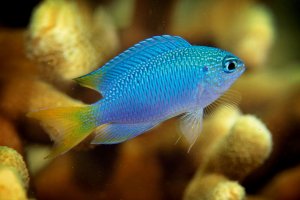
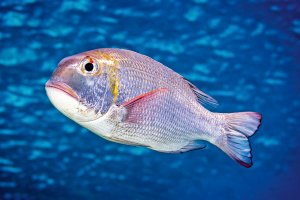
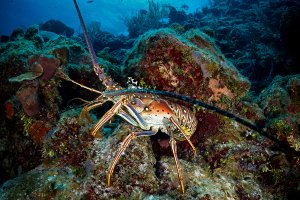
The image shown is a representative illustration and does not depict every individual animal in this category.
Total number of species approx.: 25
The image shown is a representative illustration and does not depict every individual animal in this category.
Total number of species approx.: 300
Curated by Interest
Mares
Aqualung
Shutterstock-Zi Magine
Mares-Predrag Vuckovic
Scubapro
Shutterstock-Ethan Daniels
Mares-Predrag Vuckovic
Mares-Bjoern Dorstewit
Miss Behavin’ Mermaid hopes you’ll join her for a magical day of swirling and swishing our cares away!No longer a fairy tale, your dream of becoming a mermaid is a tail-flic...
Show Offer
The South African Sardine Run out of East London is the ultimate aquatic adrenaline rush where millions of silver fish ignite an ocean-wide feeding frenzyThe Run ...
Show OfferMiss Behavin’ Mermaid hopes you’ll join her for a magical day of swirling and swishing our cares away!No longer a fairy tale, your dream of becoming a mermaid is a tail-flic...
Show OfferBeing a mermaid instructor is the perfect way to go mermaid swimming and start a new career, instilling happiness and joy in all your mermaid students! SSI’s high-quality stan...
Show Offer
The South African Sardine Run out of East London is the ultimate aquatic adrenaline rush where millions of silver fish ignite an ocean-wide feeding frenzyThe Run ...
Show Offer
Unforgettable diving experiences and unique discoveries await you in the enchanting waters of South Africa.For program details, visit www.scubado.com.tr/afrika or contact us dir...
Show OfferMiss Behavin’ Mermaid hopes you’ll join her for a magical day of swirling and swishing our cares away!No longer a fairy tale, your dream of becoming a mermaid is a tail-flic...
Show Offer
The South African Sardine Run out of East London is the ultimate aquatic adrenaline rush where millions of silver fish ignite an ocean-wide feeding frenzyThe Run ...
Show Offer
Experience the privilege of being in the same water with tiger and bull sharks at Umkomaas, one of the most exciting dive sites in the world! Each dive offers a new adventure in...
Show Offer
Experience the privilege of being in the same water with tiger and bull sharks at Umkomaas, one of the most exciting dive sites in the world! Each dive offers a new adventure in...
Show Offer
Unforgettable diving experiences and unique discoveries await you in the enchanting waters of South Africa.For program details, visit www.scubado.com.tr/afrika or contact us dir...
Show Offer
South Africa Diving & Culture TourDecember 13–20Experience one of the world’s most exciting diving destinations while discovering the incredible wildlife and cultu...
Show Offer