Diving in Malapascua

Nestled at the northernmost tip of Cebu in the Visayas region of the Philippines, Malapascua Island is rapidly gaining fame as one of the world's premier dive destinations. Its claim to fame? The mesmerizing thresher sharks that grace the clear waters, offering divers a unique, thrilling experience. But the allure of Malapascua extends beyond its sharks. The island is a gateway to an underwater paradise, where divers can explore vibrant coral reefs teeming with marine life. Located within the Coral Triangle, these reefs are home to a colorful array of species, including the elusive mandarin fish, making every dive a visual feast. Diving around Malapascua offers a variety of experiences, catering to different styles and preferences. Monad Shoal, a submerged island, is particularly famous for early morning thresher shark encounters. Meanwhile, Gato Island provides a different thrill with its tunnel swim-throughs and sightings of white-tip reef sharks. Dive sites like Kemod Shoal add to the diversity, presenting breathtaking underwater landscapes that range from coral formations to sloping reefs and small walls. With its warm waters, rich biodiversity, and unique dive sites, Malapascua is a must-visit for diving enthusiasts seeking adventure and wonder in the heart of the Philippines.

Courses and Events

Dive Activity

Diving in Malapascua

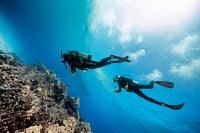
Malapascua diving offers a lot of variety. Wall dives with caves, reef and muck diving will keep everyone happy. Some can be dived as drifts and there are a couple of wreck dives to explore too.

There are lots of dive centres on the island to choose from, all of which offer dive courses. The island is a very popular place to learn to dive and an open water course will take you around three days, though to dive with the threshers at Monad Shoal, you will need to complete a deep adventure dive or advanced course. There are several luxury dive resorts too which offer dive and stay packages at the more expensive end of the market. There are several liveaboards which operate in the area, most of which encompass the Visayas region at large.

Top Wildlife Sigthings in Malapascua

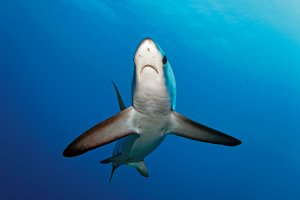
Of course, the most famous animal encounter in Malapascua has to be thresher sharks. These timid sharks can be seen on a very early (normally around 6am) dive in Monad Shoal. The threshers come up from the deep water at first light to be cleaned by wrasse on this cleaning station. It is one of the only places in the world where they can be seen almost everyday, all year round.

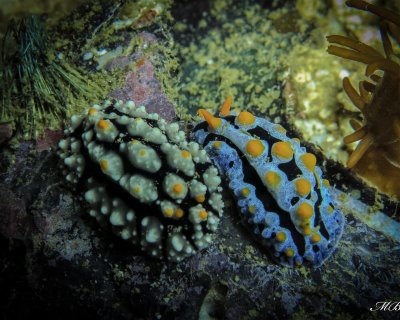
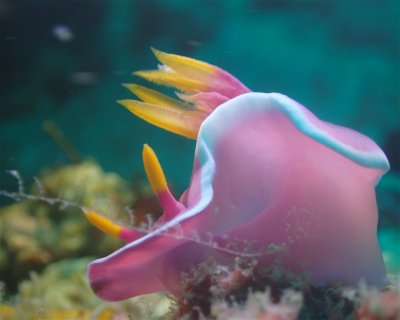
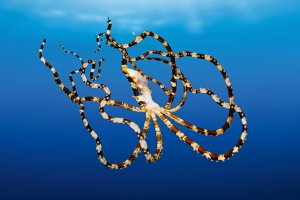
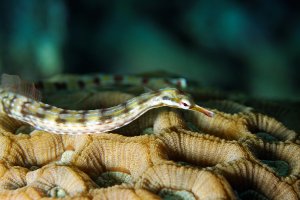
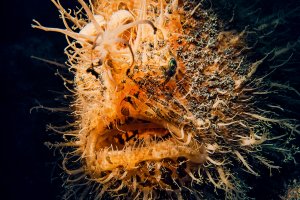
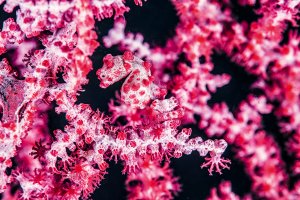
Though cowed by the threshers, the reef life here is also stunning. Super rare mandarin fish can be seen at “The Lighthouse” - they can even be seen mating. The male and female perform a cute dance, touching noses and circling around one another before shooting towards the surface. Other well camouflaged life include: ghost pipefish, frogfish, pygmy seahorse, blue ringed octopus, nudibranch, Spanish dancers, cuttlefish and ribbon eels.

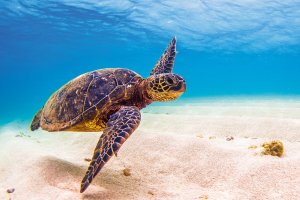
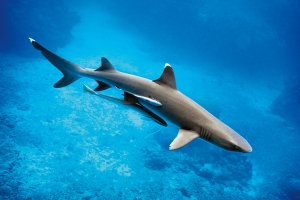
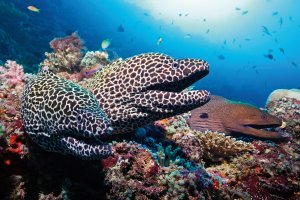
There is other pelagic life for those who prefer larger animal encounters. Turtles are a common sight at most dive sites, as are white tip reef sharks, eagle rays, devil rays and moray eels. Hammerhead sharks can be seen (sometimes even in schools) from December to May, as can manta rays.

Wildlife Sightings are Based on User Generated Content

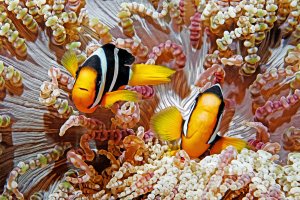
The image shown is a representative illustration and does not depict every individual animal in this category.

Total number of species: 3

Thresher Shark

353 Sightings
J
40
F
18
M
13
A
57
M
53
J
30
J
18
A
17
S
19
O
17
N
37
D
34

The image shown is a representative illustration and does not depict every individual animal in this category.

Total number of species: 200

Moray Eel

234 Sightings
J
25
F
10
M
24
A
20
M
6
J
6
J
6
A
27
S
22
O
19
N
40
D
29

The image shown is a representative illustration and does not depict every individual animal in this category.

Total number of species: 300

Octopus

133 Sightings
J
20
F
3
M
5
A
25
M
11
J
18
J
4
A
12
S
6
O
0
N
7
D
22

The image shown is a representative illustration and does not depict every individual animal in this category.

Total number of species: 28

Clownfish

1.4k Sightings
J
188
F
167
M
148
A
127
M
95
J
73
J
52
A
81
S
95
O
93
N
168
D
150

The image shown is a representative illustration and does not depict every individual animal in this category.

Total number of species: 12

Lionfish

858 Sightings
J
123
F
84
M
90
A
81
M
51
J
24
J
26
A
48
S
73
O
34
N
111
D
113

The image shown is a representative illustration and does not depict every individual animal in this category.

Total number of species: 3000

Nudibranch

654 Sightings
J
109
F
63
M
79
A
87
M
40
J
4
J
9
A
32
S
40
O
33
N
73
D
85

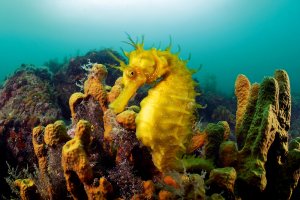
Common Seahorse

562 Sightings
J
94
F
74
M
45
A
84
M
58
J
22
J
14
A
30
S
21
O
21
N
45
D
54

The image shown is a representative illustration and does not depict every individual animal in this category.

Total number of species: 130

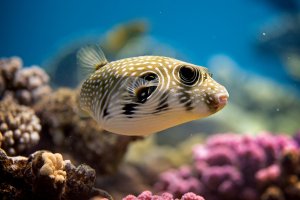
Pufferfish

455 Sightings
J
41
F
63
M
46
A
35
M
27
J
15
J
13
A
41
S
55
O
24
N
49
D
46

The image shown is a representative illustration and does not depict every individual animal in this category.

Total number of species: 130

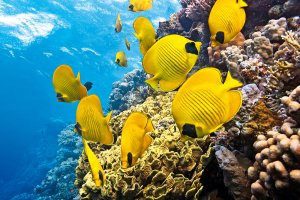
Butterfly Fish

384 Sightings
J
50
F
67
M
23
A
34
M
12
J
13
J
15
A
30
S
40
O
41
N
40
D
19

The image shown is a representative illustration and does not depict every individual animal in this category.

Total number of species: 90

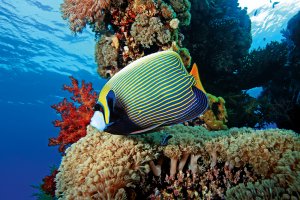
Angelfish

381 Sightings
J
54
F
64
M
7
A
28
M
9
J
21
J
19
A
35
S
42
O
37
N
30
D
35

The image shown is a representative illustration and does not depict every individual animal in this category.

Total number of species: 7000

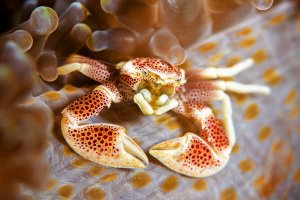
Crab

345 Sightings
J
36
F
35
M
36
A
37
M
37
J
13
J
7
A
18
S
20
O
12
N
36
D
58

The image shown is a representative illustration and does not depict every individual animal in this category.

Total number of species: 3400

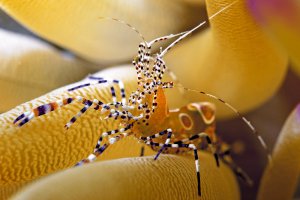
Shrimp

324 Sightings
J
49
F
27
M
30
A
40
M
24
J
10
J
1
A
17
S
23
O
11
N
46
D
46

The image shown is a representative illustration and does not depict every individual animal in this category.

Total number of species: 130

Pipefish

268 Sightings
J
39
F
50
M
37
A
40
M
11
J
15
J
0
A
3
S
10
O
4
N
34
D
25

The image shown is a representative illustration and does not depict every individual animal in this category.

Total number of species: 100

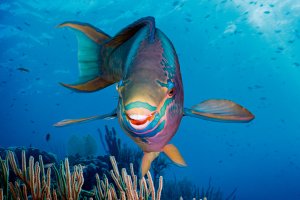
Parrotfish

217 Sightings
J
33
F
26
M
8
A
20
M
5
J
4
J
15
A
26
S
33
O
15
N
12
D
20

The image shown is a representative illustration and does not depict every individual animal in this category.

Total number of species: 25

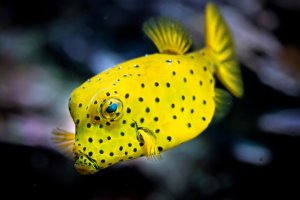
Boxfish

151 Sightings
J
9
F
15
M
14
A
2
M
6
J
4
J
3
A
19
S
24
O
19
N
18
D
18

The image shown is a representative illustration and does not depict every individual animal in this category.

Total number of species: 8

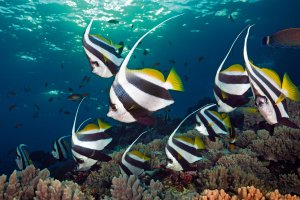
Bannerfish

141 Sightings
J
9
F
14
M
1
A
5
M
10
J
11
J
5
A
21
S
16
O
23
N
20
D
6

The image shown is a representative illustration and does not depict every individual animal in this category.

Total number of species: 120

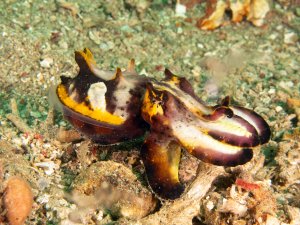
Cuttlefish

133 Sightings
J
6
F
15
M
1
A
22
M
2
J
12
J
6
A
13
S
7
O
0
N
27
D
22

The image shown is a representative illustration and does not depict every individual animal in this category.

Total number of species: 40

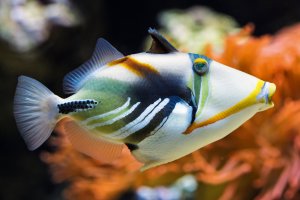
Triggerfish

118 Sightings
J
9
F
4
M
19
A
4
M
7
J
5
J
10
A
14
S
29
O
9
N
2
D
6

The image shown is a representative illustration and does not depict every individual animal in this category.

Total number of species: 50

Frogfish

114 Sightings
J
12
F
11
M
8
A
10
M
3
J
10
J
6
A
4
S
22
O
6
N
12
D
10

The image shown is a representative illustration and does not depict every individual animal in this category.

Total number of species: 85

Surgeonfish

86 Sightings
J
4
F
19
M
1
A
2
M
2
J
3
J
3
A
13
S
18
O
14
N
1
D
6

The image shown is a representative illustration and does not depict every individual animal in this category.

Total number of species: 250

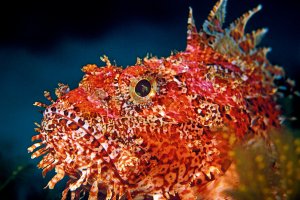
Scorpionfish

83 Sightings
J
10
F
6
M
7
A
13
M
4
J
0
J
5
A
7
S
18
O
5
N
7
D
1

The best Months to dive in Malapascua

Diving in Malapascua is good all year round, though there are different seasons to contend with. The driest time of the year is from February to May and this is also the best season for diving too. This is the season with the most tourists too so bear in mind that the island will be busier and some prices may be higher. This is the best season to see hammerhead sharks too.

Between June and November is generally known as a wet season, with more rainfall. There are occasionally typhoons in September and October but storms are usually short lived. The visibility is between 15m and 30m all year round except November-January. Plankton blooms reduce the visibility in the cooler water but this does increase the chance of seeing manta rays!

Dive Centers

Dive Sites