大地自由潜水倶楽部
神奈川県足柄下郡真鶴町岩252−2, 259-0202 Ashigarashimo-gun, Kanagawa - Japan
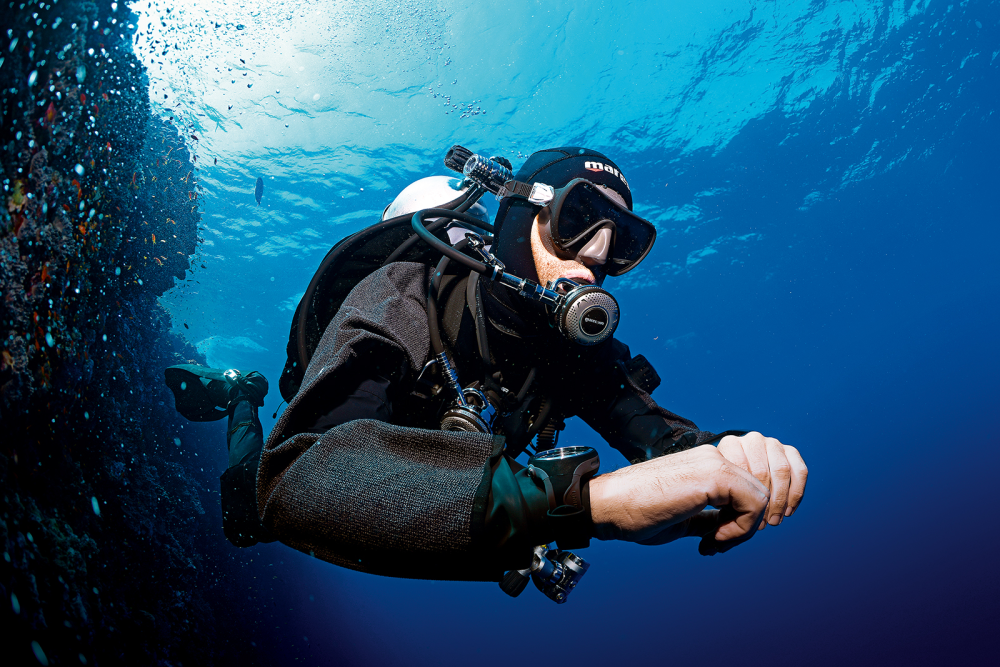
 © Mares
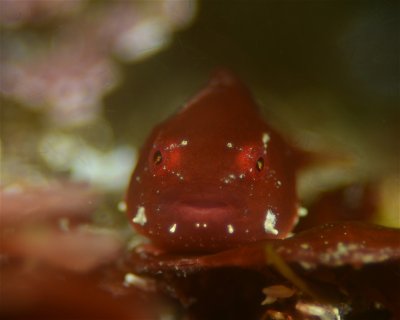
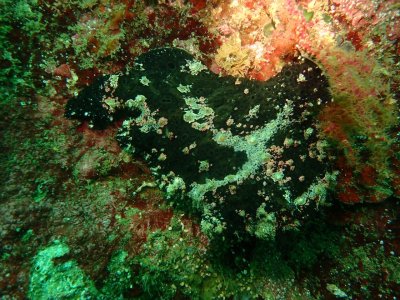
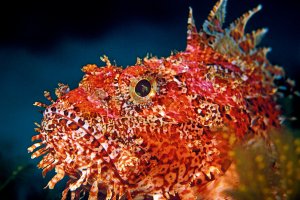
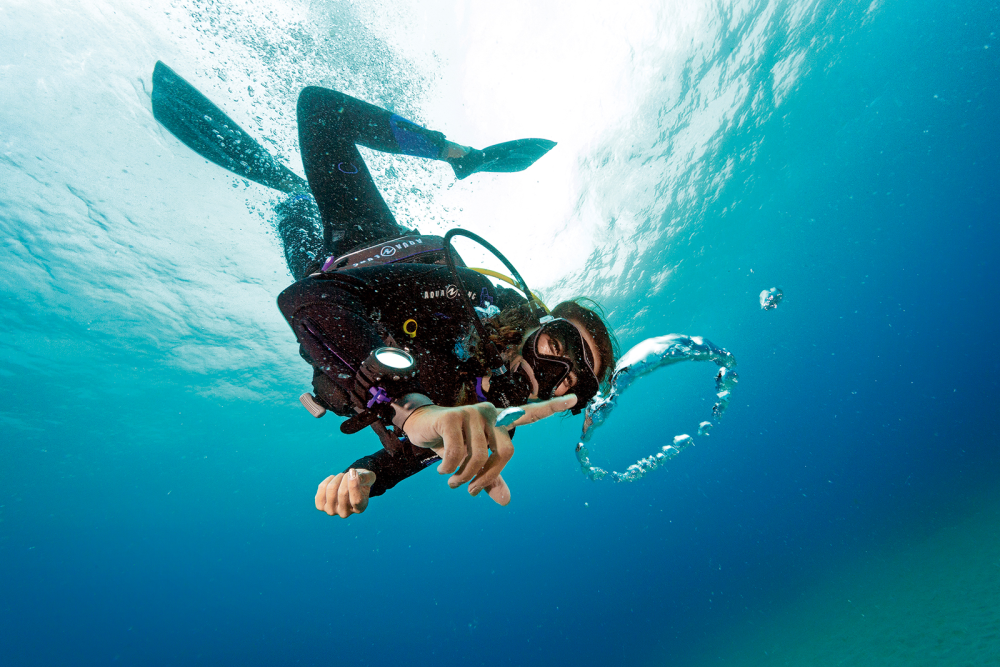
Diving in the Odawara and Manazuru regions offers a unique and accessible escape for divers seeking a memorable underwater adventure just a short trip from Tokyo. The peninsula is rich in marine biodiversity, with abundant reefs and sandy areas that promise diverse underwater landscapes. Using fishing boats instead of dive boats adds a distinctive local flavor to the experience. Navigating the dive sites is made easy with the installation of guide ropes, ensuring a pleasant experience for divers of all skill levels. The rocky areas teem with scorpion fish, providing an exciting encounter for divers. Sandy areas reveal hidden treasures like goby and flounder, while the vibrant seaweed in spring offers a haven for adorable small lumpfish and snail fish. Summer invites divers to witness the mesmerizing dance of squid, enhancing the seasonal allure of these waters. This region stands out not only for its marine life but also for the seamless blend of natural beauty and cultural authenticity, making it a must-visit destination for diving enthusiasts.
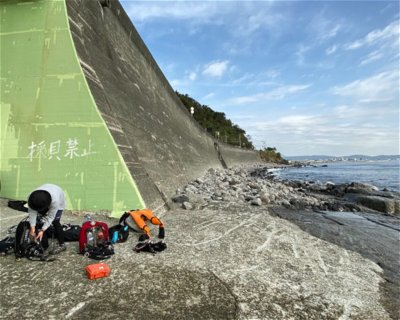
Odawara and Manazuru offer divers a captivating underwater world, balancing both shore and local boat diving experiences. The area is renowned for its diverse marine life and intriguing dive sites, with the Manazuru Peninsula being a standout destination. Here, shore dives offer encounters with vibrant coral reefs and varied fish species, making it a must-visit for marine enthusiasts. For those interested in wreck diving, the waters near Odawara harbor intriguing shipwreck sites, providing a glimpse into history beneath the waves. These wrecks, though not widely known, offer unique explorations for adventurous divers. Additionally, night dives reveal the nocturnal behaviors of local marine life, adding an exciting twist to the diving experience. Overall, the region strikes a perfect balance between accessible shore dives and more immersive local boat diving options, catering to divers of all preferences.
Odawara and Manazuru offer diving opportunities year-round, with conditions varying by season. Water temperatures range from 14°C–26°C/57°F–79°F. Winter and spring often experience the coolest temperatures, while summer brings warmer waters. Visibility is generally between 10–20 meters/33–66 feet, but it can decrease during rainy seasons or when strong currents occur. Diving is possible throughout the year, although summer and early autumn are particularly favorable due to warmer waters and calmer seas. Wind and currents can affect visibility and safety, particularly during typhoon season, typically from August to October. While winter diving is feasible, divers should be prepared for cooler temperatures and potentially reduced visibility.
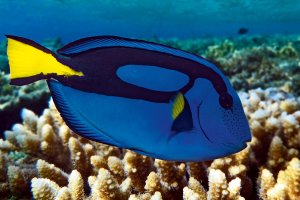
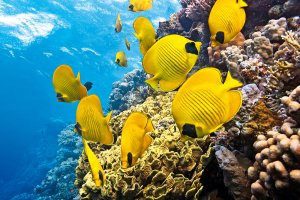
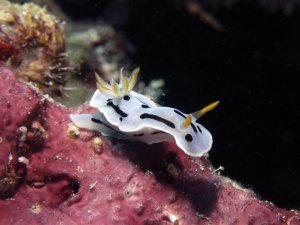
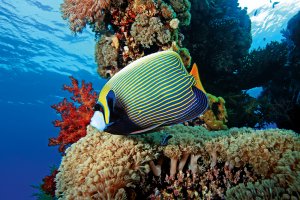
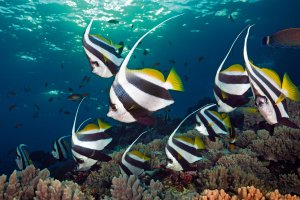
Odawara and Manazuru, located along the scenic coastline of Japan, offer a vibrant underwater world teeming with marine life. Divers can expect to encounter an array of reef fish, including species like damselfish and butterflyfish, which thrive among the coral gardens year-round. These waters also host colorful nudibranchs, adding an extra splash of color to the underwater landscape.
During certain seasons, the area becomes a hotspot for larger marine creatures. From May to September, divers can enjoy seasonal marine life, macro subjects, and changing underwater scenery depending on the conditions. While sightings of sharks are less common, they occasionally make an appearance in deeper waters during the autumn months, offering an exhilarating experience for more adventurous divers.
Wildlife Sightings are Based on User Generated Content
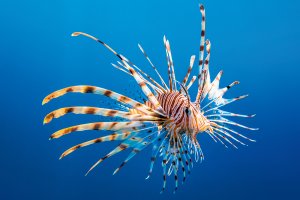
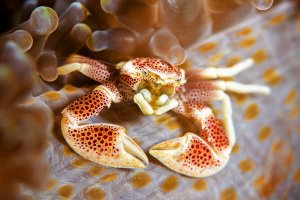
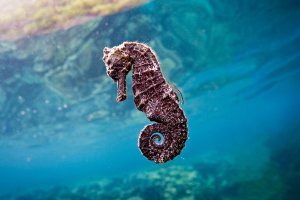
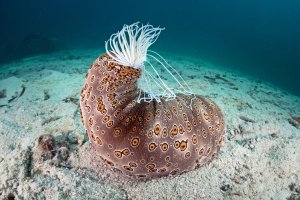
The image shown is a representative illustration and does not depict every individual animal in this category.
Total number of species approx.: 200
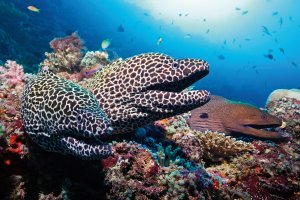
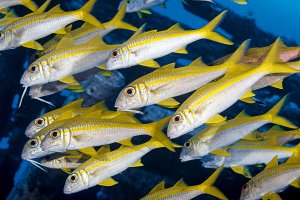
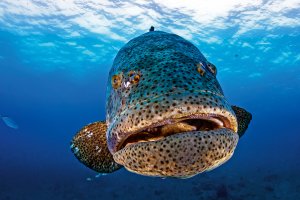
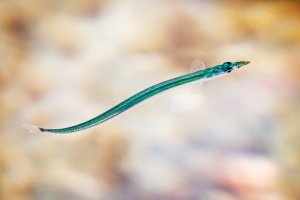
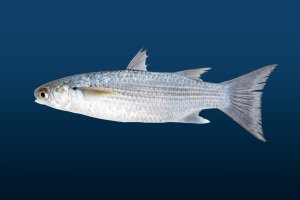
The image shown is a representative illustration and does not depict every individual animal in this category.
Total number of species approx.: 600
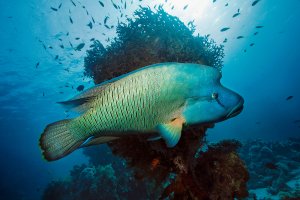
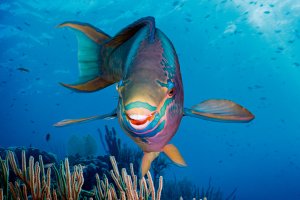
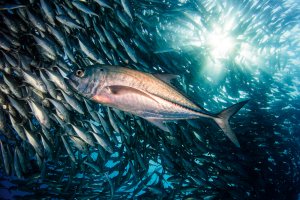
The image shown is a representative illustration and does not depict every individual animal in this category.
Total number of species approx.: 350
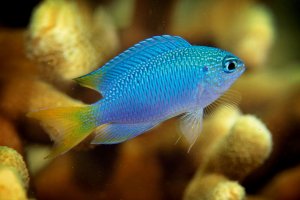
The image shown is a representative illustration and does not depict every individual animal in this category.
Total number of species approx.: 130
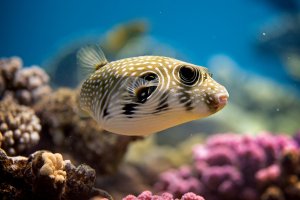
The image shown is a representative illustration and does not depict every individual animal in this category.
Total number of species approx.: 25
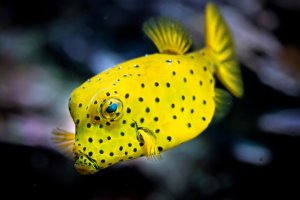
The image shown is a representative illustration and does not depict every individual animal in this category.
Total number of species approx.: 28
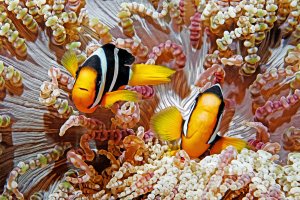
The image shown is a representative illustration and does not depict every individual animal in this category.
Total number of species approx.: 300
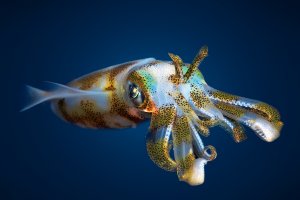
The image shown is a representative illustration and does not depict every individual animal in this category.
Total number of species approx.: 50
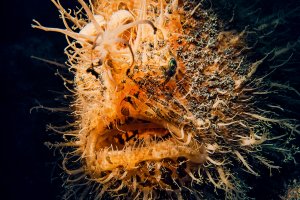
The image shown is a representative illustration and does not depict every individual animal in this category.
Total number of species approx.: 3
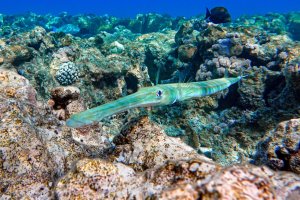
The image shown is a representative illustration and does not depict every individual animal in this category.
Total number of species approx.: 85