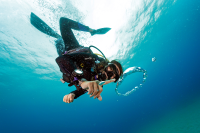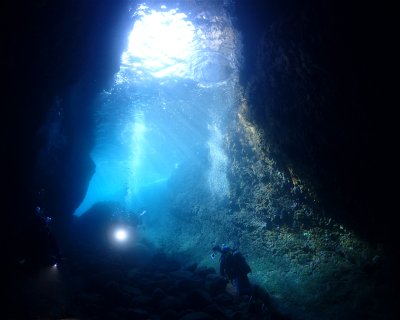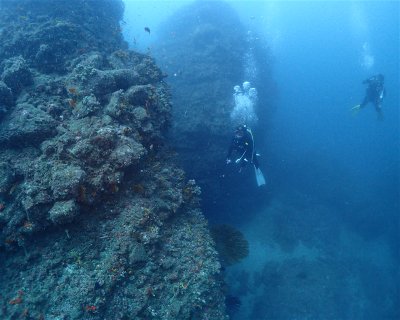
Kii Peninsula
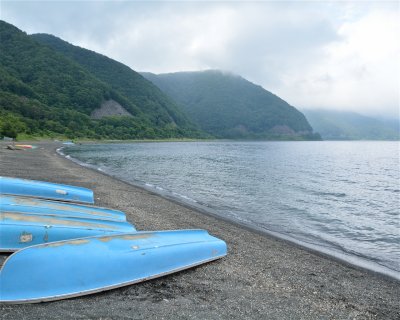
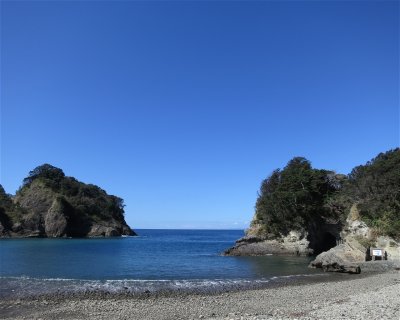
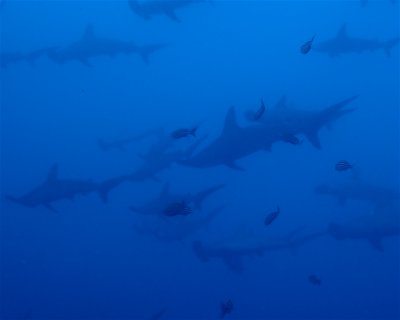
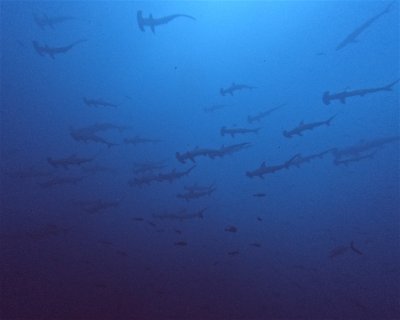
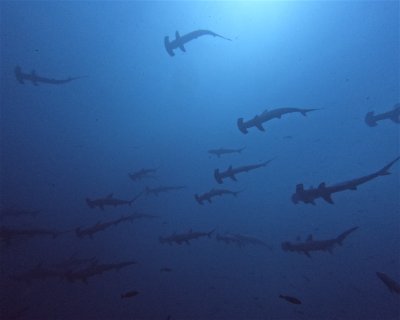
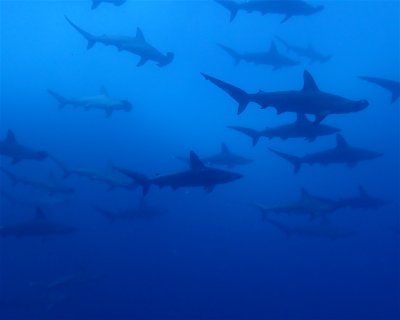
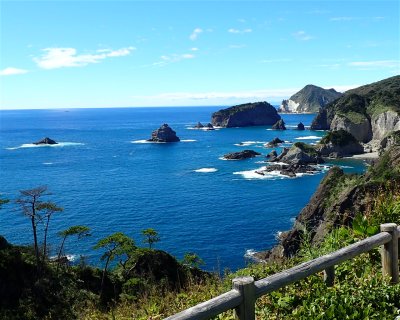
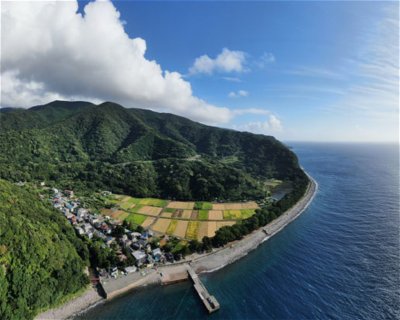
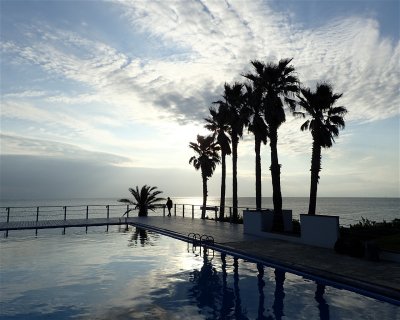
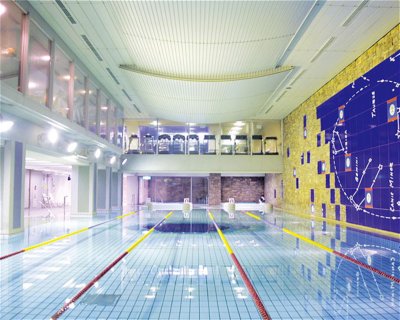
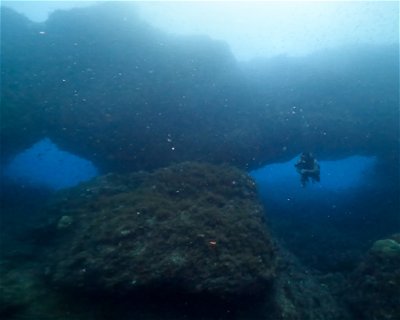
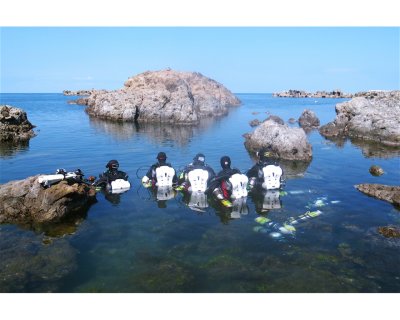
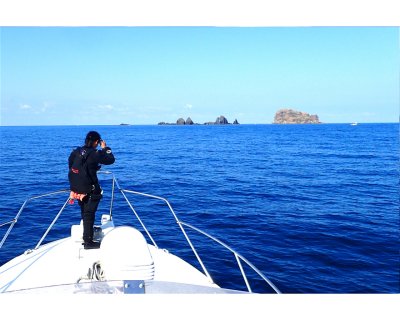
The largest peninsula in Japan, Kii is the epicenter of diving in Kansai.
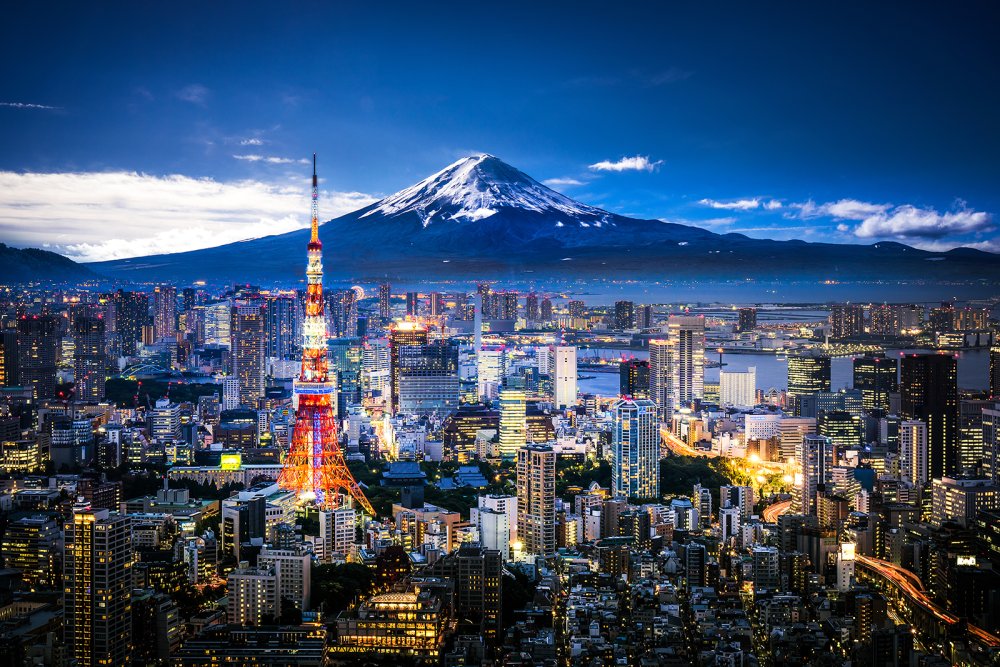 © iStock/yongyuan
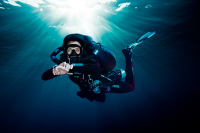
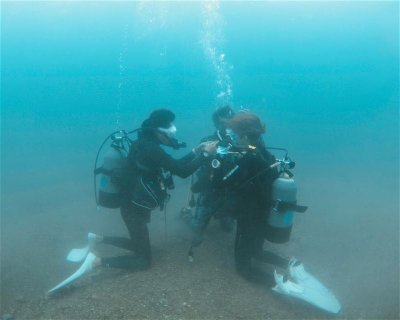
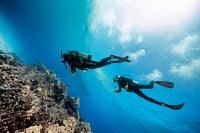
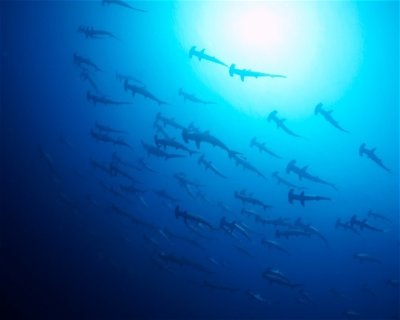
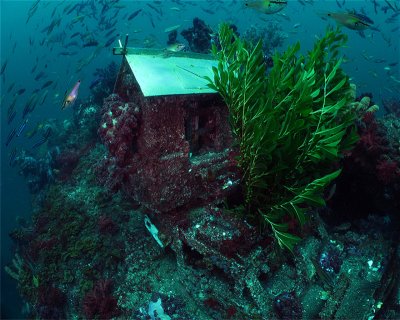
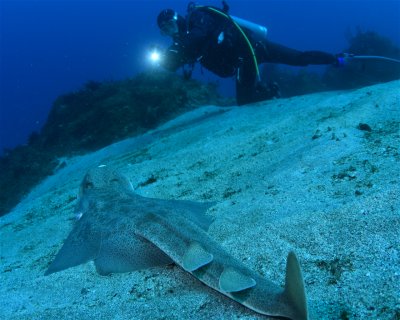
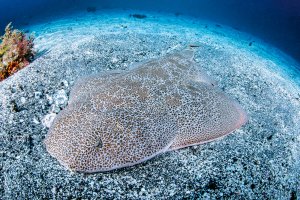
Diving in Honshu, Japan, offers a captivating experience, blending the island's rich history with its diverse marine life. The temperate waters, influenced by the Kuroshio Current, nurture vibrant kelp forests, creating a unique habitat that supports both warm and cold-water species. This diversity is a draw for divers seeking to explore underwater ecosystems teeming with life. The sites around Honshu range from the thrilling Ito Shark Scramble, where divers can witness banded hound sharks and stingrays, to the serene encounters with dolphins in Mikurajima and the majestic whales in Ogasawara.
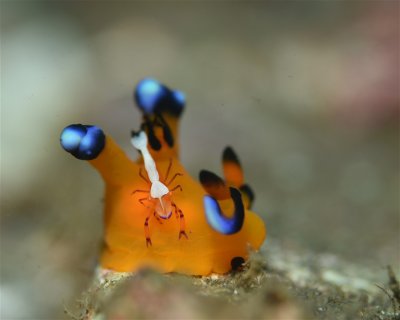
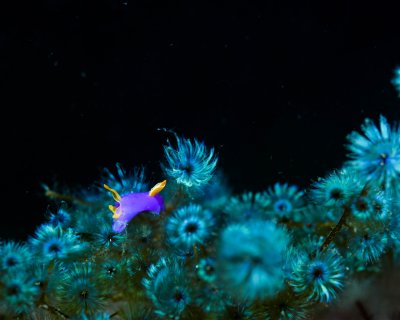
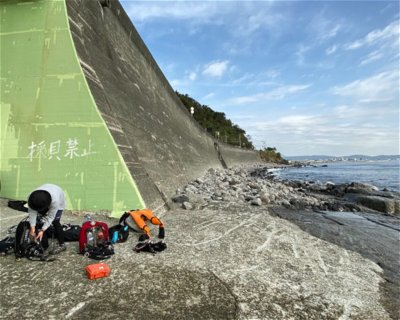
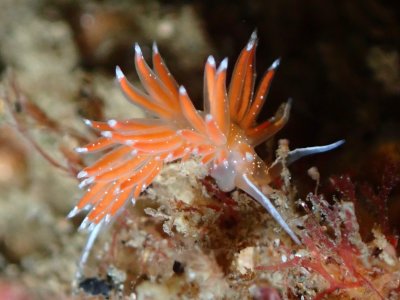
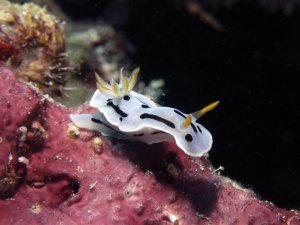
Honshu's coastline, stretching over 6,266 miles (10,084 km), offers numerous diving options, from shore dives to local boat excursions. Each dive site presents its own charm, whether it's the intricate reefs or the fascinating wrecks scattered along the sea floor. The island's macro life is particularly remarkable, with an abundance of colorful nudibranchs that captivate underwater photographers and enthusiasts alike. Seasonal changes also bring different marine visitors, adding an element of surprise and anticipation to each dive adventure in Honshu.
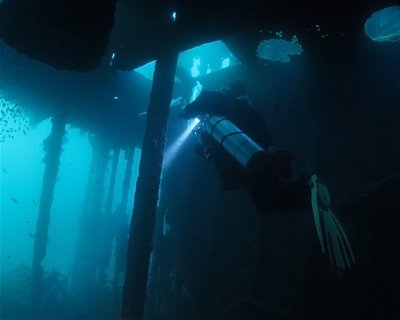
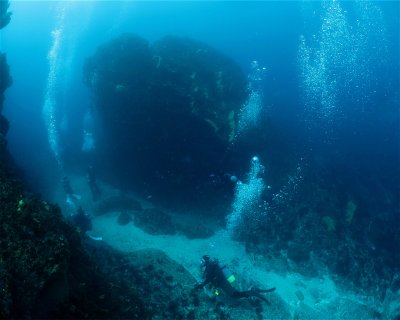
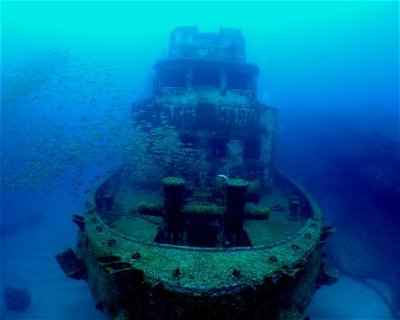
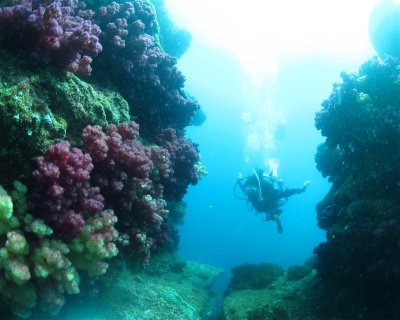
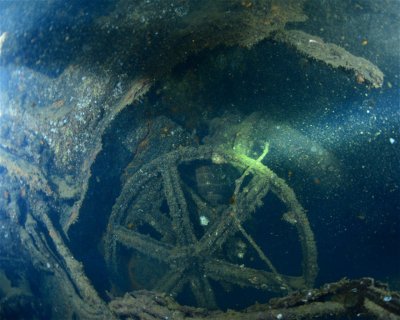
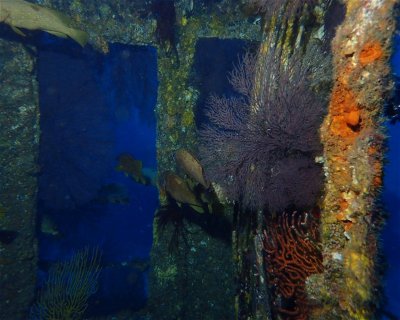
Honshu, Japan's largest island, boasts a variety of dive sites that cater to diverse diving interests. A popular choice for wreck enthusiasts is the Izu Peninsula, where the coastal waters reveal an array of fascinating wrecks, each with its own story. These sites are accessible via shore, allowing for easy exploration of submerged history. For those interested in marine life, the Kushimoto area offers unique underwater experiences, including vibrant coral reefs and opportunities for night dives. Here, divers can witness nocturnal marine behaviors and the mesmerizing dance of bioluminescent creatures. Honshu provides a balanced mix of shore and boat diving options, ensuring that whether you prefer a quick shore dive or a more extended adventure by local boat, there's something for every diving enthusiast.
Diving in Honshu, Japan, is accessible throughout the year, with each season presenting distinct underwater experiences. Water temperatures range from 16°C–27°C/61°F–81°F, making July to September the warmest months. Visibility typically spans 10 to 30 meters/33 to 98 feet, with spring boasting the clearest waters, ideal for observing marine life and underwater landscapes.
Winter diving, while challenging due to colder temperatures and reduced visibility, remains an option. Seasonal winds and currents, notably during the typhoon season from August to October, can impact diving conditions, rendering these months less predictable. Despite these variations, Honshu offers valuable opportunities for divers, with each season requiring specific considerations to ensure optimal diving conditions.
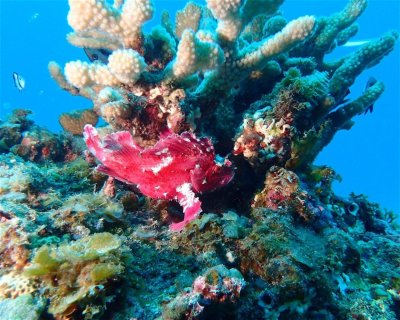
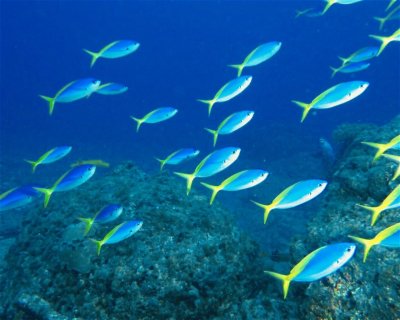
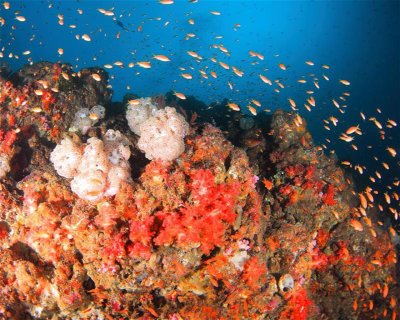
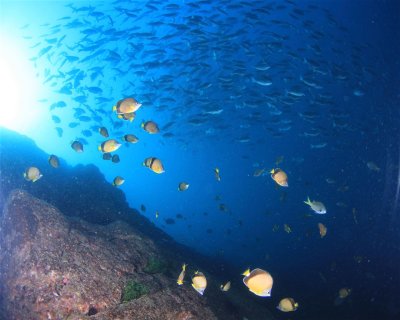
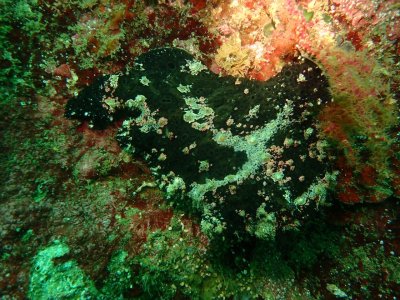
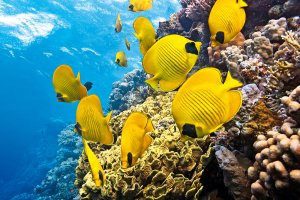
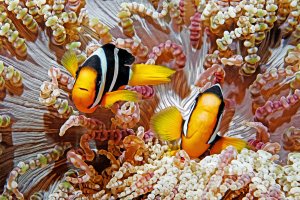
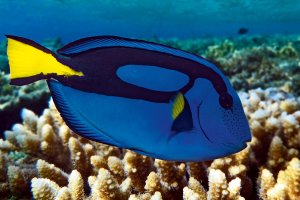
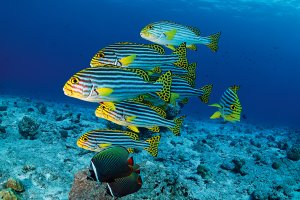
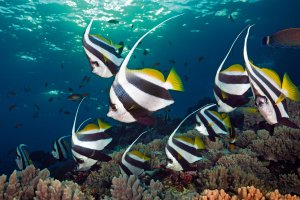
Honshu, the largest island of Japan, offers a diverse array of marine life, making it a captivating destination for divers. Typical reef fish here include species like the vibrant clownfish and the curious butterflyfish, often seen darting between coral formations. These species are commonly encountered in the waters surrounding Honshu, especially around prolific dive spots like the Izu Peninsula. Seasonal highlights in Honshu’s waters include a variety of marine life that changes by region and time of year. Certain areas around Honshu, like the coasts of the Kii Peninsula, also offer rich coastal ecosystems that attract divers seeking diverse underwater encounters.
Wildlife Sightings are Based on User Generated Content
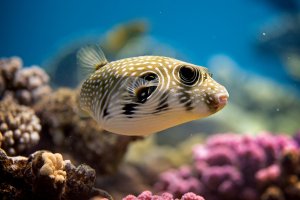
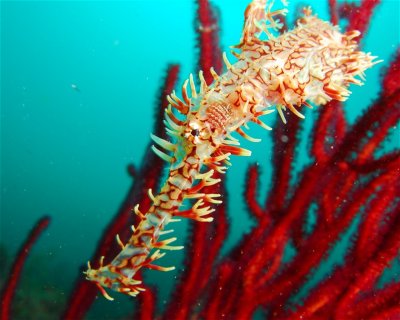
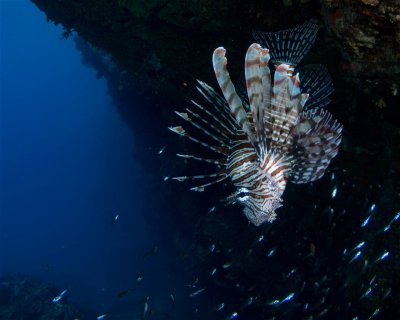
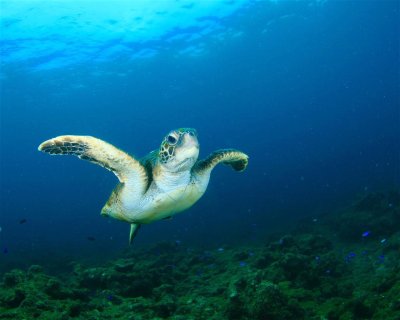
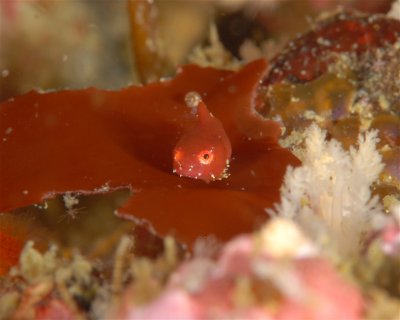
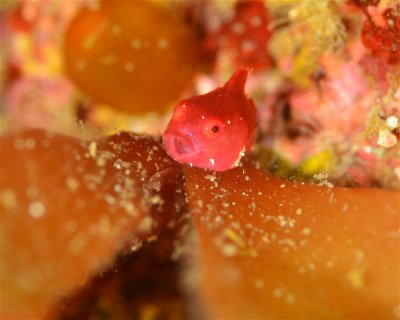
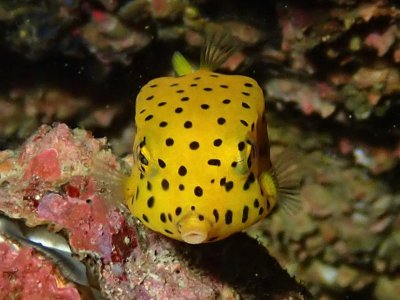
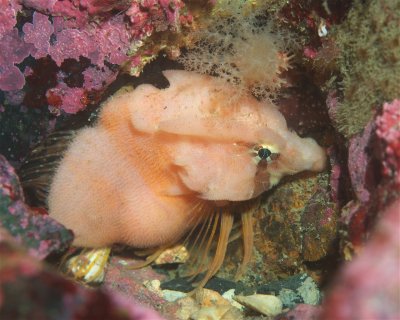
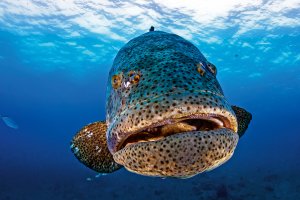
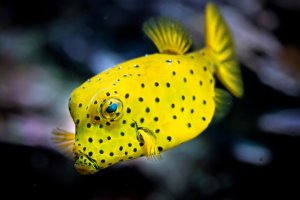
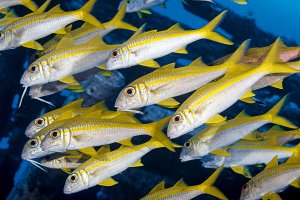
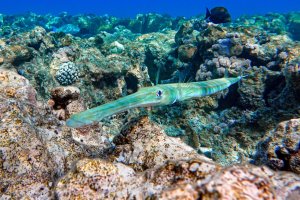
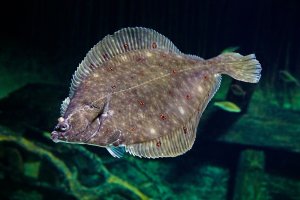
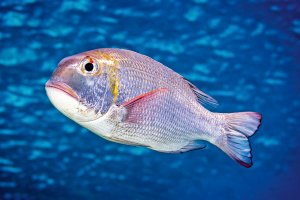
The image shown is a representative illustration and does not depict every individual animal in this category.
Total number of species approx.: 200
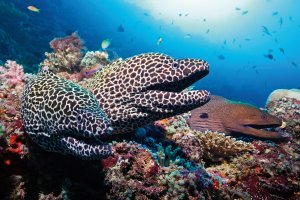
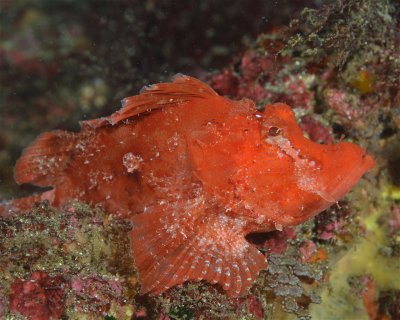
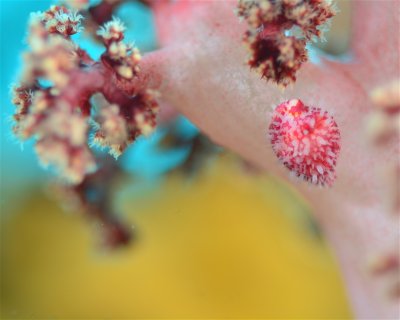
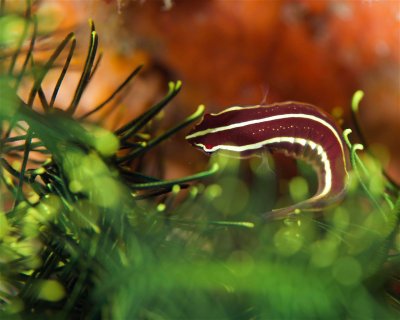
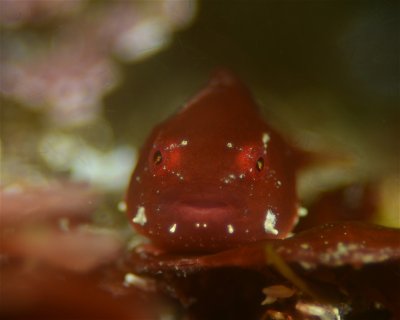
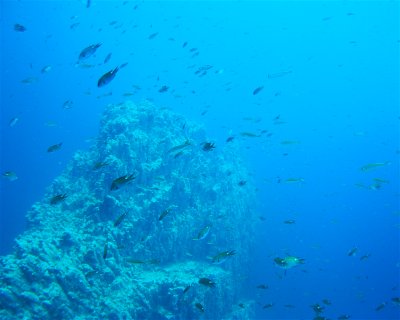
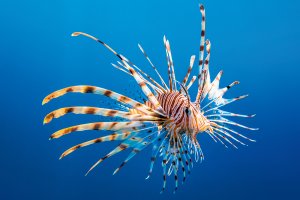
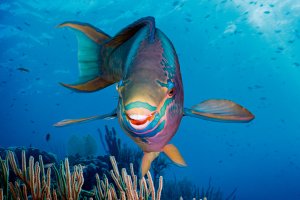
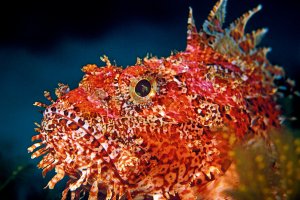
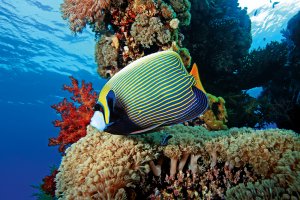
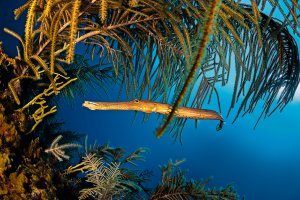
The image shown is a representative illustration and does not depict every individual animal in this category.
Total number of species approx.: 600
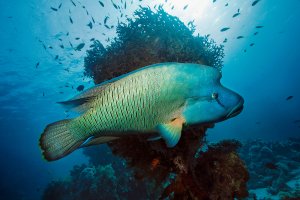
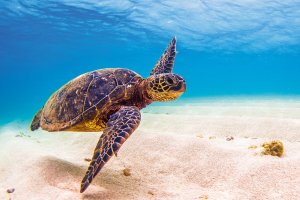
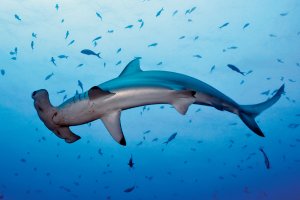
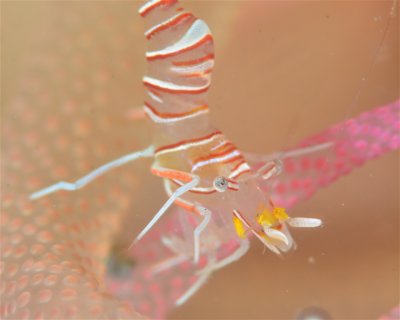
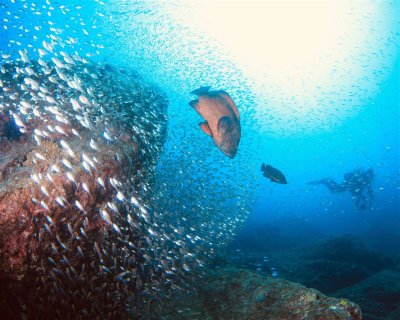
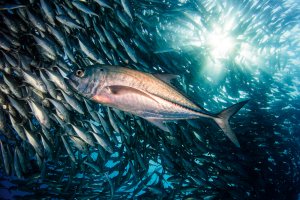
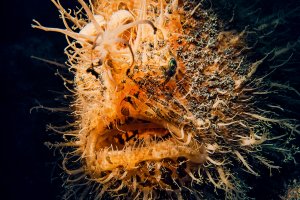
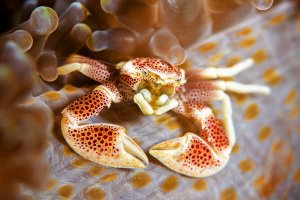
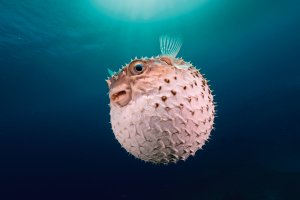
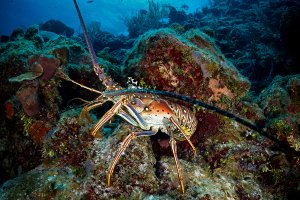
The image shown is a representative illustration and does not depict every individual animal in this category.
Total number of species approx.: 300
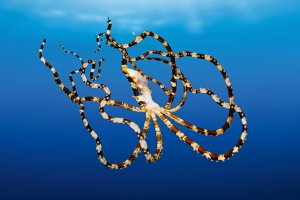
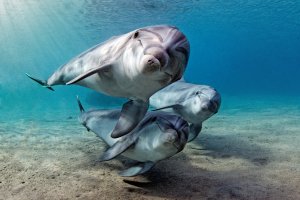
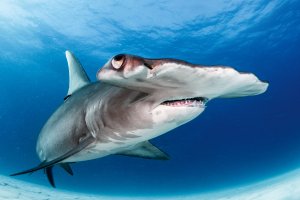
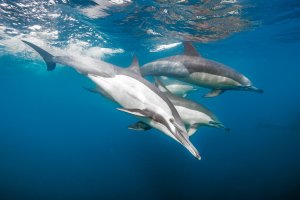
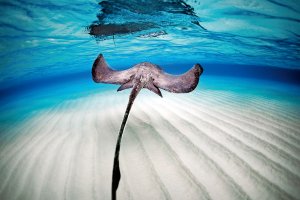
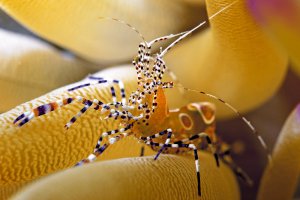
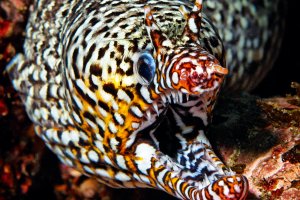
The image shown is a representative illustration and does not depict every individual animal in this category.
Total number of species approx.: 350
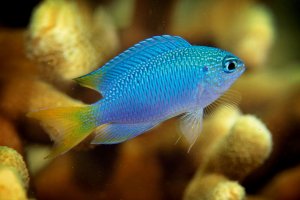
The image shown is a representative illustration and does not depict every individual animal in this category.
Total number of species approx.: 130