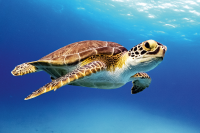
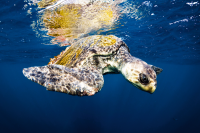
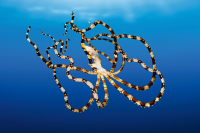
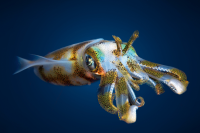
Connect with certified dive centers and professional instructors worldwide. Whether you’re a beginner or experienced diver, find the perfect location to learn, explore, and enhance your diving skills.
Explore dive destinations around the world. Whether you are planning a relaxed dive holiday or an adventurous dive trip, here you find the perfect location shaped by the ocean.
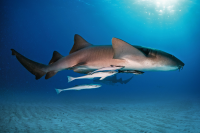
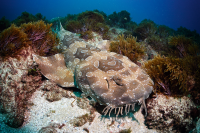
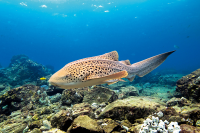
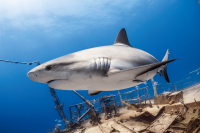
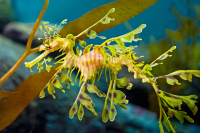
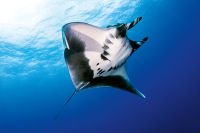
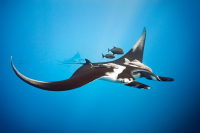
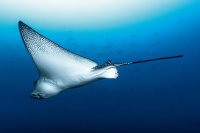
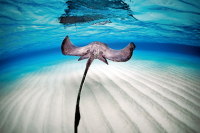
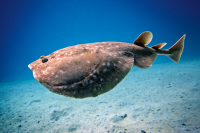
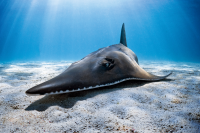
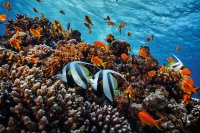
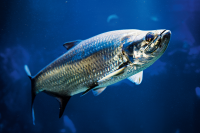
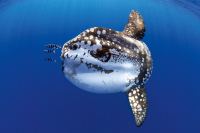
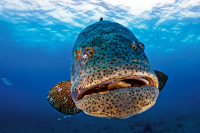
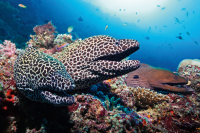
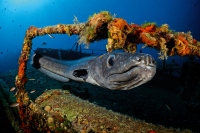
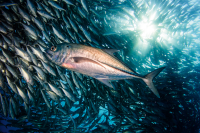
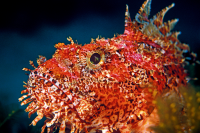
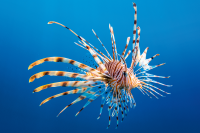
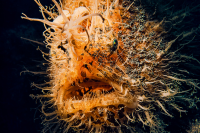
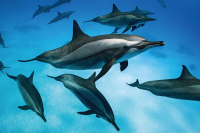
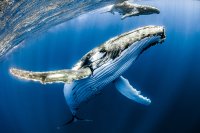
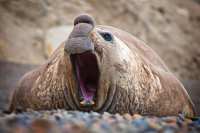
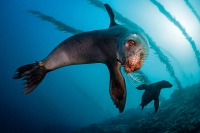
Discover marine wildlife and iconic dive sites worldwide. Whether you are drawn to coral reefs, wrecks, or big marine life, explore where divers dive and what lives beneath the surface.
Experience the ultimate diving adventure aboard world-class liveaboards. Explore remote dive sites, enjoy multiple dives per day, and wake up in paradise at some of the planet’s most incredible underwater destinations.
Discover dive sites around the world where activity is at its peak right now. Whether you are searching for exceptional wildlife encounters or the right dive season, here you find where the action is happening beneath the surface.
For liveaboard trips, we partner with LiveAboard.com to offer the widest selection of dive safaris worldwide.
Liveaboard diving holidays pack more diving in the same trip and allow divers to explore far-flung dive areas and see more marine life in the most beautiful dive destinations of the world.
Whether its wildlife tours, cultural visits and scenic hikes you are after or idyllic shores, swim stops and wonderful meals on board, an adventure cruise offers an amazing experience you won’t easily forget.
Diving in Africa you can explore the wonders of the Red Sea or discover hidden gems like St. Helena Island.
Some of the world’s most paradisiac diving destinations in Asia can be found in Indonesia, Maldives, Malaysia, the Philippines, and Thailand.
Das Great Barrier Reef, das größte Korallenriff der Welt, ist der Inbegriff des Tauchens in Australien.
Diving in Occitanie – Discover the best scuba diving in France!
North America offers a wide variety of adventures for every type of diver such as ice diving in Alaska or cenote diving in Mexico.
Some of the top diving destinations in Oceania include Micronesia, Fiji, Polynesia, Palau, Guam or the Marshall Islands.
In South America, you will find plenty of dive sites to choose from, including Ilhabela, Abrolhos Archipelago, and Easter Island.
Explore scuba diving in the Atlantic Ocean – from temperate reefs to pelagic encounters. Discover top dive sites, conditions and marine life.
Experience world-class scuba diving in the Caribbean with vibrant reefs, walls and warm water. Explore the best dive destinations and conditions.
Explore scuba diving in the Indian Ocean, home to tropical reefs, sharks and clear waters. Discover top dive destinations and seasons.
Discover scuba diving in the Mediterranean Sea, from historic wrecks to caves and clear coastal waters. Find the best dive sites and seasons.
Explore scuba diving in the Pacific Ocean, known for vast reefs and big marine life. Discover top dive regions and underwater experiences.
Experience scuba diving in the Red Sea, famous for vibrant coral reefs and crystal-clear water. Discover the best dive sites and conditions.
Discover scuba diving in the Baltic Sea, famous for historic wrecks and cold-water conditions. Learn where to dive and what to expect.
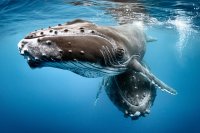
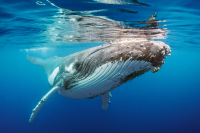
Kings of the Oceans
The Best Dads in the Sea
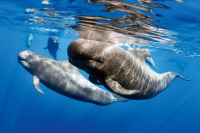
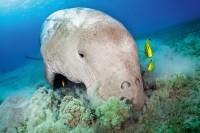
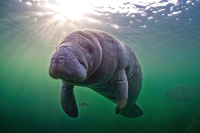
Gentle Movers of the Sea
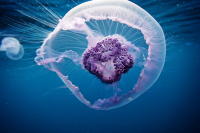
Making the Oceans a Rainbow of Color
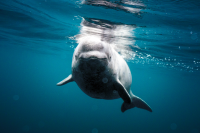
Dominators of the World’s Lakes and Rivers
The Most Majestic and Ancient Ocean Swimmer
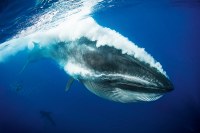
Diverse Ocean Dominators
Critters of the Sea
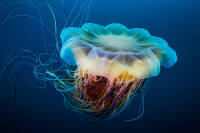
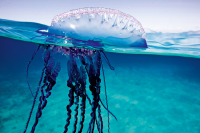
Mesmerizing Movers
Record Holder of the Seas
“Humans” of the Underwater World
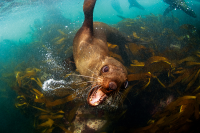
Curious, Playful, and Cute
Courses & Events
Dive Sites & Wildlife
Dive Center
This old steam trawler which had been converted into a minesweeper now sits at 13m on a sandy bottom, with her bow facing out to sea. The wreck is quite broken up but not widely scattered. With care, you can penetrate the boiler that stands about 5m high for about 1m but is quite confined. Fascinating marine life.
This site is the third of three beaches at Bovisand. Parking available and the beach is accessed by steps leading down. The conditions are perfect for beginner dives, yet there is still plenty to see for even the most experienced diver or keen photographer.
Goose Rock is a kelp/rocky reef only accessible by boat. An ideal site for entry-level training as the maximum depth is between 8-10m. For the more experienced diver, small caverns and more depth can be found on the western side of the rock.
SS Siracusa 1879-1897. 36m max depth. Built as the SS Bavaria, then renamed the SS Siracusa was a steamship carring a cargo of coal. When passing Newquay, she was caught up in a storm, subsequently wrecking off Towan Headland.
Talland Bay in Cornwall offers a great dive for beginners or those just wanting to dive from the shore. There’s also a wreck in Talland Bay; the Marguerite which lies in shallow water between the two main beaches.
Jenny Cliff Bay is on the main road to Bovisand and is a good shore dive to get into the water, as there is a car park nearby and the beach is sandy and protected.
Eight Acre has a maximum depth of 14m which is ideal for most training courses, and provides good opportunities for recreational dives. There are several training platforms at varying depths around the lake if needed for training. There are 2 deep entrances to the lake as well as a slope with railings.
SS Orfordness (1906-1918) was a British merchant ship. Whilst on route from Rouen to Barry Roads, she was torpedoed by German submarine U-60, two and a half miles NW of Newquay. 2 men were lost. She now lies on the bottom in about 35m-40m depending on the tide state.
Porthoustock is a gradual sloping shore site with a maximum depth of 10m. With a harbour wall to the left and reef to the right and a shingly/sandy floor between, this allows for a great variety of marine life. Also an ideal site for training entry-level divers.
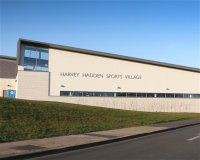
The pool at Harvey Hadden Sports Village is the main training pool. Measuring 25m by 25m and with a maximum depth of approx 4m, it provides plenty of space for dive training groups to spread out and a lot of space for swimming.
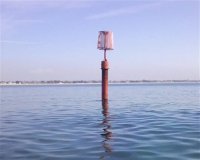
This is a small Mulberry Harbour component, thought to have been an Intermediate Pier head Pontoon used a rest place. Clearly marked by a tall red can buoy, it dries at Low Water.
Heybrook Bay is a shore about 3 miles by road from Bovisand. There is a coastal path down a river to the water’s edge where there is a small rocky beach. At high tide, the depth is around 9m and at low tide, the depth is around 3m.
Ravenspoint is a bay located on Anglesey. The site is sheltered, however outside of the bay can become quite rough and tidal if dived at the wrong time. It is important to make sure that the dive is planned correctly.
The Selsey Drift takes place within an area that appears on Charts as ’The Parks’, said to be the Bishop Of Chichester’s Deer Park many years ago. Tidal flow dictates the start point with an average depth of 10-12m and minimal obstructions these dives are suitable for all. Surface Marker Buoys required throughout.
This small german ship sank in January 1974 after her cargo shifted. Lying on her Starboard side, she is 9 miles out with max depth around 35m+ in the scour. Visibility can be 10m+ and is one excellent multi-level dive with the top at about 23m.
Torpedoed by UC-75 on 6 january 1918, the Gascony lies in 27m on the edge of the Owers. Upside down after sinking and with subsequent deterioration, navigation around the wreck needs acre - it is possible to see the wheels of army gun carriages which was part of the cargo for the British Army.
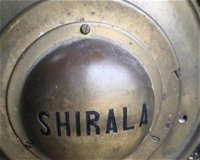
This is a very accessible wreck in 24m. Shirala was torpedoed in July 1918 and sank just off the North East end of the Owers, 8 miles from Selsey.
Often called the “Armed Trawler’, HMS Northcoates lies in 27m some 9 miles from Selsey. Always a popular dive, the degaussing equipment fitted for her minesweeper role is still visible together with the prominent forecastle gun.
The Bracklesham Bay Landing Craft is US Navy LCT548 (Landing Craft Tank) which lies in 10m of water in Bracklesham Bay, upside down! This is an ideal Wreck site for new and inexperienced wreck divers.
Bracklesham Bay contains clay sediments deposited 46 million years ago during the Eocene epoch. These clay beds are now being eroded resulting in significant quantities of fossilised shark and ray teeth being exposed. This simple Drift Dive will give you a chance to find some Fossils.
The Waldrons is a Sandstone Reef which lies South East of Bognor Regis. We offer this as Drift Dive with the depth varying from 12-18m as you progress along the Reef. Usually plenty of marine life and visibility can be upto 8-10m.
U-1195 was a German submarine Type VIIC. She was sunk on the 7th April 1945 in the English Channel by depth charges from the British destroyer HMS Watchman. Sits upright in 30m with the Conning Tower separated at the pressure hull and leaning sideways. Starting to show signs of deterioration.
known as the T’Pot wreck in honour of a teapot found on it, aka Brigitta, this armed merchant vessel was mined on 4th December 1917 whilst in transit from Barry to Dieppe. Today lies in 20m, in three parts: upside down stern, boilers and midships/bow.
A Mark 3 type IX Valentine Duplex Drive tank lost during exercise Fabius III in Bracklesham Bay in May 1944. Sits upright in 12m on the edge of a sandbar.
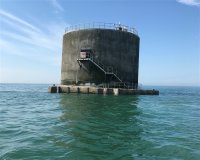
The Nab Tower was a tower planned for anti-submarine protection in the Solent in World War I. It was sunk over the Nab rocks east of the Isle of Wight to replace a lightship after the war, and is a well-known landmark for sailors as it marks the deep-water eastern entry into the Solent. Max depth about 20m.
The Breakwater Fort is located just inside the Breakwater and is surrounded by a variety of both ancient and modern debris of all shapes and sizes to explore. A number of structures that form a circuit can be followed via an orange cable along the seabed.
Bovisand has a series of three bays, and Bovisand Bay is the first. There is plenty of parking (paid), and the beach is easily accessible via a path and steps down. These bays are perfect for beginners and usually sheltered, yet there’s enough to keep even the most experienced diver occupied.
Fort Bovisand is a shore dive that offers good all-round cover from the weather and is used primarily for beginners due to the protection the harbour walls provide.
Found by Devil’s Point, Eastern Kings can be done as a shore dive although boat cover is advisable. There is a sloping cliff to 40m. Best to dive at high water (ideally neap tides).
A ten-minute journey from Porthkerris lies The Mohegan. A 482ft, 6,889 gross tonnage luxury, four-masted, single funnel liner which sank in mysterious circumstances after hitting the Manacles in 1898. The Mohegan needs to be dived at slack tide or on weak neap tides.
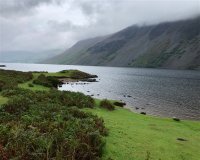
Wastwater, England’s deepest natural lake. Situated in the Lake District National Park this lake formed in a glacial valley 60m above sea level. It is 4.8km long, 500m wide and reaches depths of 79m at its deepest point. The lake is owned by the National Trust and is a popular tourist destination.
Challaborough Bay is a beautiful dive site on the shores of Challaborough, just opposite Burgh island. The dive is perfect for beginners and is even a great site for snorkelling in the summer.
This site has small rock walls and reefs down to 15 meters. At 8m there is a large Admirality fisherman’s anchor which stands two to three mtrs off the seabed on the south side of this site.
The seabed off Stoke Point and to the west could well be described as South Devon’s “Sponge Gardens”. There are depths to suit novice divers but the best rock formations and wildlife are deeper than 20 m below low water level.
Arena Swimming Pool (Bognor Regis) is used by Mulberry Divers principally for Freediving Training on Saturday afternoons throughout the year. We are able to utilise the whole 25m pool so it excellent for practising all aspects of Freediving.
What makes this location interesting, apart from the marine life, is that Panther Shoal lies directly between the firing line and fall of shot from both Fort Picklecombe and Breakwater Fort. As such, the observant diver can find cannonballs and so on, which litter this area.
This wreck was a Belgian Passenger liner sunk by a mine on 15 Sept 1939. The depth is around 27m. Strong currents exist in the area so it must be dived during slack tide! The stern section broke off and is now located around 100m from the rest of the wreck.
Fairly flat wreck, consisting of plates and other wreckage. Only the bow section of the ship sank, the rest was towed away and repaired. Depth is 17m on a mainly sand and gravel bottom.
This wreck sank in two sections, the second section is about 150 yards to the southeast. Large metal tanks and some flat sheets can be seen. It sits at 12m deep in a soft, silty bed with the wreck standing around 3m high.
Greek steamship sunk on 22nd November 1939. Lies at a depth of 27m and stands around 7m high in places. Surrounded by loose sandy gravel and strong currents. Be careful to get the right dive times.
Ethel was a British steamship, torpedoed by German Sub-UB-104 on 16 September 1918, and was one of the last casualties of WWI. Depth is 36m on a sandy bed with good visibility.
Frogner was a Norwegian steamship that sank 25th April 1918. The depth is at 35m. It’s been extensively salvaged but still a great wreck to dive, although it’s deep location makes it best for advanced divers.
Very popular dive, however limited because of it’s position and the local currents and tides. Lying upright on the sea bed at a depth of around 32m and going up to around 18m.
UB-74 was a German submarine, sunk on 26 May 1918. The wreck sits at 34m. 182ft long she was sunk by a depth charge from an armed yacht called Lorna. A great wreck to dive when the tides allow.
Just inside the outer breakwater, this is another fantastic wreck for beginners, or those wanting somewhere to check out gear, test skills, or just head out for an ’easy’ dive. Max depth is 14m, going up to 7m.
This Submarine P-555 is lying upright on the seabed at 39m. This wreck is pretty much intact. It sank on 28 April 1947. With 4x21in bow torpedo tubes and a 3in AA gun, this is a great dive for any submarine enthusiast with a Deep or Extended Range Diver Speciality.
Swanpool beach is a gradual sandy slope with rocky/kelp reef to both the left and right. Max depth of 6m at high tide so ideal for entry level training.
This is a scenic dive site with a maximum depth of 20m. It is an active working pier, with boat traffic. Use of DSMB’s is recommended. Access to the site is by permission only from C & C Marine. it has a confined water training area with a sandy bottom suitable for entry level dives.
Park at Carrick Dhu Caravan car park. Short walk down the cliffs and over the reef to the Blackrock headland. The diving spot is in the V-shaped gap in the rocks on the eastern side of the headland. Quite exposed to the waves and will amplify the tiniest swell so only recommended on the calmest days.
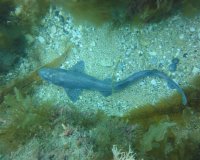
This reef can be reached by RIB from Fort Bovisand. The stony seabed is a mixture of green and purple pebbles with perfect seaweed gullies that could be straight from a fish tank. Marine life includes dogfish, rays, wrasse and crabs.