Explore Azores

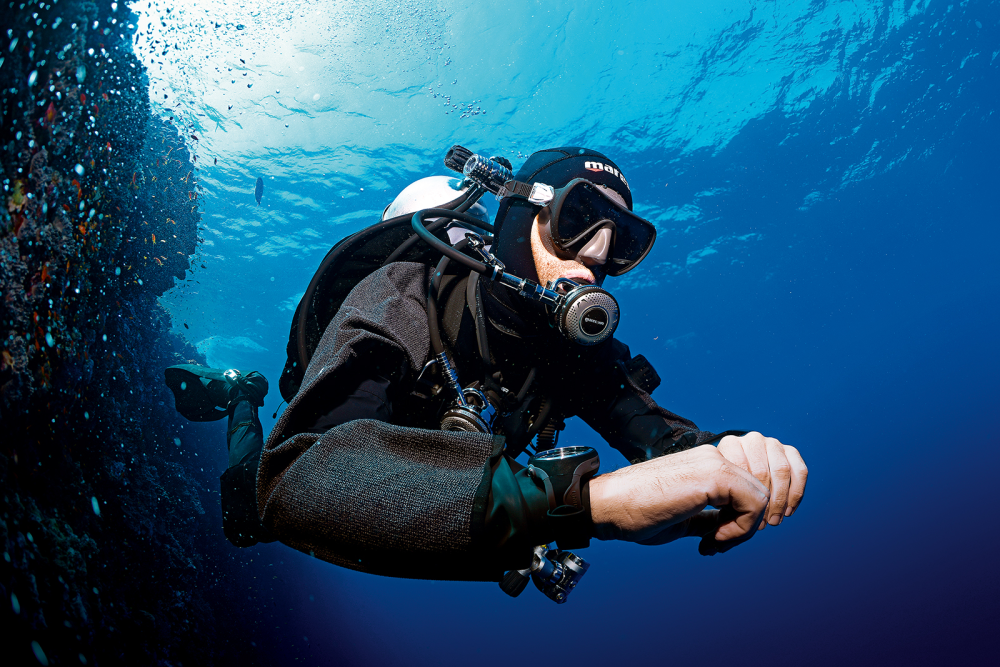
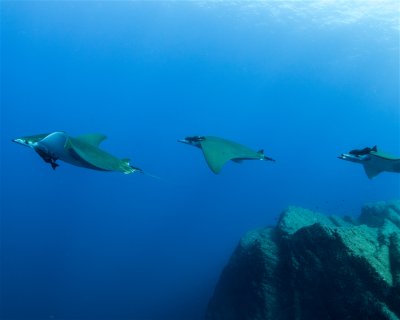
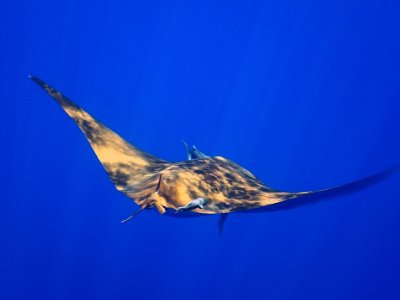
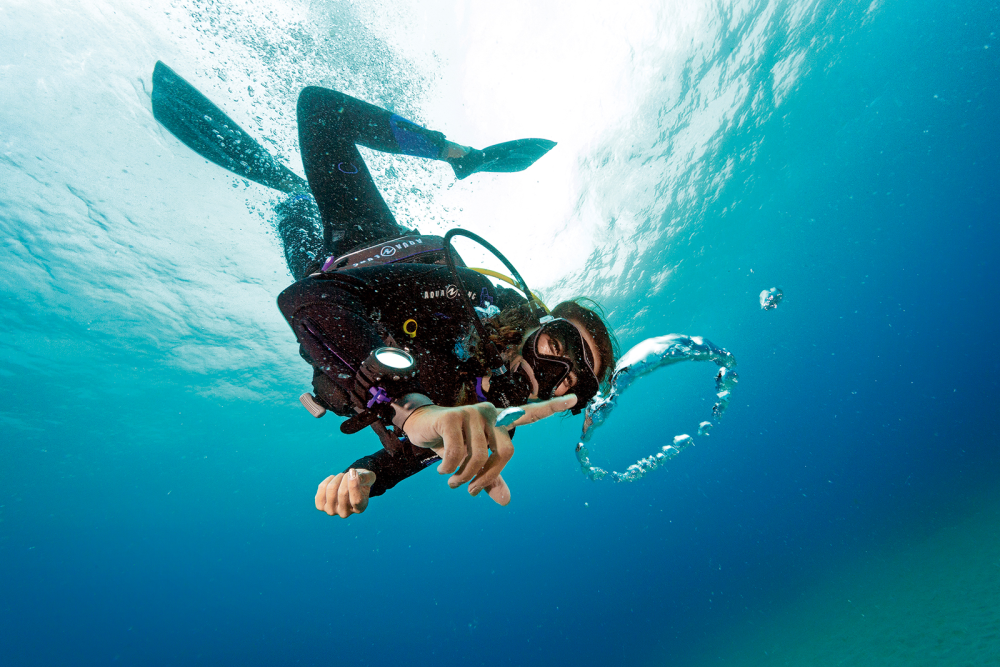
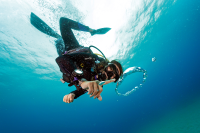
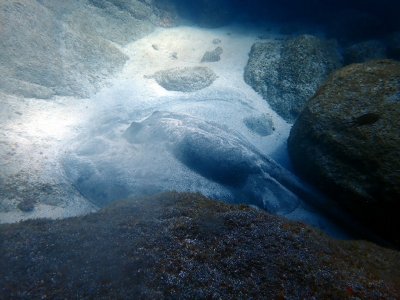
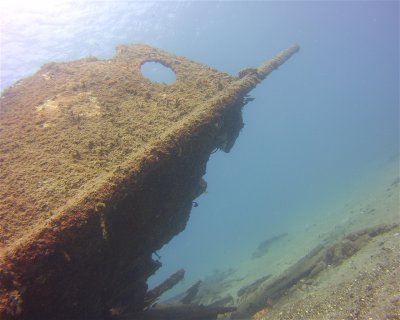
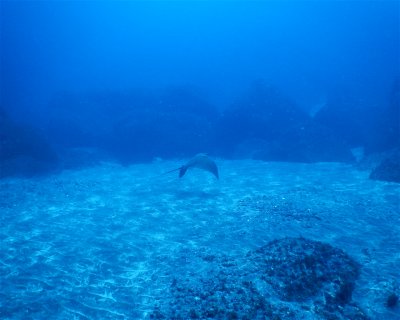
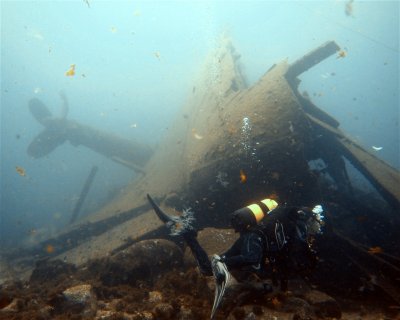
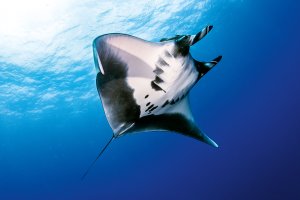
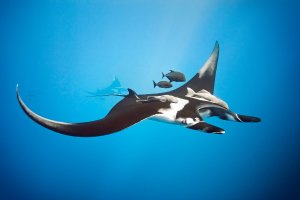
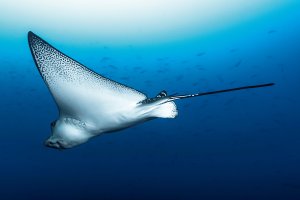
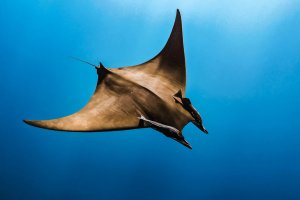
Diving in the Azores is a captivating adventure, offering an impressive tapestry of marine life and diverse underwater landscapes. The Azores, divided into the oriental, central, and occidental groups, cater to divers of all levels with their accessible sites and rich biodiversity. In São Miguel, the renowned Dori wreck, a WWII ship part of Operation Overlord, rests just 20 meters/66 feet below the surface, making it an iconic site for history enthusiasts and marine explorers alike. The coastal reefs of Lourenços and Sabrina are teeming with large pelagic fish and groups of graceful devil rays, providing unforgettable encounters. The central islands are particularly famous for manta ray diving from July to October, ranking among the world's best. A standout site is Princess Alice Bank, located 50 miles off Pico Island. Here, divers can drift above a deep-water pinnacle, witnessing breathtaking spectacles like schooling rays and large pelagic fish. Wreck diving aficionados will be drawn to Terceira and Graciosa islands, home to fascinating sites such as the Terceirense, Lidador, and the eerie Anchor Graveyard. Although the occidental group is less developed for diving, it surprises with its seasonal visits from migrating whales and mating mobula and manta rays. Popular dive sites here include the Gamela, Baxia do Buraco, and Caneiro dos Meros, each offering unique experiences. The Azores' varied environments and plentiful marine life make it a top destination for divers seeking both adventure and tranquility beneath the waves.

Courses and Events

Dive Activity

Diving in Azores

The Azores, an archipelago in the North Atlantic Ocean, offers diverse diving opportunities with its pristine waters and rich marine life. One of the top dive sites is the "Dori" wreck, a WWII Liberty ship located near São Miguel Island. This site is a favorite among wreck divers for its accessible depth and vibrant fish life.

For those who prefer shore diving, the Santa Maria Island offers stunning volcanic rock formations and abundant marine species. Unique experiences include night dives where divers can witness bioluminescent organisms. Both shore and liveaboard options are available, catering to different preferences and providing flexibility for dive travelers to explore these underwater wonders.

Top Wildlife Sightings in Azores

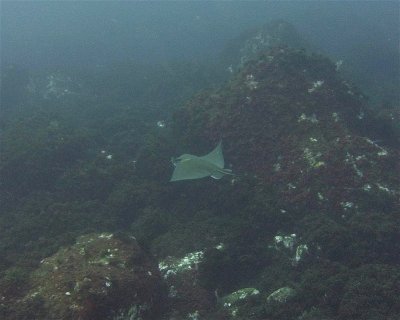
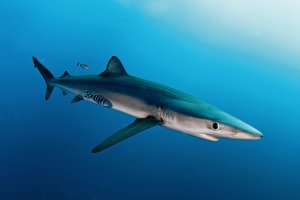
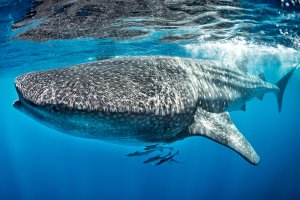
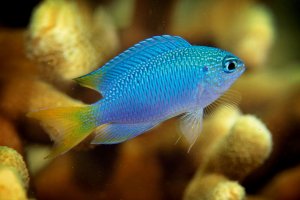
The Azores, a stunning archipelago in the North Atlantic Ocean, boast a rich marine ecosystem that attracts divers from around the world. The surrounding waters are home to a diverse range of reef fish such as the ornate wrasse, parrotfish, and damselfish, which can be seen year-round exploring the vibrant underwater landscapes. These colorful species thrive in the temperate waters and are common sights on any dive. During certain times of the year, the Azores also become a hotspot for larger marine creatures. Between June and October, divers have the chance to encounter blue sharks and mako sharks, drawn to the region by the nutrient-rich currents. Additionally, loggerhead turtles and various species of rays, including the graceful mobula rays, are often spotted gliding through the waters. These seasonal highlights make the Azores a thrilling diving destination, offering unique wildlife encounters at different times of the year.

Wildlife Sightings are Based on User Generated Content

The image shown is a representative illustration and does not depict every individual animal in this category.

Total number of species: 200

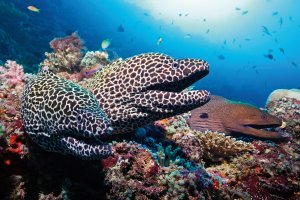
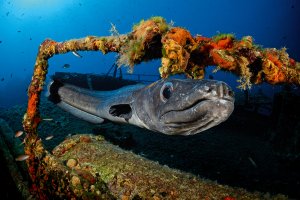
Moray Eel

1.8k Sightings
J
8
F
6
M
7
A
64
M
92
J
173
J
378
A
530
S
347
O
147
N
44
D
21

The image shown is a representative illustration and does not depict every individual animal in this category.

Total number of species: 27

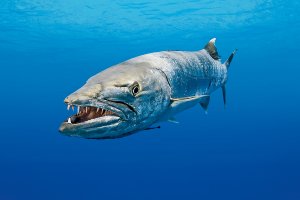
Barracuda

1.3k Sightings
J
3
F
2
M
13
A
50
M
77
J
108
J
227
A
370
S
258
O
112
N
37
D
6

The image shown is a representative illustration and does not depict every individual animal in this category.

Total number of species: 300

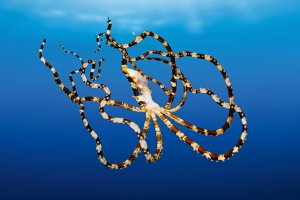
Octopus

741 Sightings
J
4
F
4
M
5
A
22
M
36
J
68
J
120
A
250
S
159
O
63
N
4
D
6

The image shown is a representative illustration and does not depict every individual animal in this category.

Total number of species: 600

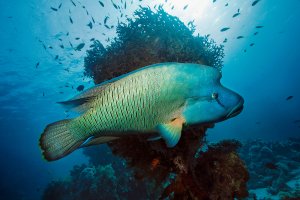
Wrasse

460 Sightings
J
3
F
8
M
1
A
37
M
46
J
43
J
97
A
121
S
56
O
35
N
9
D
4

Reef Manta Ray

228 Sightings
J
0
F
0
M
0
A
0
M
1
J
19
J
40
A
65
S
73
O
30
N
0
D
0

Giant Oceanic Manta Ray

209 Sightings
J
0
F
0
M
0
A
0
M
0
J
15
J
41
A
71
S
64
O
18
N
0
D
0

The image shown is a representative illustration and does not depict every individual animal in this category.

Total number of species: 250

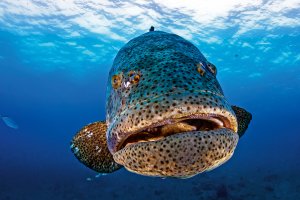
Grouper/Basslets

1.5k Sightings
J
7
F
12
M
10
A
58
M
84
J
128
J
321
A
434
S
276
O
128
N
24
D
9

The image shown is a representative illustration and does not depict every individual animal in this category.

Total number of species: 100

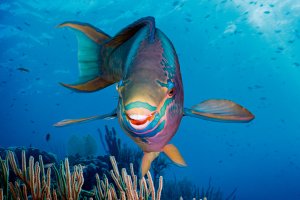
Parrotfish

1.1k Sightings
J
1
F
4
M
19
A
58
M
99
J
123
J
268
A
314
S
152
O
57
N
14
D
2

The image shown is a representative illustration and does not depict every individual animal in this category.

Total number of species: 40

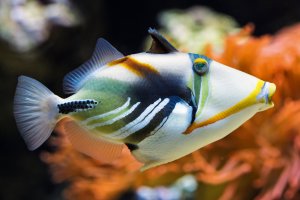
Triggerfish

924 Sightings
J
2
F
4
M
10
A
46
M
64
J
110
J
186
A
305
S
120
O
57
N
19
D
1

The image shown is a representative illustration and does not depict every individual animal in this category.

Total number of species: 250

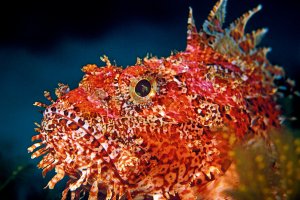
Scorpionfish

714 Sightings
J
0
F
0
M
10
A
14
M
76
J
66
J
190
A
192
S
91
O
52
N
21
D
2

The image shown is a representative illustration and does not depict every individual animal in this category.

Total number of species: 80

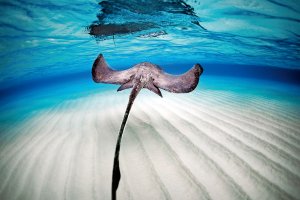
Stingrays

619 Sightings
J
1
F
6
M
6
A
7
M
8
J
33
J
202
A
165
S
116
O
51
N
18
D
6

The image shown is a representative illustration and does not depict every individual animal in this category.

Total number of species: 120

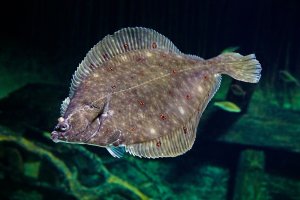
Flounder

349 Sightings
J
0
F
4
M
1
A
10
M
29
J
33
J
92
A
88
S
45
O
33
N
12
D
2

The image shown is a representative illustration and does not depict every individual animal in this category.

Total number of species: 40

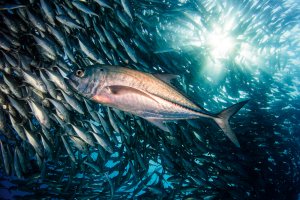
Jackfish

291 Sightings
J
0
F
0
M
1
A
3
M
5
J
34
J
93
A
88
S
45
O
20
N
2
D
0

The image shown is a representative illustration and does not depict every individual animal in this category.

Total number of species: 3000

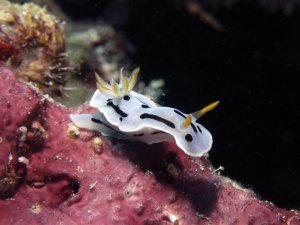
Nudibranch

277 Sightings
J
0
F
3
M
4
A
17
M
39
J
18
J
78
A
74
S
23
O
21
N
0
D
0

The image shown is a representative illustration and does not depict every individual animal in this category.

Total number of species: 130

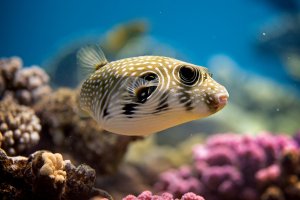
Pufferfish

223 Sightings
J
0
F
0
M
1
A
5
M
37
J
16
J
80
A
79
S
5
O
0
N
0
D
0

The image shown is a representative illustration and does not depict every individual animal in this category.

Total number of species: 7000

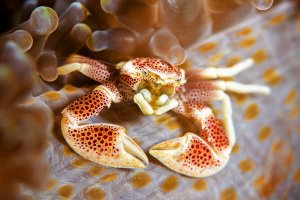
Crab

166 Sightings
J
5
F
4
M
3
A
9
M
5
J
4
J
34
A
59
S
18
O
14
N
5
D
6

The image shown is a representative illustration and does not depict every individual animal in this category.

Total number of species: 90

Goatfish

152 Sightings
J
2
F
3
M
0
A
1
M
7
J
13
J
41
A
38
S
27
O
13
N
7
D
0

The image shown is a representative illustration and does not depict every individual animal in this category.

Total number of species: 350

Damselfish

141 Sightings
J
0
F
0
M
0
A
4
M
8
J
13
J
47
A
55
S
6
O
6
N
2
D
0

The image shown is a representative illustration and does not depict every individual animal in this category.

Total number of species: 15

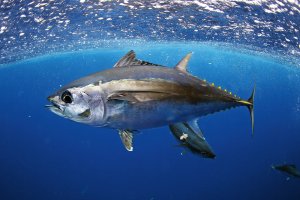
Tuna

124 Sightings
J
0
F
1
M
3
A
0
M
1
J
1
J
16
A
42
S
49
O
10
N
1
D
0

The best Months to dive in Azores

The Azores offers year-round diving opportunities, characterized by diverse marine life and unique underwater landscapes. The islands enjoy mild maritime weather, ensuring diving is possible throughout the year. Water temperatures range from 16°C–22°C/61°F–72°F, with the warmest conditions occurring between July and September. During these months, divers can experience pleasant underwater environments ideal for exploration. Visibility in the Azores varies, typically ranging from 15 to 30 meters/49 to 98 feet, depending on weather conditions. Autumn and winter can bring stronger winds and currents, slightly reducing visibility and making some dive spots less accessible. However, these conditions also attract larger pelagic species, offering a different diving experience. While diving is viable year-round, planning trips during the summer months may provide the most favorable conditions for divers seeking calm seas and warmer waters.

Dive Centers

Dive Sites