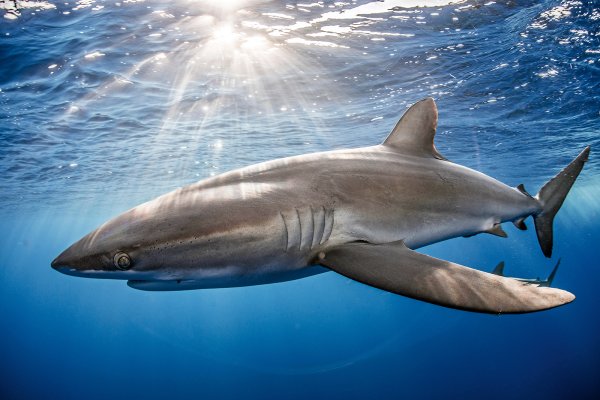
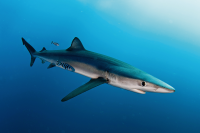
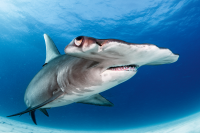
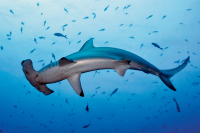
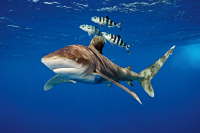
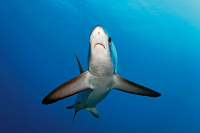
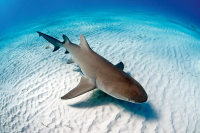
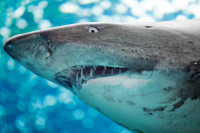
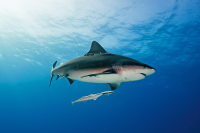
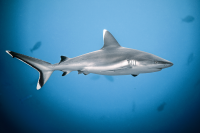
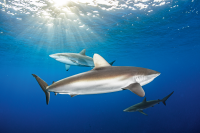
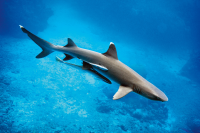
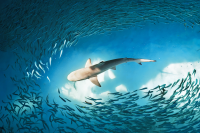
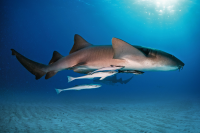
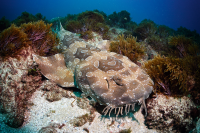
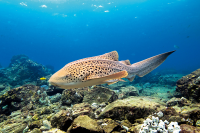
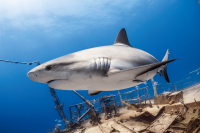
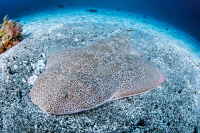
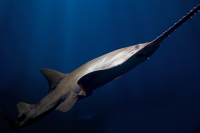
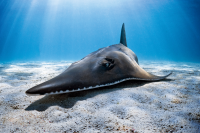
Unfortunately, the fear of sharks is common, mainly sparked by sensationalized stories, stereotyping, and films depicting them as dangerous killers. This couldn’t be further from the truth. In fact, most of these animals are extremely docile and non-aggressive. Out of the 440 different species, only three are responsible for most human attacks. The most well-known species are the Great White shark, Tiger shark, Hammerhead shark, Bull shark, and, of course, the Whale shark. You only have to dive with sharks once to see how fascinating these animals really are.
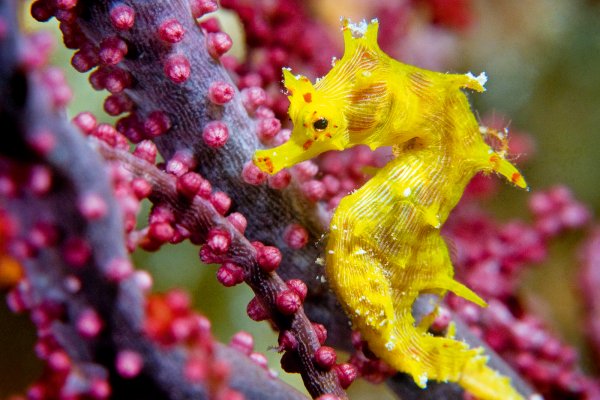
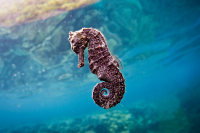
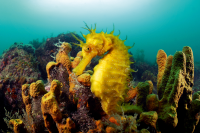
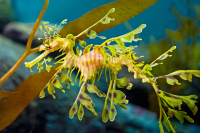
Seahorse is the generalized name given to 45 of the smallest fish species in the Hippocampus genus. Their name is derived from the distinctive, horse-like shape of their head and neck. They spend most of their time anchored by their tails to coral and plants. Each of their eyes can move independently, giving them the ability to watch for predators and search for food simultaneously. These creatures are incredible, mysterious, intriguing animals. They are also very illusive so keep your eyes open and maybe you’ll be lucky enough to dive with seahorses.
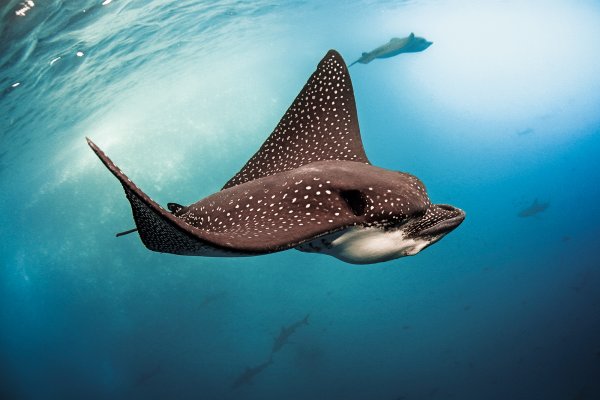
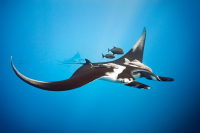
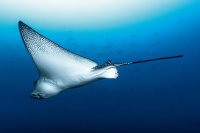
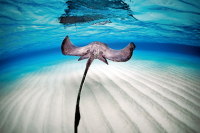
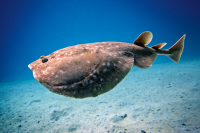
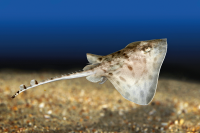
The world’s oceans are home to a wide variety of rays; over 500 different species spanning 13 families to be exact. With their cartilaginous bodies, rays are close cousins of the shark. They do differ, however, in their body shape, number of gill slits, and ways in which they swim and breathe. A ray’s tail is generally very long and skinny, and in many species equipped with a sharp, venomous barb which they use as their main line of defense. This makes it very important for divers who may be shore diving in areas containing stingrays to do the “stingray shuffle” when entering the water: they simply shuffle their feet along the bottom so as to gently push a stingray out of the way instead of stepping right on top of it.
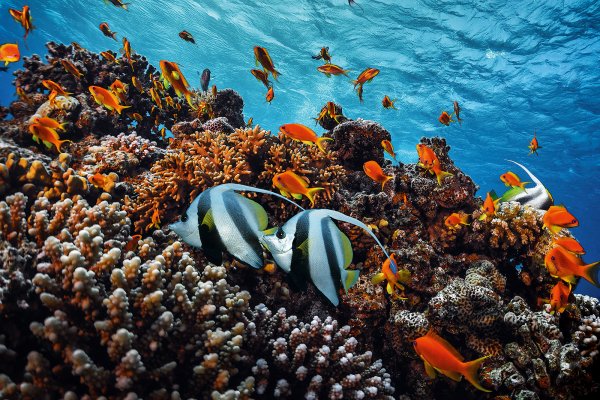
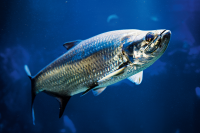
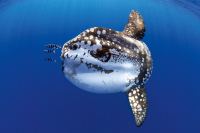
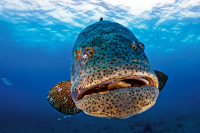
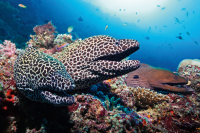
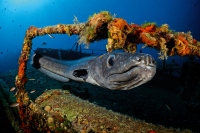
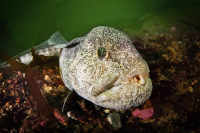
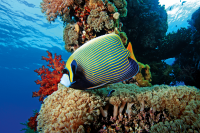
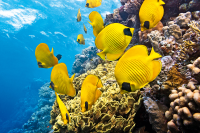
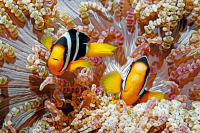
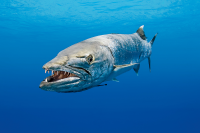
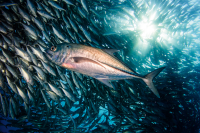
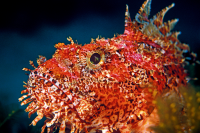
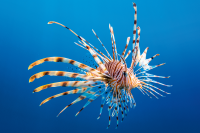
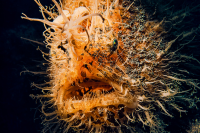
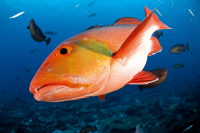
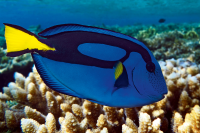
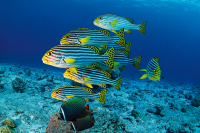
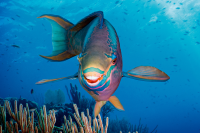
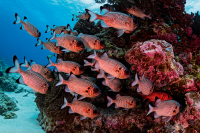
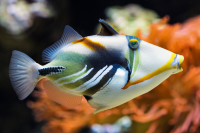
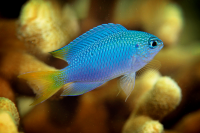
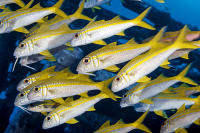
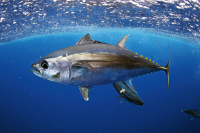
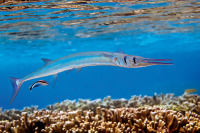
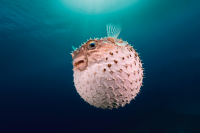
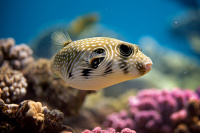
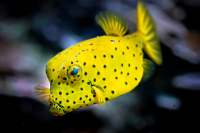
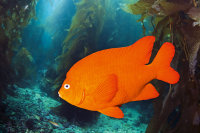
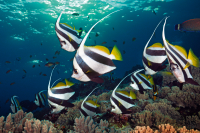
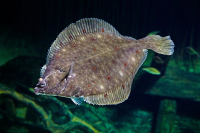
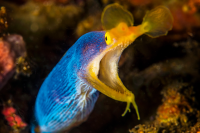
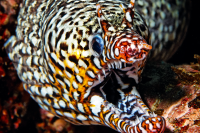
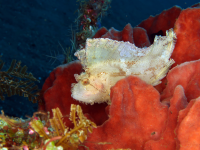
With over 20,000 different fish species living in the world’s oceans, saltwater bony fish are the most varied of all marine animals living in the sea. They can range in size from a 2-inch goby to the enormous ocean sun fish (or Mola mola), they can be brilliantly colorful to plain grey, can live solitary lives or school by the thousands, and can live in the shallowest of tropical waters to the coldest, deepest depths of the sea. There is no animal group on earth that can compare to the diversity of bony marine fish.
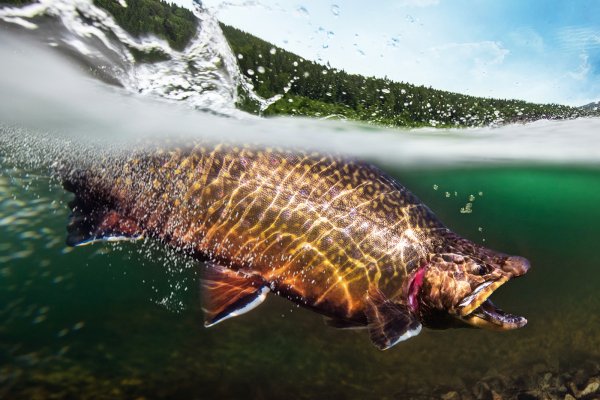
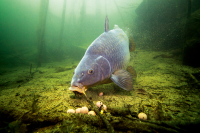
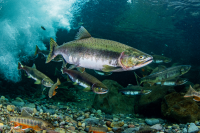
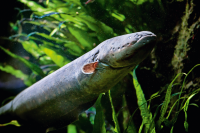
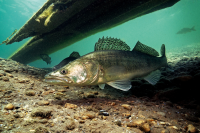
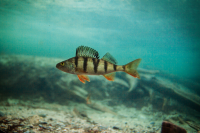
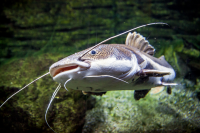
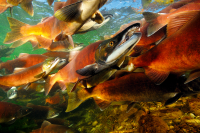
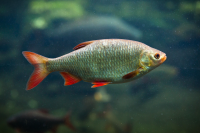
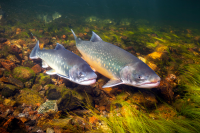
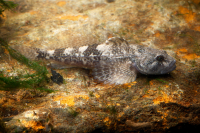
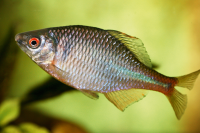
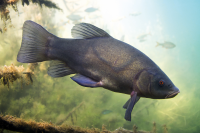
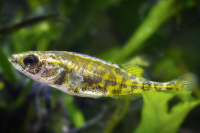
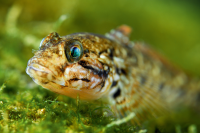
Freshwater fish are a diverse group of bony fish and are classified as living in freshwater areas like ponds, lakes, and rivers that have a salinity level of less than 1.05%. Although not as prevalent or colorful as saltwater fish, freshwater fish still make up nearly 41% of all fish with nearly 15,000 different species. Freshwater fish can survive in a wide variety of habitats depending on the species from the warm, flooding rivers of the Amazon rainforest to the frozen lakes of Northern Canada and are spread all across the globe.
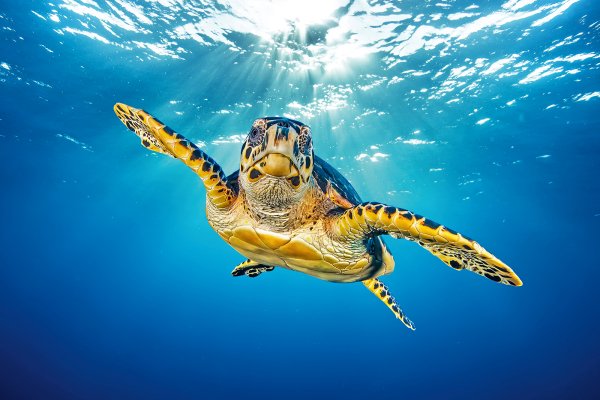
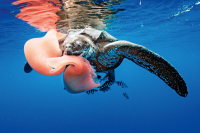
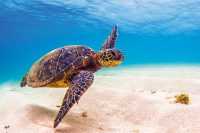
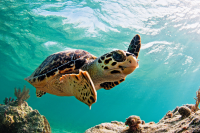
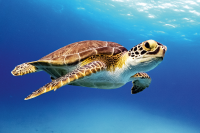
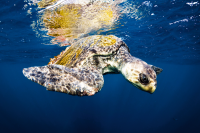
Underwater enthusiasts are always overjoyed to see a turtle while snorkeling or diving. These friendly-looking, ancient reptiles are found worldwide in tropical and subtropical areas. Sea turtles can live for up to 100 years and are believed to have existed here on earth for millions of years. Many facts about sea turtles are astonishing, but the most amazing is that female sea turtles return to the exact beach where they were born to lay their eggs. A journey that can cover thousands of kilometers, they dig their shallow nests in the sand with their flippers, an incredible achievement, and an awe-inspiring sight to see. Most locations where you can dive with sea turtles are also where you can sneak a peek at this miraculous egg-laying practice that is as old as time itself.
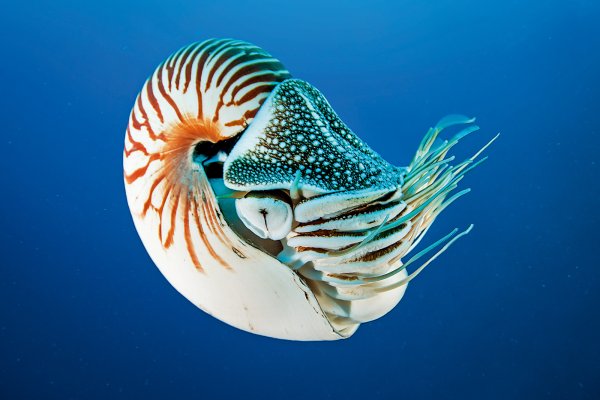
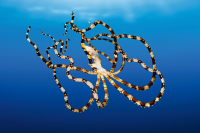
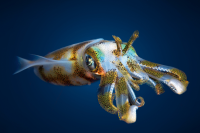
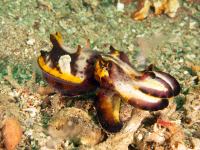
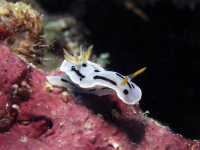
Soft-bodied mollusks are the second-largest group of animals on the planet, after the phylum Arthropoda, with nearly 100,000 described species worldwide. These invertebrates encompass an incredibly diverse group of creatures. Characteristic of their hard exoskeleton, some mollusks with distinct shell coverings like snails, clams, oysters, and scallops are apparent. Still, others are not, as they lack a visible shell like the octopus, squid, and sea slug. Although mollusks make up 23% of all marine organisms, many of them have adapted to living in freshwater and on land. Found in nearly every body of water on earth, both fresh and salt, mollusks range in size from the world’s smallest snail in Borneo to the giant squid found in the deepest parts of the ocean.
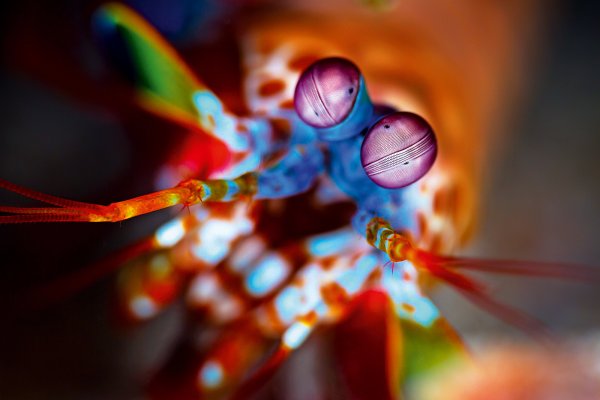
Crustaceans are a remarkably diverse group of hard-shelled, primarily aquatic animals that include crabs, lobsters, shrimp, prawns, krill, and barnacles. While the majority inhabit saltwater environments, crustaceans are not limited to the oceans. Several species thrive in freshwater and even terrestrial habitats.
Freshwater ecosystems host a surprising variety of crustaceans. For example, the cenotes of Mexico are home to unique, endemic shrimp species that have adapted to life in these secluded, underground freshwater systems. Additionally, numerous species of crayfish—many of which are found only in specific regions—flourish in rivers, lakes, and wetlands around the world.
Crustaceans inhabit every marine environment, from shrimp and prawns swimming freely in the open ocean to barnacles clinging to rocks, piers, and ship hulls. They can be found from the water’s surface, where krill drift in vast swarms, to the crushing depths of the ocean’s deepest trenches, where shrimp-like creatures scavenge in darkness.
With over 50,000 known species and new ones being discovered regularly, crustaceans represent one of the most varied and ecologically important animal groups on Earth.
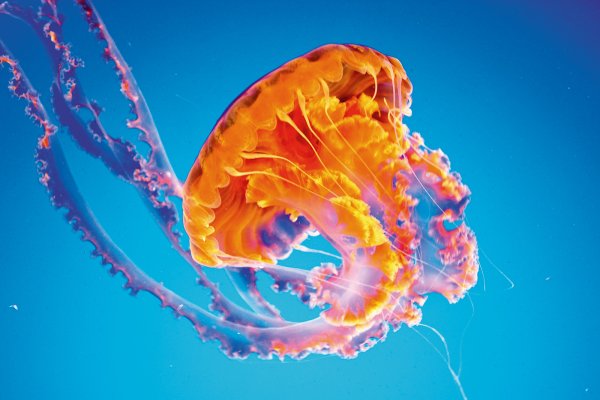
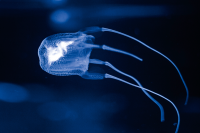
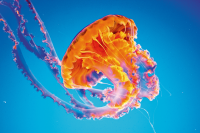
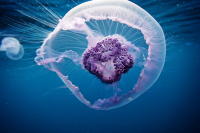
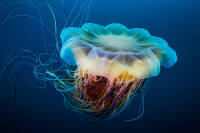
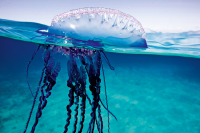
Jellyfish drift gracefully through all the world’s oceans—from the warm, turquoise waters of the Caribbean to the icy depths of the Arctic. Their mesmerizing, undulating movements and delicate tentacles make them some of the most captivating marine creatures to observe.
Despite their beauty, jellyfish are surprisingly simple animals. They have no brains, blood, or hearts and are composed of about 95% water and only 5% solid matter. This unique structure allows them to move as if they are one with the currents, effortlessly navigating their aquatic environment.
Although typically associated with the ocean, some species of jellyfish can also be found in freshwater environments. These freshwater jellyfish are much smaller than their saltwater relatives and are completely harmless to humans. They add to the surprising diversity of life in lakes, ponds, and slow-moving rivers.
It’s important to remember that while many jellyfish pose no threat, all jellyfish species have venomous tentacles—some so mild humans barely notice them, others capable of delivering painful or even dangerous stings. Species like the box jellyfish can be life-threatening, making it vital to understand the jellyfish native to any area where you’re diving or swimming. Wearing appropriate exposure protection is always recommended to reduce the risk of stings.
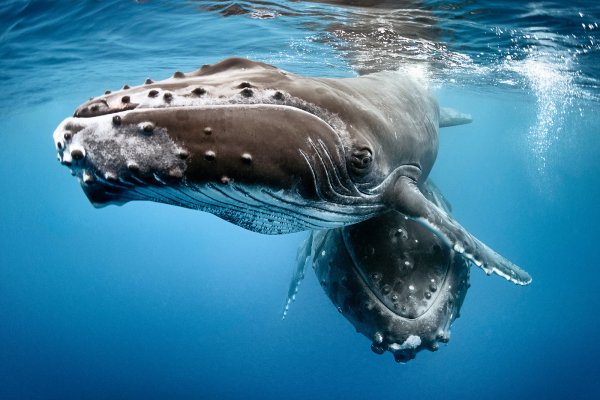
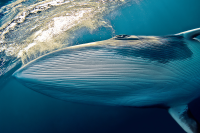
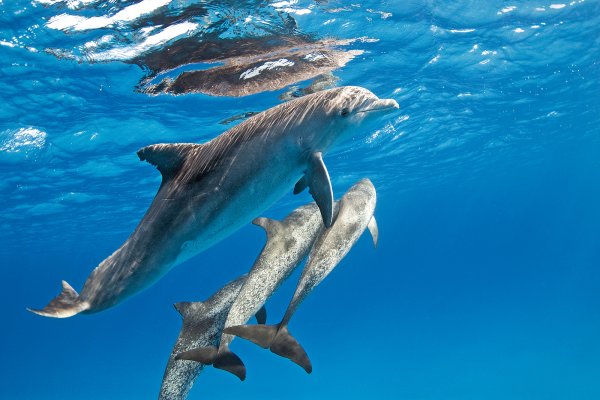
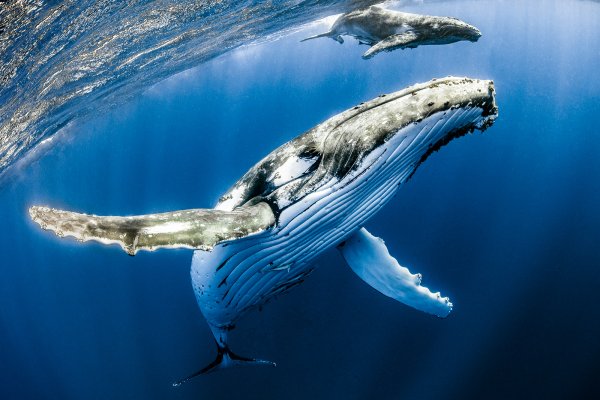
Whales, the largest mammals on earth and record setters in breath-hold diving, can be found in all the world’s oceans. They are more scientifically known as cetaceans, which include all whale, dolphin, and porpoise species. There are approximately 90 cetacean species, the most well-known being the Blue Whale, Sperm Whale, Humpback Whale, Minke Whale, Orca (also known as the Killer Whale), and dolphins. Cetaceans are very social animals and often live together in groups called pods. It is an extraordinary adventure to dive with whales and dolphins and to experience their social behavior directly underwater.
Who doesn’t dream of diving with dolphins? Not shy and very playful, they are as curious about us as we are about them. What would be better while diving than playing with dolphins? These toothed whales are highly intelligent animals with a personality all their own, often living together in large pods. They exhibit many human traits such as mourning the dead of their conspecifics, learning from one another, trying to impress their females with gifts, joy, playfulness, empathy, etc.
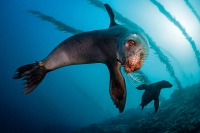
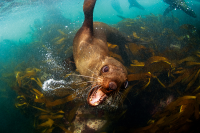
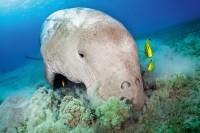
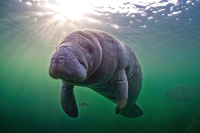
When most people think of mammals while diving, whales and dolphins come to mind. These fast-swimming cetaceans may enjoy iconic status, but the world of mammals seen while diving is far more diverse and fascinating than many realize. In addition to whales and dolphins, this group also includes pinnipeds such as seals and sea lions, the gentle manatees, and the ever-charismatic sea otters. These animals can be found in a wide variety of habitats—from the sun-drenched tropics to the icy expanses of the polar seas. While most marine mammals live in saltwater, there are exceptions that bring their charm to freshwater ecosystems. Playful freshwater otters and seals can be found in rivers and lakes in many parts of the world. Whether diving in the ocean or exploring freshwater habitats, encountering these animals in the wild is an exciting and unforgettable experience.