Flores
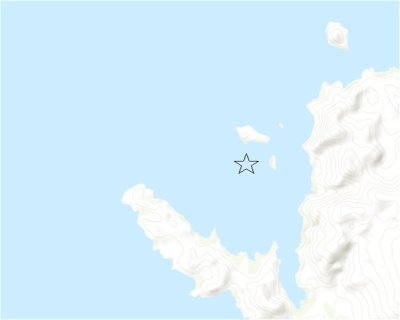
The island of Flores offers superb diving, spectacular scenery and a unique blend of cultures.
In the Lesser Sunda Islands lies East Nusa Tenggara, which consists of more than 500 islands stretching from Komodo all the way to West Timor. The islands of Flores to Alor are volcanic, creating excellent conditions for species rich marine ecosystems while Sumba, Savu, Roti and West Timor are uplifted coral limestone. This makes East Nusa Tenggara diving intoxicating as you are thrilled with the prospect of discovering rare marine life and dive sites with diverse topography.
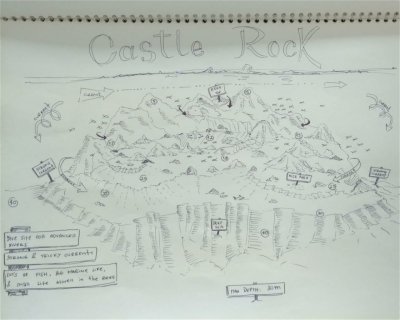
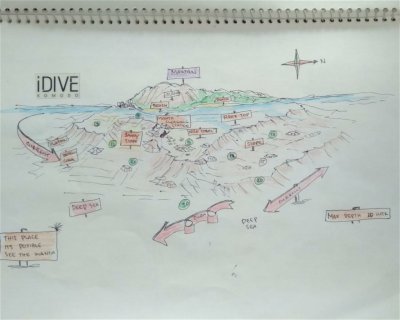
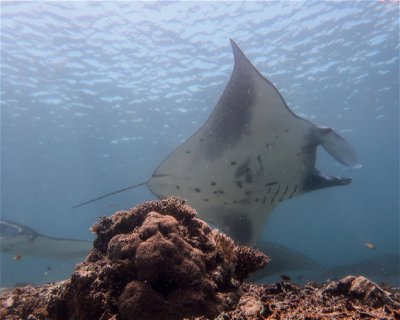
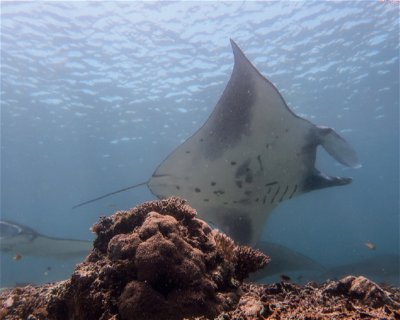
In Flores, you can drift in challenging currents among manta rays at pinnacles, walls and deep drop-offs or head to Maumere in search of an endless list of macro life. Alor and its surrounding islands, Lembata and Pantar, offer negative entries onto seamounts while the option of diving calm coral reefs is always available. The Savu Islands are declared a marine park, providing the chance to dive with whales, dolphins, dugongs while Rote is an untouched frontier with only one dive resort to choose from. Diving in West Timor, will find you in muck dives searching for mandarin fish and sea moths or shadowed by towering walls spotting reef sharks.
While scuba diving in East Nusa Tenggara you’ll find many areas have limited dive resorts and dive centres. Yet Labuan Bajo, the gateway to Komodo National Park has many and dive courses are a popular option. To experience East Nusa Tenggara diving to the full, liveaboards run year-round visiting dive sites unknown to daily trip boats.
East Nusa Tenggara, a hidden gem in Indonesia, offers thrilling dive experiences for adventurers. Among its top sites is the USS Liberty Wreck in Tulamben, a shore dive renowned for its accessibility and vibrant marine life. Divers can explore the sunken vessel, now a thriving artificial reef teeming with colorful fish and corals.
For those seeking unique encounters, the Komodo National Park is a must-visit, where night dives reveal bioluminescent wonders and the chance to spot the elusive Mandarin fish. The region offers a balance between shore and liveaboard options, allowing divers to tailor their adventures. From the rich biodiversity to the array of dive sites, East Nusa Tenggara stands out as a premier diving destination.
East Nusa Tenggara offers year-round diving opportunities with vibrant marine life and diverse underwater landscapes. Water temperatures typically range from 26°C–29°C/79°F–84°F, perfect for diving during most months. Visibility can reach up to 30 meters/98 feet, providing clear views of the colorful reefs and abundant sea life.
The best diving conditions are generally from April to November, when the weather is calmer with less wind and currents. However, December to March can present challenges due to the rainy season, which may bring stronger currents and reduced visibility. Despite these conditions, experienced divers can still enjoy diving throughout the year, although less favorable periods should be approached with caution and proper planning.
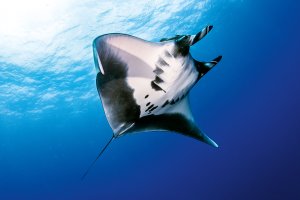
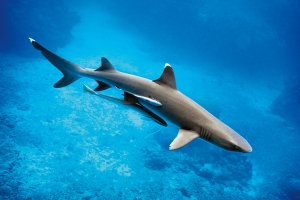
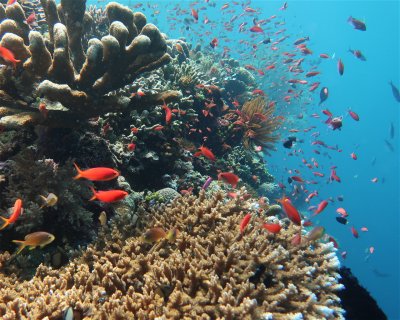
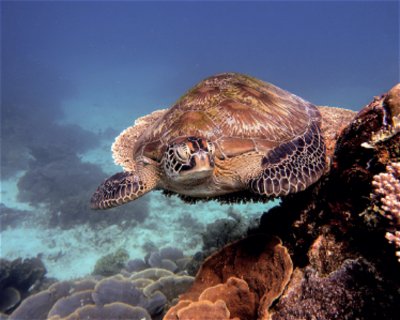
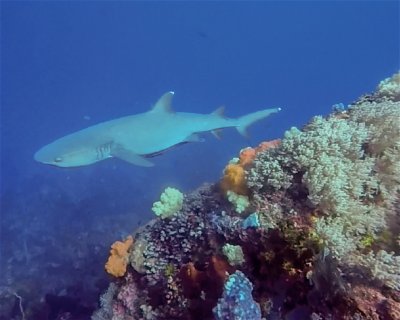
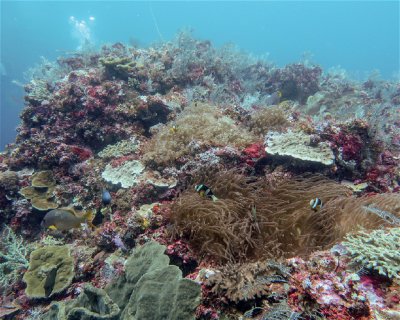
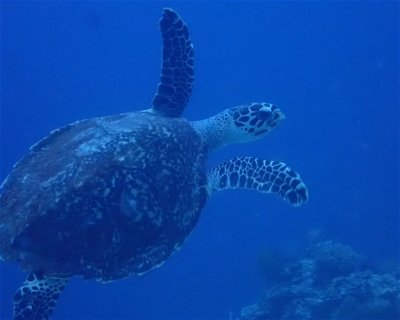
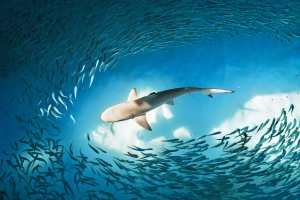
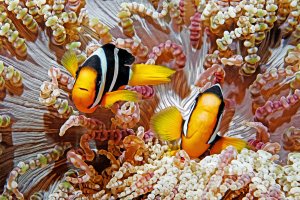
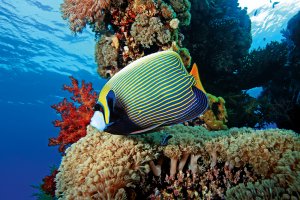
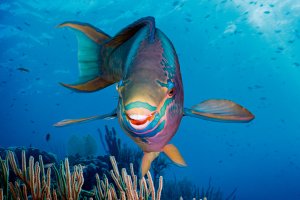
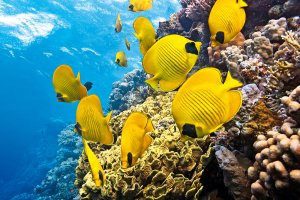
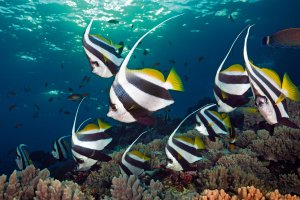
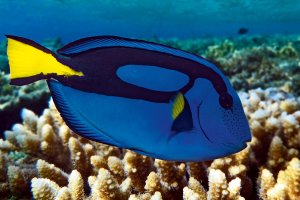
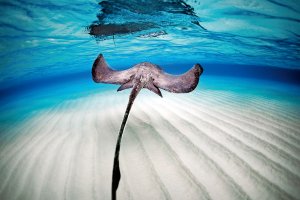
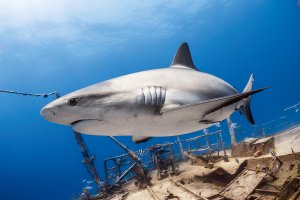
East Nusa Tenggara, part of the Indonesian archipelago, boasts a rich marine biodiversity, making it a diver's paradise. The coral reefs are teeming with vibrant species like butterflyfish, angelfish, and clownfish, offering a colorful underwater spectacle. In addition to these common reef inhabitants, divers can often encounter larger marine life depending on the season and location. Notable sightings include reef sharks, which are frequently spotted around Komodo National Park, particularly between May and September. Sea turtles, such as the green and hawksbill turtles, are commonly seen year-round in areas like Alor and Flores. Rays, including the majestic manta rays, are often seen near the reefs of Komodo and Rinca islands, with peak encounters occurring from April to November. These diverse and abundant marine life forms make East Nusa Tenggara a must-visit destination for underwater explorers.
Wildlife Sightings are Based on User Generated Content
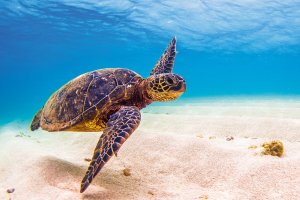
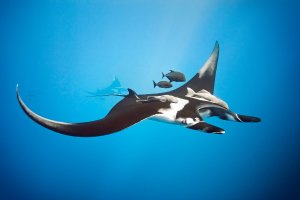
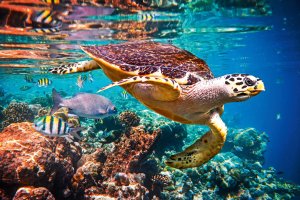
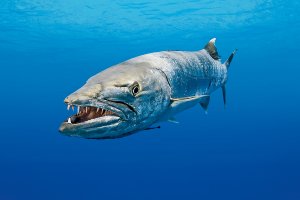
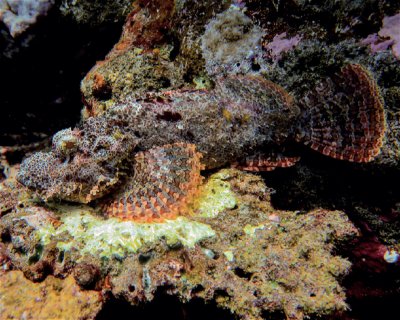
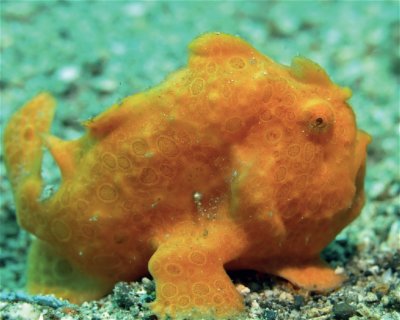
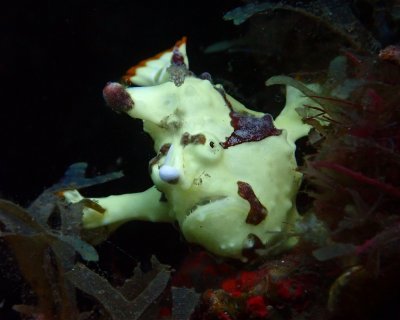
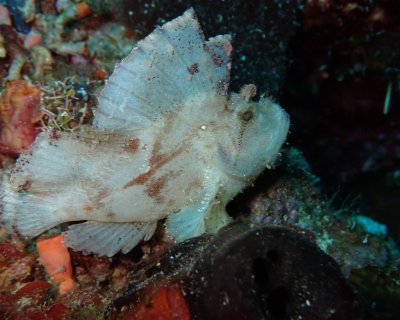
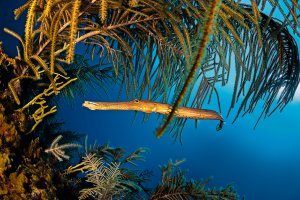
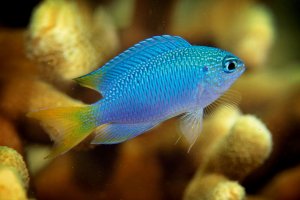
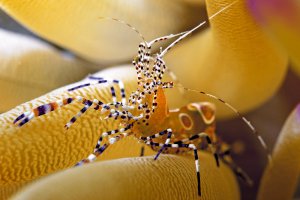
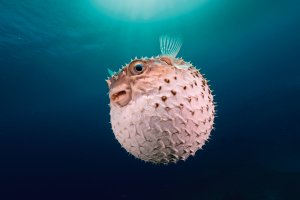
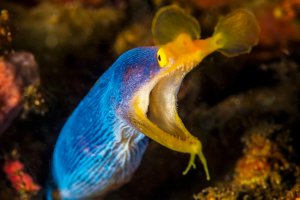
The image shown is a representative illustration and does not depict every individual animal in this category.
Total number of species approx.: 200
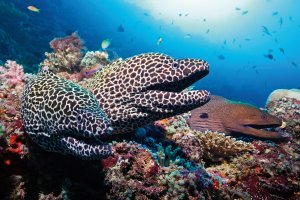
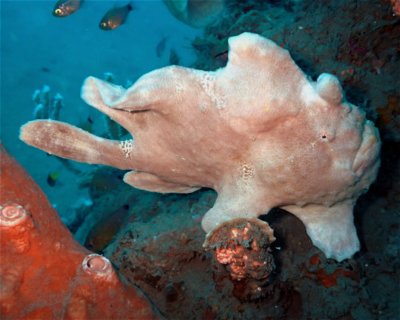
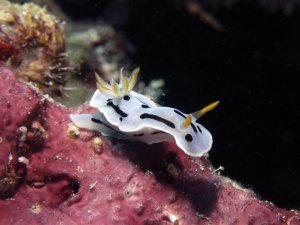
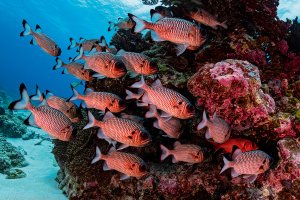
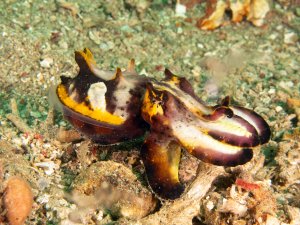
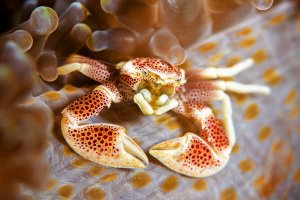
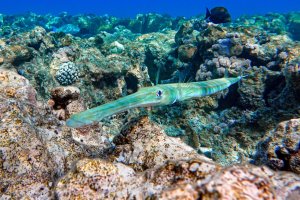
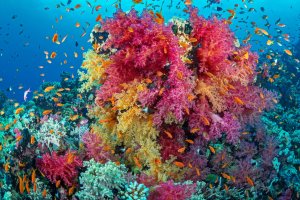
The image shown is a representative illustration and does not depict every individual animal in this category.
Total number of species approx.: 600
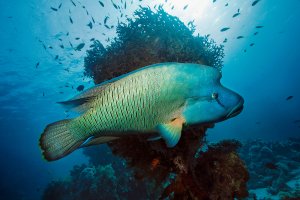
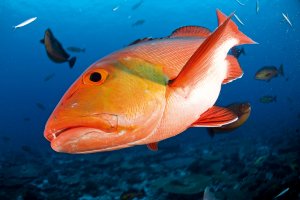
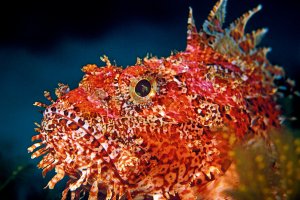
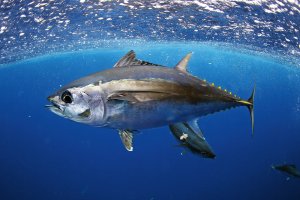
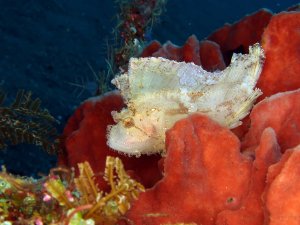
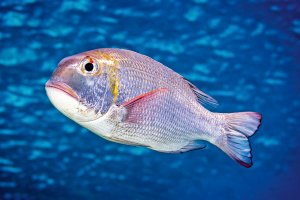
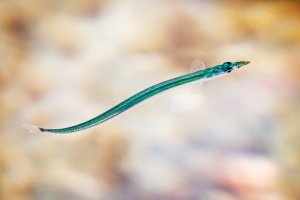
The image shown is a representative illustration and does not depict every individual animal in this category.
Total number of species approx.: 25
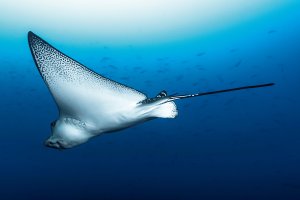
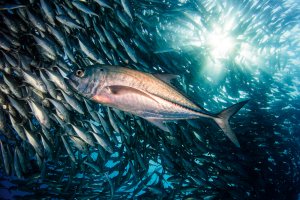
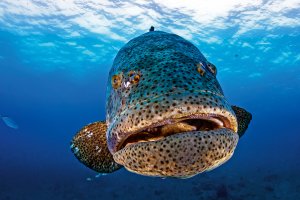
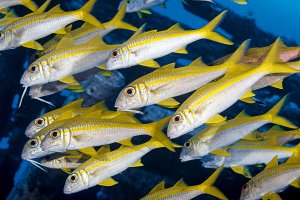
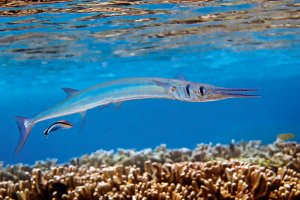
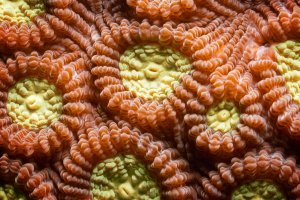
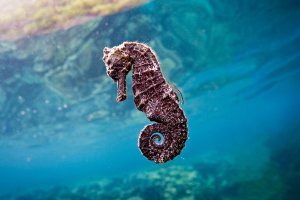
The image shown is a representative illustration and does not depict every individual animal in this category.
Total number of species approx.: 300
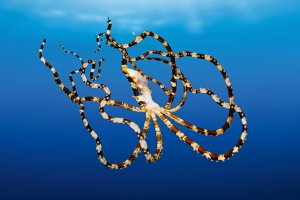
The image shown is a representative illustration and does not depict every individual animal in this category.
Total number of species approx.: 27