Tap Lamu, Khao Lak and Bang Niang
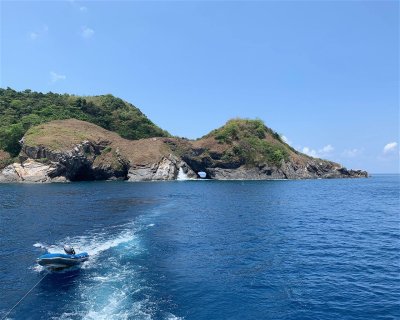
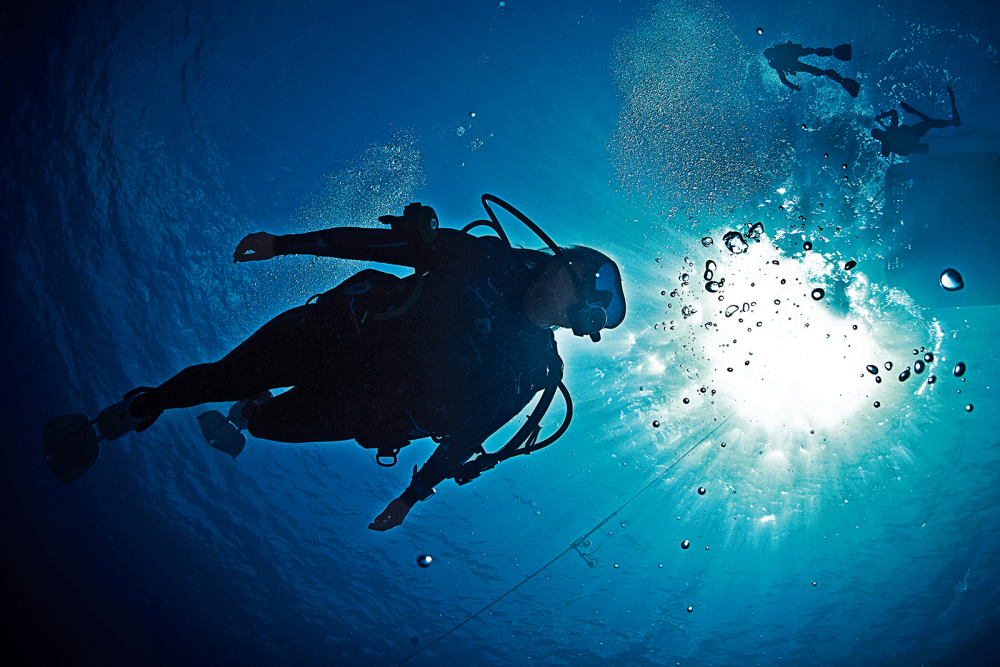
Around Khao Lak there are some great local dive sites revealing fascinating wrecks that divers of every ability can enjoy.
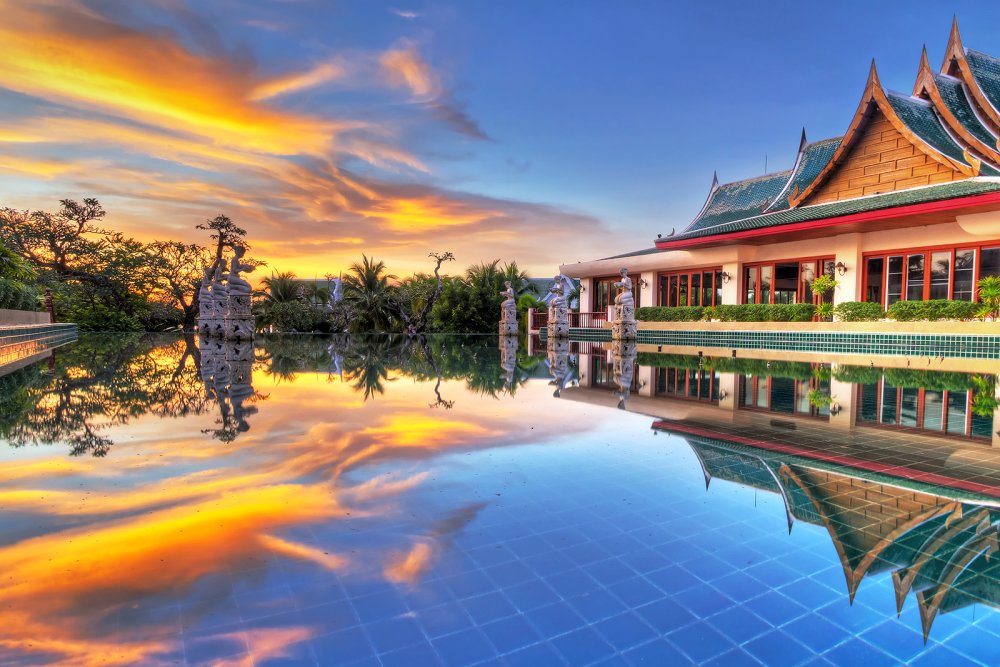 © iStock/Mustang_79
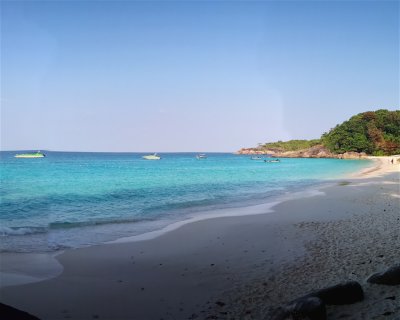
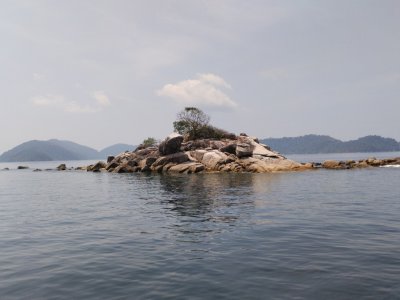
Nestled in southern Thailand's Phang-nga province, Khao Lak offers an idyllic diving experience with its serene beaches and vibrant underwater landscapes. This tranquil coastal town, away from the bustling crowds of nearby Phuket, is a paradise for divers seeking a more relaxed atmosphere. With over 12 miles (20 km) of pristine white sandy beaches and lush tropical forests, Khao Lak presents a perfect blend of natural beauty and aquatic adventure.
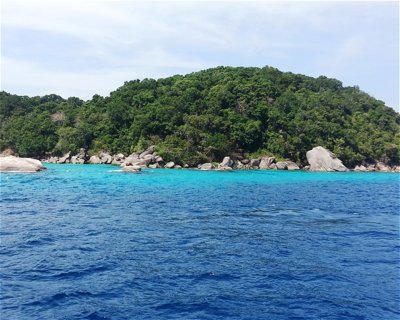
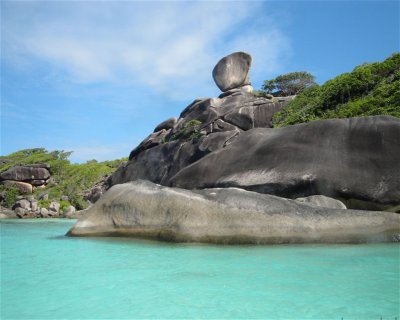
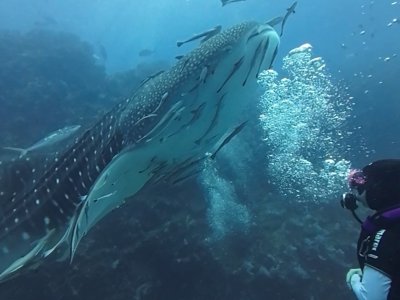
One of the highlights of diving in Khao Lak is the access to the world-renowned Similan and Surin Islands. These islands, considered among the top diving destinations globally, boast stunning coral reefs, submerged rock formations, and intriguing wrecks. The Similan Islands, with visibility ranging from 20 to 30 meters (65–98 feet), are known for their dramatic underwater scenery and rich marine biodiversity, making them a must-visit for any diving enthusiast. Liveaboards offer the best way to explore these islands, providing an immersive experience where divers can encounter whale sharks at Richelieu Rock or marvel at the vibrant coral gardens of Koh Torinla.
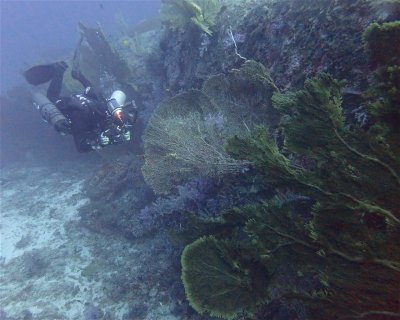
Back in Khao Lak, divers can explore a variety of dive sites, including four fascinating wrecks and colorful coral reefs teeming with marine life. The waters are typically clear and warm, with mild currents that accommodate divers of all skill levels. Whether embarking on a day trip or a longer liveaboard safari, Khao Lak promises an unforgettable diving experience filled with enchanting marine encounters and breathtaking underwater vistas.
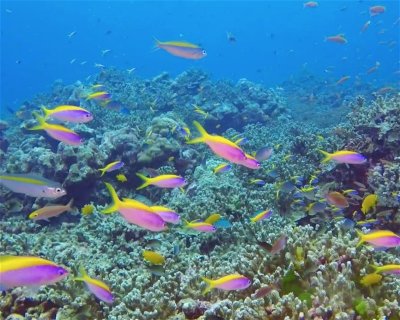
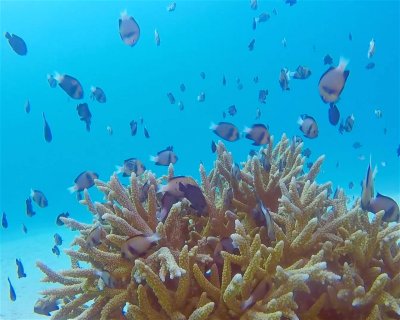
Reef diving is common practice in Khao Lak, due to its abundant, thriving reefs that host a ton of tropical marine species. The Similan Islands are the most visited in the area, and are protected marine reserves. As a result, the reef dive sites here are phenomenally healthy and appear to be thriving, so it’s really no surprise that divers flock from around the world to experience the underwater wonderlands that are submerged around these islands.
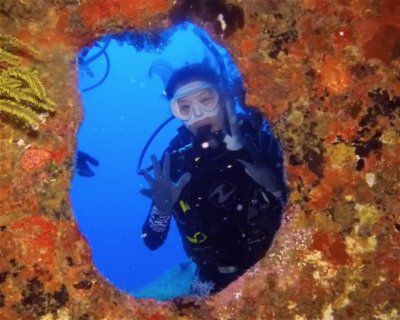
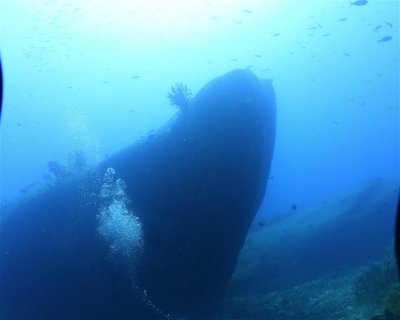
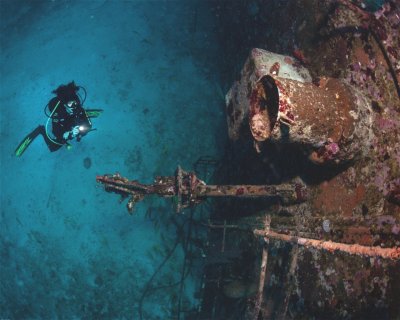
Wreck diving is also very popular in and around Khao Lak, where seasoned divers come to marvel at encrusted shipwrecks that serve as artificial reefs, hosting tons of life, from macro all the way up to larger creatures. Must-see wreck sites include the Bunsoong Wreck, which is the most famous. It’s an old tin ore processor that sank in 1984, and has since been completely taken over by mother nature. The Sea Chart I Wreck is an 84-meter long ship that’s only young, as it sank in 2009. There’s also the Premchai Wreck, which was a tin dredger that sank in 2001, and remains mostly intact. Finally, there’s the T13, which sank in 2014 outside Khao Lak Beach.
As Khao Lak enjoys a stunning tropical climate, the diving is great all year round. The three seasons include the slightly cooler season that runs from November to March, which is also the high tourist season; a very hot season that lasts from April to May; and finally the monsoon season that typically starts in June and ends in October, which is the lowest season in terms of tourism.
The best time to visit, particularly for divers, is often said to be the cooler peak season, between November and March, as the weather is usually warm and sunny, and much less humid. Ocean conditions are similarly welcoming during this time, with calmer waters and better visibility.
No matter the season, the Andaman sea normally fluctuates between 28°C-31°C (82°F-88°F), meaning diving is comfortable all year round. February and March can experience slightly cooler temperatures in some areas, due to nutrient-rich currents bringing in colder waters. But this isn’t a bad thing, as these waters attract large pelagics to the dive sites.
While diving is possible throughout the year, it’s important to be aware that the most popular attractions, the Similan and Surin Islands, are closed from May to October.
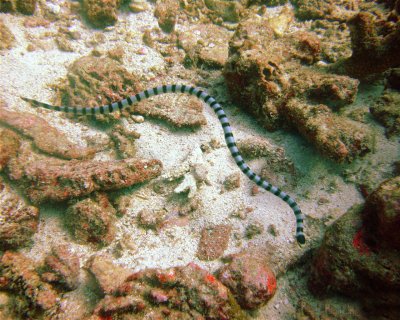
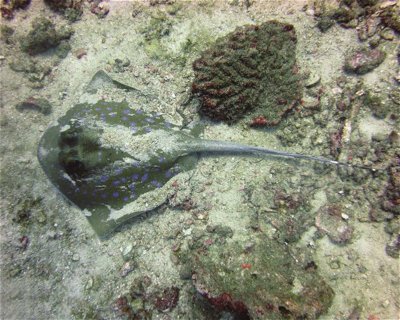
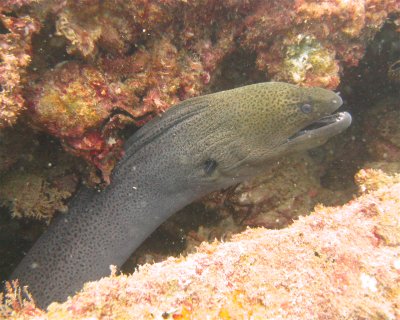
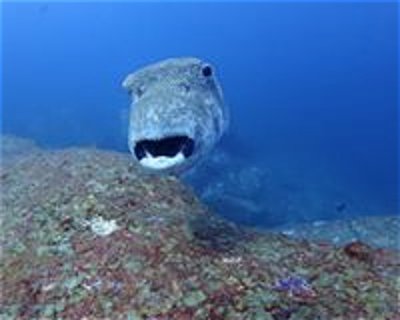
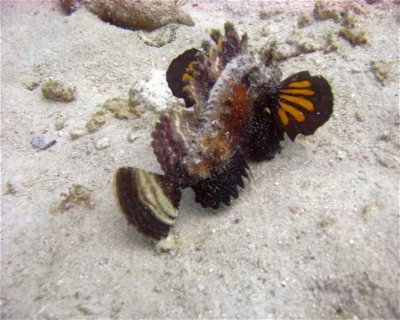
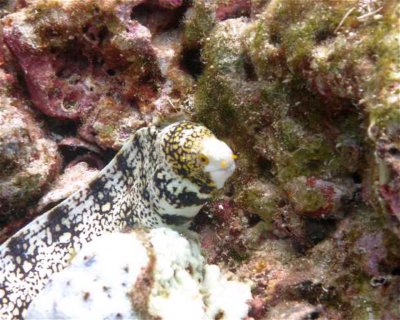
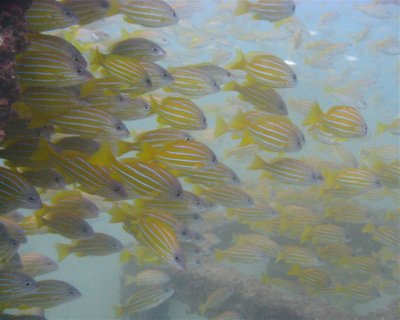
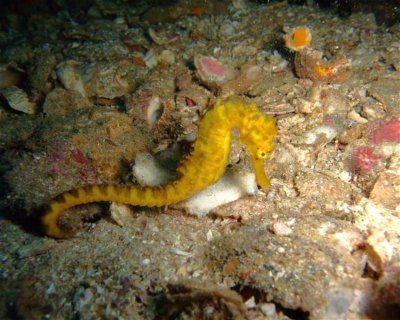
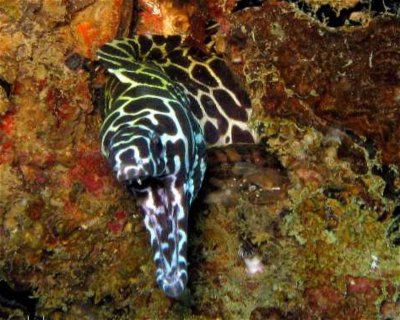
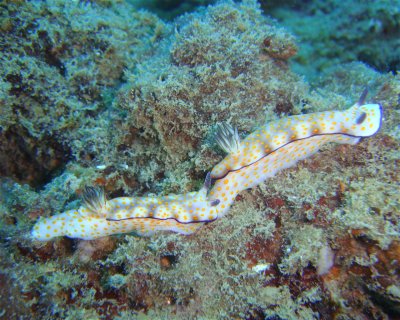
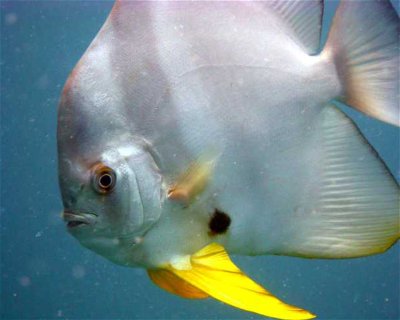
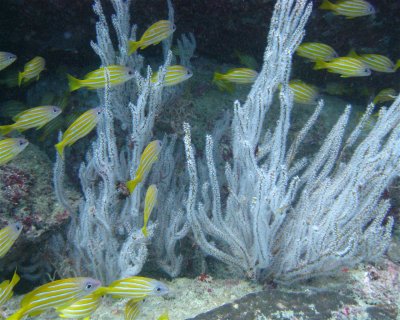
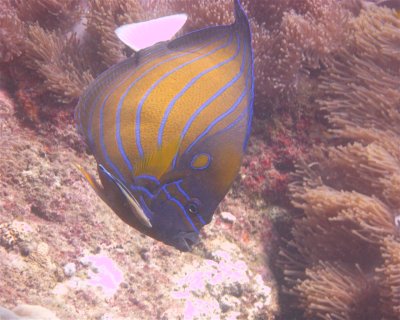
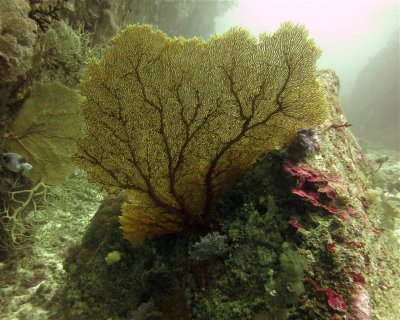
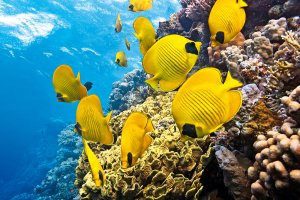
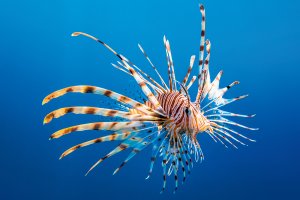
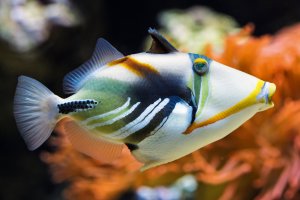
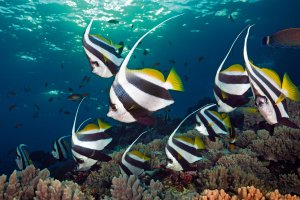
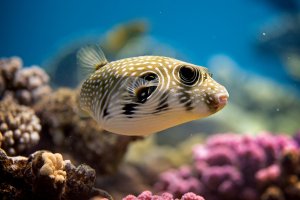
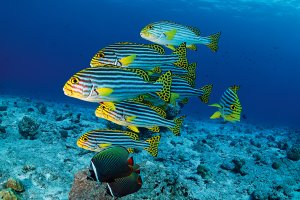
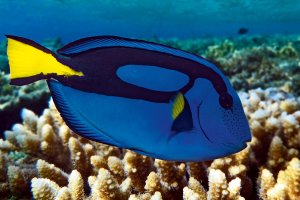
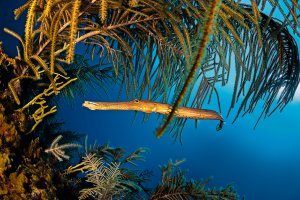
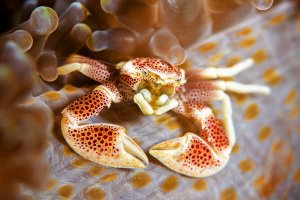
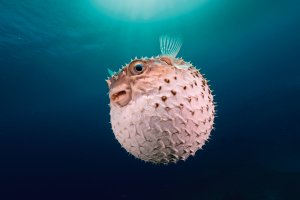
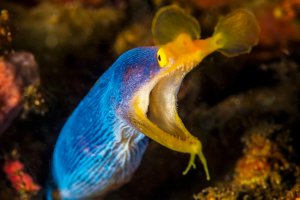
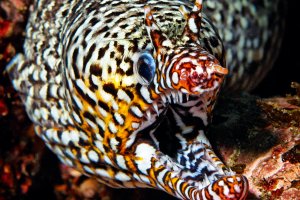
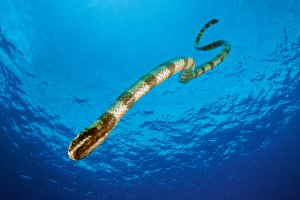
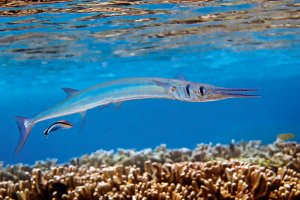
As is typical in this tropical part of the world, the marine life in Khao Lak, the Similan Islands and the Mergui Archipelago absolutely stunning. Your mask will be fogged by vibrant coral reefs populated by colorful hard and soft corals, sea anemones and sea fans of varying species. A whole host of diverse marine life can be seen, including macro creatures like nudibranch, shrimp, seahorses and frogfish, and also an array of magnificent reef species, like angelfish, lionfish, wrasse, triggerfish, grouper, moray eels, batfish,
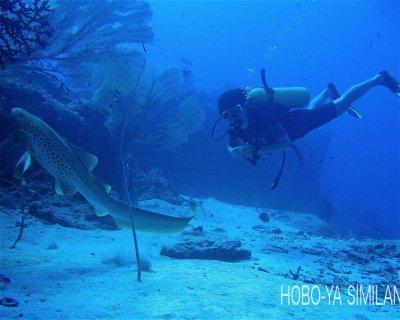
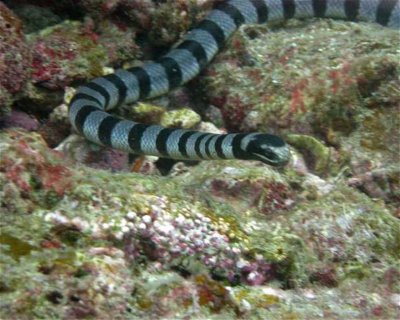
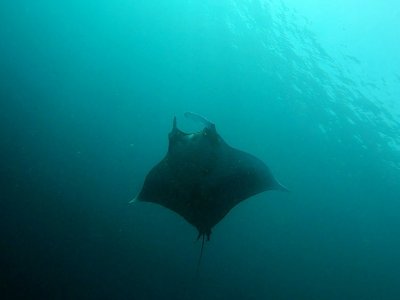
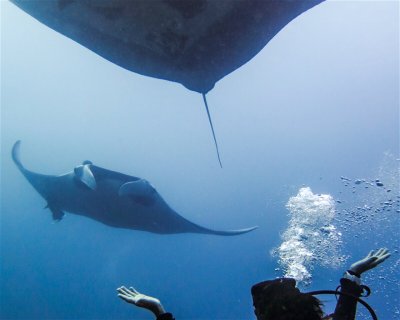
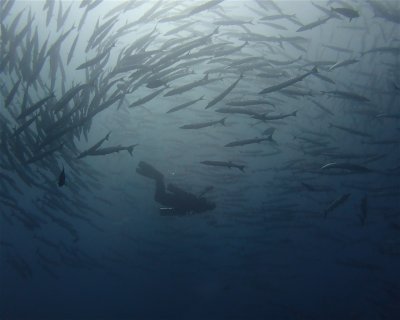
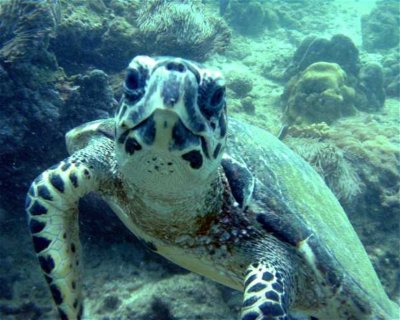
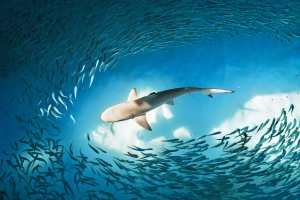
scorpionfish, pufferfish, octopus, cuttlefish, squid, pipefish, anemonefish, jellyfish, sea snakes, stingrays and countless more. Schooling fish like snapper and barracuda are seen in numbers, while turtles and sharks similarly thrive here, including black and white tip reef sharks. The much-loved manta ray and whaleshark also make appearances, although only to lucky divers.
Wildlife Sightings are Based on User Generated Content
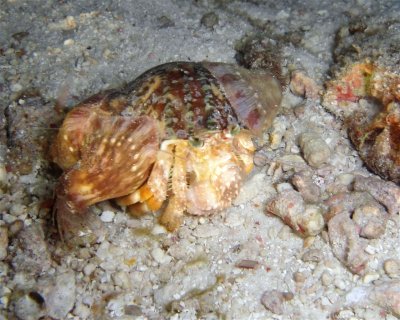
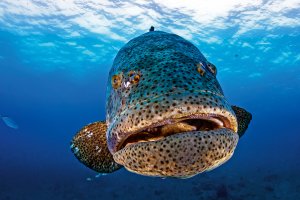
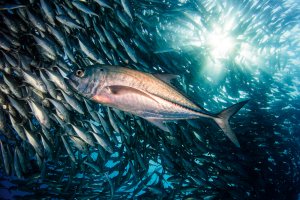
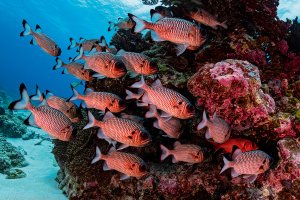
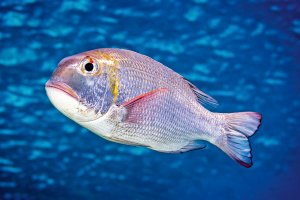
The image shown is a representative illustration and does not depict every individual animal in this category.
Total number of species approx.: 200
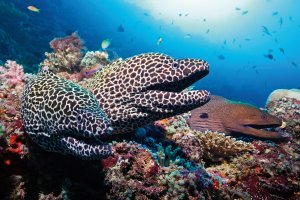
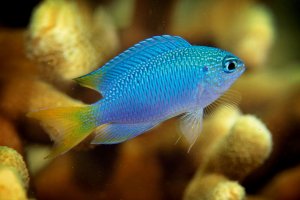
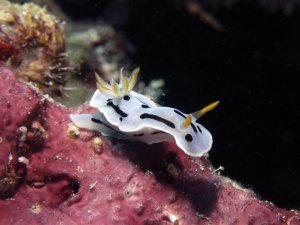
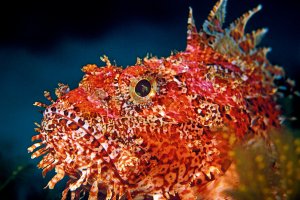
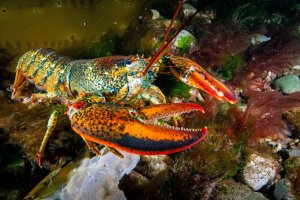
The image shown is a representative illustration and does not depict every individual animal in this category.
Total number of species approx.: 27
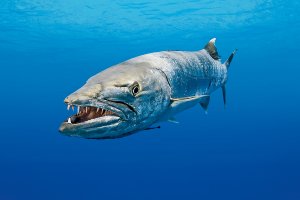
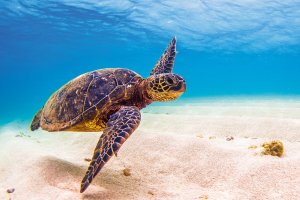
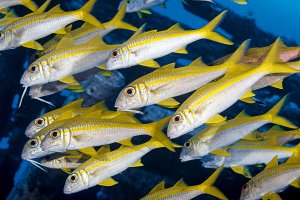
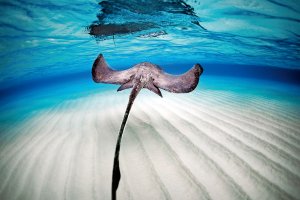
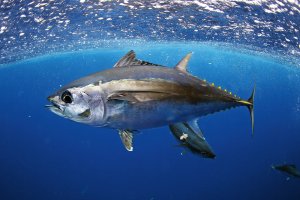
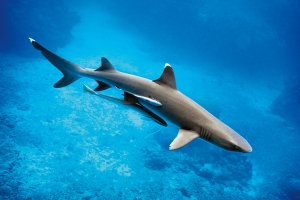
The image shown is a representative illustration and does not depict every individual animal in this category.
Total number of species approx.: 300
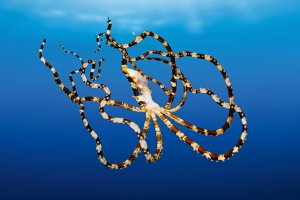
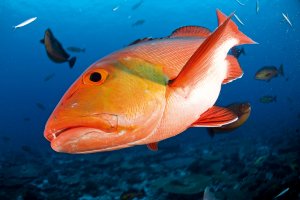
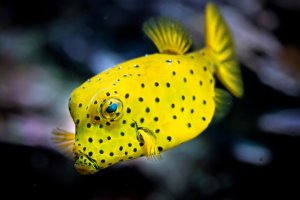
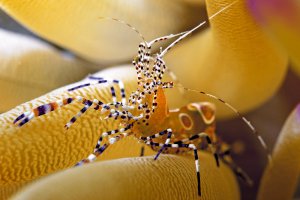
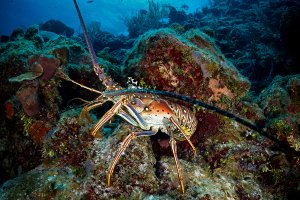
The image shown is a representative illustration and does not depict every individual animal in this category.
Total number of species approx.: 600
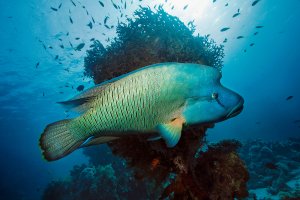
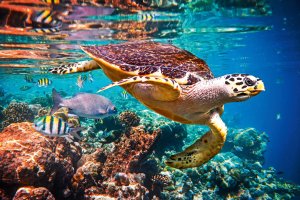
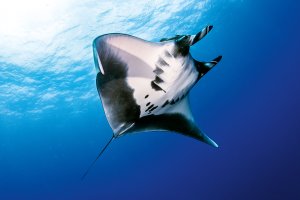
The image shown is a representative illustration and does not depict every individual animal in this category.
Total number of species approx.: 100
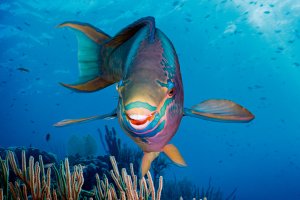
The image shown is a representative illustration and does not depict every individual animal in this category.
Total number of species approx.: 28
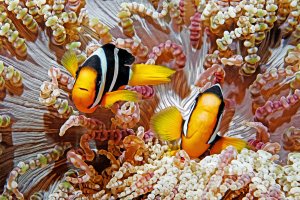
The image shown is a representative illustration and does not depict every individual animal in this category.
Total number of species approx.: 90
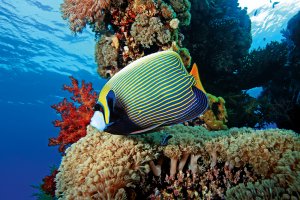
Curated by Interest
Mares
Aqualung
Shutterstock-Zi Magine
Mares-Predrag Vuckovic
Scubapro
Shutterstock-Ethan Daniels
Mares-Predrag Vuckovic
Mares-Bjoern Dorstewit

This globally recognized certification program is the best way to begin your lifelong adventures as a certified scuba diver. Personalized training is combined with in-water prac...
Show Offer
NORTH ANDAMAN ROUTERichelieu - Similan - Koh BonFebruary 10-15, 2027⛴️ MV SummerDay 1 - February 1017:00 Depart by plane to Phuket(Recommended flights before 5:30 PM)19:00 D...
Show OfferThis globally recognized certification program is the best way to begin your lifelong adventures as a certified scuba diver. Personalized training is combined with in-water prac...
Show OfferThis globally recognized certification program is the best way to begin your lifelong adventures as a certified scuba diver. Personalized training is combined with in-water prac...
Show Offer
Spend seven days learning to dive while exploring sea turtle ecology, conservation and citizen science with Big Blue Diving Khao Lak and Andaman Turtle Watch (ATW).This programm...
Show Offer
Spend seven days developing your diving skills while exploring sea turtle ecology, conservation and citizen science with Big Blue Diving Khao Lak and Andaman Turtle Watch (ATW)....
Show Offer
This globally recognized certification program is the best way to begin your lifelong adventures as a certified scuba diver. Personalized training is combined with in-water prac...
Show Offer
Many of the world's best dive sites are located on wrecks. Over the course of time, countless sea creatures have conquered these impressive structures as habitats, so that you d...
Show OfferThe Divemaster program is the first step on an exciting journey. Earn the respect of your dive buddies and become an ambassador for diving by taking the Divemaster program. All ...
Show Offer
Depth: 5 – 25 m Travel time: approx. 90 min Level: All levels National Park: fees extraColourful soft corals, turtles and the famous limestone cliffs of Maya Bay. Dives: 3 Dur...
Show Offer
NORTH ANDAMAN ROUTERichelieu - Similan - Koh BonFebruary 10-15, 2027⛴️ MV SummerDay 1 - February 1017:00 Depart by plane to Phuket(Recommended flights before 5:30 PM)19:00 D...
Show OfferIf you cannot decide which specialty programs are the best choice for you, join the SSI Advanced Open Water Diver program! With this program, you can try a variety of specialtie...
Show OfferThis globally recognized certification program is the best way to begin your lifelong adventures as a certified scuba diver. Personalized training is combined with in-water prac...
Show OfferThis globally recognized certification program is the best way to begin your lifelong adventures as a certified scuba diver. Personalized training is combined with in-water prac...
Show Offer
Join Big Blue Diving on a 5-day, 4-night liveaboard exploring the Andaman Sea, combining high-quality recreational diving with sea turtle ecology, conservation education and cit...
Show Offer
Spend seven days developing your diving skills while exploring sea turtle ecology, conservation and citizen science with Big Blue Diving Khao Lak and Andaman Turtle Watch (ATW)....
Show OfferThe Divemaster program is the first step on an exciting journey. Earn the respect of your dive buddies and become an ambassador for diving by taking the Divemaster program. All ...
Show Offer
Depth: 5 – 25 m Travel time: approx. 90 min Level: All levels National Park: fees extraColourful soft corals, turtles and the famous limestone cliffs of Maya Bay. Dives: 3 Dur...
Show Offer
Join Big Blue Diving on a 5-day, 4-night liveaboard exploring the Andaman Sea, combining high-quality recreational diving with sea turtle ecology, conservation education and cit...
Show Offer
Spend seven days learning to dive while exploring sea turtle ecology, conservation and citizen science with Big Blue Diving Khao Lak and Andaman Turtle Watch (ATW).This programm...
Show Offer
Spend seven days developing your diving skills while exploring sea turtle ecology, conservation and citizen science with Big Blue Diving Khao Lak and Andaman Turtle Watch (ATW)....
Show Offer
Depth: 5 – 25 m Travel time: approx. 90 min Level: All levels National Park: fees extraColourful soft corals, turtles and the famous limestone cliffs of Maya Bay. Dives: 3 Dur...
Show Offer
NORTH ANDAMAN ROUTERichelieu - Similan - Koh BonFebruary 10-15, 2027⛴️ MV SummerDay 1 - February 1017:00 Depart by plane to Phuket(Recommended flights before 5:30 PM)19:00 D...
Show OfferIf you cannot decide which specialty programs are the best choice for you, join the SSI Advanced Open Water Diver program! With this program, you can try a variety of specialtie...
Show OfferThis globally recognized certification program is the best way to begin your lifelong adventures as a certified scuba diver. Personalized training is combined with in-water prac...
Show OfferThis globally recognized certification program is the best way to begin your lifelong adventures as a certified scuba diver. Personalized training is combined with in-water prac...
Show Offer
Join Big Blue Diving on a 5-day, 4-night liveaboard exploring the Andaman Sea, combining high-quality recreational diving with sea turtle ecology, conservation education and cit...
Show Offer
Spend seven days learning to dive while exploring sea turtle ecology, conservation and citizen science with Big Blue Diving Khao Lak and Andaman Turtle Watch (ATW).This programm...
Show Offer
Spend seven days developing your diving skills while exploring sea turtle ecology, conservation and citizen science with Big Blue Diving Khao Lak and Andaman Turtle Watch (ATW)....
Show Offer
Join Big Blue Diving Khao Lak for the annual Phang Nga Coastal Clean Up Challenge, organised as part of the Sustainable Khao Lak Network.Taking place on 5 October 2026, the even...
Show OfferThe Divemaster program is the first step on an exciting journey. Earn the respect of your dive buddies and become an ambassador for diving by taking the Divemaster program. All ...
Show Offer
Depth: 5 – 25 m Travel time: approx. 90 min Level: All levels National Park: fees extraColourful soft corals, turtles and the famous limestone cliffs of Maya Bay. Dives: 3 Dur...
Show Offer
NORTH ANDAMAN ROUTERichelieu - Similan - Koh BonFebruary 10-15, 2027⛴️ MV SummerDay 1 - February 1017:00 Depart by plane to Phuket(Recommended flights before 5:30 PM)19:00 D...
Show Offer
Join Big Blue Diving on a 5-day, 4-night liveaboard exploring the Andaman Sea, combining high-quality recreational diving with sea turtle ecology, conservation education and cit...
Show Offer
Spend seven days learning to dive while exploring sea turtle ecology, conservation and citizen science with Big Blue Diving Khao Lak and Andaman Turtle Watch (ATW).This programm...
Show Offer
Spend seven days developing your diving skills while exploring sea turtle ecology, conservation and citizen science with Big Blue Diving Khao Lak and Andaman Turtle Watch (ATW)....
Show Offer