Playa Blanca
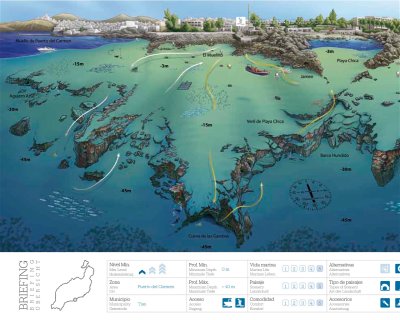
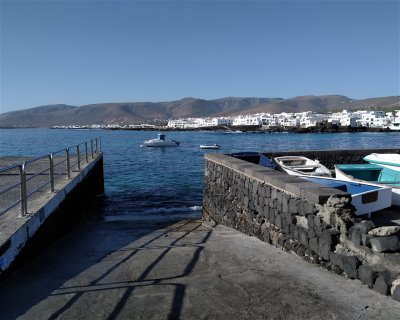
Playa Blanca is the southernmost town of the island of Lanzarote in the Canary Islands of Spain, loc
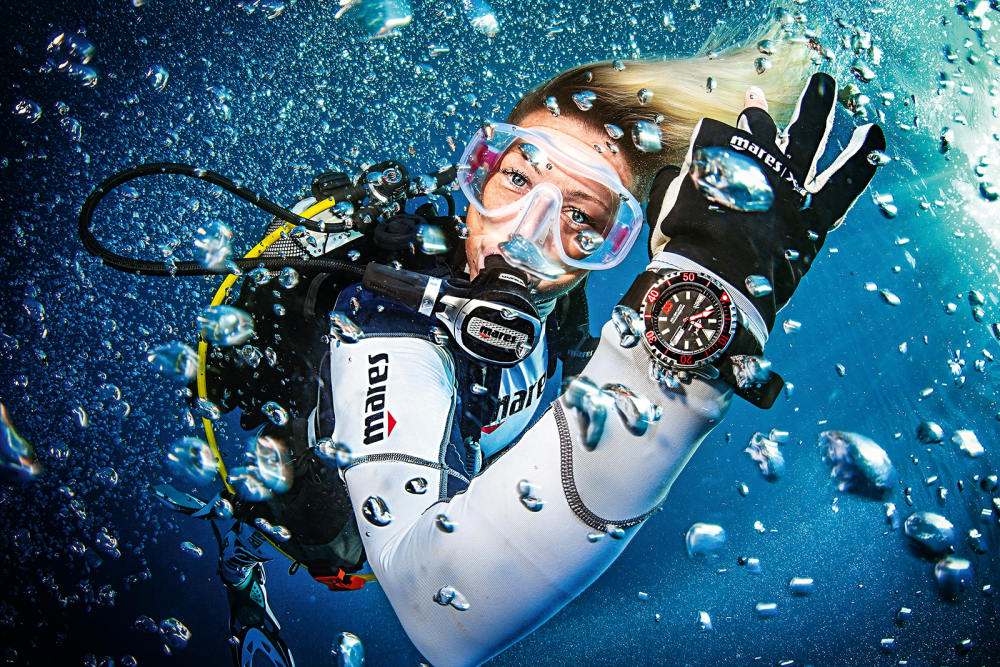
 © Mares
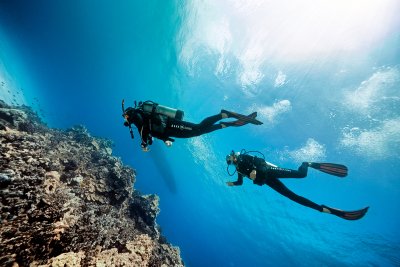
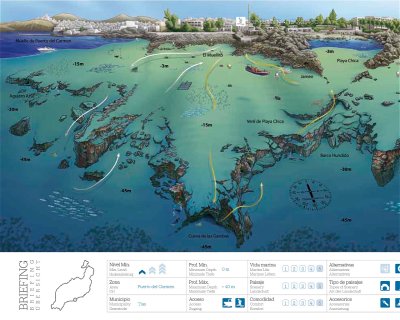
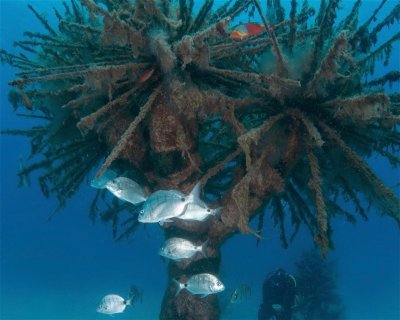
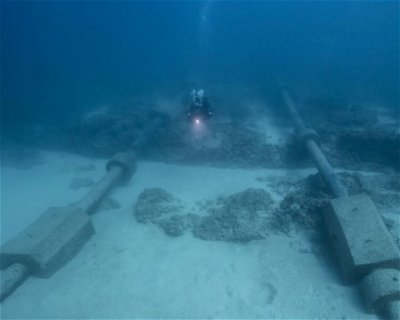
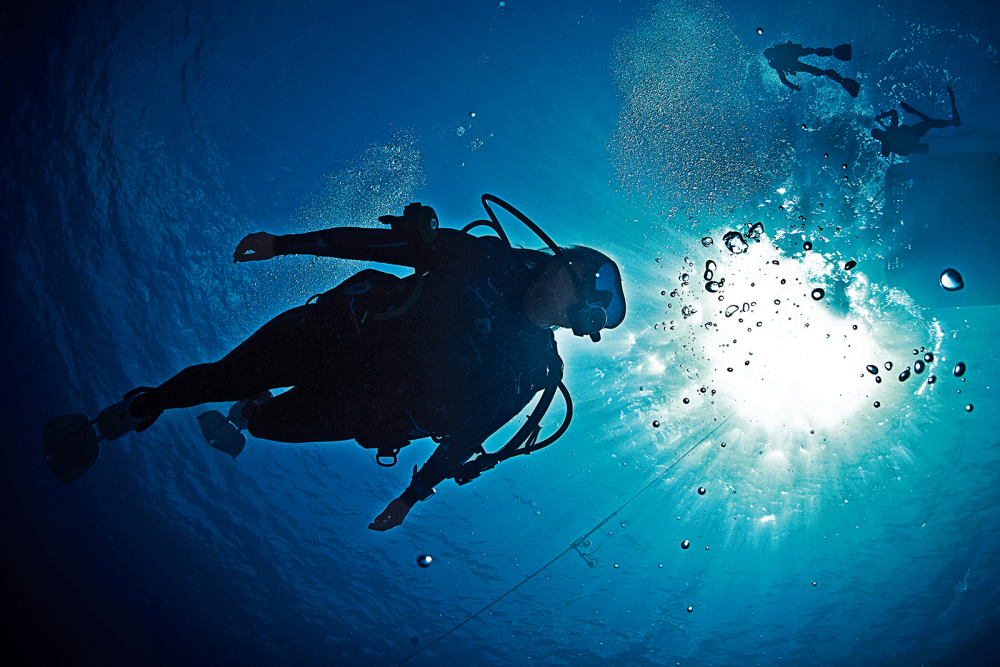
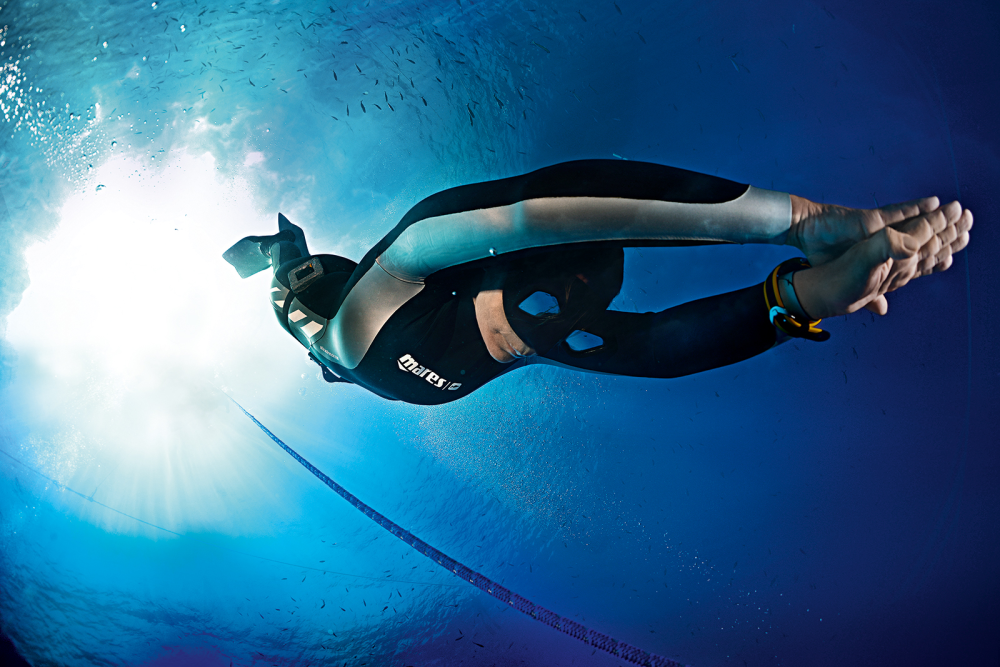
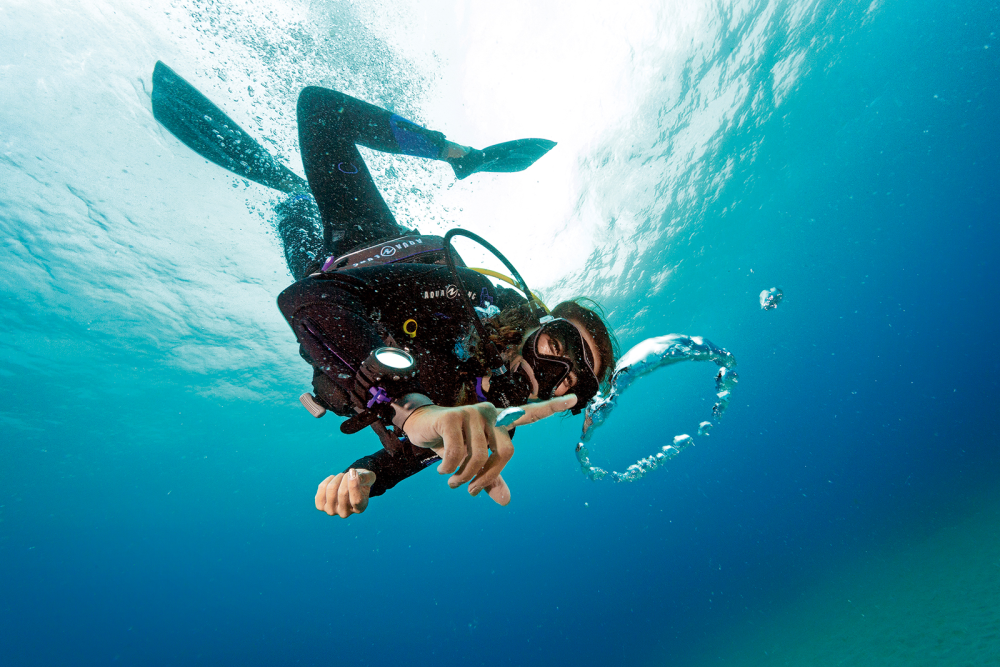
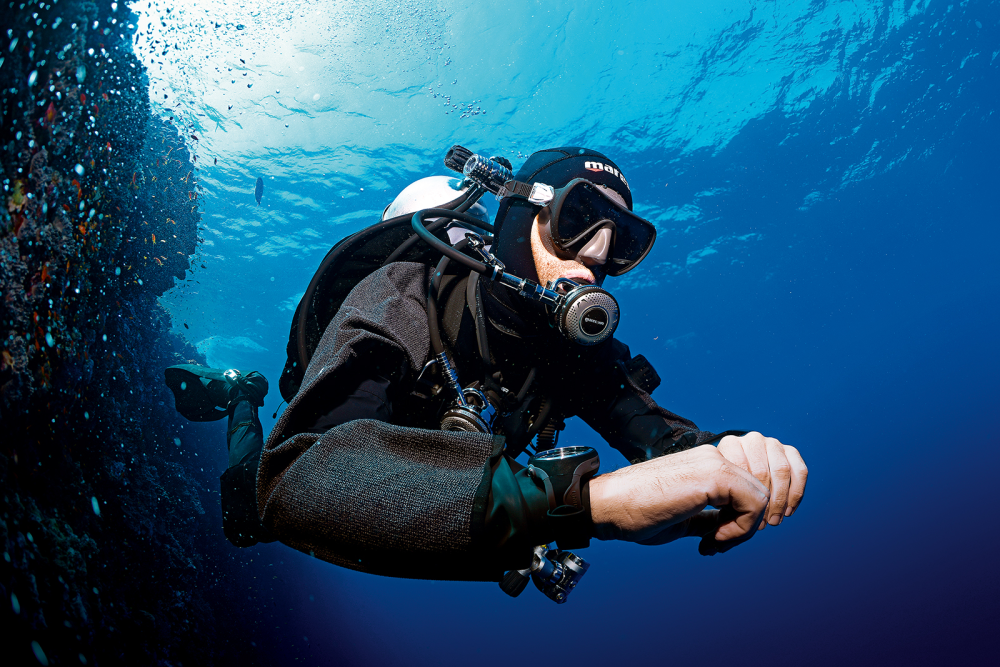
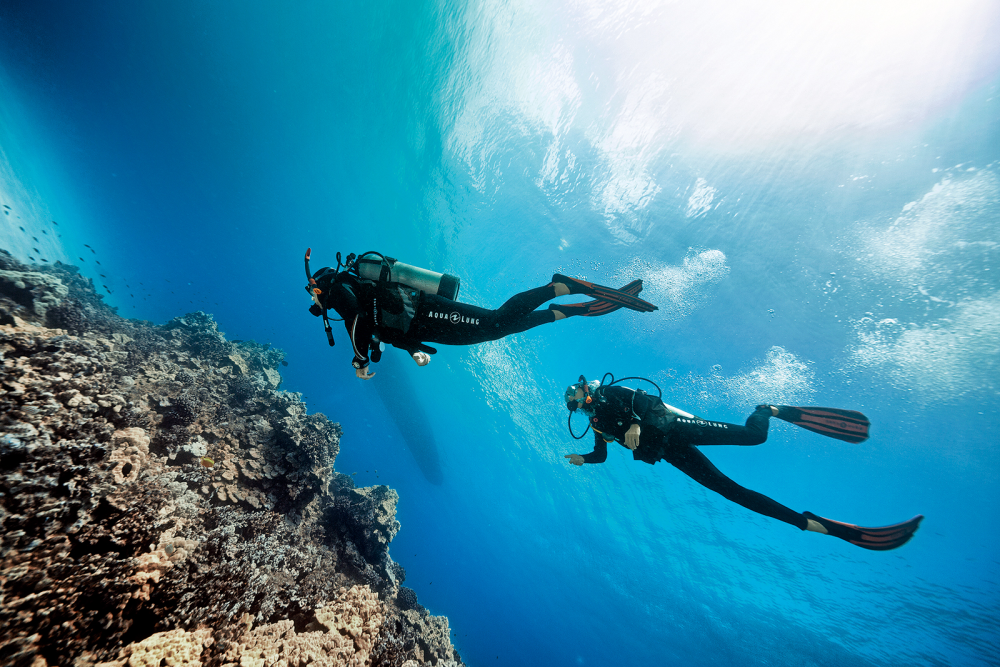
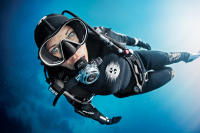
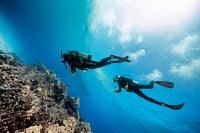
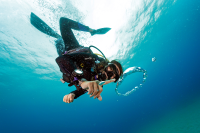
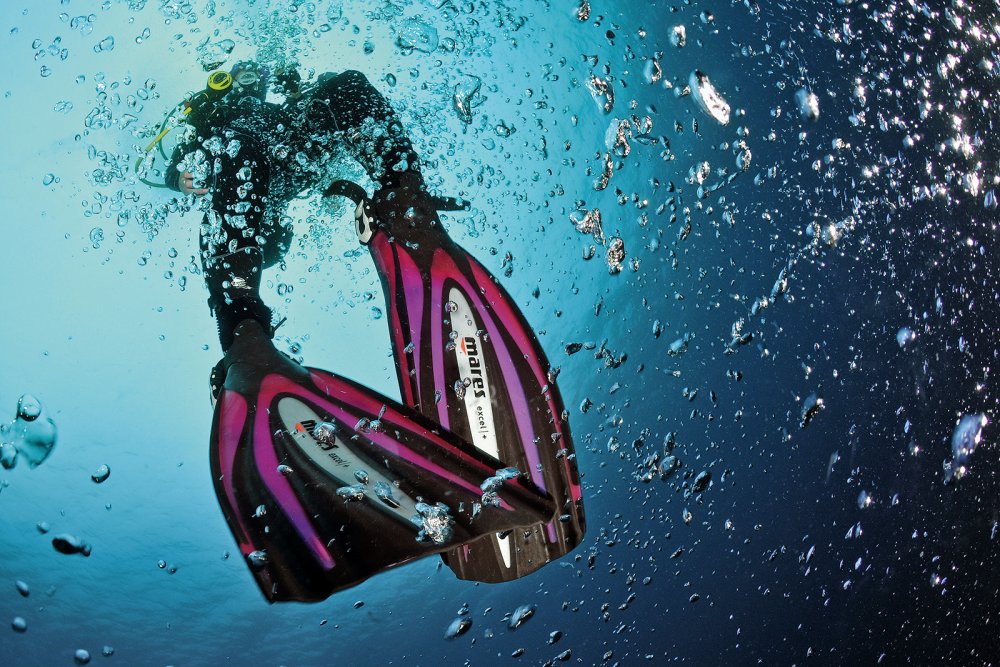
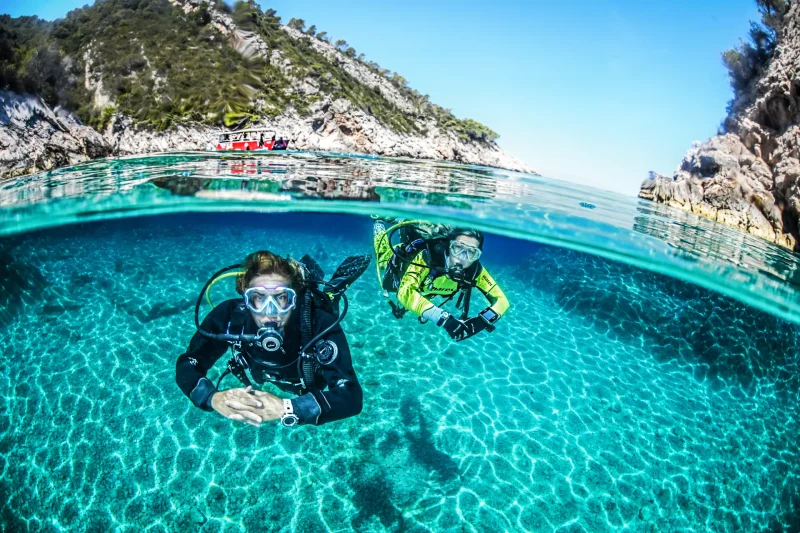
Lanzarote is one of the islands which make up the Canary Islands of Spain, located in the North Atlantic Ocean off the west coast of Africa. What makes this such a popular diving destination are the stunning beaches, the impressive volcanic landscapes, the warm weather throughout the year and the crystal clear waters teeming with marine life and interesting volcanic underwater topography. There are two port towns which are the main bases divers can go to access some of the best dive sites around the area and those are Puerto del Carmen and Playa Blanca. Both these towns are bustling with a large range of activities to be done on land, as well as many diving sites to be explored. Both towns have multiple dive centres and dive resorts which are experts on the surrounding waters where divers can either go on guided dives or do dive courses. One of the highlights of the area is the unique underwater museum; Museo Atlantico which is a selection of statues and sculptures which are slowly becoming part of the marine environment. Diving in Lanzarote is possible for divers of all levels and with an assortment of interests with a wide variety of things to see and experience.
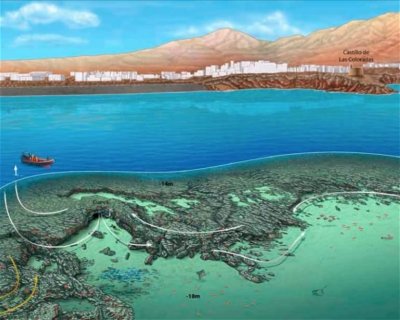
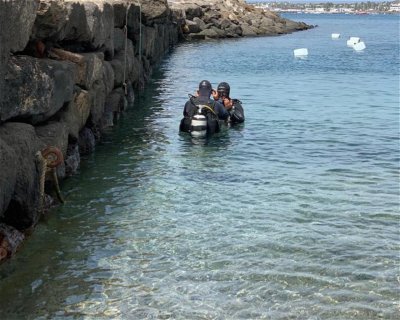
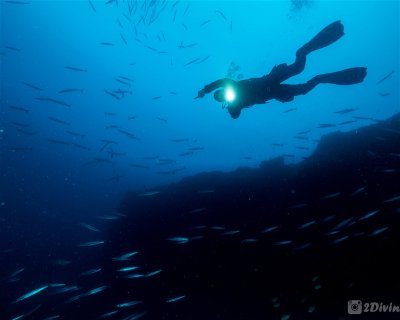
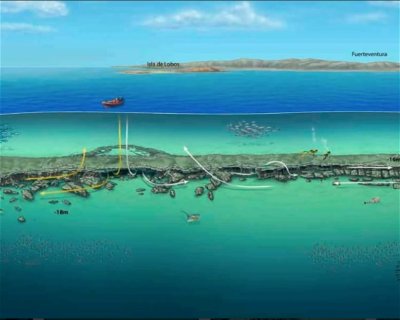
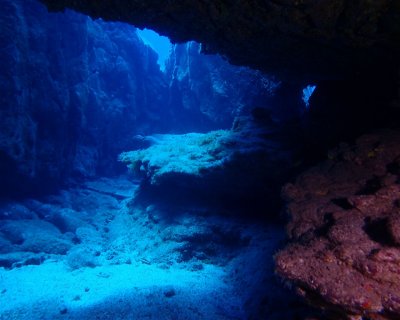
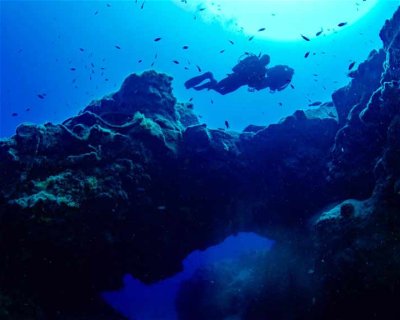
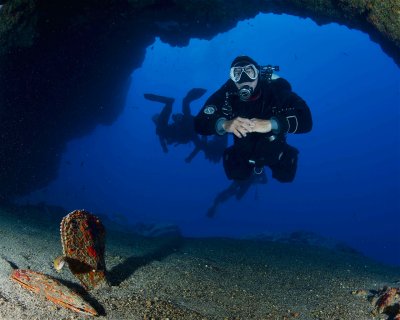
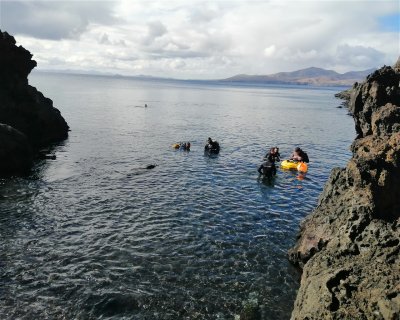
An attractive characteristic of almost every dive site here is the unique volcanic rock underwater topography. This interesting topography, which is made up of features such as large pinnacles and large seamounts, boulders, large plateaus which create overhangs, shallow rocky reefs with cracks and crevices, large canyons, tunnels, arches and swim-throughs to explore, steep walls and deep drop offs. There is also a collection of different types of shipwrecks to be explored here. Some of the highlights include the Blue Hole dive site which is a drop off which really drops down into the abyss and allows divers to experience floating in the blue and the other highlight is the Cathedral cave system which allows divers, even those who do not hold a certification, to dive through an impressive cave. There are dive sites here which are reached by boat and others are done directly from the shore.
One of the factors which really attracts visitors and divers to Lanzarote is the warm climate year round. There are four seasons here, but the temperature difference is not as drastic. The air temperatures here range between 17 degrees Celsius in the winter, December to February, up to 26 degrees Celsius in the summer from June to August. The best season to go diving is from April to October which had the best overall weather conditions, with warmer and calmer waters and no rain. The visibility in this region is known to be above average throughout the year with an average of 20 metres and above 35 metres on the best days. The large majority of the species which inhabit the waters here can be found and admired year round, with only a few larger species such as Sharks with visit seasonally, usually in the colder months of the year.
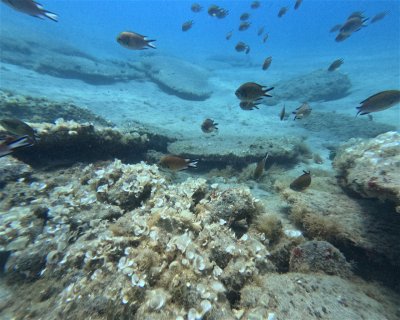
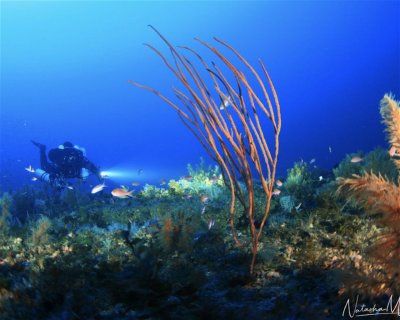
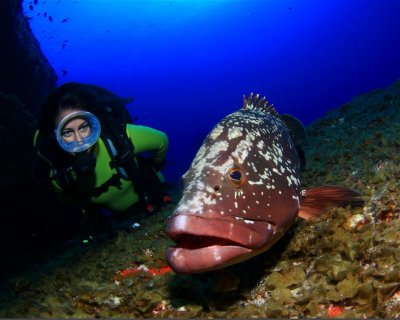
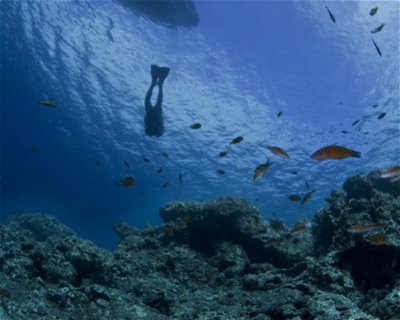
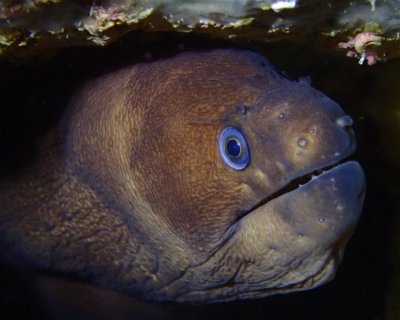
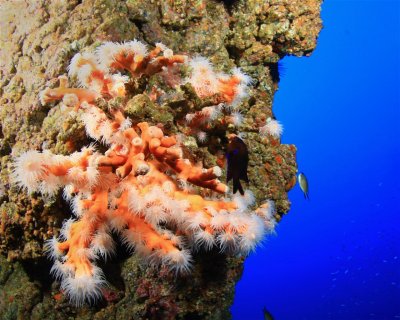
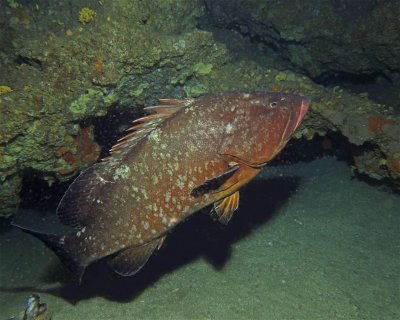
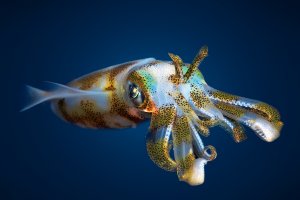
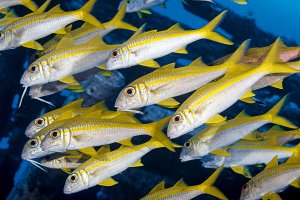
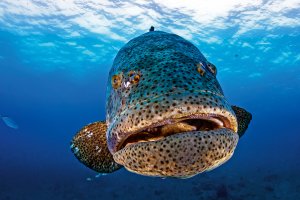
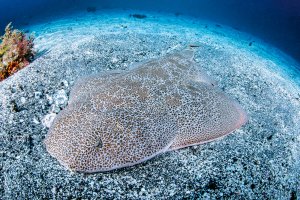
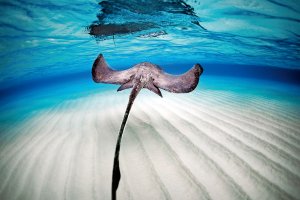
The volcanic rock topography results in nutrient rich waters which then results in a high abundance of marine species for divers to revel over during their dives. The rocky reefs which are a colourful feature of these dive sites are covered in coral species such as Soft Corals, Hard Corals, Sea Sponges, Anemones which are guarded by their adorable inhabitants the AnemoneFish, the vibrant Orange Corals and many more species. The species which live in the cracks and crevices include a variety of Crustaceans such as Shrimp and Lobster, the colourful sprinkles in the shape of Nudibranchs, Moray Eels, different species of rays such as Stingrays and the majestic Seahorses. The species of fish which roam these waters include Tuna, Jacks, Barracuda, Sardines, Sea Bream and Groupers. There are also a few more unique species which can be spotted here which include the elusive Mola Mola or also known as the Sunfish or Moonfish and another species being the interesting Angel Shark which has made these waters their home. On the luckiest of days, in the right season, there is also the chance to spot other species of sharks or Dolphins which are passing by, but this is a rare occurrence.
Wildlife Sightings are Based on User Generated Content
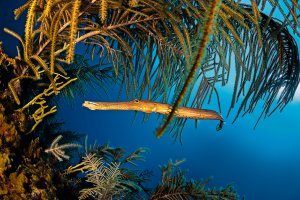
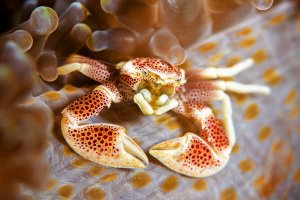
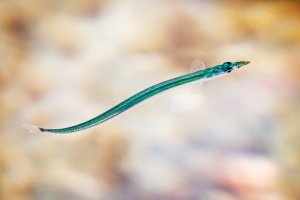
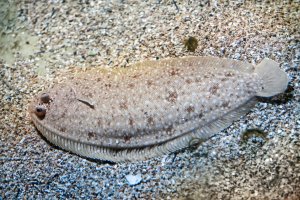
The image shown is a representative illustration and does not depict every individual animal in this category.
Total number of species approx.: 27
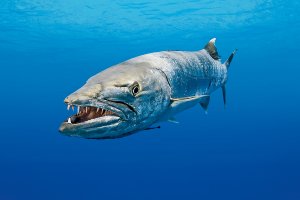
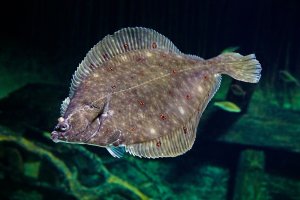
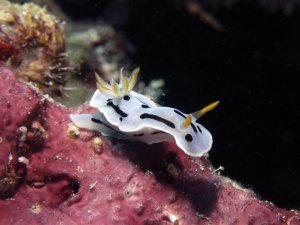
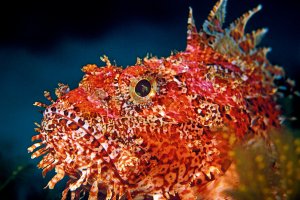
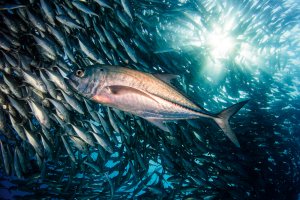
The image shown is a representative illustration and does not depict every individual animal in this category.
Total number of species approx.: 300
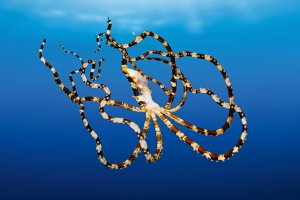
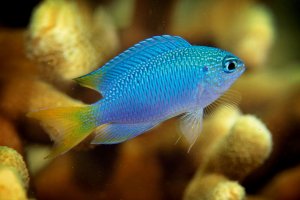
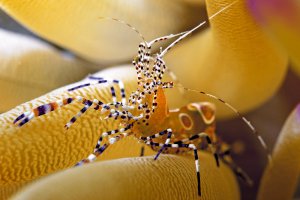
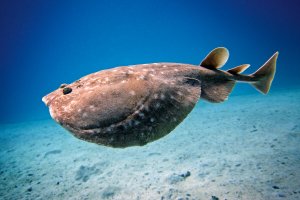
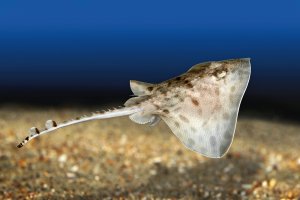
The image shown is a representative illustration and does not depict every individual animal in this category.
Total number of species approx.: 200
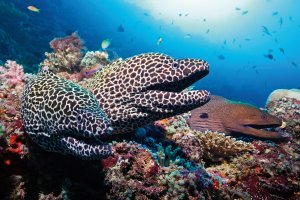
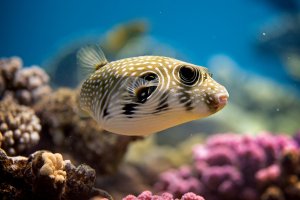
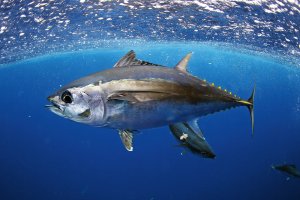
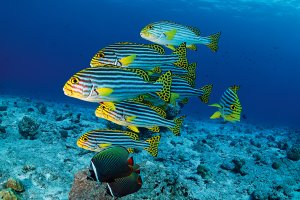
The image shown is a representative illustration and does not depict every individual animal in this category.
Total number of species approx.: 25
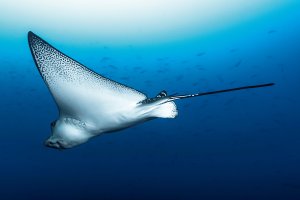
The image shown is a representative illustration and does not depict every individual animal in this category.
Total number of species approx.: 250
The image shown is a representative illustration and does not depict every individual animal in this category.
Total number of species approx.: 26
The image shown is a representative illustration and does not depict every individual animal in this category.
Total number of species approx.: 80
The image shown is a representative illustration and does not depict every individual animal in this category.
Total number of species approx.: 120
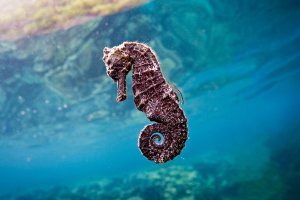
The image shown is a representative illustration and does not depict every individual animal in this category.
Total number of species approx.: 100
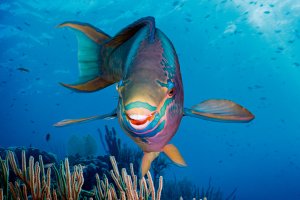
Curated by Interest
Mares
Aqualung
Shutterstock-Zi Magine
Mares-Predrag Vuckovic
Scubapro
Shutterstock-Ethan Daniels
Mares-Predrag Vuckovic
Mares-Bjoern Dorstewit

Take your first step into scuba diving and earn an internationally recognised Open Water Diver certification. This offer provides everything included in the linked course progra...
Show OfferThe SSI Perfect Buoyancy specialty is the best way to improve your buoyancy and get the most from every dive. Buoyancy is an essential dive skill, but any diver will tell yo...
Show OfferAs a Nitrox diver, you can increase your bottom times and safety margins, plus shorten your surface intervals - so you can spend more time diving and less time waiting! In this ...
Show Offer
Discover the underwater world of Lanzarote with our experienced instructors—for all skill levels.
Show OfferThe SSI Perfect Buoyancy specialty is the best way to improve your buoyancy and get the most from every dive. Buoyancy is an essential dive skill, but any diver will tell yo...
Show Offer
As a Nitrox diver, you can increase your bottom times and safety margins, plus shorten your surface intervals - so you can spend more time diving and less time waiting! In this ...
Show Offer
The SSI Deep Diving Specialty will teach you all you need to dive to depths between 18 and 40 meters, through a mixture of academic sessions and open water dives. You will l...
Show OfferAs a Nitrox diver, you can increase your bottom times and safety margins, plus shorten your surface intervals - so you can spend more time diving and less time waiting! In this ...
Show OfferThe SSI Extended Range Foundations program provides you with an opportunity to enhance your advanced diving skills in a workshop environment. Learn more about using tec diving g...
Show Offer
If you’re having trouble choosing which Specialty programs are best for you, sign up for the SSI Advanced Open Water Diver program! You’ll be able to try deep diving and nav...
Show Offer
DOSSIER: THE SEVEN ROSES OF THE ATLANTIC ENCHANT DIVERS YEAR ROUND...The rugged Canary Islands are one of the most popular dive destinations in Spain, offering diving at UNESCO ...
Show Offer
Discover the underwater world of Lanzarote with our experienced instructors—for all skill levels.
Show OfferThe SSI Perfect Buoyancy specialty is the best way to improve your buoyancy and get the most from every dive. Buoyancy is an essential dive skill, but any diver will tell yo...
Show Offer
As a Nitrox diver, you can increase your bottom times and safety margins, plus shorten your surface intervals - so you can spend more time diving and less time waiting! In this ...
Show Offer
The SSI Deep Diving Specialty will teach you all you need to dive to depths between 18 and 40 meters, through a mixture of academic sessions and open water dives. You will l...
Show Offer
As a Nitrox diver, you can increase your bottom times and safety margins, plus shorten your surface intervals - so you can spend more time diving and less time waiting! In this ...
Show Offer
The SSI Deep Diving Specialty will teach you all you need to dive to depths between 18 and 40 meters, through a mixture of academic sessions and open water dives. You will l...
Show Offer
Discover the underwater world of Lanzarote with our experienced instructors—for all skill levels.
Show Offer
DOSSIER: THE SEVEN ROSES OF THE ATLANTIC ENCHANT DIVERS YEAR ROUND...The rugged Canary Islands are one of the most popular dive destinations in Spain, offering diving at UNESCO ...
Show OfferAs a Nitrox diver, you can increase your bottom times and safety margins, plus shorten your surface intervals - so you can spend more time diving and less time waiting! In this ...
Show OfferThe SSI Extended Range Foundations program provides you with an opportunity to enhance your advanced diving skills in a workshop environment. Learn more about using tec diving g...
Show Offer
DOSSIER: THE SEVEN ROSES OF THE ATLANTIC ENCHANT DIVERS YEAR ROUND...The rugged Canary Islands are one of the most popular dive destinations in Spain, offering diving at UNESCO ...
Show OfferThe SSI Extended Range Foundations program provides you with an opportunity to enhance your advanced diving skills in a workshop environment. Learn more about using tec diving g...
Show Offer